Dating apps reward photos, not character. Many successful men build their lives around competence, discipline, and long-term thinking. None of that shows up clearly in six pictures and a two-line bio.
The strange part is that the men who tend to succeed in business, leadership, and real life often struggle the most in the swipe economy. Not because they lack value, but because dating apps reward a completely different set of signals. Over time, a growing number of successful men are noticing the mismatch. Instead of working harder to win the algorithm, many are quietly deciding the game simply isn’t worth playing.
Imbalanced Gender Ratios Create Brutal Competition
Dating apps look like a wide-open marketplace, but the numbers tilt the field. Most platforms have significantly more men than women, which turns every match into a competition whether you realize it or not.
Even men with stable careers, good social lives, and solid reputations often find themselves lost in a crowded digital lineup. When hundreds of profiles are chasing the same small pool of attention, success starts to feel less like connection and more like a numbers game.
The Algorithm Quietly Controls Who Gets Seen

Dating apps rarely explain how their matching systems work, but the results tell a story. A small percentage of profiles receive most of the attention, while many others struggle to get visibility at all.
Research suggests these platforms reward profiles that already perform well, which creates a feedback loop. The popular become more visible, while everyone else slowly disappears into the background.
Paywalls Turn Dating Into a Subscription Model
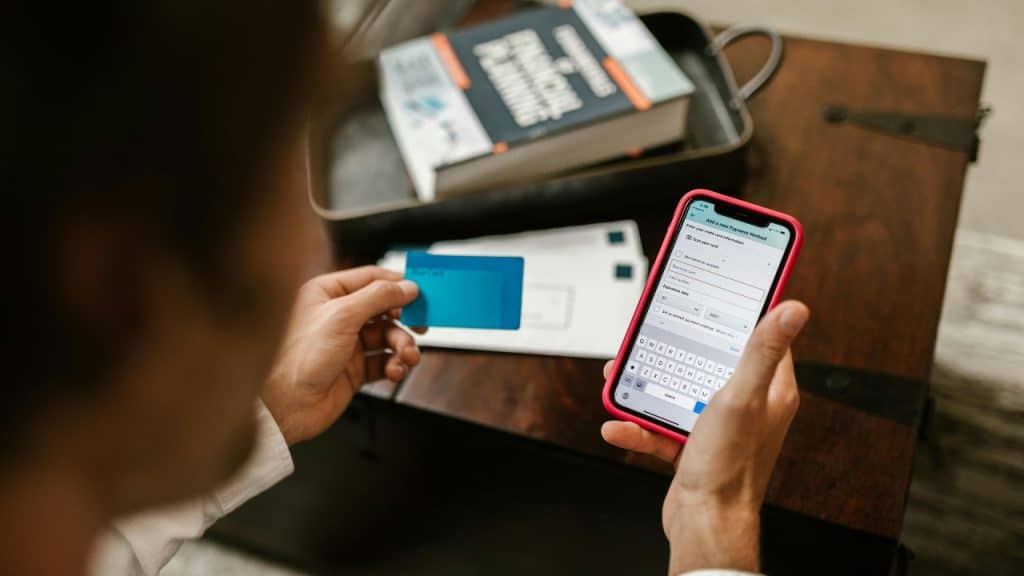
The modern dating app is no longer just a place to meet people. It is a business model built on upgrades, boosts, and paid visibility.
Many men eventually notice the pattern. Matches increase after paying for premium features and drop again once the subscription ends. What started as a search for connection begins to feel suspiciously similar to a video game economy.
Swiping Starts to Feel Like Administrative Work
At first, swiping can feel entertaining. After a while, it starts to resemble a task list.
Profiles blur together. Conversations repeat the same small talk. Instead of meeting interesting people, the process begins to feel like clearing emails or scrolling through spreadsheets.
For professionals already managing busy schedules, adding another digital chore to the day quickly loses its appeal.
Burnout From Endless Conversations That Go Nowhere
One of the quiet frustrations of dating apps is how many conversations stall before anything real happens. A match appears, a few messages are exchanged, then the thread fades into silence.
Multiply that cycle dozens of times and the emotional energy starts to drain. What looks like an opportunity on the surface often turns into a long series of almost-connections that never become real ones.
Ghosting Has Become Normalized

In earlier dating environments, disappearing without explanation was considered rude. On dating apps, it has become routine.
A conversation may seem promising one evening and vanish the next day without warning. After enough repetitions, many men stop taking conversations seriously because experience has taught them they might end without a word.
Rejection Becomes Constant and Impersonal
Dating always involved rejection, but apps amplify it in strange ways. Silence replaces clear signals, and men often receive little feedback about what went wrong.
Over time, repeated non-responses can chip away at confidence. Even accomplished men who are respected in their professional circles can start questioning themselves in a space where effort rarely produces clear outcomes.
The Swipe Economy Rewards Appearance Over Substance
In most professional settings, competence and character matter. Online dating reverses that order.
A profile photo makes the first and often only impression. Career stability, maturity, emotional intelligence, and life experience rarely carry the same immediate weight as visual presentation.
For men whose strengths show up over time rather than instantly, this environment creates an uphill battle.
Many Women Are Flooded With Options

On the other side of the screen, many women experience the opposite problem. Instead of too few matches, they receive too many.
When someone is flooded with hundreds of potential conversations, it becomes difficult to invest deeply in any single one. The result is a browsing culture where attention shifts quickly, and meaningful engagement becomes rare.
Unrealistic Matching Expectations
Some research suggests men often swipe toward profiles they perceive as more attractive than themselves. Women, meanwhile, tend to choose matches closer to their own perceived level of desirability.
The result is predictable frustration. Many men chase matches that rarely convert into real conversations, while the people they might naturally connect with get overlooked in the process.
Dating Begins to Feel Like a Performance

A strange pressure emerges on dating apps. Profiles must communicate humor, ambition, personality, and lifestyle within a few seconds of attention.
For successful men who are used to earning respect through actions over time, compressing their identity into a short profile can feel unnatural. Instead of authentic interaction, the process becomes a subtle performance.
The Gamification of Romance
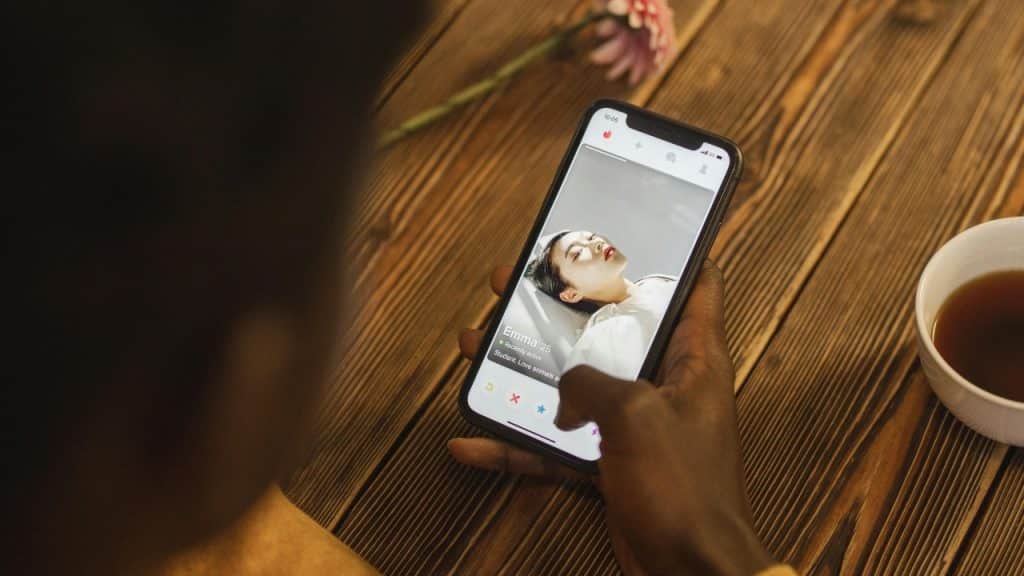
Many dating apps use design mechanics similar to games. Notifications, matches, and streaks provide small bursts of reward that keep users returning.
Therapists and researchers have compared this pattern to gambling systems where intermittent rewards create addictive behavior. The experience stops feeling like meeting people and starts feeling like chasing outcomes.
Emotional Fatigue Builds Over Time
After months or years on dating apps, the emotional tone can shift. Hope turns into habit. Curiosity turns into skepticism.
Men who once approached the apps with enthusiasm often find themselves logging in out of routine rather than excitement. At that point, many quietly step away.
Scams and Fake Profiles Erode Trust
Another frustration appears when profiles turn out to be fake, misleading, or financially motivated. Stories of scams and catfishing have become common across many platforms.
For men who value honesty and straightforward communication, these experiences quickly reduce trust in the system itself.
Time Starts to Feel Misallocated

Successful men often become protective of their time as they grow older. Hours spent swiping and messaging begin to compete with careers, friendships, fitness, and personal goals.
Eventually, many step back and ask a simple question. Is this actually the best use of my time?
Real-Life Interaction Starts to Look Better Again

As frustration builds, some men return to older forms of meeting people. Social events, mutual friends, hobbies, and professional circles begin to feel more natural again.
Offline interactions offer something dating apps struggle to replicate. Body language, shared context, and genuine chemistry appear within minutes rather than after weeks of messaging.
For many successful men, that shift quietly marks the moment they leave the apps behind.








Ask Me Anything