
Many men lose their entire identity after divorce. Marriage often becomes their only emotional structure.
That is part of what makes the aftermath so disorienting. The legal split is only one layer of it. What hits harder is the collapse of routine, role, belonging, and the version of yourself that felt stable when life still made sense. Rebuilding sounds simple when people say it fast. In real life, it is slower, messier, and a lot less clean than the usual advice makes it seem.
Your Role Vanishes Before Your New Life Exists

Divorce can strip away the labels that quietly held your life together. Husband. Provider. Full-time dad under one roof. Once those roles crack, a man is not just dealing with loss. He is dealing with the question of who he is when the old definition no longer fits, and the new one has not been built yet.
The House Gets Quieter Than Expected
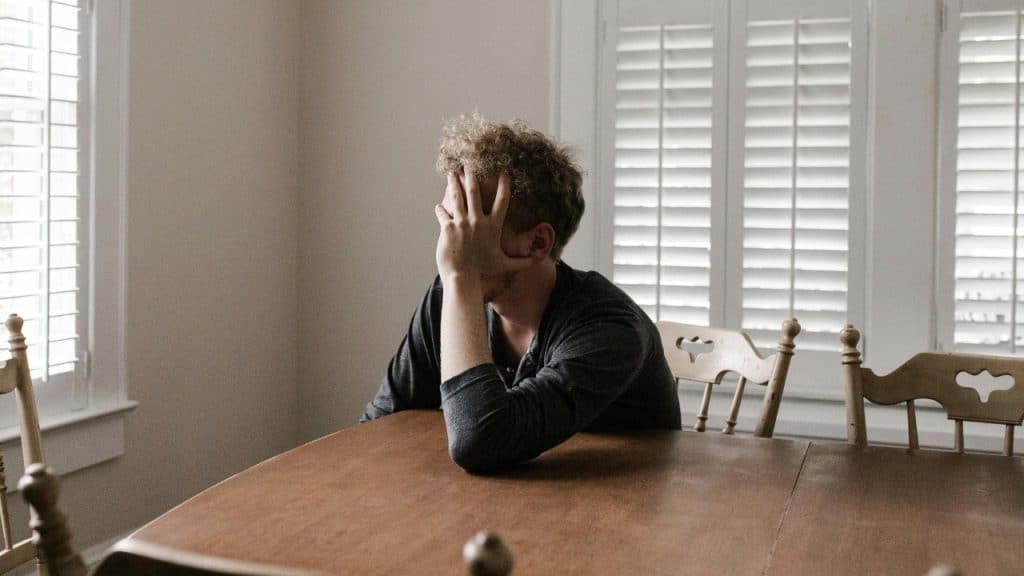
Silence sounds different after divorce. It is not always peaceful. Sometimes it feels like proof that something important has been removed from daily life, and no amount of TV, scrolling, or staying busy really covers it. A quieter home can turn into a louder mind very quickly.
Friends Do Not Always Stay in the Split

Divorce has a way of exposing which relationships were actually yours and which ones belonged to the marriage. Some people drift. Some avoid the discomfort. Some clearly pick a side without saying it out loud. That social shrinkage hits harder than many men expect, especially when their wife had been the center of most of the couple’s social world.
Seeing Your Kids Less Changes Everything

This part cuts deeper than many people like to admit. Even when you are still involved, even when you are doing your best, reduced time with your children can feel like a constant emotional amputation. It affects mood, routine, identity, and self-respect all at once. You are not just missing moments. You are living with a different version of fatherhood than the one you thought you had.
Grief Does Not Always Look Like Sadness

Men are often taught to recognize anger faster than grief. So after divorce, the pain may come out sideways through irritability, defensiveness, numbness, or a strange emotional flatness that makes everything feel dull. That does not mean the loss is smaller. It usually means the loss is sitting deeper than the man knows how to name.
Work Can Become a Hideout and a Casualty

Some men throw themselves into work after divorce because it feels like the last place where competence still exists. Others start slipping because sleep is off, focus is shot, and emotional bandwidth is gone. Both reactions make sense. The danger is when work becomes either the only place you feel valuable or another thing that starts falling apart.
Money Starts Leaking in Ways You Did Not Plan For

Supporting one life is expensive enough. Supporting two households, paying legal fees, handling support obligations, replacing shared items, and adjusting to a new budget is something else entirely. Even men who looked financially solid during marriage can feel suddenly exposed after divorce, not because they were reckless, but because divorce is expensive in ordinary, relentless ways.
The Family Home Was Never Just a House
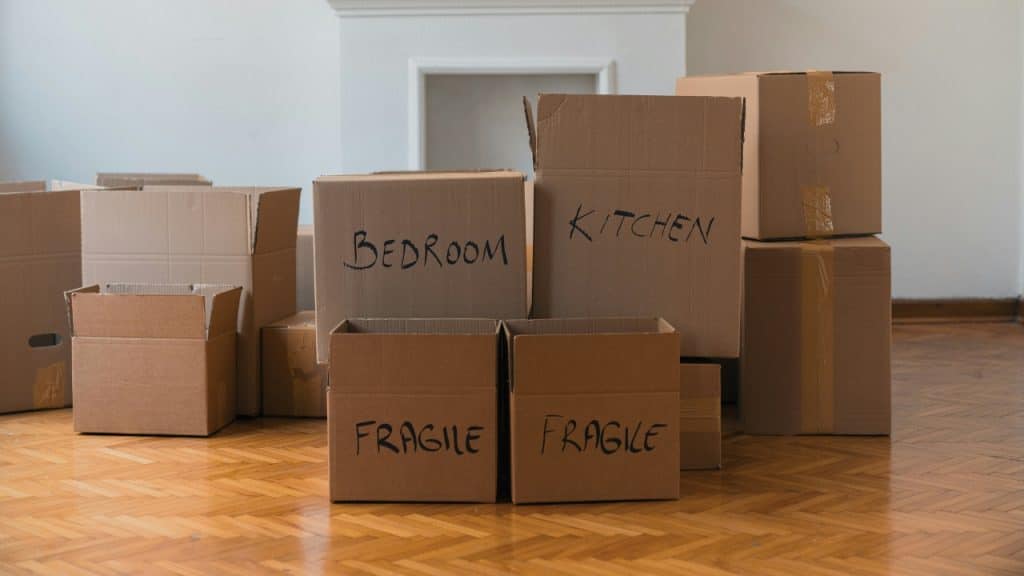
Losing the house or leaving it behind is not only a real estate issue. It is a psychological one. The home carried routines, symbols, memories, and a sense of continuity. Once that is gone, even practical decisions like where to live next can feel heavier than they should because they are carrying emotional weight too.
Nobody Really Prepares Men for the Health Hit

Divorce stress is not abstract. It gets into sleep, appetite, blood pressure, motivation, and basic self-care. Men who used to function like clockwork can suddenly live on bad food, poor sleep, caffeine, and pure irritation. It is easy to dismiss that as a rough patch. It becomes a real problem when the body starts keeping score.
Shame Keeps the Recovery Slower Than It Has to Be

A man can survive the divorce and still get trapped by the meaning he attaches to it. Failed husband. Broken family. Bad judgment. Public embarrassment. Those labels do damage because they turn a painful life event into a verdict on the entire self. Once shame takes over, rebuilding feels less like recovery and more like trying to earn permission to exist again.
Dating Again Sounds Easier Than It Feels

People love to act like getting back out there is the obvious next step. It is often not. Dating after divorce can stir up insecurity, cynicism, awkwardness, comparison, and a low-grade distrust that was not there before. It is hard to feel open when part of you still feels unfinished, and another part is quietly scanning for red flags before the appetizer arrives.
Boundaries With an Ex Are Harder Than They Sound

Clean boundaries look simple on paper. In real life, they get tangled in old resentment, parenting logistics, financial issues, and emotional habits that never fully died. A text about pickup time can turn into a fight about respect. A quick call can reopen an old wound. Without boundaries, the marriage may end legally, while the emotional chaos keeps collecting rent.
Men Often Try to Outrun the Pain Instead of Meeting It

Some go straight into drinking more, spending more, chasing validation, or filling every empty hour so they do not have to sit with themselves. It can look like movement from the outside. Sometimes it is just avoidance with better shoes on. The pain does not disappear because it has been buried under distractions. It usually returns louder.
Routine Has to Be Rebuilt From Scratch

Marriage creates structure, whether people notice it or not. Meals, chores, weekends, parenting rhythms, even the emotional shape of the day, all tend to get organized around shared life. After a divorce, that scaffolding is gone. Men who looked highly functional before can suddenly feel weirdly disorganized, not because they have become incapable, but because the system that once held everything together is no longer there.
The Rebuild Is Slower Because It Is Not Just One Rebuild

This is where people outside the experience often get it wrong. A man is rarely rebuilding only one thing after divorce. He may be rebuilding identity, fatherhood, finances, health, friendships, living situation, and trust all at the same time. That is why progress can feel frustratingly uneven. It is not because he is weak or stuck. It is because the damage was never limited to one corner of life.








Ask Me Anything