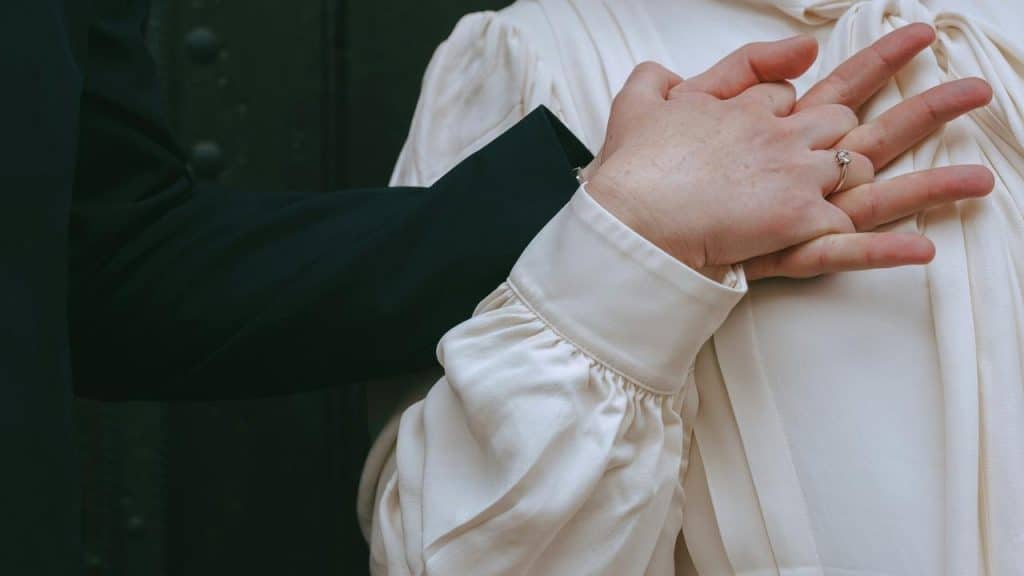
Marriage feels huge at the start, full of promise, full of “we’ve got this.” But after the music stops and life kicks the door open, things get real fast. You don’t notice the change in one dramatic moment. It sneaks in during dishes-at-10-pm nights, rushed mornings, long workweeks, and those moments when you look at your partner and think, “When did everything get so complicated?”
What follows digs into the reasons things start to fade after the wedding. Think of this as the stuff people whisper about but rarely say out loud. It’s honest, a little uncomfortable, and absolutely fixable if you see it early.
1. Life Keeps Adding More Weight To The Load

Life never slows down after marriage. If anything, it speeds up. More responsibilities pop up every year, like someone keeps tossing extra tasks into your day. When both partners feel stretched thin, affection tends to slide down the priority list without a formal announcement.
Pretty soon, both people move through the week like they’re racing a clock. When energy runs low, patience runs low too. Before long, two people who once felt close end up feeling more like teammates who keep missing each other in the hallway.
2. Expectations Quietly Get Heavier
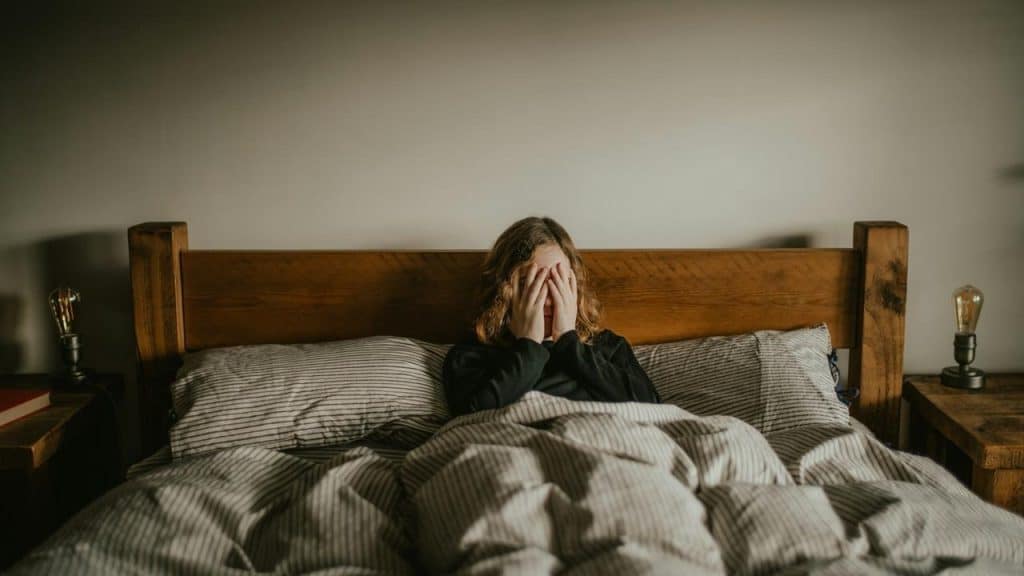
People walk into marriage with unspoken ideas about what a spouse “should” do or say. No one hands out a manual, so each partner starts guessing. Those guesses rarely match. When one person thinks certain things ought to happen and the other person has no clue, irritation grows in the dark.
Then the smallest moment, like someone forgetting something, suddenly feels bigger. One partner feels let down; the other feels confused. Add enough of these mismatched hopes, and the whole relationship starts to feel like an awkward guessing game.
3. Work Keeps Cutting Into Couple Time

Work pulls harder after marriage. Promotions, late nights, pressure from bosses, everyone wants a piece of you. Before long, two people start planning time together around the job instead of protecting the relationship first. (And that never ends well.)
When couples spend more hours staring at screens than at each other, the warmth between them cools without drama. Nobody chooses it. It happens because the modern world acts like work outranks everything else.
4. Attraction Changes With Age And Time
Bodies change. Faces change. Confidence rises, dips, and rises again. Attraction isn’t frozen in time, and marriage doesn’t freeze it either. Some people panic when they notice something different, thinking it means the love fell apart. It actually means both people are human.
What hurts the spark is when couples avoid talking about these changes. One person might pull back out of worry, while the other feels unwanted. Those unspoken concerns can create distance far faster than wrinkles or gray hair ever could.
5. Alone Time Becomes Necessary

Before marriage, couples often spend hours glued together. After marriage, not so much. Life demands space, personal space, thinking space, breathing space. Wanting time alone doesn’t mean anything bad; it means your mind needs a pause.
But here’s where trouble starts: when one partner asks for space and the other person takes it personally. Suddenly someone feels rejected, even though nothing dramatic happened. That misunderstanding can turn normal alone time into an emotional minefield.
6. Fights Don’t Bring You Closer Like They Used To
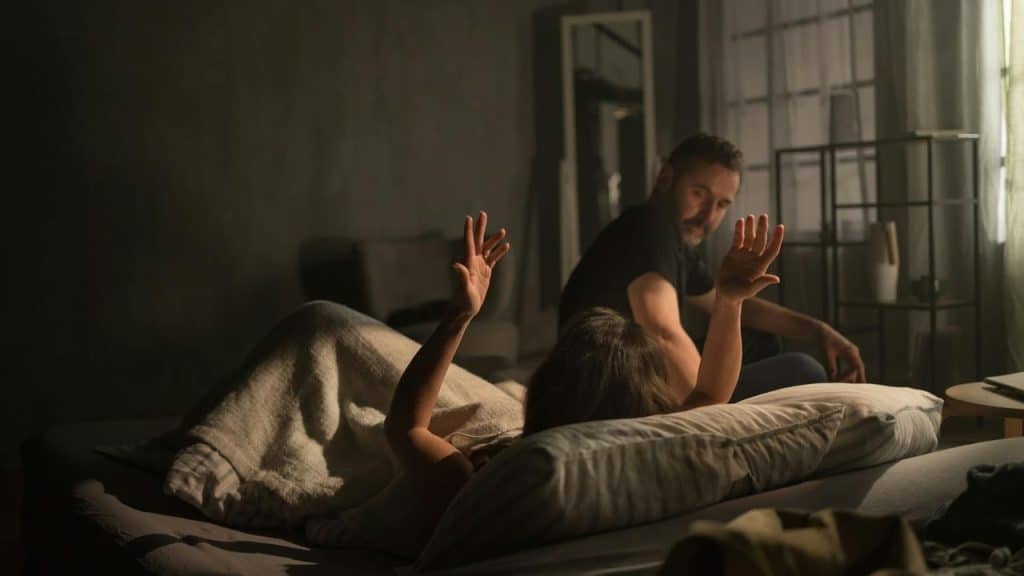
Before marriage, arguments sometimes feel like dramatic movie scenes that end in hugs or laughter. After marriage, fights hit differently. There’s more at stake. Words cut deeper. The recovery takes longer.
If every disagreement ends with both people walking away drained and annoyed, something shifts inside the relationship. Instead of feeling heard, each person feels worn down. Over time, arguments stop helping and start hurting.
7. Comparing Your Marriage To Others Causes Doubt

It takes one scroll through social media to feel like every other couple has everything figured out. (Spoiler: they don’t.) But when someone starts comparing their marriage to filtered photos and cheerful posts, doubt creeps in quietly.
Couples begin to think, “Why doesn’t our relationship look like that?” The answer: because real life doesn’t pose for pictures. But that doubt grows fast and can make perfectly normal problems look like gigantic failures.
8. Parenting Reshapes The Relationship
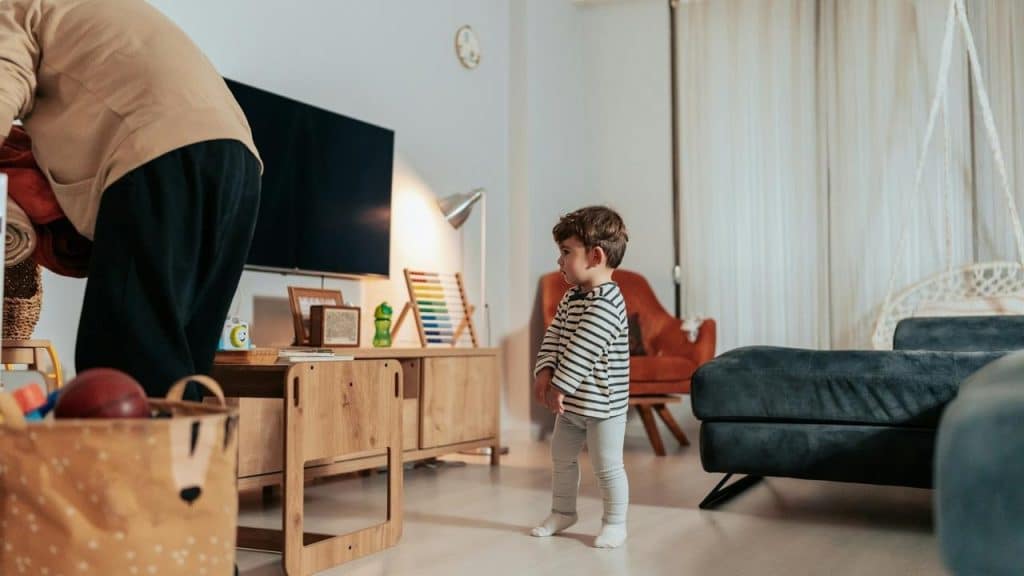
Kids bring love, laughter, chaos, and exhaustion, all in the same week. Once children enter the picture, every part of life rearranges itself whether parents want it or not. Sleep disappears, schedules collide, and the relationship turns into a battlefield of needs and responsibilities.
Parents often focus so much on raising kids that they forget to nurture each other. Days turn into months, and suddenly the couple feels worn out and distant, even though they never intended it to happen.
9. Your World Gets Smaller Socially

After marriage, social lives shrink fast. Friends get busier, schedules clash, and nights out happen less often. Without those outside relationships, couples place all emotional pressure on each other (and that’s a heavy load).
When partners expect one person to meet every emotional need, disappointment shows up often. People need outside conversations and friendships to stay balanced. Without them, the marriage feels tight and isolating.
10. Talks Become Practical Instead Of Meaningful
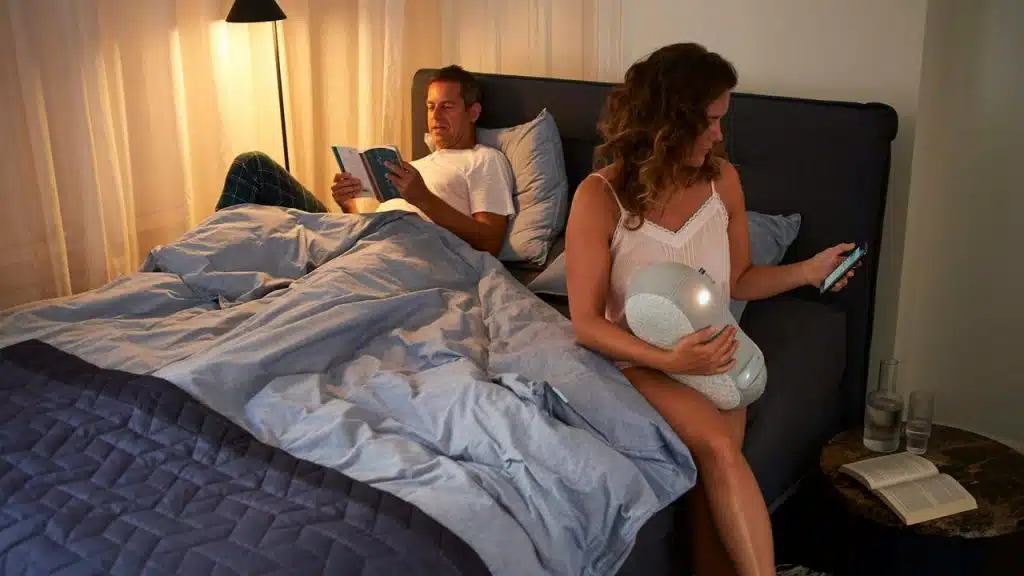
Before marriage, late-night conversations can go on for hours. After marriage, talks sound more like checklists: bills, chores, errands, upcoming plans. Those quick, practical exchanges push the deeper conversations aside.
Soon it feels like two people speak often but say nothing that actually helps them feel close. When meaningful talks fade, so does the emotional spark that once made everything feel easy.
11. Financial Stress Puts Pressure On The Relationship

Money stress hits couples hard. Unexpected expenses, rising costs, and career uncertainty create tension faster than almost anything else. When people feel unstable financially, every decision turns heavier and every disagreement feels sharper.
Money trouble also triggers fear, fear of failing, fear of losing control, fear of disappointing a partner. Those fears make people defensive, anxious, or withdrawn. Love struggles to breathe when stress fills the room every day.
12. Physical Closeness Starts To Feel Routine

Before marriage, intimacy feels exciting and new. After marriage, routines settle in. People get tired. Schedules fill up. Some nights, the bed feels more like a charging station than a place for affection.
When physical closeness loses its spark, people often assume something is wrong with the relationship. In truth, it usually means life swallowed up the energy that once fueled intimacy. Without effort, the spark fades faster than couples expect.
13. You Stop Being Curious About Each Other

Early in a relationship, partners ask questions constantly. They want to know everything, dreams, fears, stories from childhood, what they hope to do next year. After marriage, many people assume they already know their partner fully.
But humans never stop changing. When curiosity fades, so does discovery. Without discovery, conversations flatten out and both people feel less seen. Curiosity doesn’t disappear on purpose; it disappears because comfort sneaks in and takes over.
14. You Don’t Always Grow In The Same Direction
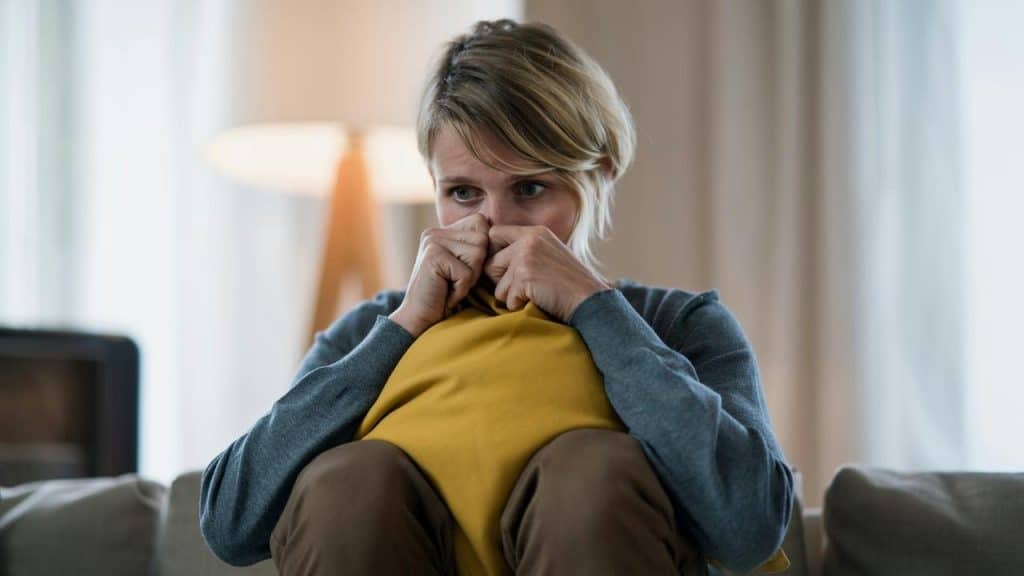
People evolve over time, new goals, new ideas, new interests. Marriage doesn’t freeze personal growth. Sometimes couples grow together; other times they grow in opposite directions without noticing.
Problems start when neither person talks about these changes. Instead of learning about each other’s new interests, they stay stuck in old patterns. That gap widens quietly, and one day the couple wonders how they drifted so far apart.
15. The Romance Doesn’t Feel Automatic Anymore

In the beginning, affection comes naturally. Married life adds responsibilities that crowd out those little moments that once happened without effort. Suddenly, sweet gestures take thought, time, and planning, three things couples rarely have enough of.
When affection no longer happens by itself, some people panic. They assume the spark disappeared. In reality, it means the relationship needs intentional care instead of relying on the thrill of early love.
16. Everyday Responsibilities Take Over

Errands, chores, messes, appointments, deadlines, life becomes a nonstop to-do list. When every day feels like a series of tasks, affection slips into the background. Couples focus on surviving the day instead of enjoying each other.
Before long, the relationship feels like a functional partnership built around getting things done. That practical mode leaves little room for warmth, laughter, or softness, and the bond starts to thin out.
17. You Stop Trying As Hard Around Each Other

In the early days, everyone puts in effort, whether it’s looking good, reaching out, planning time together, or showing appreciation. After marriage, comfort settles in so deeply that effort fades without anyone noticing.
When partners stop trying, the spark weakens. People start to feel invisible or taken for granted. Little by little, the energy that once made the relationship feel exciting slips away, leaving both people wondering what happened.








Ask Me Anything