
The honeymoon phase is often filled with excitement, curiosity, and a strong emotional pull. Everything feels new, and both people tend to focus on what they enjoy about each other. As time passes, that intensity naturally begins to shift. Reality starts to replace the early sense of idealization. A man and his partner may begin to see each other more clearly, beyond first impressions. This change can feel surprising if it is not expected. The connection does not disappear, but it becomes more grounded. Understanding this shift helps explain why relationships begin to feel different. The following slides break down how this transition shows up and how it influences the direction of the relationship.
Idealization Begins to Fade

During the honeymoon phase, both people tend to focus on positive traits. A man may overlook small differences or flaws. As reality sets in, this perspective becomes more balanced. He begins to see his partner more realistically. His partner experiences the same shift. This does not mean attraction is gone. It means perception is becoming more accurate. The relationship starts to feel more real than ideal.
Differences Become More Noticeable

As initial excitement fades, differences become easier to see. A man may notice habits, preferences, or communication styles that were not obvious before. His partner may also recognize these differences. This can create moments of adjustment. It is not necessarily negative. It reflects a deeper understanding of each other. The relationship becomes more detailed and less generalized.
Emotional Intensity Levels Out

The strong emotional highs of the beginning begin to settle. A man may feel less intense excitement but more stability. His partner may notice the same change. This can feel like something is missing at first. In reality, the connection is becoming more balanced. Emotional intensity is replaced with consistency. This creates a steadier dynamic.
Effort Feels Less Performative

In the early stage, effort is often more visible and intentional. A man may try to impress or present himself in a certain way. As reality sets in, that effort becomes more natural. He may act more like himself. His partner may notice this shift. It reflects comfort rather than loss of interest. The relationship becomes more authentic.
Routine Starts to Form

Daily patterns begin to develop as the relationship stabilizes. A man and his partner may spend time together in more predictable ways. This creates a sense of structure. While routine can feel less exciting, it provides consistency. The relationship becomes part of everyday life. This shift is a normal progression. Routine supports stability.
Communication Becomes More Practical

Early conversations often focus on getting to know each other. As reality sets in, communication becomes more practical. A man may talk more about daily responsibilities or plans. His partner may do the same. This can feel less exciting but more relevant. The relationship becomes integrated into real life. Communication reflects this shift.
Conflict Becomes More Real

Disagreements may begin to appear more naturally. During the honeymoon phase, conflict is often minimized or avoided. As reality sets in, differences in opinion become clearer. A man may express disagreement more openly. His partner may do the same. This is a normal part of understanding each other. Conflict becomes part of the relationship dynamic.
Boundaries Become Clearer

As the relationship develops, personal boundaries become more defined. A man may express his needs more clearly. His partner may also communicate with him. This creates a more balanced dynamic. Boundaries help maintain individuality. They also support long-term stability. This shift reflects growth rather than distance.
Less Focus on Constant Validation

In the beginning, validation is often frequent and noticeable. A man may express reassurance regularly. As the relationship stabilizes, this becomes less constant. He may feel secure without needing to repeat it. His partner may notice the difference. This can feel like reduced effort. In reality, it reflects increased comfort and trust.
Real-Life Stress Starts to Influence the Relationship

External factors begin to play a larger role. Work, responsibilities, and personal stress can affect how a man engages. His partner may also feel these pressures. The relationship is no longer separate from real life. It becomes part of it. This can change how time and energy are shared. The dynamic becomes more complex.
Expectations Become More Grounded

Expectations often shift as reality sets in. A man may begin to think more practically about the relationship. His partner may adjust her expectations as well. This creates a more balanced view. The relationship feels less idealized. It becomes more realistic. This helps build a stronger foundation.
Emotional Expression Becomes Steadier

Instead of intense emotional highs, expression becomes more consistent. A man may show care in quieter ways. His partner may notice fewer dramatic expressions. This can feel less exciting at first. However, it reflects stability. The relationship becomes more predictable. This supports long-term connection.
The Need to Impress Decreases

A man may feel less need to impress his partner. He becomes more comfortable being himself. This creates a more authentic dynamic. His partner may notice the difference. It reflects security rather than disinterest. The relationship becomes more genuine. Authenticity replaces performance.
Compatibility Becomes More Important

As reality sets in, compatibility becomes a key focus. A man may consider how well the relationship fits long-term. This includes values, lifestyle, and communication. His partner may do the same. The connection is evaluated more seriously. This shift influences decisions. Compatibility shapes direction.
Effort Shifts Into Consistency

Effort does not disappear, but it changes form. A man may show care through consistent behavior rather than grand gestures. His partner may not always recognize this immediately. This can create misunderstanding. The effort is still present, just less visible. Consistency becomes more important than intensity.
The Relationship Feels More Stable

Stability becomes more noticeable as intensity decreases. A man may feel more secure in the connection. His partner may feel the same. The relationship becomes less reactive. This creates a calmer dynamic. Stability replaces unpredictability. This is a sign of progression.
Small Issues Become More Noticeable
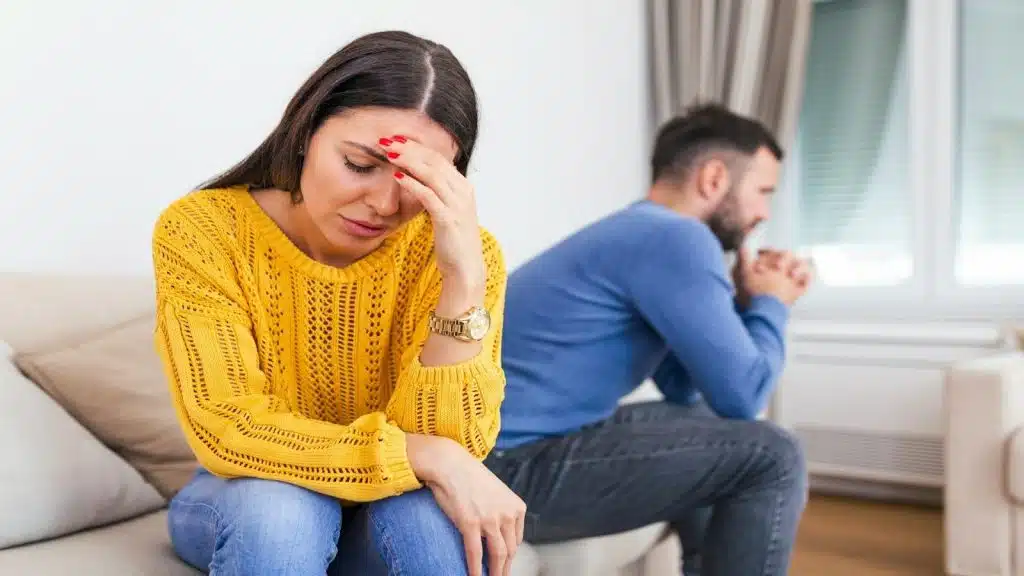
As attention shifts from excitement to reality, small issues become clearer. A man may notice habits or behaviors that stand out more. His partner may experience the same. These issues may require adjustment. They are part of understanding each other. The relationship becomes more detailed.
The Relationship Feels More Real Than Ideal

The connection moves from idealized to realistic. A man may see both strengths and weaknesses clearly. His partner may do the same. This creates a more honest dynamic. The relationship feels grounded. It reflects reality rather than expectation. This shift is necessary for long-term growth.
Change Can Feel Uncomfortable at First

The transition out of the honeymoon phase can feel unfamiliar. A man and his partner may both notice the difference. This can create uncertainty. The relationship feels different, not necessarily worse. Adjusting to this change takes time. Understanding it helps reduce confusion. The shift is part of natural progression.
Reality Shapes the Future of the Relationship

What happens after the honeymoon phase often determines the direction of the relationship. A man’s behavior during this stage reflects his true level of investment. His partner also shows how she adapts. The relationship either grows stronger or becomes uncertain. Reality reveals compatibility and intention. This stage shapes what comes next.








Ask Me Anything