
It’s easy to point fingers when relationships don’t work out or when dating feels frustrating. But too many men waste years blaming women instead of confronting the habits that keep them stuck. Weakness doesn’t always look like failure–it can hide behind pride, excuses, and emotional avoidance. Growth begins the moment you stop externalizing blame and start taking radical responsibility for who you are and how you show up.
These aren’t just “bad habits”–they’re the quiet patterns that drain your power, confidence, and ability to attract and keep a healthy relationship. Let’s talk about the real culprits–and how to change them.
1. Playing the Victim

Blaming women for your disappointments may feel comforting, but it strips you of control. The moment you label yourself as the “good guy who keeps getting hurt,” you’ve given away your power to change your circumstances. Real strength means taking ownership–asking what you can learn, how you can grow, and what part of your pattern keeps repeating. Victimhood is seductive because it absolves responsibility, but it also guarantees stagnation. Men who thrive don’t wallow in unfairness; they adapt, evolve, and stay accountable to themselves.
2. Confusing Ego with Confidence

A lot of men mistake arrogance for self-assurance. They think being loud, dismissive, or unbothered equals confidence–but it’s often insecurity dressed up as swagger. Confidence doesn’t need to prove itself. It’s grounded in knowing your worth, setting standards, and treating others with respect. When you build confidence through purpose, discipline, and self-respect, you naturally become more attractive. Drop the façade and work on the foundation–your skills, integrity, and emotional balance.
3. Refusing to Heal

Unhealed pain has a way of leaking into everything–your tone, your relationships, your expectations. Too many men carry old wounds like badges of honor, saying, “That’s just how I am.” It’s not strength to avoid healing; it’s avoidance disguised as toughness. Healing doesn’t mean weakness–it’s a power move. It allows you to stop repeating the same emotional loops and finally show up as the grounded, emotionally intelligent man women actually respect.
4. Expecting Women to Fix You

A partner isn’t your therapist, mother, or emotional caretaker. Expecting women to “save” or “complete” you puts pressure on them while keeping you stuck. Emotional maturity means learning to meet your own needs–building self-awareness, practicing discipline, and nurturing your growth. Relationships thrive when two whole people choose to build something together, not when one person is constantly trying to fill the other’s emptiness.
5. Living Without Purpose

A man without purpose drifts–he becomes reactive, easily discouraged, and resentful. Purpose doesn’t have to be some grand mission; it’s about direction, about knowing what you’re building toward. When you lack it, relationships become your only source of meaning–and that’s unfair to both you and your partner. Find something you care about more than validation or attention, and everything else–including confidence and connection–begins to align.
6. Avoiding Accountability

Weak men deflect. They blame the system, women, luck, or timing–but rarely look in the mirror. Accountability isn’t about self-blame; it’s about self-awareness. When you take responsibility, you gain control over outcomes. You stop repeating old mistakes and start identifying what needs to change. The strongest men don’t fear being wrong–they crave the clarity that comes from owning their flaws and fixing them.
7. Being Chronically Negative

Negativity is magnetic–in the worst way. It repels opportunities, connections, and good energy. Constant complaining about women, society, or “modern dating” makes you sound bitter, not wise. Optimism doesn’t mean denial; it’s choosing to focus on what you can influence. Positive men attract naturally because they radiate self-trust and resilience. Train your mind to see potential, not problems.
8. Seeking Validation Through Women

If your confidence only shows up when a woman approves of you, you’re building your identity on quicksand. External validation fades fast. You’ll always need another compliment, another match, another “like” to feel enough. The antidote is self-sourced validation–knowing your worth regardless of who’s watching. The man who validates himself stands taller, speaks differently, and doesn’t chase what isn’t meant for him.
9. Settling for Mediocrity

Mediocrity is a silent killer–it keeps you comfortable, not fulfilled. When you accept less from yourself, you unconsciously accept less in life. Stop coasting on autopilot. Leveling up doesn’t mean becoming obsessive; it means pushing yourself beyond your excuses. Read, learn, train, explore–grow into someone who commands respect through excellence, not entitlement.
10. Letting Emotions Rule You

Emotional outbursts, jealousy, or passive aggression don’t make you passionate–they make you ungrounded. Emotional regulation is strength. It’s being able to feel deeply without losing control. Learn to pause before reacting, breathe before speaking, and question before assuming. The man who can manage his emotions doesn’t suppress them–he channels them productively, and that’s where true confidence begins.
11. Having No Standards

You can’t attract quality if you don’t demand it from yourself and your life. Having standards isn’t arrogance–it’s self-respect. Know what you want in a partner, how you expect to be treated, and what you won’t tolerate. Weak men accept whatever comes their way because they fear being alone. Strong men stay patient, knowing that alignment matters more than attention.
12. Being Intimidated by Strong Women

If a woman’s confidence or success threatens you, that’s not her problem–it’s your insecurity. A strong man celebrates strength in others because it mirrors his own. Instead of competing, learn to complement. Partnership is about collaboration, not dominance. Real masculinity thrives alongside empowered femininity, not in opposition to it.
13. Ignoring Self-Improvement

Complacency is weakness disguised as comfort. Growth is uncomfortable, but stagnation is worse. Read more, lift more, think more, feel more. Work on your body, mindset, and communication skills. Women notice men who evolve–because evolution signals self-respect. The moment you stop learning, you start declining.
14. Talking More Than Doing

Promises mean nothing without consistency. Talking about goals, values, or dreams is easy; execution is rare. Weak men overpromise to impress others, strong men act quietly and let results speak. Discipline is more attractive than charisma because it’s built on reliability. Keep your word–to others and to yourself–and watch how differently people respond to you.
15. Fearing Rejection

Rejection is part of life, not proof of failure. Too many men let fear of “looking stupid” or “not being enough” stop them from trying. But every rejection sharpens your resilience and self-awareness. When you stop taking it personally, it loses power over you. Confidence isn’t about always winning–it’s about staying grounded no matter the outcome.
16. Holding Grudges Against Women
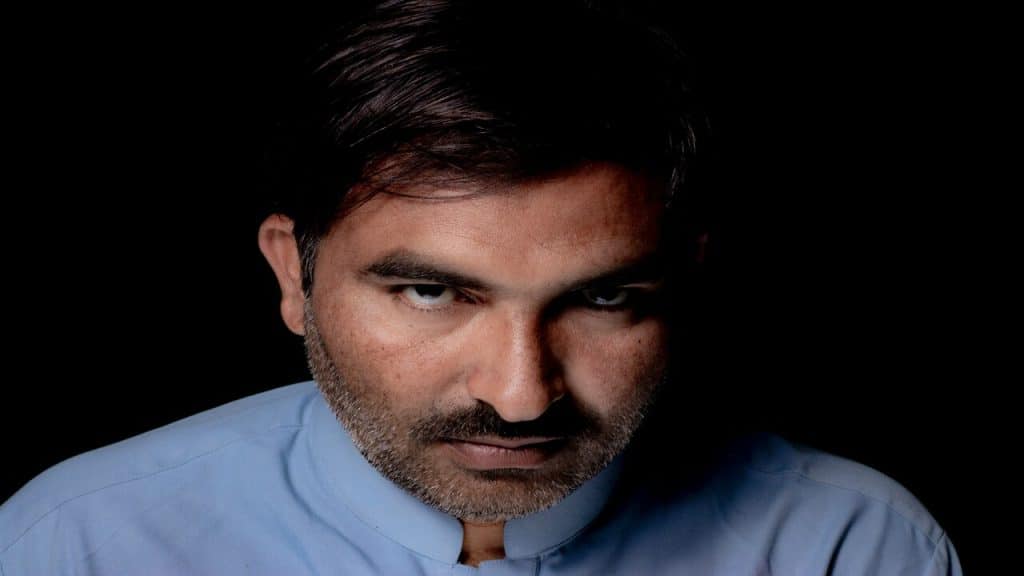
Carrying resentment toward women because of past hurts poisons your mindset. You can’t connect with love if you’re driven by bitterness. Healing doesn’t mean excusing bad behavior; it means choosing not to live under its weight. Let go–not for them, but for you. Every grudge you drop frees up space for growth, peace, and better connections.
17. Avoiding Responsibility for Your Growth

At the end of the day, no one’s coming to save you. Not your parents, not your ex, not society. Weak men wait for ideal conditions; strong men create them. Your growth is your job–and every day you delay it, you hand over your potential. Stop outsourcing your evolution. Build habits, stay disciplined, and take ownership of your story. That’s how you stop blaming and start becoming.








Ask Me Anything