
People often try to control love out of fear, fear of loss, of change, of being hurt again. It starts small, with little corrections and constant check-ins, disguised as care. But control slowly replaces connection. Love thrives in freedom, not restraint. The more tightly it’s held, the faster its warmth slips away.
When Trust Becomes the Foundation

The first step in letting go is realizing that trust is stronger than control. Trust doesn’t mean blind faith; it means believing that love can stand without constant supervision. When partners choose trust over tension, communication becomes honest, not defensive. Love starts to breathe again. Security comes not from control, but from confidence in each other’s intentions.
Freedom Invites Authenticity

Control often forces people to perform instead of being real. When space is given, authenticity returns. Partners stop filtering their words or actions and start showing who they truly are. That honesty rekindles curiosity, the same spark that began the relationship. Love deepens when people can show their full selves without fear of correction.
Listening Replaces Monitoring

When the need to control fades, listening naturally improves. Instead of watching for mistakes, partners begin to hear meaning. Conversations shift from interrogation to understanding. Listening without an agenda creates emotional safety. Love grows in the silence between words, not in the scrutiny of them.
Letting Go Strengthens Emotional Safety

When control drops, partners stop walking on eggshells. Fear of being judged or corrected disappears. Emotional safety allows people to express what they truly think and feel. This openness builds deeper intimacy than control ever could. Love feels secure when acceptance replaces expectation.
Space Doesn’t Mean Distance

Many confuse giving space with drifting apart. But a healthy distance gives love room to expand. When partners pursue their own growth, they return with more to give. Independence feeds curiosity instead of boredom. Space is where love stretches, not where it breaks.
Imperfection Becomes Tolerable

Control thrives on perfection, the need for everything to look and feel right. But love matures when partners accept each other’s flaws. Perfection becomes unnecessary once understanding replaces pressure. The freedom to be imperfect makes affection more genuine. Love that accepts mistakes grows stronger than love that fears them.
Apologies Become Easier

Control resists humility; love welcomes it. When people let go of pride and accept imperfection, saying sorry no longer feels like losing. It feels like healing. Apologies become bridges instead of battlegrounds. Letting go of control turns every disagreement into an opportunity for closeness.
Curiosity Returns

When partners stop trying to predict each other, curiosity takes its place. Questions replace assumptions, and discovery replaces certainty. Control breeds repetition; freedom renews fascination. Love feels alive again when people are genuinely interested in each other’s evolving selves. Growth becomes a shared journey instead of a managed one.
Small Moments Feel Bigger

Without the burden of control, couples begin to notice the little things again, a shared laugh, a kind gesture, a calm silence. These small moments regain meaning. When energy isn’t spent managing, it’s spent appreciating. Simplicity becomes powerful again. Love grows when presence replaces pressure.
Patience Becomes Natural

Control is rooted in urgency, the need to fix, to resolve, to guarantee. Letting go invites patience. People stop demanding instant reassurance and start trusting time. This calm steadiness nurtures emotional maturity. Love grows slowly, and patience gives it the room to unfold fully.
Gratitude Replaces Entitlement
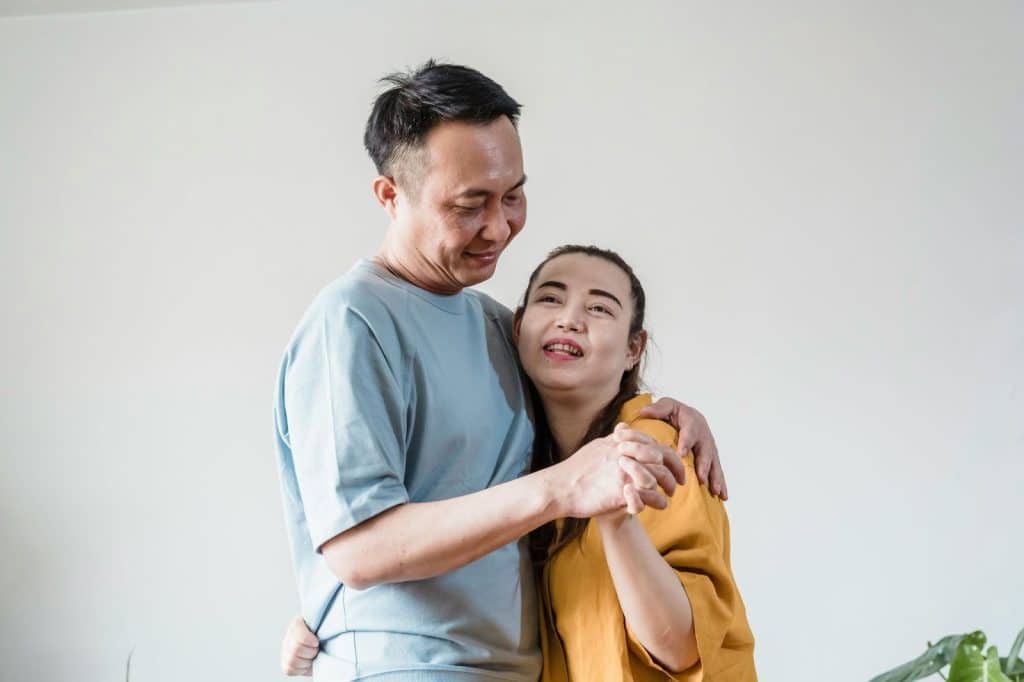
When control fades, appreciation returns. Partners stop expecting and start noticing what’s given freely. Gratitude shifts the focus from what’s missing to what’s present. It turns love into a gift again, not an obligation. The less people demand, the more they receive.
Conflict Feels Less Threatening

In controlling dynamics, conflict feels dangerous, something to win or avoid. But when control disappears, disagreement becomes dialogue. Arguments no longer define the relationship; they refine it. Couples learn to disagree without disconnecting. Love grows when listening outweighs the need to dominate.
Mutual Respect Replaces Power Plays

Letting go of control means releasing the need to always be right. Mutual respect becomes more important than dominance. Both voices matter, even when they differ. Relationships shift from competition to cooperation. Love flourishes in equality, not hierarchy.
Joy Returns to the Relationship

Control drains spontaneity. Letting go brings playfulness back. Laughter stops feeling forced and starts flowing naturally again. When the pressure to manage disappears, joy fills the empty spaces. Love begins to feel light, the way it did in the beginning, only wiser.
Trust Turns into Peace

There’s a quiet peace in knowing you don’t have to control what’s real. When partners trust, insecurity fades. They stop searching for signs of danger and start noticing signs of affection. Peace isn’t the absence of fear; it’s the presence of trust. Love grows strongest in stillness.
Acceptance Replaces Anxiety

Trying to control love breeds constant worry, about the future, about change, about loss. Acceptance dissolves that anxiety. It allows partners to love for today instead of fearing tomorrow. The relationship becomes more grounded and less fragile. Love that’s accepted as it is, not as it’s managed, endures.
Love Feels Like Partnership Again

When control ends, teamwork begins. Both people move together, not against each other. Love becomes something built, not enforced. Mutual choice replaces silent compliance. The relationship stops being about ownership and starts being about shared growth.
Conclusion: Love Thrives When You Trust Its Flow

Love isn’t meant to be directed like a script; it’s meant to be experienced like a song. Control chokes its rhythm, but trust lets it breathe. Letting go doesn’t weaken love, it reveals it. When people stop trying to manage every outcome, affection finds its natural balance. Love grows deepest in freedom, where it’s chosen, not contained.








Ask Me Anything