
Ever wonder how two people who promised forever end up feeling like strangers? You don’t wake up one day and suddenly hate each other. Nobody plans to become distant. But here you are, sitting across from someone you used to know inside and out, and now you’re not even sure what to say to them anymore.
The scary part? You probably can’t pinpoint exactly when things changed. It happened slowly, through a thousand small moments you didn’t think mattered much at the time. But they did. And now the gap between you feels impossible to cross.
1. You Don’t Pick Up on Her Becoming Distant

She stopped texting you during lunch breaks. She goes to bed earlier now, always with a book or her phone. When you ask if everything’s okay, she says “fine” in that way that means everything but fine. And you? You take her at her word and go back to scrolling.
The thing is, she’s been pulling back for weeks or maybe months. But if you don’t pay attention, you miss it. You miss the way she stopped asking about your day with real interest, the way she stopped sharing little stories from hers. By the time you notice something’s off, she’s already halfway out the door emotionally.
2. Date Nights Just Aren’t a Thing Anymore

Remember when you used to actually plan time together? Now it’s all “we should do something soon” followed by absolutely nothing. Weeks turn into months, and before you know it, the only time you’re together is when you’re both exhausted on the couch watching something neither of you really cares about.
She might’ve suggested it a few times early on, but after enough “maybe next week” responses, she stopped trying. And here’s what happens: you become two people who happen to live together instead of two people who choose each other. That difference matters more than you think.
3. You Don’t Enjoy Each Other’s Company Like You Used To

You can be in the same room and feel completely alone. Breakfast happens in silence. Car rides mean staring out separate windows. Even when you’re both home, you’re in different rooms doing different things, and neither of you seems bothered by it.
It’s not that you fight. You barely talk enough to disagree about anything. You’ve lost that spark where being around each other felt like the best part of your day. Now? It feels like obligation. You go through the motions because that’s what married people do, but the actual enjoyment of each other’s presence? Gone.
4. It’s Always Someone Else’s Fault in Your Mind

The kitchen’s a mess because she didn’t have time to clean. You snapped at her because your boss stressed you out. You’re late because traffic was terrible (never mind that you hit snooze four times). There’s always an external reason, never any ownership.
Taking responsibility means being vulnerable enough to admit you screwed up. But when every problem gets deflected, blamed, or explained away, she stops bringing things up altogether. Why bother? You’ll find a way to make it about something or someone else anyway. That kind of accountability gap? It creates a trust problem that’s hard to fix.
5. What You Say You’ll Do Rarely Happens

“I’ll fix that leak this weekend.” (Three weekends ago.) “I’ll call my mom back.” (She’s still waiting.) “I’ll pick up dinner on the way home.” (You forgot. Again.) Promises become white noise when they never materialize into action.
She learns not to count on you, which means she stops asking. She handles things herself, makes backup plans, expects disappointment. And yeah, that works until she realizes she’s basically operating as a single person who happens to be married. Follow-through matters. When your word means nothing, you start to mean less too.
6. She Never Really Knows What’s Going On in Your Head

You could be stressed, angry, sad, excited. Who knows? You definitely won’t say. She has to guess based on body language and sighs, piecing together your emotional state like some kind of detective. And when she asks? “Nothing” or “I’m good.”
Emotional unavailability creates loneliness inside a marriage. She’s supposed to be your partner, but you treat her like an acquaintance who doesn’t need (or deserve?) to know what you’re actually feeling. Eventually, she stops asking. And when that happens, you’ve got two people living parallel lives under the same roof.
7. You Make Jokes When She’s Trying to Be Serious

She brings up something that’s been bothering her, something real, something that matters, and you crack a joke. Maybe you think you’re lightening the mood. Maybe you’re uncomfortable with heavy conversations. Either way, she feels dismissed.
You can’t build intimacy when one person deflects every serious moment with humor. She needs to know you can handle the real stuff, the hard stuff, the “let’s actually talk about our feelings” stuff. When you turn everything into a punchline, she learns her concerns don’t warrant your genuine attention. That’s how you create emotional distance in record time.
8. Physical Closeness Only Happens When You’re in the Mood

You reach for her when you want something, but the rest of the time? Nothing. No hand on her back when you walk past. No kiss hello. No random hug because. Physical affection becomes transactional, a means to an end instead of a way to stay connected.
She notices. Of course she notices. And what she learns is that her body matters to you, but she doesn’t. Touch should be about maintaining intimacy, not pursuing it when you’re feeling a particular way. When affection only shows up with ulterior motives, it stops feeling like affection at all.
9. Your Bad Day Becomes Everybody’s Problem

You had a rough meeting, so now the whole house walks on eggshells. You got cut off in traffic, so dinner comes with a side of irritation. Your mood dictates the entire household atmosphere, and everyone else has to adjust accordingly.
Here’s the truth: adults manage their emotions. They don’t spray their bad days all over the people they love like emotional shrapnel. When she can’t predict what version of you she’s getting based on external factors beyond her control, she stays guarded. She protects herself. Can you blame her?
10. Her Hobbies and Interests Get Eye Rolls

She mentions her book club, and you smirk. She talks about a yoga class she enjoyed, and you make some comment about “finding yourself.” Her interests get treated like silly little diversions instead of things that matter to her, things that make her who she is.
You don’t have to share every interest your spouse has, but you absolutely need to respect them. When you dismiss the things she cares about, you’re dismissing her. She’ll keep doing those things, but she’ll stop sharing them with you. And that’s another piece of intimacy that dies.
11. She Has to Spell Out Every Little Thing That Needs Doing

“Can you take out the trash?” “Can you grab milk?” “Can you remember your mom’s birthday?” She’s not your wife at this point. She’s your manager. And she’s exhausted from it.
Partnership means noticing what needs to happen and doing it without requiring a detailed assignment. When she has to direct every single task, she’s carrying the mental load for two adults. That’s not sustainable. That’s not fair. And eventually, she’ll resent you for making her ask for basic participation in your shared life.
12. Hugs and Kisses Became a Thing of the Past

You used to greet each other. A kiss when you left for work. A hug when she got home. Now? Maybe a mumbled “hey” if you acknowledge each other at all. Physical affection outside the bedroom dried up so gradually you didn’t notice until it was gone completely.
Those small moments of physical connection matter. They’re the deposits that keep your relationship account funded. Without them, you’re running on empty, wondering why everything feels so disconnected. Because it is disconnected. You stopped actively choosing each other in the small, daily ways that actually count.
13. You Miss All the Signals She’s Sending

She mentions feeling tired more than usual (she’s overwhelmed). She comments on how her friend’s husband brought her flowers (she’d love that too). She points out a couple holding hands (she misses that closeness). And you hear words. Random observations. Nothing more.
Women often communicate indirectly, not because they’re playing games, but because they’re testing whether you’re paying attention. When you consistently miss what she’s actually saying underneath her words, she feels unseen. She feels like you don’t care enough to really listen, to read between the lines, to know her well enough to understand what she needs.
14. Certain Conversations Are Completely Off Limits
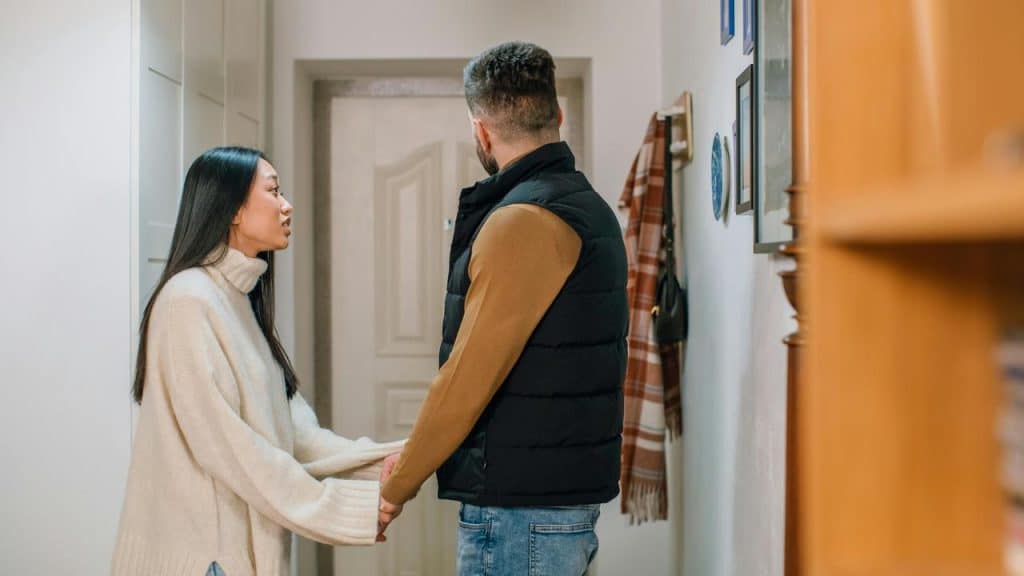
Money? Off limits. Your family? Don’t go there. The future? Too stressful to discuss. You’ve created a relationship where entire topics are banned, which means you’re navigating life with massive blind spots and zero communication about things that actually matter.
Avoiding hard conversations doesn’t make problems disappear. It makes them fester. When she can’t talk to her own husband about significant life issues, she finds someone else to talk to. Or she stops talking altogether. Either way, you’ve built a marriage on a foundation of avoidance, and that never ends well.
15. Your Eyes Glaze Over During Her Stories

Active listening is a basic form of respect and love. When you can’t even give her your attention while she’s talking to you, you’re telling her she’s not worth your focus. She’ll notice. She’ll stop sharing. And you’ll wonder why she never tells you anything anymore.
16. Saying “Thank You” Isn’t in Your Vocabulary Anymore

She makes dinner (again), and you eat without acknowledgment. She picks up your dry cleaning, handles the scheduling, keeps the household running, and none of it gets a “thank you” because somewhere along the way, her contributions became invisible. Expected. Unremarkable.
Gratitude keeps relationships alive. When you stop expressing appreciation for what your spouse does, they feel taken for granted. And feeling unappreciated is one of the fastest ways to build resentment and create distance. Two words, “thank you,” could change everything. But you have to actually say them.








Ask Me Anything