
You handle responsibilities. You show up. You keep things moving. You act like everything is fine because you have people depending on you. Most men are not bad at handling pressure. They are good at hiding it. That habit feels practical because it keeps things moving and avoids unnecessary attention. But emotional suppression does not remove stress. It stores it. Over time, ignored frustrations affect mood, focus, and energy in ways that are easy to dismiss but hard to ignore. If you want to understand why men feel unhappy even when life looks stable, you have to look at what they quietly tolerate.
Constant Work Stress

Work pressure can start as motivation. You push hard, meet deadlines, and carry responsibility without complaint. Over time, that constant demand turns into background tension. You might not call it stress, but you feel it in your patience and focus. This is one of the most common signs of hidden stress in men, especially in midlife. When work never switches off in your head, your mood rarely does either.
Feeling Undervalued at Home
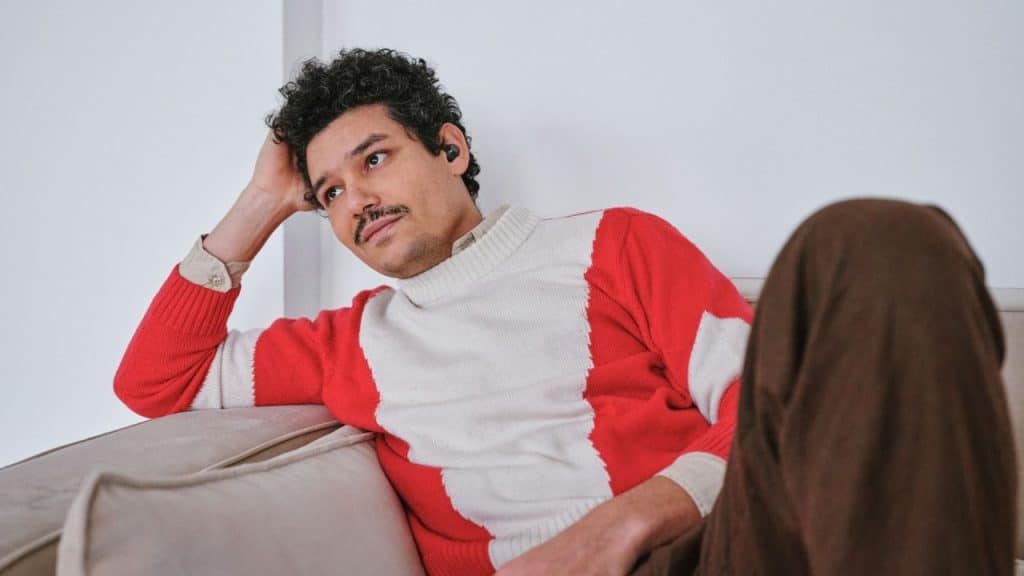
You may not say it out loud, but effort matters. When what you do goes unnoticed, it builds quiet frustration. Many men deal with this through silence, thinking that speaking up will create conflict. That silence often turns into irritability. This is part of the mental load in married men that rarely gets discussed. Appreciation is not about ego. It affects emotional stability more than most people admit.
Financial Pressure

Even strong earners feel financial pressure. You might be doing well, yet still think about long-term security, retirement, or unexpected costs. That steady background worry can affect sleep and concentration. It is one of the common frustrations that men do not talk about. Financial responsibility feels normal, but the mental weight can still grow. When money feels uncertain, mood often follows.
Lack of Personal Time
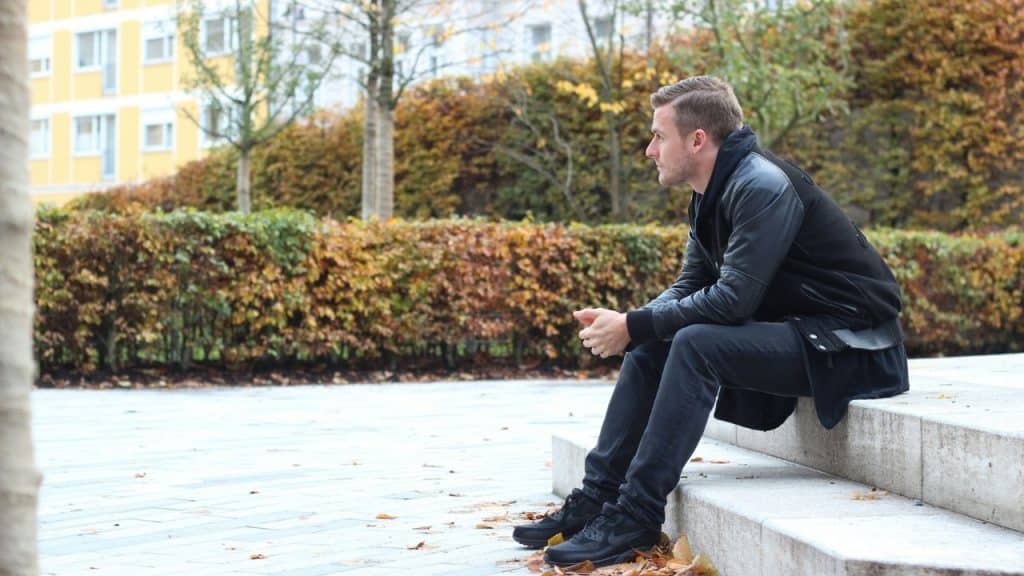
Many men give up hobbies and downtime first. Work, family, and obligations take priority. Without personal outlets, stress has no release. That does not mean you need hours every day. But without some protected time, pressure builds quietly. Emotional health for men depends on recovery, not just responsibility.
Sleep Deprivation

Poor sleep changes everything. It affects patience, focus, and reaction time. You may blame mood problems on work or stress, but lack of sleep often plays a major role. Many men underestimate how strongly rest impacts emotional control. If you are tired most days, irritability is not a personality trait. It is often a signal.
Unresolved Conflict

Avoiding hard conversations may keep things calm for a moment. But unresolved issues do not disappear. They stay in the background and shape how you interact. This can show up as distance, sarcasm, or a short temper. Signs a man is secretly stressed often include avoidance. Addressing problems directly reduces mental clutter and improves stability.
Physical Decline

Changes in strength, weight, or energy can quietly affect confidence. You may not complain, but you notice it. Stress in men over 40 often connects to physical shifts. When your body feels different, your mindset can shift too. Small improvements in fitness often lead to noticeable mood changes. Physical health and emotional health are closely linked.
Comparison With Peers

You see other men advancing, buying property, or reaching milestones. Even if you are doing well, comparison can create dissatisfaction. Why successful men feel unhappy often ties back to this quiet habit. You focus on what is missing instead of what is working. That mental pattern slowly shapes mood. Awareness of comparison is the first step to controlling it.
Feeling Stuck in Routine

Routine brings stability. But without growth, it can start to feel like confinement. Repetition without progress reduces energy and engagement. You might call it consistency, yet feel internally flat. Midlife dissatisfaction often shows up here. Growth does not need to be dramatic, but it needs to exist.
Lack of Recognition

Effort without acknowledgment can drain motivation. Whether at work or home, appreciation reinforces effort. Without it, you may still perform well but feel less connected to the outcome. This is one of the things that quietly affects men’s mood over time. Recognition does not need to be constant. It just needs to exist.
Declining Friendships

Many men lose close friendships as life gets busy. Work and family take priority. Over time, conversations become rare and surface-level. Emotional isolation can happen even in a full household. Strong social connections support men’s mental health more than most men expect. Without them, stress feels heavier.
Suppressed Frustration

Holding everything in can look disciplined. But emotions that are not expressed still remain active. Suppressed frustration often shows up as irritability or low patience. Emotional suppression in men may seem like strength, yet it quietly affects daily interactions. Speaking clearly and calmly prevents buildup. You do not need drama, just honesty.
Health Neglect

Skipping checkups or ignoring warning signs creates background worry. Even if you try not to think about it, the concern remains. Health neglect slowly increases anxiety about the future. Simple actions like regular exercise and routine medical care reduce that tension. When you take care of your body, your mind relaxes.
Overcommitment

Saying yes too often leads to overload. Extra responsibilities reduce recovery time. Over time, constant obligation increases mood instability. You may feel busy all the time, yet feel fulfilled less often. Protecting your time is not selfish. It is necessary for stable performance.
Emotional Isolation

If you never talk about what actually bothers you, pressure builds inside. Many men believe they should handle everything alone. That habit can limit emotional health for men. Even brief, honest conversations can reduce tension. You do not need therapy language. You need space to speak plainly and be heard.








Ask Me Anything