
Dating usually runs on impressions, excitement, and high effort. Marriage runs on reality, routine, and long-term patience. That difference is why married people sometimes do things that would end a relationship in the dating stage. Not because they are careless, but because the commitment creates more tolerance and more complexity. Some behaviours are harmless in context, while others quietly damage intimacy. The point is not to shame marriage, it is to show how standards shift once life is shared. Many couples accept habits in marriage they would have walked away from early on. These are the things that often become “normal” after the wedding, even though they would be dealbreakers while dating.
Wearing Effort Only for the Outside World

During dating, appearance and effort feel intentional. In marriage, some people save their best energy for work, friends, or social events. At home, they become low-effort and distracted. A spouse can start feeling like the least important audience. This would feel insulting in dating because it signals declining interest. In marriage, it often gets excused as comfort. Comfort is fine, but neglect is not. The relationship suffers when home becomes where effort goes to die.
Taking Hours to Reply Like It Is Normal

In dating, long gaps in communication can look like disinterest or avoidance. In marriage, delayed replies are often routine because life is busy and access is constant. The problem is that constant access can create casual disregard. A spouse can feel ignored even while living together. When responsiveness drops too far, emotional connection drops with it. Dating would not tolerate it because it feels like mixed signals. Marriage often tolerates it until it becomes a pattern of emotional distance.
Talking More About Logistics Than Feelings

Dating usually includes curiosity, emotional discovery, and deep conversation. Marriage can turn talk into schedules, chores, money, and kid logistics. That shift is understandable, but it can become extreme. A spouse stops feeling desired and starts feeling managed. In dating, this would feel like boredom or lack of connection. In marriage, it becomes normal until intimacy dries up. Emotional conversation is not optional long-term. Without it, the relationship becomes functional but empty.
Letting Small Disrespect Slide “Because That’s Marriage”
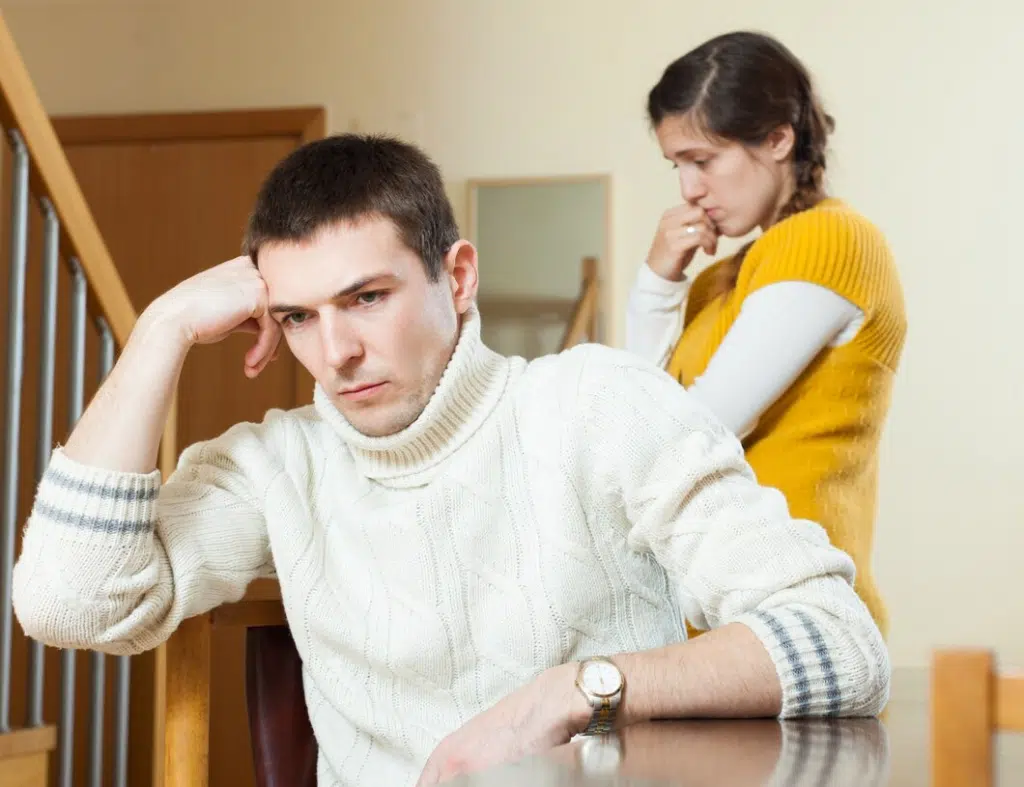
In dating, sarcasm, harsh tone, and constant correction would feel like a red flag. In marriage, these can become normalised under stress. People start speaking to their spouse in ways they would never speak to friends. The excuse becomes familiarity or frustration. Over time, disrespect erodes safety and attraction. Dating would end it quickly because the cost feels immediate. Marriage often tolerates it because of history and shared responsibilities. That tolerance can become a slow relationship killer.
Only Trying Hard After a Threat to Leave
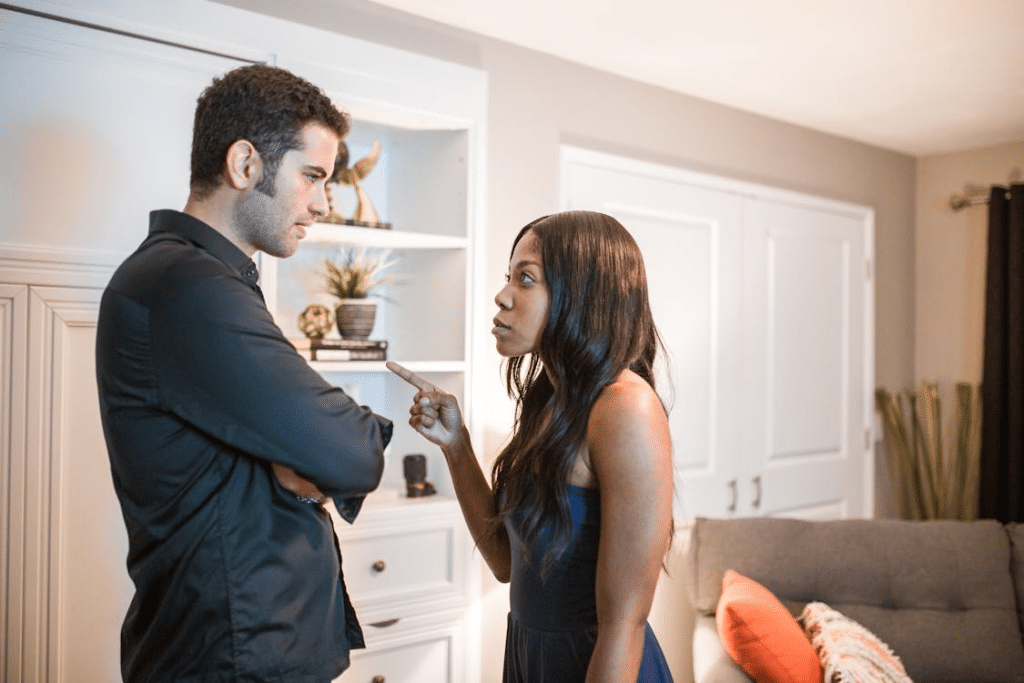
In dating, sudden improvement only when someone is upset would feel manipulative. In marriage, many couples fall into a cycle of neglect and panic. One spouse stops feeling important, so they pull away. The other notices only when things feel at risk. Then effort temporarily increases, followed by a return to old habits. Dating would call this unstable and exit early. Marriage often stays in the cycle for years. Love cannot survive on emergency effort alone. Consistency is what keeps someone feeling chosen.
Treating Intimacy Like a Negotiation

In dating, intimacy usually feels mutual and spontaneous. In marriage, it can become transactional, scheduled, or tied to mood and chores. That shift can make one spouse feel desired only when convenient. The other spouse may feel pressured or emotionally disconnected. Dating would see this as incompatibility. Marriage often treats it as “normal” and stops addressing it directly. The longer it lasts, the more resentment grows. Healthy intimacy requires emotional presence, not bargaining.
Giving Better Manners to Strangers Than to a Spouse

Dating tends to bring politeness because people want to impress. Marriage can bring impatience and bluntness because the partner feels “safe.” The problem is that safety should create softness, not carelessness. Eye-rolling, dismissive replies, and harsh tone would end many dating relationships quickly. In marriage, it often gets excused as stress. Over time, the spouse receiving it feels devalued. Courtesy is a form of respect, not a performance. The relationship suffers when manners disappear at home.
Over-sharing Marriage Problems With Friends or Family

In dating, discussing private issues with outsiders too early would feel like a breach of trust. In marriage, people often vent to friends, parents, or siblings when frustrated. Venting can be normal, but it becomes damaging when it replaces direct communication. Outsiders gain a negative image of the spouse that never fully resets. The spouse can feel exposed and betrayed. Dating would see this as immature conflict handling. Marriage sometimes normalises it until loyalty feels shaky. Privacy protects intimacy.
Assuming the Other Person Will Always Pick Up the Slack
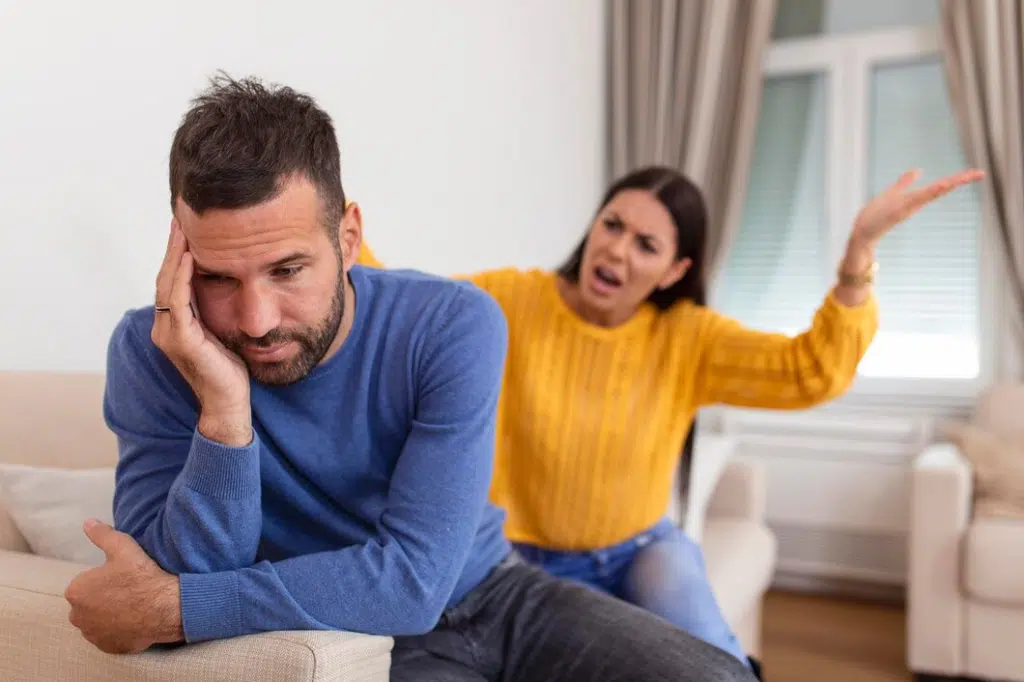
In dating, consistent laziness or imbalance usually ends the relationship fast. In marriage, one partner often becomes the default manager of life. The other “helps,” but only when asked. This creates a parent-child dynamic that kills attraction. The overburdened spouse feels used and unseen. Dating would identify the pattern early and leave. Marriage often tolerates it because there is too much shared life to walk away easily. Unequal load is one of the biggest slow-burn dealbreakers.
Avoiding Hard Conversations for Months or Years
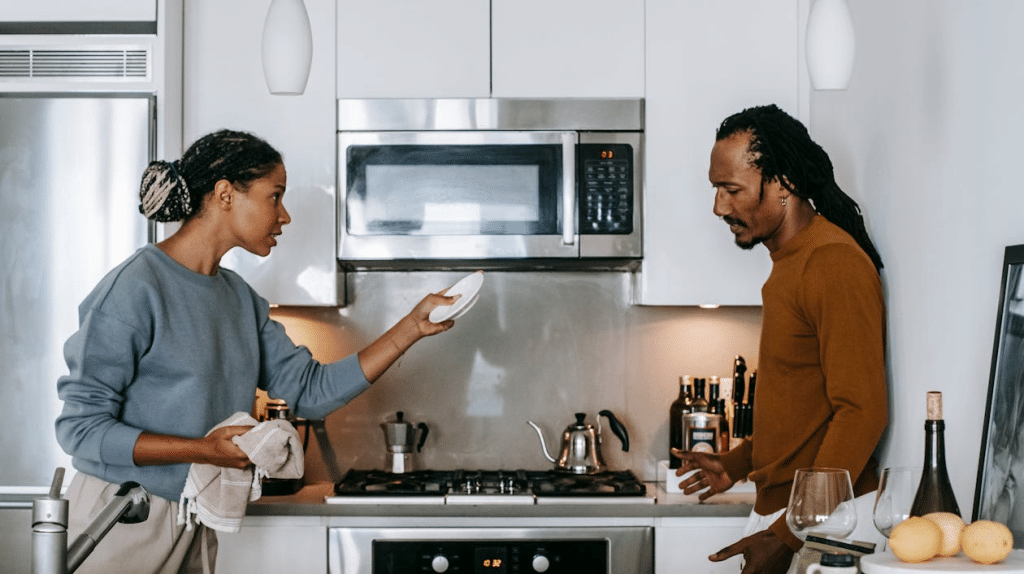
In dating, avoidance makes a relationship feel unstable. In marriage, avoidance can look like peace, but it is usually emotional debt. Couples postpone talks about money, intimacy, resentment, or parenting because they do not want conflict. The silence builds pressure under the surface. Dating would interpret this as incompatibility and move on. Marriage often delays until the relationship becomes a crisis. Avoidance is not stability, it is postponement. Repair gets harder the longer truth is delayed.
Stop Dating Each Other and Calling It “Normal”

In dating, not planning time together would feel like fading interest. In marriage, it often becomes “we’re busy” and then becomes permanent. Dates disappear, fun disappears, and connection becomes rare. The couple becomes roommates who share responsibilities. Dating would call this a dead relationship. Marriage often tolerates it because the bond still exists in theory. But theory is not enough to feel loved. Intimacy needs protected time.
Checking Out Emotionally While Still Being Physically Present

Dating would quickly end if one person seemed emotionally absent. In marriage, emotional absence can hide under routine. A spouse may come home, sit down, and be “there,” but not truly present. Conversations stay shallow, curiosity is low, and responsiveness fades. The other spouse starts feeling lonely in the same room. Dating would see this as lack of interest. Marriage sometimes accepts it as tiredness until it becomes normal. Emotional presence is what makes commitment feel real.
Making Big Decisions Without Real Collaboration

In dating, a partner making unilateral decisions would feel controlling or incompatible. In marriage, some couples slip into “I already decided” habits. It might be finances, family plans, career moves, or parenting decisions. The spouse left out feels disrespected and unsafe. Collaboration is a core feature of partnership. Dating would walk away because the imbalance is obvious. Marriage sometimes tolerates it because conflict feels exhausting. But long-term, it breeds resentment.
Keeping “Grey Area” Friendships That Create Doubt

In dating, close friendships with unclear boundaries often end relationships. In marriage, these friendships can continue under the excuse of trust. Trust matters, but so do boundaries. Even if nothing physical happens, emotional intimacy elsewhere can feel like betrayal. The spouse can feel replaced emotionally. Dating would see it as disrespect and leave. Marriage sometimes tolerates it to avoid being seen as controlling. A healthy marriage protects clarity and loyalty.
Turning Conversations Into Criticism by Default

In dating, constant criticism feels like dislike. In marriage, it can become a habit because of daily friction. Comments about how things are done, how someone speaks, or how they live can pile up. The spouse starts feeling like they can never win. Dating would end because the environment feels hostile. Marriage often endures it because it becomes “normal communication.” Over time, criticism kills warmth. Warmth is necessary for long-term closeness.
Using Silence or Withdrawal as a Weapon

In dating, the silent treatment is a clear red flag. In marriage, withdrawal can become a common conflict style. One spouse shuts down, stonewalls, or avoids, and the other feels abandoned emotionally. This dynamic creates insecurity and resentment. Dating would likely end because the lack of repair feels unsafe. Marriage can stay in it for years, calling it “just how they fight.” Silence trains emotional distance. Distance becomes the culture if not addressed.
Letting Routine Kill Compliments and Affection

In dating, people naturally give affirmation and affection to build closeness. In marriage, those habits can fade because love is assumed. The spouse starts feeling unattractive or unnoticed. Small compliments and touches stop happening unless prompted. Dating would interpret this as loss of interest. Marriage often tolerates it because commitment remains. But commitment without affection feels cold. Affection is not childish, it is necessary.
Keeping Score and Treating Love Like a Contract

In dating, scorekeeping feels transactional and insecure. In marriage, it can appear when resentment builds and appreciation disappears. Partners track who does more, who sacrifices more, and who owes what. This kills generosity and softness. Dating would likely end because it feels exhausting. Marriage can stay stuck because the shared life makes it hard to exit. But scorekeeping slowly poisons connection. Healthy marriage is teamwork, not bookkeeping.
Staying Together While Secretly Planning an Emotional Exit

In dating, emotional detachment usually ends the relationship quickly. In marriage, people sometimes stay physically present while mentally leaving. They stop trying, stop hoping, and start imagining life without the spouse. The marriage becomes a shell that functions but does not connect. Dating would treat this as an obvious ending. Marriage can drift into this slowly because responsibilities keep it going. The danger is that the emotional exit becomes permanent before anyone admits it. A relationship cannot survive long-term without engagement.








Ask Me Anything