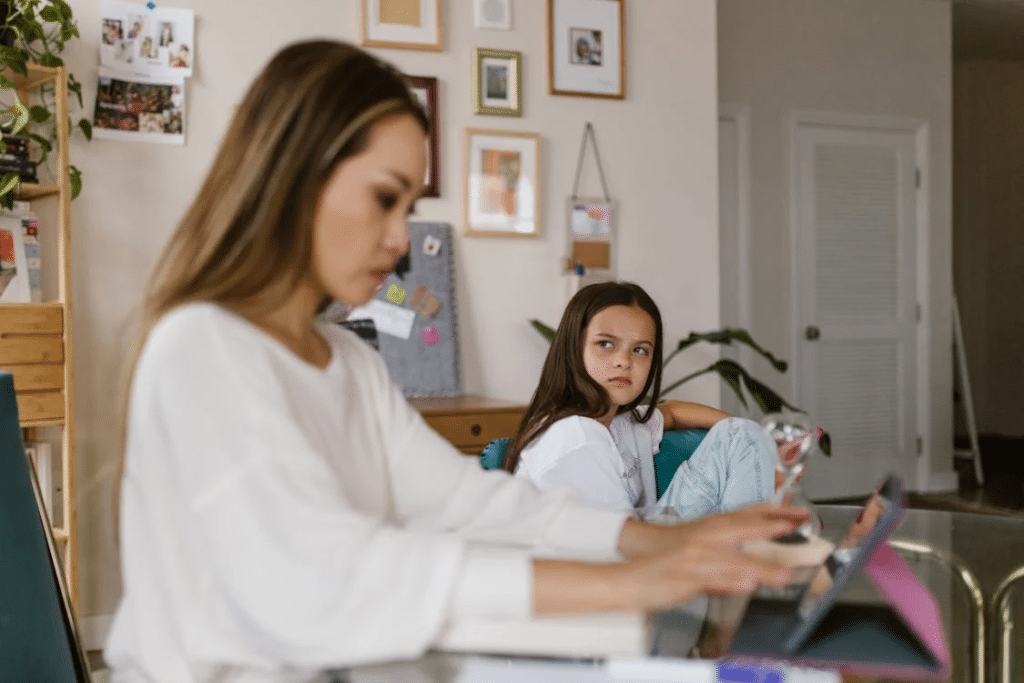
You think it’s just dinner, but your kids are quietly reading between every line. Every laugh, glance, and silence says something to them. Kids notice everything, especially after a breakup or divorce. They can sense tension before a word is spoken, pick up on fake smiles, and know instantly when something feels off.
Bringing someone new home is how she fits into theirs. Kids pay attention to tone, body language, and even how you act when she’s around.
How Comfortable You Seem Around Her
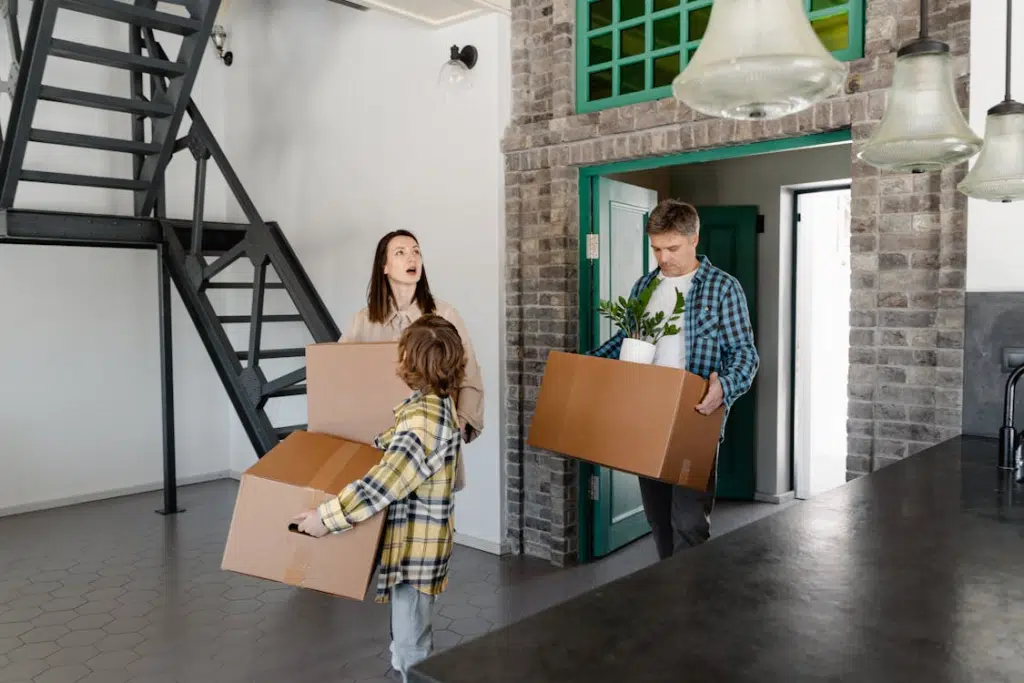
When you act stiff, nervous, or like you’re playing a role around her, your kids sense it. Experts say children can detect inauthentic behaviour more quickly than adults. Be natural and let them see the real you. If your nerves show, it raises red flags in their minds and you lose credibility. Their comfort depends on your comfort. Act like your usual self.
Whether She Tries Too Hard

Your new partner being overly sweet, trying to win the kids like a contest, screams “off-balance” to them. It’s like she’s auditioning for a role instead of showing up genuinely. Kids don’t miss that.
Experts on blended-family dynamics warn that pushing affection too quickly can backfire. Your kids may dig in their heels or pull away just to protect their space. Let her show up as she is, not what she thinks the kids want.
How Much Attention You Give Her vs. Them
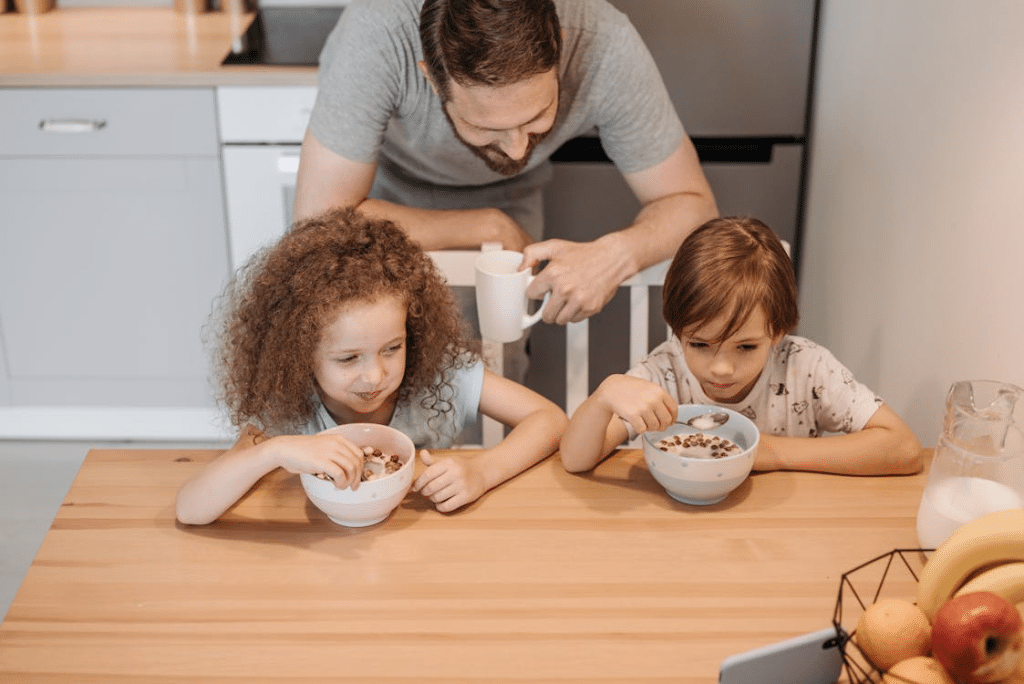
Pros say parents introducing new partners must reassure kids they’re still the priority. Show they matter just as much as this new relationship matters. It’s balance. Let the kids see you with her and still with them, so they don’t feel replaced.
The Way She Talks to Them
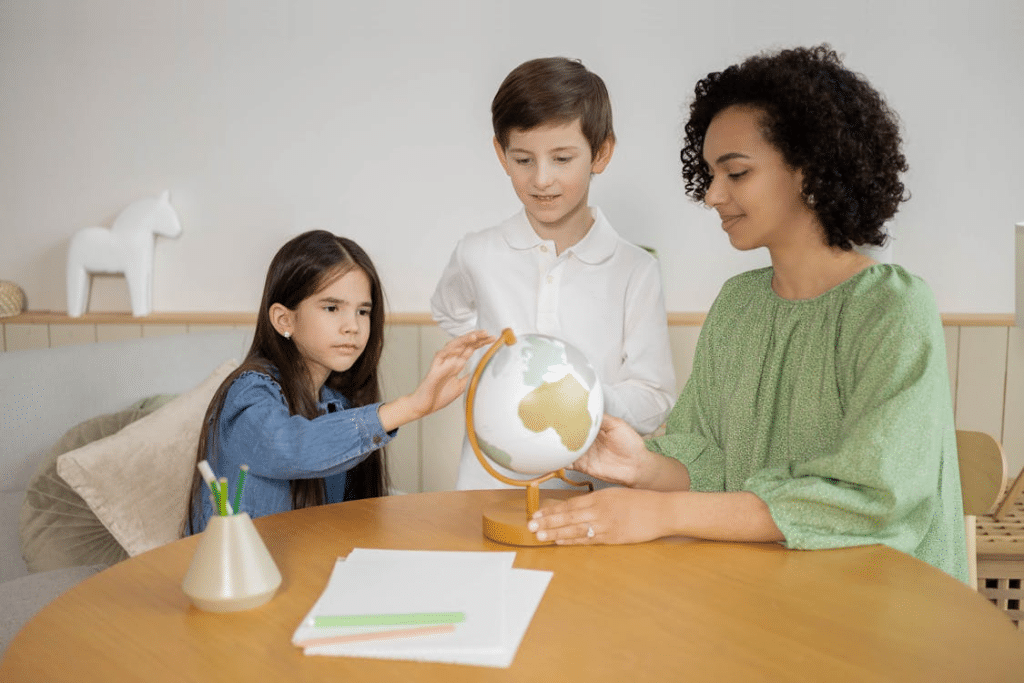
Tone kicks more than words. If she says “nice to meet you” but sounds like she’s reading off a teleprompter, the kids know. Development experts say children pick up emotional authenticity in interactions. Watch how she talks. Does she ask about their day or just smile and wait for the next cue? Real connection takes starters like listening, eye contact, and jokes they get.
Her Reaction to Your Ex or Co-Parent Mentions

Kids listen. If she rolls her eyes or makes it awkward, they’ll write a mental note: “She doesn’t get this world I live in.” Experts say how new partners handle former parents is a litmus test for maturity. Let her stay calm, respectful, and neutral when your kids bring up their other parent. That gives them safe space.
If You Act Different When She’s Around
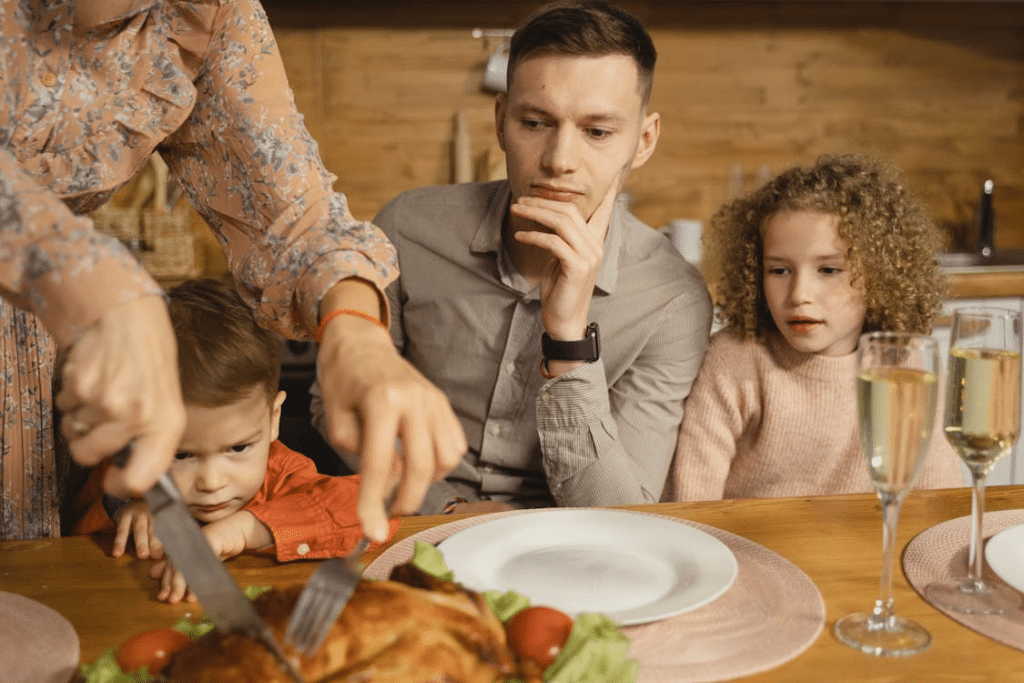
You’re cool with the kids, joking, and relaxed, then she walks in and suddenly you’re stiff, or tone changes, or humour disappears. They notice the change. That inconsistency makes them uneasy. Experts suggest consistency in parenting behaviour helps kids feel secure. Keep your voice, laughter, rhythm the same when she’s around. Don’t switch characters.
How She Treats the House or Their Space
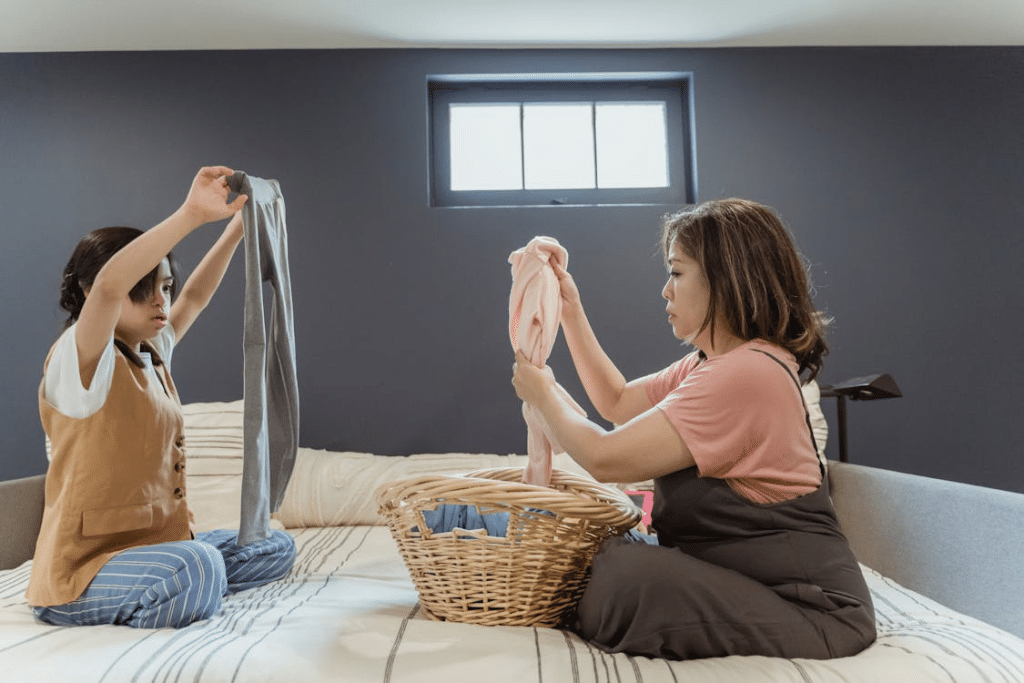
If she rearranges stuff, sits in “their” chair, or treats the home like hers already, it sends a message: “He brought someone who doesn’t get me.” Psychology reviews say respecting boundaries matters a lot in blended-family success. Make sure she knows the unofficial rules and boundaries before long. It shows the kids you’re still in their corner.
Whether She Acknowledges Their Feelings
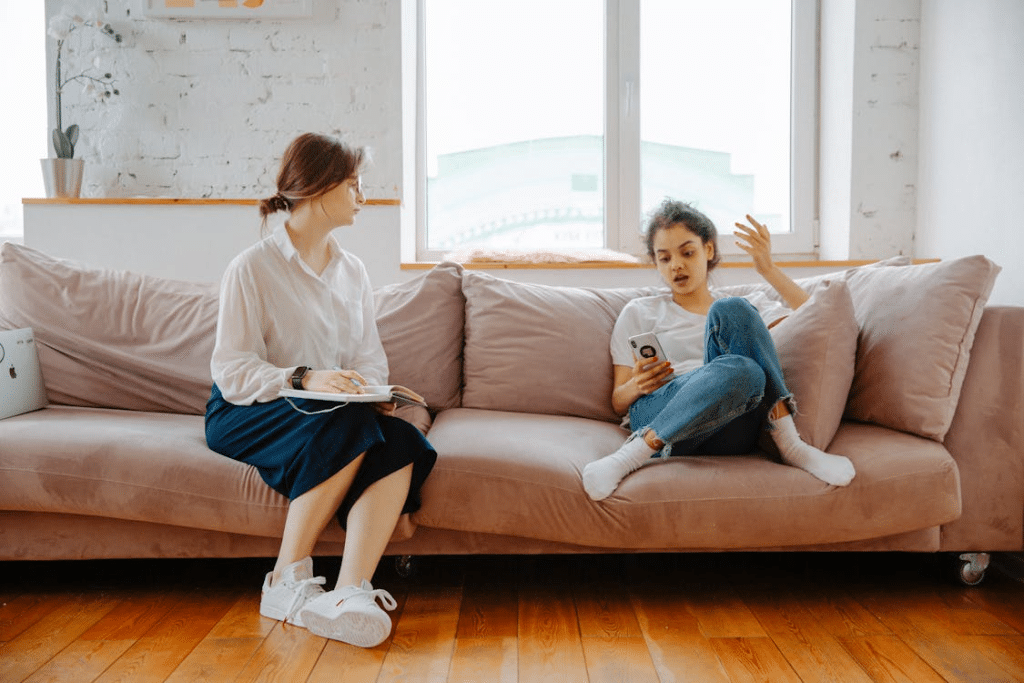
Big shifts hit kids hard emotionally. If your new partner ignores or minimises their feelings, they shut down. Experts say children need their feelings validated during big changes. Watch for cues: withdrawal, silence, change in mood. If she sees and responds to that, things go smoother. If she doesn’t, expect resistance.
How Long You Spend Alone Together

If you start disappearing for “couple time” too early, your kids will take it personally. Less alone time early on may help them adjust. According to some experts, substantial private time with a new partner should be put off until the kids feel settled. While you want to build chemistry, keep visible solo time with the kids. Let them see you’re still there.
Her Body Language
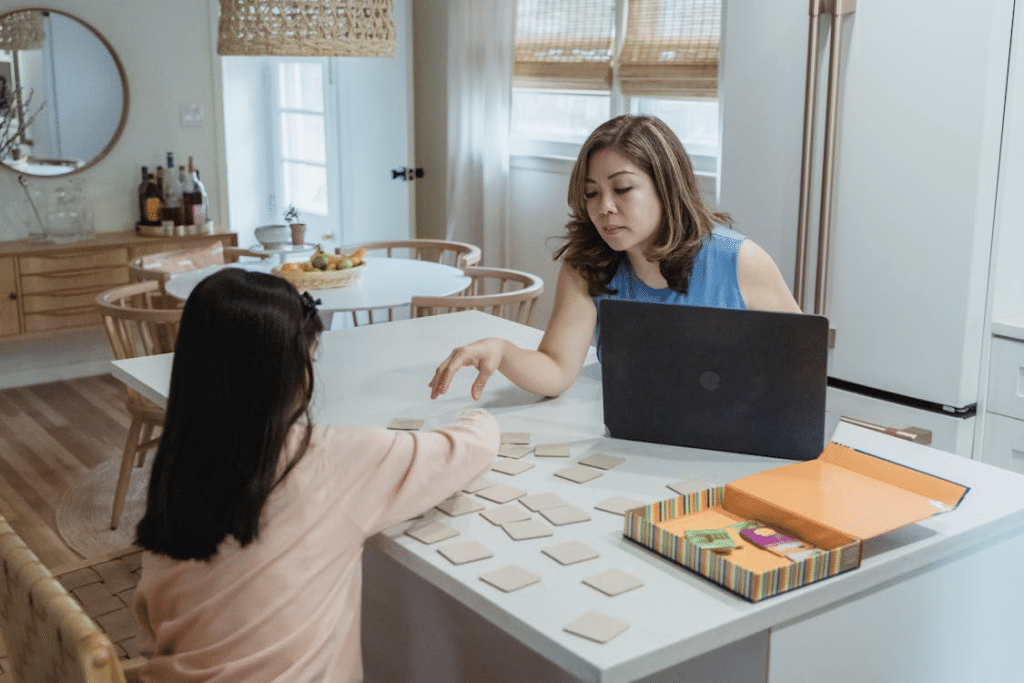
Kids read more than we think. Crossed arms, fake smiles, and bored stares say something. If she’s physically closed off or seems uneasy, the kids pick up on the mismatch. Researchers note that non-verbal cues matter hugely in how children judge adults. Your partner should aim for relaxed posture, real smiles, and openness in the kids’ space.
What You Say About Her After She Leaves

Kids listen to your offhand comments and build stories. Clarity and consistency in how you talk about your partner shape how kids accept them. Avoid passing comments. Treat her status seriously or keep it casual with honesty. Don’t send mixed signals.
If She Tries to Discipline Them

Big warning sign. If she jumps in and starts correcting the kids before she’s earned permission or formed trust, they’ll dig in and you’ll have to clean up the fallout. Child-psychology advice suggests new partners should not assume disciplinary roles early on. Set boundaries: she’s a guest, you’re the parent. Later, maybe more. But early on, keep it friendly. Discipline is yours.
How She Treats Family Traditions
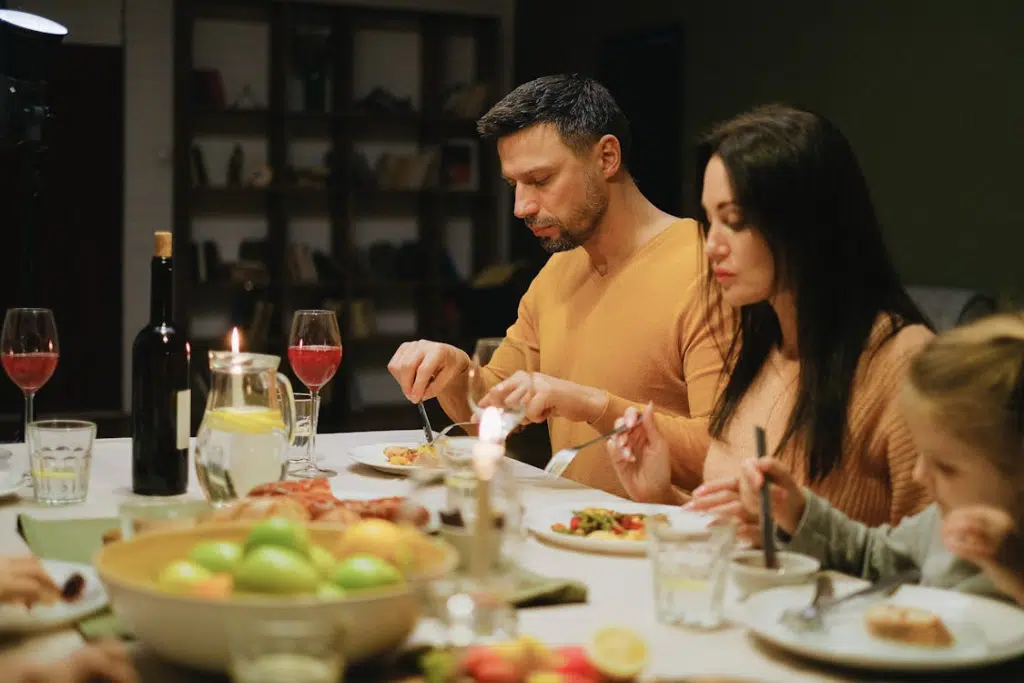
Your kids have their routines. Movie night, Saturday pancakes, and Sunday game. If she dismisses or changes those too fast, they’ll feel like their world’s unraveling. Preserving children’s routines during transition offers emotional stability. Show that their traditions still matter.
Whether You Still Prioritize Their Routines

They’ll observe whether you drop everything for her, or whether you still have “kid time” blocked in your calendar. Relationship advice for dating with kids puts this front and centre. Go on dates, but make sure your child-side commitments stay intact. Let them see you value their world too.
How You Respond to Their Reactions
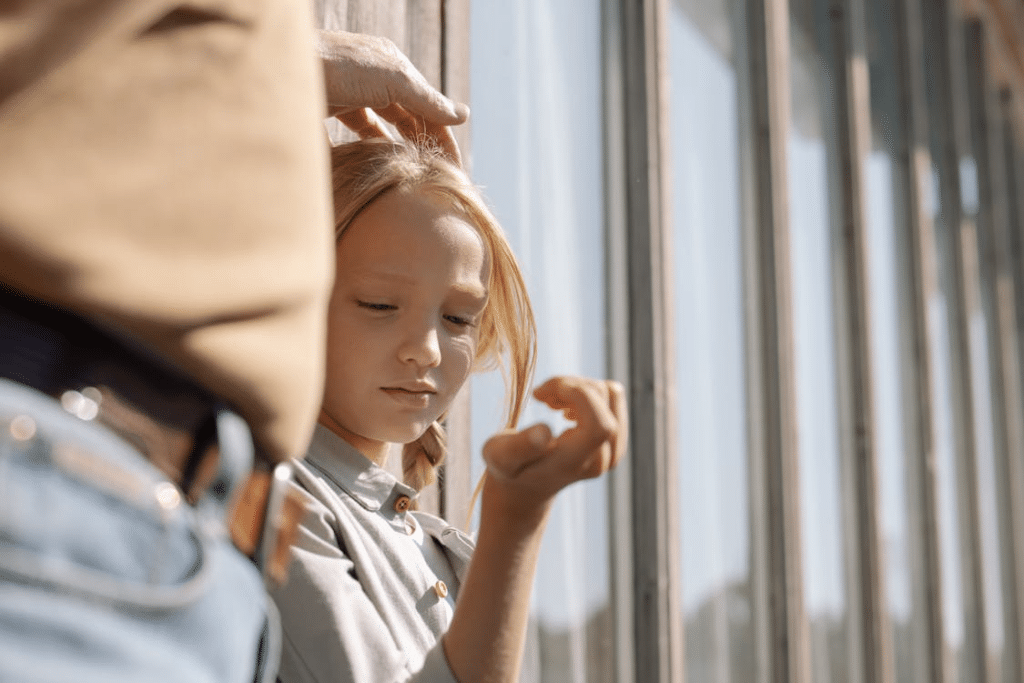
If a kid pulls back, gets quiet, and acts out, what do you do? If you get defensive, dismiss them, force the issue, they’ll shut down. If you listen, validate, and say “I hear you,” you build trust. Experts stress emotional responsiveness in blended families. When your kid gives you the silent treatment, take a breath. Ask: “What’s up?” Instead of “You’ll like her, deal with it.” That’s the difference.
Whether She Seems Long-Term or Temporary
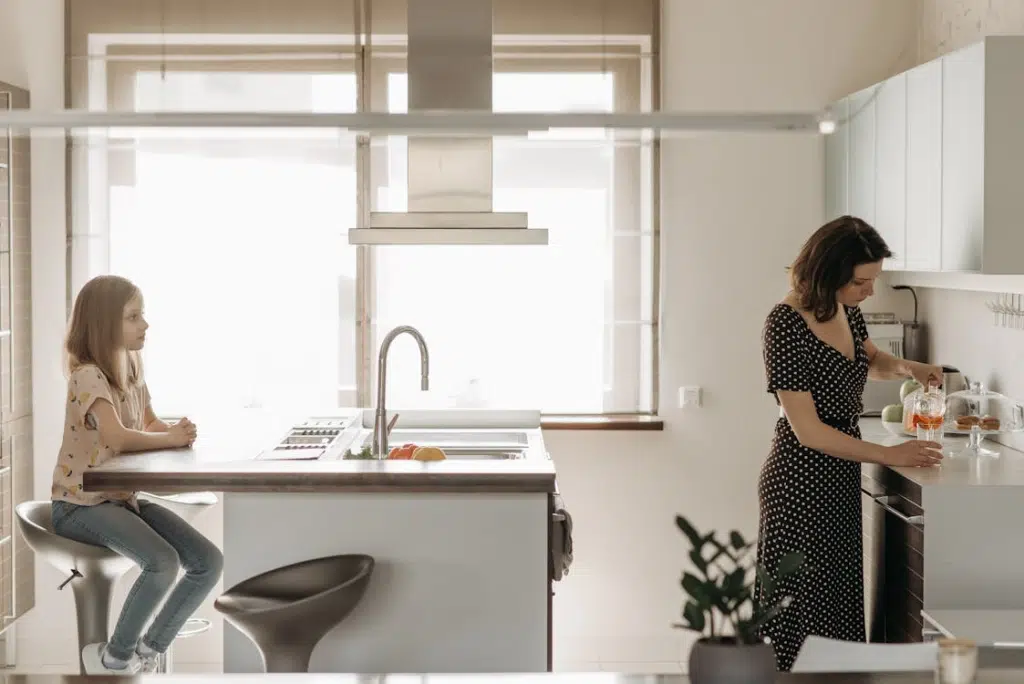
Kids don’t believe your every word. They watch your behaviour for clues: does she live here often? Is she “just a friend” or “someone serious”? If your partner seems temporary, the kids act accordingly. Psychology guides say children struggle when adults treat relationships as transient. If you’re serious, act serious. If you’re not ready, don’t pretend. They’ll figure it out anyway.
How Happy You Actually Look
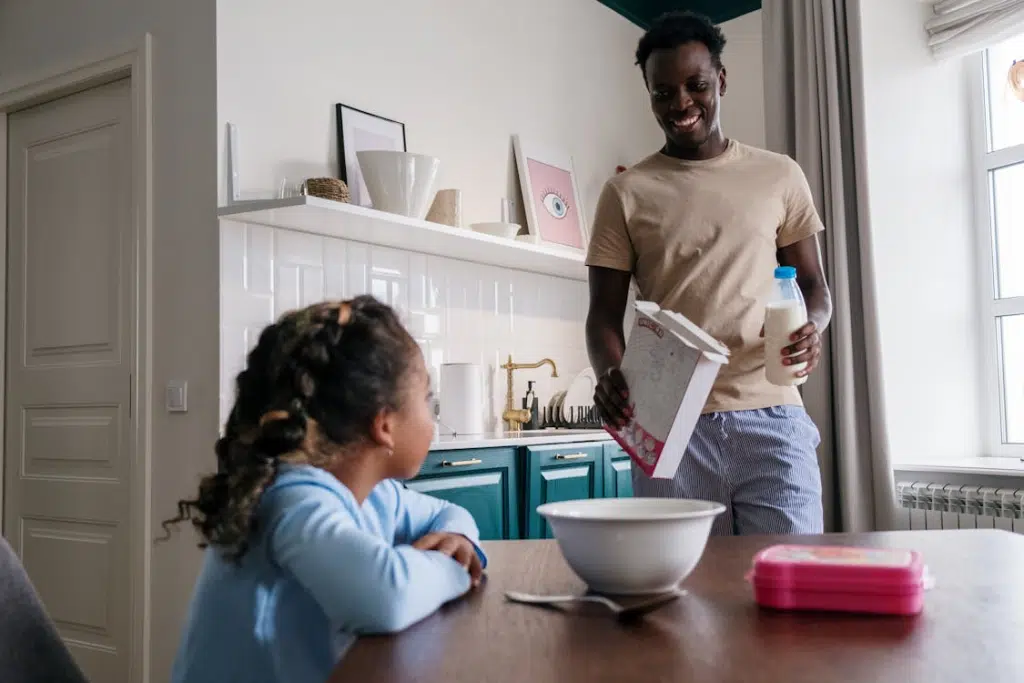
You might think you’re hiding your stress, your leftovers of the past, but your energy gives it away. Kids feel it. If you seem lighter, calmer, actually happier, they’ll take comfort. Research on dating with kids says kids pick up on your mood faster than you think. Make sure you’re doing this for you. Your genuine smile is the best signal that you’re ready for them to join in.








Ask Me Anything