Here are 8 tips for updating your skincare routine with a sustainability-focused mindset.

Whether you’re a seasoned skincare pro or a beginner, it’s worth thinking about ways to make your routine more sustainable.
You’ve probably heard a lot of buzz regarding sustainability, and for good reason! Being more sustainable really does help the planet and, by extension, your fellow humans.
It’s easy to feel overwhelmed when thinking about sustainability. There are so many possible ways to increase your sustainability.
To make things more difficult, people often only talk about the big, dramatic ways to be more sustainable. These actions — like installing solar panels and going vegan — are great if you can do them. However, they’re not practical or even possible for everyone.
The truth is that it’s impossible to be 100% sustainable. But it’s very possible and surprisingly easy to make huge improvements that do make a difference.
Ultimately, the goal of sustainability is to build better habits and spread awareness. It’s about doing what you can, where you can. That even applies to skincare, which is what we’ll be looking at in this article.
What Does Sustainability Actually Mean?
Unfortunately, sustainability has become a buzzword for many people and brands, so we first need to identify a specific meaning.
Here’s how the Environmental Protection Agency defines sustainability:
“To pursue sustainability is to create and maintain the conditions under which humans and nature can exist in productive harmony to support present and future generations.”
It’s easy to see how this definition applies to much larger sustainability issues like climate change. However, we can apply this definition to our daily lives as well.
It might seem weird to think that the way you do skincare can affect the environment, but it’s true. By making a few small changes, you can make a surprisingly large impact.
Ethics & Sustainability
Before you make any adjustments to your skincare routine, there are a couple of important things to understand.
First, enhancing sustainability involves buying less and being more intentional when you do make purchases. In other words, the best way to make your skincare routine more sustainable is to buy as little as possible.
However, this doesn’t mean you should go without skincare. You should definitely buy what you need, but you should be deliberate about your purchases. Make sure what you’re buying is sustainable, and only buy a new product when you run out.
Second, ethics are often wrapped up in sustainability conversations. Depending on your personal stance, you might also want to take ethics into consideration. If you do, make sure you do your homework and look for certifications like Fair Trade and Leaping Bunny.
8 Ways To Make Your Skincare Routine More Sustainable
Here are some tips to incorporate into your routine to make it more sustainable:
Buy Fewer Products
This is the most effective — and easiest — way to make your skincare routine more sustainable. It sounds easy enough, but in practice, it’s actually quite tricky to implement.
The key is to plan your purchases and keep track of your supply of each item. This way, you can ensure that you don’t just buy more of what you already have. It can also help you avoid repurchasing something you just bought.
Avoid Plastic When You Can
Plastic is extremely harmful to the environment, but it’s also extremely hard to avoid. Thankfully, more brands are prioritizing plastic-free packaging.
In this category of sustainable packaging, it’s most common to see glass. Glass — especially recycled glass — is an overall excellent material choice that’s much less harmful than plastic. Of course, it can more easily get damaged in transit, but most brands mitigate this issue with careful packing.
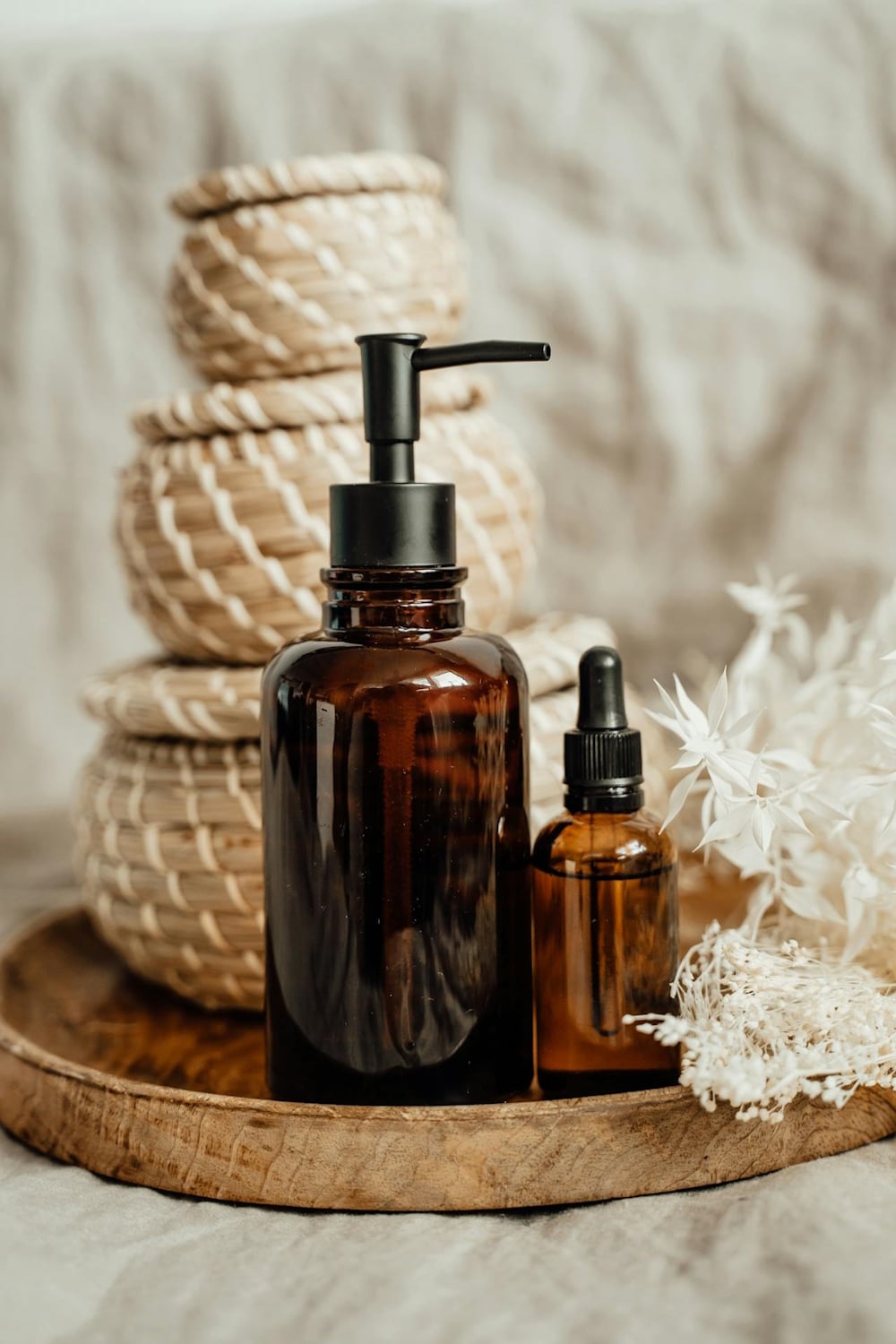
That said, don’t feel like you have to completely avoid plastic. Ultimately, it’s more important to buy something that you’ll actually use, even if the packaging isn’t the best.
Go Reusable
Another simple way to improve your sustainability is to cut down on single-use items as much as you can. With skincare, this is still a little difficult, but it’s becoming easier thanks to more brands offering reusable options.
Reusable skincare products cut down on packaging by shipping refills instead of entirely new products. Of course, there’s still packaging involved, but it’s significantly reduced.
You should also consider reusable skincare accessories. This is where you can make a much larger impact. For example, consider buying reusable cotton rounds instead of disposable ones.
Opt For Bars
If you’re not already a bar person, you might want to think about making the switch.
Bars are all around better than liquids for many reasons. For one, bars don’t require plastic containers. Bar products also usually require much less energy to produce, and they often last longer than liquids too.
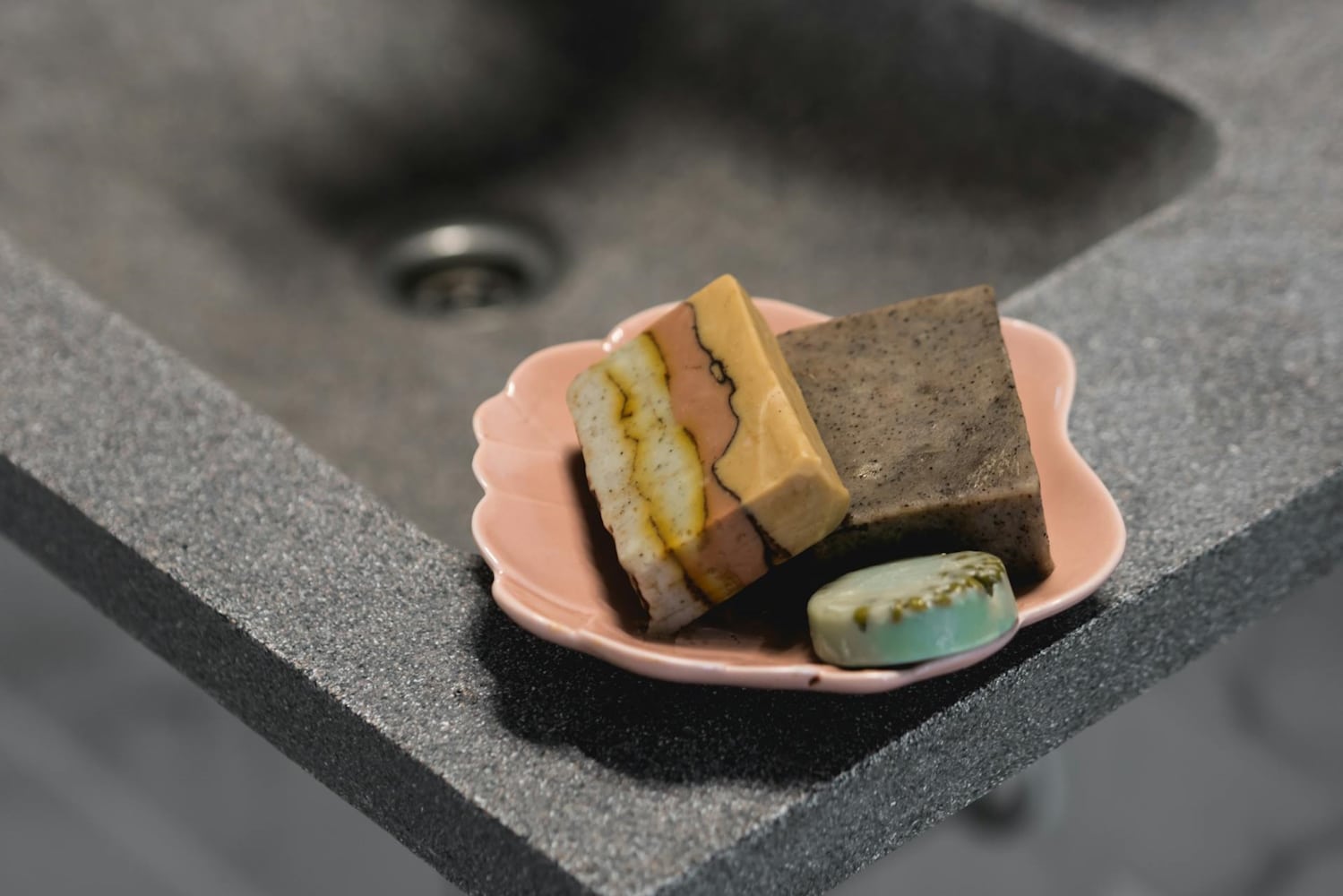
Obviously, this applies to soap, but many other products are now made in solid forms. You can find everything from shampoo bars to cleansers in solid form.
Consider Multipurpose Products
The right multipurpose products can help you simplify your skincare routine and make it more sustainable. As a caveat, note that not all multipurpose products are equally effective, so you’ll want to do some research first.
Here are a few types of multipurpose products to look out for:
- Moisturizers with SPF
- Products with anti-acne ingredients
- Multi-vitamin serums
You can also explore using natural substances like tea tree oil that can play multiple roles in your skincare routine.
Monitor Your Water Usage
We often take water for granted. However, it’s critical to keep an eye on how much you’re using — and how you’re using it.
Water waste is a huge issue that’s becoming more and more pressing. Thankfully, you can easily mitigate this simply by turning off the water when you’re not actively using it.

You can also outfit your taps with low-flow aerators, which can help save hundreds of gallons per year.
Buy From Sustainable Brands
When you do buy, make an effort to support sustainable brands. But don’t just buy from any brand that says it’s sustainable. Make sure the brand is taking action.
You can start by seeking out brands with dedicated sustainability pages on their websites. Investigate the pages and see how thorough they are. You can also look for certifications like B Corporation, Ecocert, and Rainforest Alliance.
Avoid Harmful Ingredients
When it comes to which ingredients are bad for the environment, there’s a lot of debate. In general, it’s better to err on the side of caution and avoid any shady ingredients. Of course, this is ultimately a personal preference, but you should at least research the main culprits.
First, let’s talk about plastics, specifically microplastics.
Plastic is used for just about everything, so it’s little surprise that there’s plenty of it in skincare. However, you won’t find plastic on the ingredients list, so you need to know what to watch out for.
Most often, plastic takes the form of different polymers or other petroleum-based ingredients. Basically, if you see an ingredient with “poly” in its name, there’s a good chance it’s plastic.
Microplastics are even trickier than regular plastics. These are plastic particles smaller than 5mm long, which makes them hard to detect — especially when they’re mixed into products. Some can be seen with the naked eye, but others cannot.
Microplastics are most commonly used in exfoliators. Of course, a product will never say that it has microplastics, so you’ll need to dive deeper. Here are some names of common microplastic ingredients:
- Polyethylene (PE)
- Polypropylene (PP)
- Polymethyl methacrylate (PMMA)
- Nylon (PA)
- Polyurethane
- Acrylates Copolymer
Beat the Microbead is a great resource for investigating microplastics in skincare. The site helps you check your products for microplastics and also maintains a list of microplastic-free products. There’s even an app if you want to have easier access to all the information.
Small Steps To Sustainable Skincare
Remember, you don’t have to make huge changes to be more sustainable. You can start small and make incremental changes. That said, many of these changes are accessible and easy to make.
A good way to start is to take stock of what you already have and use that information to observe your buying habits. For example, do you stock up on specific products even if you don’t need to? This simple step can help you get started on the path to more sustainable skincare.
Want more style guidance for holidays and formal events? Subscribe to our newsletter to join this community of stylish men!







Ask Me Anything