
Men often think of appearance in terms of noticeable changes, new clothes, a haircut, or a shift in style. Yet much of how a man is perceived comes from quieter cues that rarely stand out on their own. Grooming details operate below the surface, shaping impressions through consistency rather than visibility. These subtle signals influence how others read effort, self-awareness, and care long before specific choices are identified. The following slides shows how small grooming habits influence men’s overall appearance over time, revealing why details that seem minor individually can shape perception in lasting ways.
Appearance Is Shaped Over Time

Personal appearance is rarely defined by a single choice or moment. Instead, it develops through small, repeated habits that gradually form an overall impression. Grooming details often work quietly in the background, influencing how someone looks without drawing attention to themselves. These details may seem minor on their own but tend to accumulate over time. The impact is usually subtle rather than dramatic. In many cases, others notice shifts in appearance before the individual does.
Why Small Details Matter More Than Big Changes

Major appearance changes often stand out briefly, while small details shape long term perception. Grooming habits such as consistency and upkeep influence how polished someone appears overall. These details tend to signal care and attention without being obvious. Because they repeat daily, their effect builds gradually. Over time, they can outweigh occasional larger efforts.
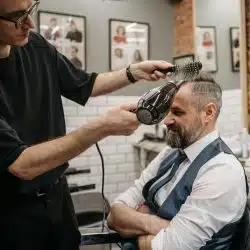
Hair Maintenance and Haircuts
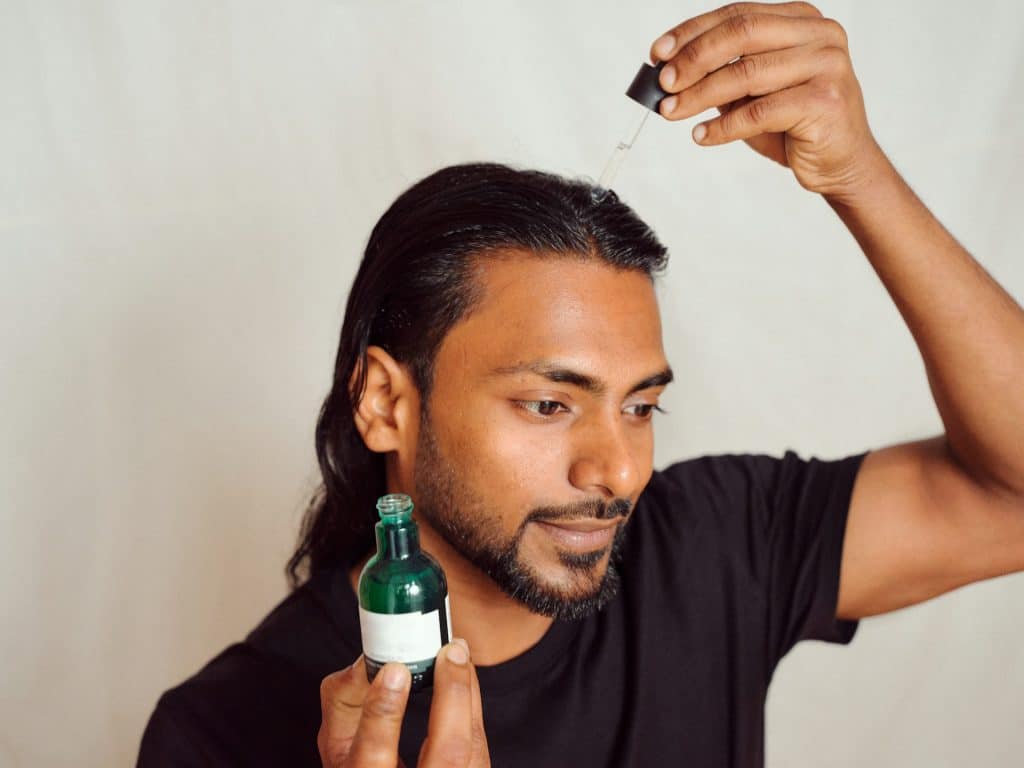
Hair appearance is shaped by more than haircut frequency. Everyday factors such as cleanliness, product use, and styling consistency play a role. Even well cut hair can appear unkempt if daily maintenance is uneven. Small lapses may not be noticed immediately but can affect overall presentation over time. Others often register these changes subconsciously. Hair maintenance tends to influence first impressions and ongoing perception.
Facial Hair and Visual Balance

Facial hair influences facial structure and overall balance. Uneven trimming or irregular upkeep can shift how features are perceived. Clean lines and consistent length often create a more cohesive look. In contrast, neglected facial hair may draw attention away from other grooming efforts. The effect usually develops gradually rather than overnight. Over time, facial hair habits become part of a person’s visual identity.
Skin Care as a Quiet Contributor

Skin appearance often functions as a background element rather than a focal point. Dryness, uneven tone, or irritation may subtly affect how rested or healthy someone appears. These signs tend to develop slowly and may go unnoticed by the individual. Others often perceive changes earlier through visual cues. Basic skin maintenance supports a more consistent overall look. The influence is quiet but cumulative.
The Importance of Cleanliness
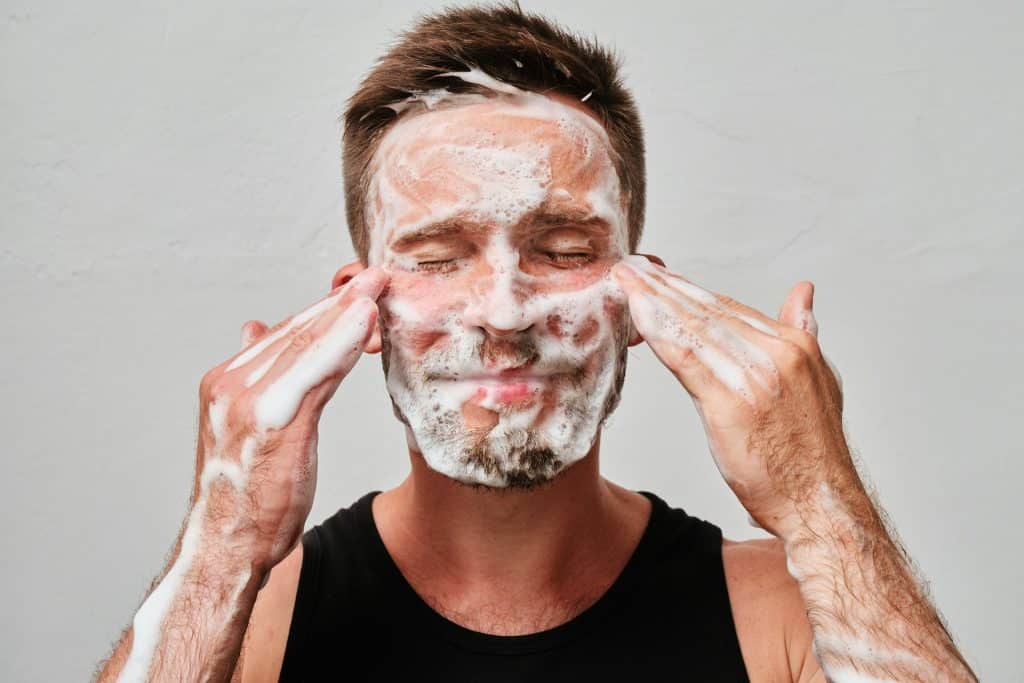
Cleanliness is a foundational grooming factor that shapes perception quickly. Clothing, hair, and skin all reflect daily hygiene habits. Minor inconsistencies can undermine other grooming efforts. Because cleanliness is often expected, its absence stands out more than its presence. Over time, repeated signals shape the overall impression. This makes cleanliness one of the most influential grooming details.
Clothing Fit and Subtle Adjustments
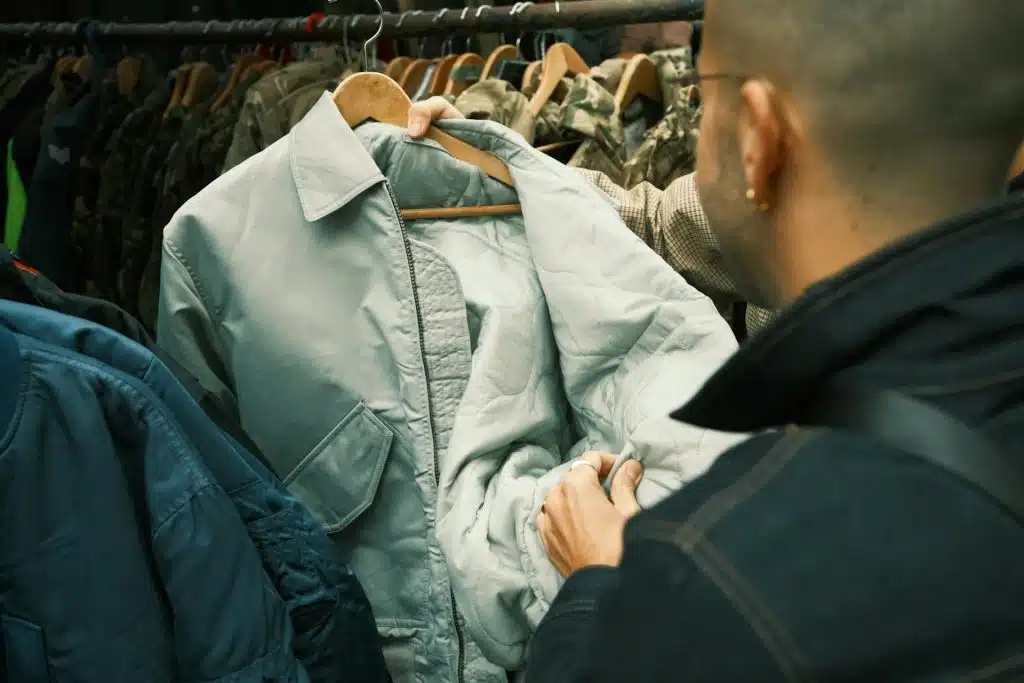
Clothing fit often matters more than brand or trend. Small adjustments such as sleeve length or pant break influence overall appearance. Ill fitting clothing can create visual distraction even when items are otherwise appropriate. These details are often noticed unconsciously. Over time, fit becomes associated with polish and coherence. Subtle tailoring effects tend to accumulate in perception.
Fabric Condition and Wear

Fabric condition quietly signals wear and upkeep. Fading, stretching, or pilling may reduce visual sharpness. These details often develop slowly and escape immediate notice. Others may register them as a general sense of untidiness. Maintaining fabric condition supports consistency in appearance. The effect is gradual but noticeable over time.
Shoe Condition and Attention to Detail
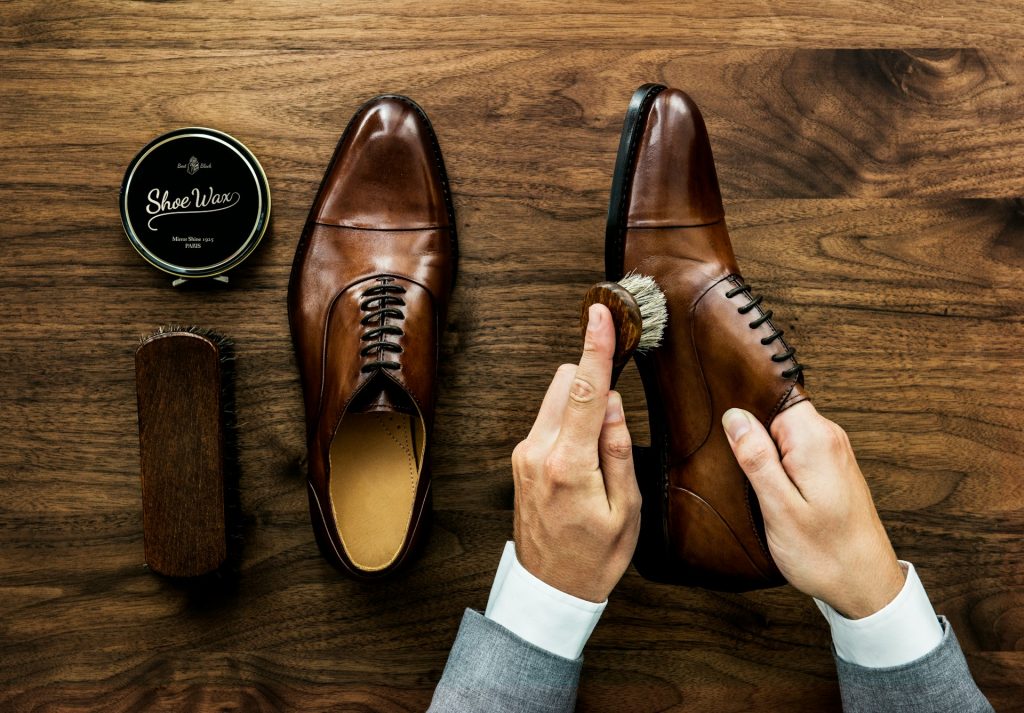
Shoes often anchor an outfit visually. Scuffs, dirt, or wear can disrupt an otherwise cohesive look. Because shoes sit at eye level during movement, they attract attention indirectly. Their condition tends to reflect overall grooming habits. Over time, repeated signals influence perception of care and effort. Shoe maintenance often carries more weight than expected.
Accessories and Visual Clarity
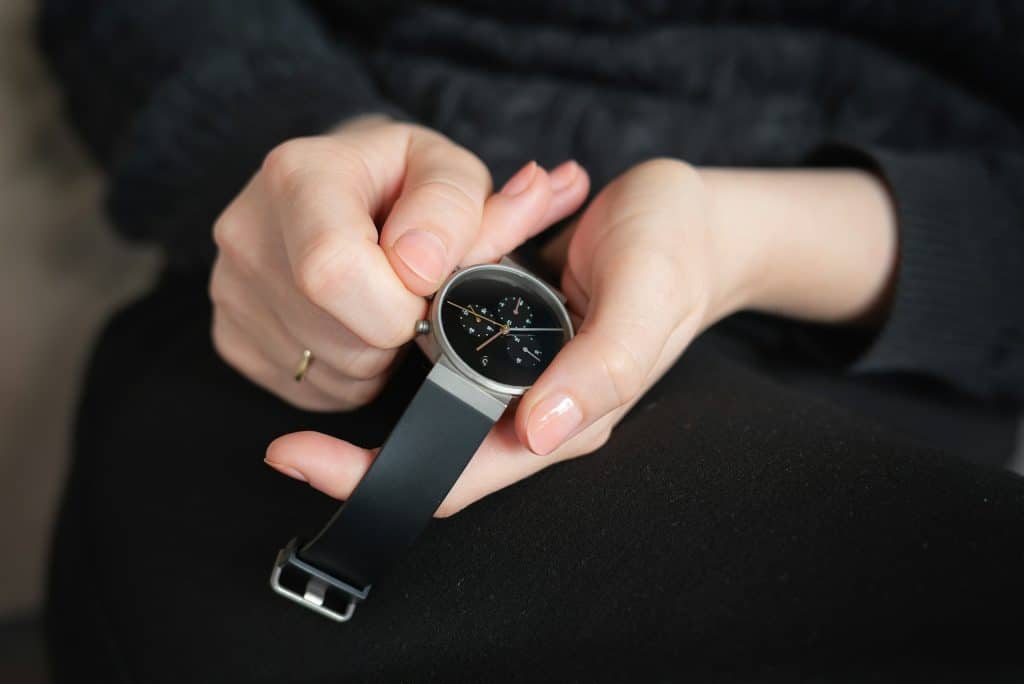
Accessories can enhance or distract depending on condition and consistency. Items such as watches or belts contribute to visual structure. Wear, mismatching, or clutter may reduce clarity. These effects are usually subtle rather than obvious. Over time, accessories become part of a recognizable style pattern. Their influence often depends on restraint and upkeep.
Scent and Personal Presence
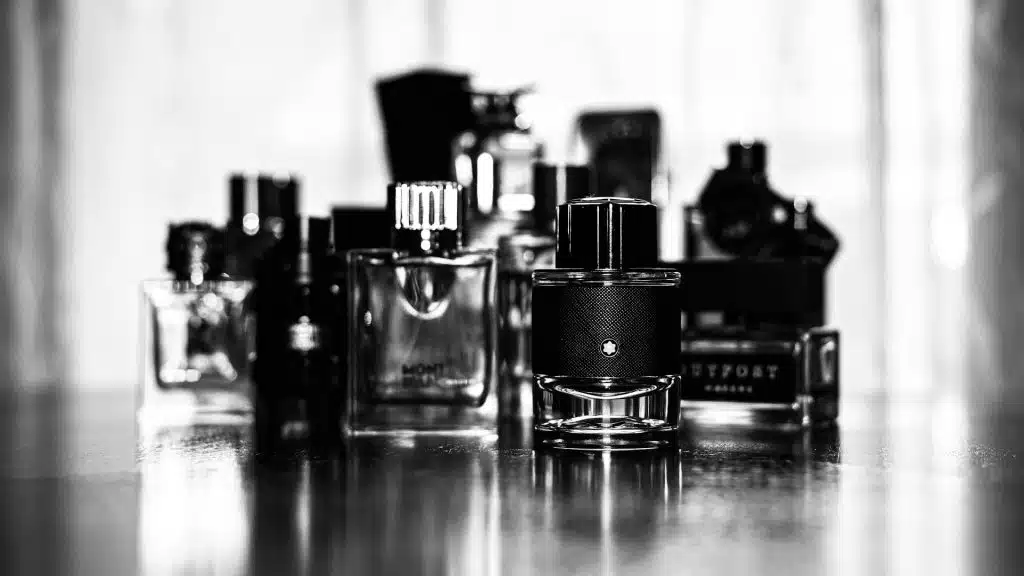
Scent influences perception without being seen. Overuse or inconsistency can affect how presence is experienced. Subtlety tends to be associated with refinement. Because scent works at close range, others may notice changes quickly. Its impact is often emotional rather than visual. Over time, scent becomes linked to personal impression.
Grooming Consistency Vs Occasional Effort

Consistency often outweighs occasional intensive grooming. Regular habits create a stable appearance baseline. Infrequent effort may create short term contrast without lasting effect. Others tend to notice patterns rather than isolated moments. Over time, consistency builds trust in appearance.
Hands and Nails as Subtle Indicators
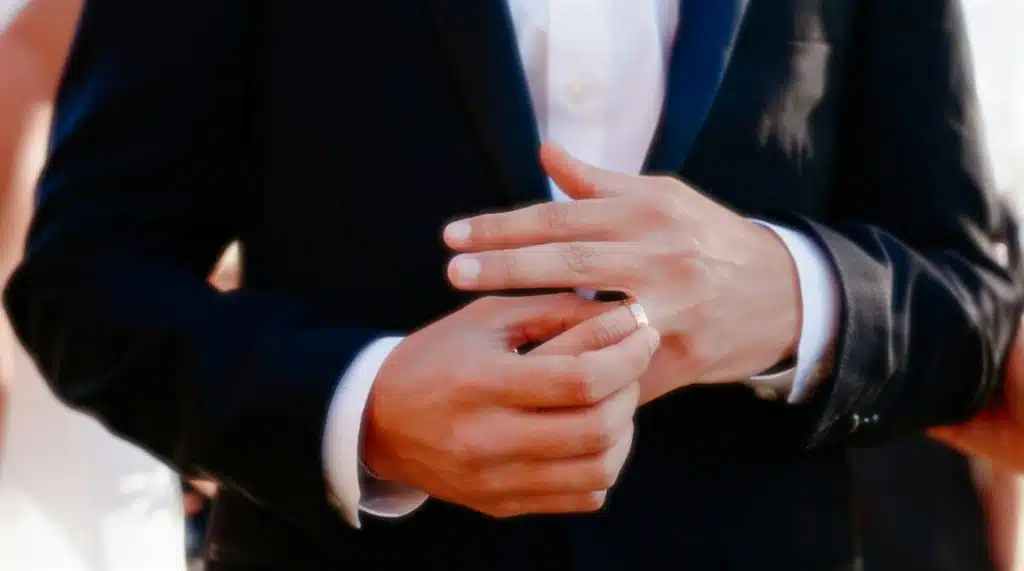
Hands are frequently visible in social interaction. Nail condition and skin dryness may signal grooming habits indirectly. These details are often noticed in close proximity. Neglect tends to stand out more than care. Over time, hands contribute to the overall impression. Their influence is quiet but persistent.
Posture and Grooming Interaction

Posture interacts with grooming to shape appearance. Clothing and grooming details often look different depending on posture. Slouched posture may reduce the effect of careful grooming. Upright posture tends to support visual coherence. Over time, these elements work together. Appearance is shaped by both habit and alignment.
Grooming and Social Context

Grooming perception often depends on social setting. Workplace, casual, and formal contexts emphasize different details. Small mismatches may stand out more than large ones. Others often notice context shifts earlier. Over time, grooming habits adapt to the environment. This interaction shapes the overall appearance.
Routine Fatigue and Gradual Change

Grooming habits can shift due to routine fatigue. Small lapses may appear during busy periods. These changes tend to accumulate slowly. Others may notice a general decline before specific causes are clear. Over time, routine influences consistency. Awareness helps explain gradual shifts.
Perception Vs Intention
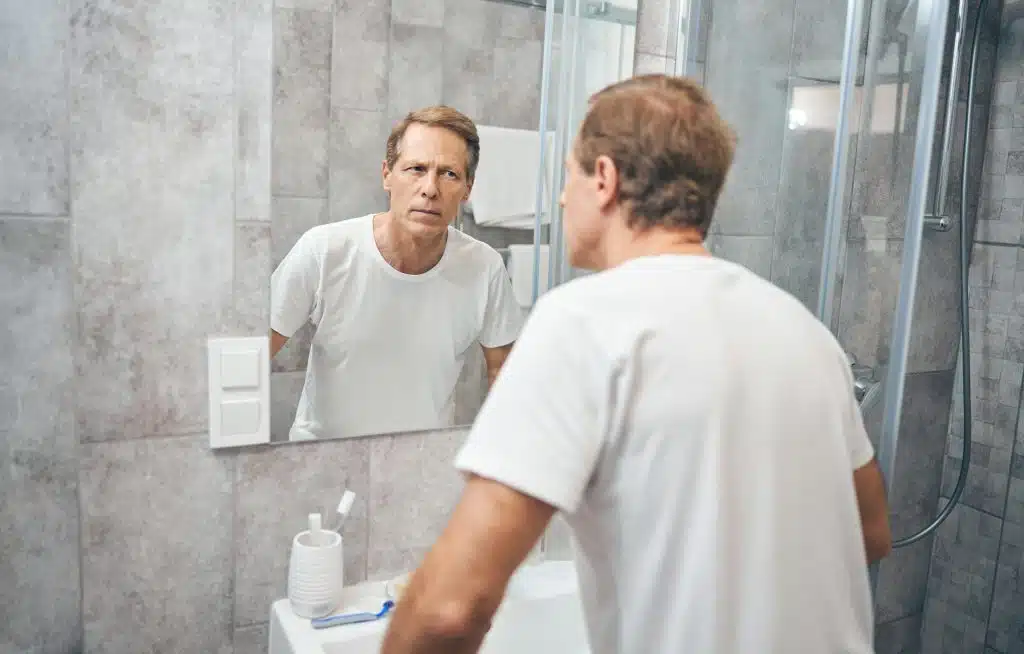
Grooming impact often differs from personal intention. What feels minor internally may register externally. This gap can shape how appearance is interpreted. Others rely on visible cues rather than context. Over time, perception becomes reality in social settings. Understanding this difference adds clarity.
Identity and Grooming Habits

Grooming habits often align with self identity. Changes in routine may reflect shifts in priorities or roles. These adjustments usually occur gradually. Others may associate grooming changes with broader transitions. Over time, appearance reflects evolving identity. The connection is subtle but meaningful.
Accumulation of Small Signals

No single grooming detail defines overall appearance. Instead, perception forms through accumulated signals. Each habit adds or subtracts slightly from the whole. Over time, these signals create coherence or inconsistency. Others respond to the pattern rather than the parts. This explains the lasting influence of small details.
Awareness as a Stabilizing Factor

Awareness of grooming patterns supports consistency. Recognizing small shifts allows earlier understanding of change. This awareness is observational rather than corrective. Over time, it helps maintain alignment between intention and appearance. Grooming details continue to evolve with daily life.







Ask Me Anything