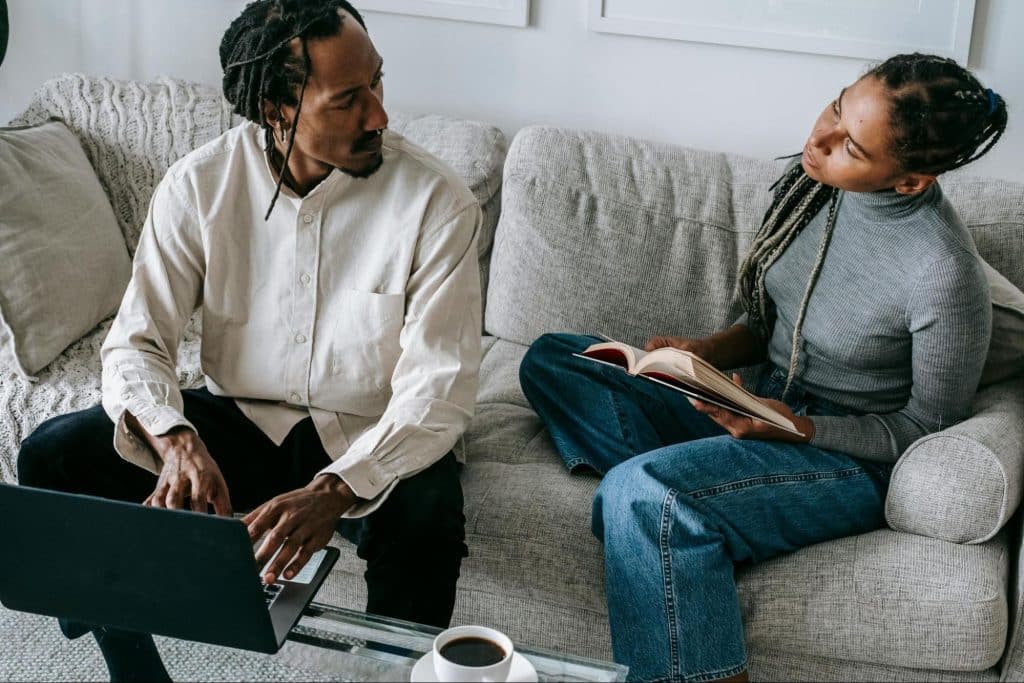
Every strong relationship relies on emotional openness, but distance rarely appears suddenly. It shows up in tiny changes, quieter responses, shorter conversations, or moments she keeps to herself instead of handing to you. Many men overlook these shifts because they don’t arrive with tension or conflict. They appear as calm adjustments that blend into daily life until the gap becomes undeniable. Recognizing these subtle signs isn’t about blame; it’s about understanding how easily emotional closeness can fade when left unattended. When a partner stops confiding, it’s not always because she’s upset, it’s often because she feels unheard, unsupported, or safer sharing with someone else. Awareness creates the opportunity to rebuild connection before silence becomes the new norm.
Her Stories Get Shorter

When she used to tell you the full version of her day, she shared details because she felt emotionally safe. Now she may summarize everything in a sentence or two, even when there’s clearly more beneath the surface. This shrinking reflects not just reduced conversation, but reduced trust in your interest. She’s testing whether you’ll ask for more or accept the short version. When you don’t engage further, it quietly confirms her fears. Over time, this becomes her default way of communicating. The emotional closeness that once lived in storytelling slowly disappears.
She Doesn’t Come to You First Anymore

Partners naturally turn to each other for feedback, comfort, or processing. When she begins going to friends, coworkers, or even family members before approaching you, it’s a sign something shifted. She may feel those spaces offer more understanding or less judgment. This doesn’t mean she’s shutting you out maliciously, it means she’s adjusting to where she feels truly heard. Eventually, you become the last to know what’s happening in her world. That delay reflects a growing emotional divide, not simply a change in routine.
She Avoids Conversations That Require Vulnerability

Topics that once felt normal, fears, frustrations, hopes, suddenly become avoided or brushed aside. She may redirect the conversation or give surface-level answers. This avoidance signals that vulnerability no longer feels comfortable with you. It’s not that she doesn’t have feelings; she doesn’t feel safe sharing them. When emotional self-protection becomes a habit, openness becomes rare. The relationship loses one of its strongest foundations.
She Shares More Online Than with You

You may notice she expresses thoughts or feelings publicly before discussing them privately. This shift often means she feels more validated or understood by others. It’s not about attention, it’s about expression. If she doesn’t feel space to share with you, she finds it elsewhere. Over time, the emotional distance grows as her inner world becomes more visible to strangers than to her partner. This is an early but powerful sign her trust is slipping.
She Stops Asking for Your Opinion

When someone values another’s perspective, they naturally seek input on decisions big and small. If she no longer asks what you think, it means your opinion doesn’t feel helpful or comforting anymore. She may have felt dismissed or misunderstood one too many times. Instead of risking disappointment, she internalizes decisions or checks with others. This quiet withdrawal from shared decision-making reduces partnership. It signals she’s shifting from “we” thinking to “I’ll handle it myself.”
She No Longer Corrects You When You Misunderstand

When someone cares deeply about connection, they clarify misunderstandings to stay aligned. If she stops correcting you, it often means she no longer believes the clarification will matter. She lets moments pass because the effort feels pointless. This may appear peaceful, but it’s actually resignation. Over time, this silence removes opportunities for closeness and repair. It marks a move from engagement to emotional detachment.
She Keeps You Out of Her Stress

It may seem considerate when she doesn’t share her stress, but it’s often a sign of disconnection. She may feel you won’t understand, won’t support her, or will minimize what she’s carrying. Instead of inviting you into her emotional world, she shields you from it. This creates a quiet divide where she carries burdens alone. Eventually, she forgets what it felt like to rely on you. That loss of emotional partnership is one of the earliest signs of distance.
Her Tone Becomes Neutral Instead of Warm

Tone reveals more than words ever can. When her voice shifts from warm and expressive to calm and neutral, something inside her has changed. Neutrality is not anger, it’s emotional retreat. She’s removing warmth because it no longer feels reciprocated or valued. This tone becomes her emotional armor. Once a woman goes neutral, reconnection becomes harder because neutrality feels safer than vulnerability.
She Gives Delayed Responses

Delayed replies, whether in person or through messages, often signal emotional withdrawal. She’s not ignoring you; she’s pacing herself. She may be choosing her words carefully or debating whether the conversation is worth the effort. This hesitation reveals internal conflict about emotional closeness. Over time, these delays become routine, quietly shrinking the connection. The distance grows one paused message at a time.
She Stops Updating You About Her Future Plans

When partners dream together, they talk about trips, goals, or future changes. If she stops mentioning her long-term ideas, it means she’s not sure how much to include you anymore. She may be protecting herself from disappointment or avoiding assumptions. This silence suggests she’s mentally preparing for independence, even if she hasn’t decided anything yet. When future talk disappears, emotional investment often goes with it. This is a critical sign of slipping trust.
She’s More Comfortable Sharing With Others

You may notice she laughs more easily with others or opens up faster in different companies. It’s not about comparison, it’s about emotional safety. She feels lighter with them because the emotional load is smaller. Over time, you become the person she updates last instead of first. This shift shows where she feels most supported. It’s not about replacing you; it’s about filling a gap.
She Doesn’t Challenge You Anymore

Healthy relationships involve feedback, disagreement, and growth. If she stops challenging areas where improvement is needed, it means she no longer believes change will happen. She’s choosing peace over progress. This might look like harmony, but it’s actually disengagement. Silence replaces honesty. Once she stops expecting effort, emotional closeness declines sharply.
She Avoids Eye Contact at Key Moments

Eye contact is one of the strongest indicators of emotional connection. When she starts breaking it, especially during serious or intimate moments, it reflects emotional discomfort. She may feel unheard, frustrated, or unseen. Avoiding your gaze is her way of distancing without confrontation. This subtle shift speaks louder than arguments ever could. It shows where her trust wavers.
Her Affection Becomes Scheduled Instead of Natural

Affection once flowed naturally, responding to emotion rather than obligation. When it begins to feel routine, forced, or timed, it signals a loss of intimacy. She may still participate in closeness, but the emotional heart of it is fading. This doesn’t mean she no longer cares, it means she no longer feels connected. The shift from spontaneous to structured affection marks a major decline in emotional vulnerability. It reveals where she’s pulling back.
She Gives Polite Rather Than Honest Feedback

Honesty requires trust, emotional safety, and openness. If her responses become overly polite, “It’s fine,” “Whatever you want,” “No big deal,” she’s choosing avoidance over authenticity. These phrases hide real feelings she no longer feels safe expressing. Politeness becomes a shield against conflict or disappointment. Over time, it removes the raw honesty that intimacy depends on. This is one of the quietest but strongest signs of distance.
She Stops Noticing Your Emotional State

Partners naturally tune into each other’s moods and needs. When she stops checking in, it’s often because she no longer feels emotionally connected. She may be protecting her time, energy, or emotional bandwidth. This withdrawal doesn’t mean she doesn’t care, it means she’s conserving herself. Emotional reciprocity has faded, and she no longer sees the relationship as a shared emotional space. The disconnect becomes mutual without conversation.
She Doesn’t Share Personal Wins With You

Sharing good news is just as intimate as sharing struggles. When she stops celebrating with you or delays telling you achievements, it means the emotional reward isn’t the same. She may feel you won’t respond with enthusiasm, presence, or pride. Keeping positive moments to herself is a sign she’s building emotional independence. This shift often appears small but reflects deep emotional disengagement. The joy she once brought to you now stays with her alone.
Her Silence Feels Heavier Than Her Words

When silence carries more weight than conversation, emotional withdrawal has already set in. She may speak less, but the meaning behind her quiet grows louder. Silence becomes her safest communication method because it avoids disappointment or conflict. This shift creates vast emotional space between partners. The absence of words becomes a language of distance. It’s one of the most powerful signs she no longer confides.
Conclusion

A partner doesn’t stop confiding overnight; she stops piece by piece, in ways subtle enough to miss but powerful enough to reshape the relationship. These signs aren’t criticisms, they’re signals that emotional closeness is slipping through quiet, unspoken moments. Recognizing them opens the door to rebuilding trust, safety, and connection. The goal isn’t to demand openness but to create a space where she feels welcomed back into vulnerability. Relationships drift in silence, but they are repaired through awareness, effort, and presence. When a man notices these clues early, he changes the direction of the relationship before distance becomes permanent.








Ask Me Anything