
Attraction makes men move fast, faster than they should. You start giving, planning, and showing effort before she’s even proven her consistency. It feels like strength, but it’s actually an imbalance. Over-investing too soon doesn’t make you more loyal; it just means you’re trying to secure a connection before it’s earned. Real value in relationships is revealed through pacing, not pursuit.
You Do More Planning Than She Does

If you’re the one always setting dates, initiating calls, or suggesting what’s next, you’re not courting, you’re compensating. Genuine interest meets you halfway. Over-investing often begins when one side carries all the momentum while the other simply follows along. When planning feels one-sided, it’s a sign to pause and reassess effort, not double it.
You Confuse Chemistry With Compatibility

Strong attraction can blind you to mismatched values. Chemistry is exciting, but it’s not stable. Over-investing in chemistry alone is like building a house on adrenaline, it feels powerful but collapses quickly. Compatibility requires time, silence, and observation. When you rush to label infatuation as “something special,” you set yourself up to overgive emotionally before you’ve seen who they truly are.
You Talk About the Future Too Soon

Bringing up long-term plans or exclusivity before there’s real depth creates pressure that kills curiosity. You’re trying to secure something that hasn’t even fully formed. Real connection unfolds naturally; it doesn’t need convincing. Over-investing shows up as forecasting instead of experiencing, imagining what could be before you understand what is.
You Feel Anxious When They Don’t Reply

When every delay feels like rejection, it’s not love, it’s emotional dependency forming too fast. You start tracking responses, analyzing tone, and tying self-worth to their availability. This anxiety doesn’t mean you care deeply; it means you’re overexposed emotionally. Patience is confidence in motion; panic is over-investment disguised as passion.
You Excuse Inconsistency

You start making excuses for mixed signals, “She’s just busy,” “She’s been through a lot.” Over-investment makes you rationalize red flags because walking away feels harder than waiting. But interest that’s real doesn’t need translation. The moment you start defending poor communication, you’re no longer observing, you’re negotiating your standards.
You Share Too Much, Too Soon

Vulnerability is strength, but timing matters. Oversharing early doesn’t build trust, it floods boundaries. When you reveal everything quickly, you mistake emotional openness for intimacy. Real connection requires pacing; it grows through mutual exchange, not confession marathons. Balance what you give with what’s been earned.
You Feel Responsible for Their Emotions

You start adjusting your behavior to manage how they feel, overexplaining, apologizing too often, or avoiding honesty to keep the peace. That’s not compassion; that’s emotional over-investment. Healthy relationships don’t demand self-erasure. The moment you take ownership of someone else’s moods, you step into exhaustion disguised as care.
You Chase Reassurance Instead of Respect

You keep seeking signs that they care, a compliment, a reply, a gesture, anything to confirm your place. But reassurance is a fragile foundation; it fades every time you need it renewed. Respect lasts longer because it’s mutual. Over-investing men look for validation, while confident men look for balance.
You Ignore Your Own Boundaries

You start bending rules you once stood by, staying up late to talk, canceling plans, over-extending your time. The more you compromise, the more invisible your boundaries become. Love built on imbalance always asks you to give more to keep peace. Over-investment teaches people how much they can take before you say “enough.”
You Prioritize Them Over Everything Else

You start reorganizing your life around them, work, friends, and rest take a back seat. It feels romantic, but it’s actually a loss of equilibrium. Connection doesn’t require self-neglect. If being available costs your focus or identity, it’s not devotion, it’s emotional debt building up quietly.
You Downplay Their Lack of Effort
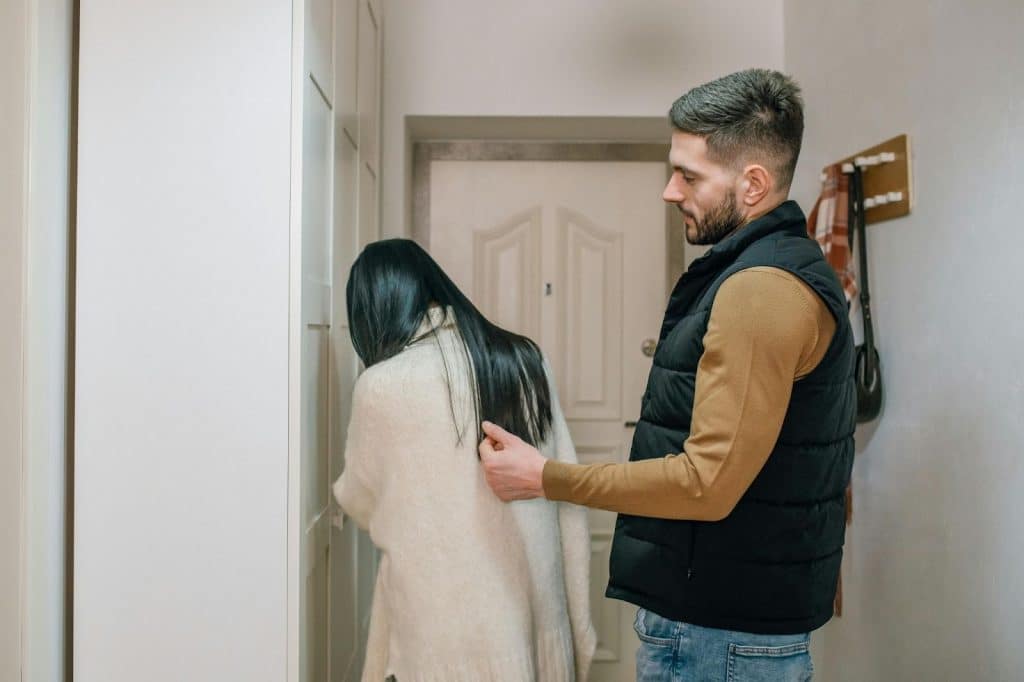
When she cancels, forgets, or stays vague, you brush it off. You tell yourself not to “overthink.” But every time you excuse indifference, you teach her that bare minimum effort still earns access. Over-investing isn’t generosity; it’s self-betrayal disguised as patience.
You’re Always the One Reassuring

You give endless comfort, but none returns. You check in, offer support, and lift spirits, but no one asks how you’re doing. When emotional giving is one-way, it stops being connected and turns into caretaking. Over-investing men often become the safe harbor for women who never plan to anchor.
You Feel Drained After Interactions

Connection should energize, not deplete. If you leave every conversation feeling mentally tired or emotionally anxious, your investment is outpacing what you’re receiving. Over-investing consumes your peace because you’re carrying both sides of the emotional load. True chemistry leaves calm after contact, not exhaustion.
You Try to “Prove” You’re Different

You overcompensate by showing loyalty, consistency, or understanding, hoping she’ll see you as “the better man.” But love isn’t an audition. Trying to prove worth only creates emotional imbalance and quiet resentment. If someone can’t see your value naturally, extra effort won’t convince them, it’ll just drain you.
You Confuse Consistency With Attachment

You mistake routine communication for emotional closeness. Texting every day, calling often, or constant updates feel comforting, but they can be placeholders for real connection. Over-investing makes you equate presence with intimacy. True connection doesn’t need constant contact; it thrives in space and stability.
You Start Feeling Unequal

When your effort becomes obvious, when you’re waiting, accommodating, and giving, imbalance becomes unavoidable. Love isn’t a scoreboard, but awareness matters. The relationship starts to feel heavy because you’re carrying what was meant to be shared. Over-investment often ends with quiet resentment, not explosive endings.
You Stay Despite Red Flags

The more you invest, the harder it becomes to walk away, even when warning signs appear. You’ve given too much to quit, so you keep hoping effort will fix imbalance. But red flags ignored early become regrets later. Over-investing blinds you to reality, because leaving would mean admitting you gave too soon.
You Lose Interest in Being Pursued

You forget that attraction is reciprocal. When you over-invest, you leave no space for her to chase, wonder, or choose. Desire needs room to breathe. Over-giving smothers curiosity and turns mystery into monotony. The strongest connections are built when both people reach, not when one person stretches endlessly.
Pulling Back to Protect Your Energy
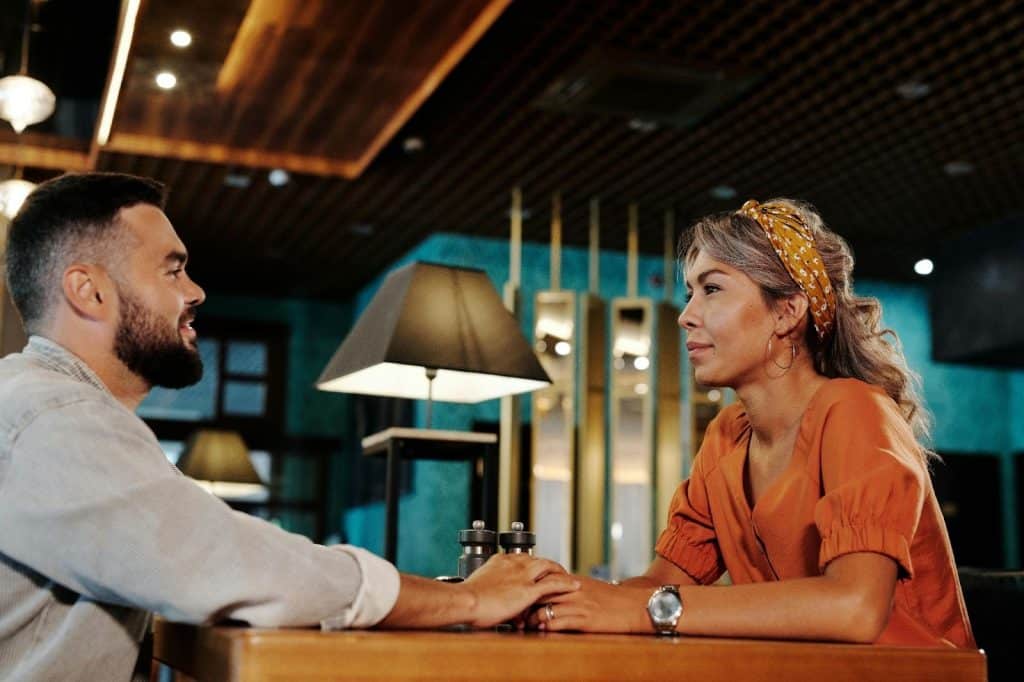
Over-investing doesn’t mean you love too much, it means you love without pacing. Real connection can’t be rushed, and effort can’t replace alignment. When you pull back your energy, you make space for clarity, both in her actions and your own emotions. The right person will never need convincing; they’ll match your rhythm naturally. Restraint isn’t indifference, it’s respect for your own worth.








Ask Me Anything