
Feeling unappreciated does not always lead to obvious arguments or complaints. In many relationships, it shows up as subtle shifts in effort, tone, and emotional availability. These signs are not proof of intent, but they can signal discouragement, burnout, or a growing sense of being taken for granted. People respond differently depending on personality, stress levels, and communication habits. The goal is to spot patterns early before resentment becomes the default. The 16 signs below focus on everyday behavior changes that can be easy to miss.
He Stops Offering “Extra” Help Without Being Asked
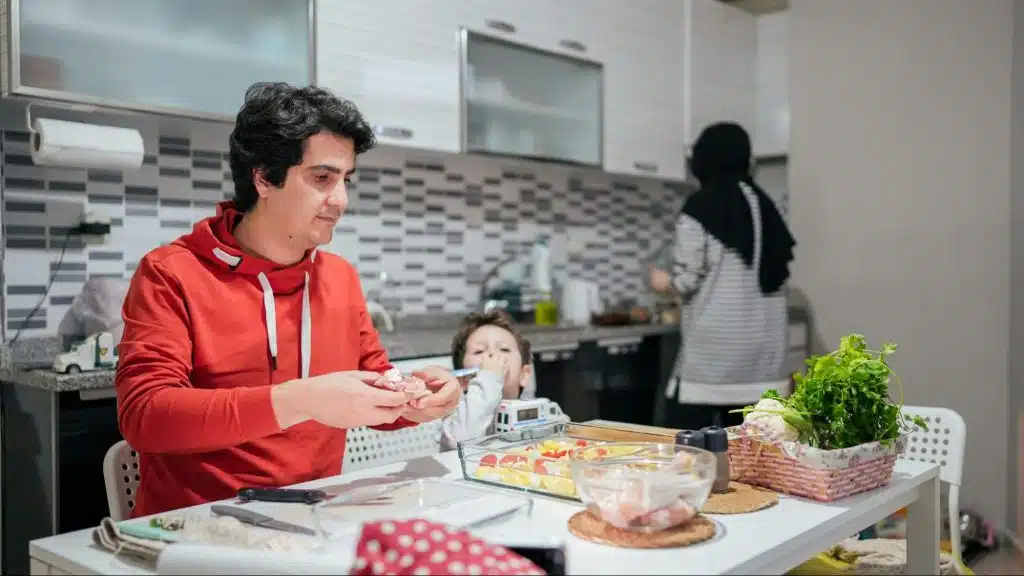
He may still do what is necessary, but the voluntary extras start fading. Small favors, proactive errands, or helpful gestures become less frequent. This can happen when effort starts feeling invisible or expected. Instead of feeling generous, he may feel like a tool being used. The change often looks like “doing the minimum” rather than being overtly rude. Over time, the relationship can feel more transactional than supportive.
He Becomes Less Expressive About His Day

Updates that used to be natural may become shorter or less detailed. He may answer questions, but without enthusiasm or follow-up. This can be a sign that sharing no longer feels rewarding. When someone feels unseen, they often stop offering emotional access. It may also indicate he expects little interest or understanding. The result is less connection, even if conversation still happens. Emotional distance can begin as reduced storytelling.
He Waits to Be Noticed Instead of Asking for Recognition
Some men do not directly request appreciation, even when they want it. Instead, they may hope their efforts are noticed and feel discouraged when they are not. This can look like quiet disappointment rather than a direct complaint. He may become more subdued after doing something helpful. It can also show up as a “fine” response that sounds flat. The desire is not for praise, but for acknowledgment. When that does not happen, withdrawal can feel safer than asking.
His Warmth Becomes Conditional Around Chores or Responsibilities

Affection may become less spontaneous and more tied to whether he feels useful. He might be friendly after completing tasks but distant when he feels criticized. This does not mean he is manipulating; it can mean he is emotionally linking worth to performance. When appreciation is missing, work becomes the only “safe” way to earn positive attention. Over time, this can drain intimacy. A relationship can start feeling like a workplace with benefits. The emotional tone becomes harder to predict.
He Becomes More Sensitive to Small Critiques

A comment that once rolled off his back may start landing harder. He may react defensively to minor feedback or interpret neutral remarks as disapproval. When someone already feels undervalued, criticism can feel like confirmation. This can create quick tension over small issues. He might argue the details rather than hearing the bigger point. It often looks irrational, but it can be emotional fatigue. Sensitivity can be a sign of depleted emotional reserves.
He Stops Bringing Up His Needs Because It Feels Pointless

Instead of asking for support, he may keep things to himself. The shift is subtle: fewer requests, fewer preferences, and less honesty about what bothers him. This can happen when past attempts were dismissed or minimized. He may decide it is easier to “just deal with it” than risk conflict. The downside is that resentment can build silently. Lack of requests is not always peace; it can be resignation. Over time, emotional invisibility becomes normal.
He Jokes About Being Taken for Granted

Humor can become a safe way to express hurt without sounding “needy.” He may make small comments like being the one who always handles things, framed as a joke. While it might sound light, repeated jokes often carry a real message. This is especially true when the same theme comes up again and again. It can be a test to see if anyone takes it seriously. If the joke is ignored, the message may stop being shared altogether. Humor can be a quiet request for recognition.
He Becomes Less Motivated to Improve or Impress

He may stop trying to “level up” in ways he used to care about. That could mean less effort in planning, grooming, dates, or personal goals tied to the relationship. When appreciation is low, effort can feel like wasted energy. This is not necessarily laziness; it can be discouraging. He may think improvement will not be noticed anyway. The relationship loses a sense of momentum. Stagnation can be an emotional symptom, not just a habit.
He Becomes “Busy” Even When He Isn’t

Time gets filled with work, errands, screens, hobbies, or extended downtime. The behavior may look harmless, but it can function as emotional avoidance. When someone feels unappreciated, being busy can feel safer than being vulnerable. It reduces opportunities for disappointment or criticism. He may also feel more competent in tasks than in emotional conversations. The relationship can start running in parallel instead of together. Distance grows quietly under the cover of routine.
He Participates Less in Shared Decisions

He may respond with “whatever you want” more often than before. Decision-making becomes passive, and opinions become scarce. This can happen when he believes his preferences do not matter. It can also signal that he is conserving energy by disengaging. The relationship becomes less collaborative, even if conflict decreases. Reduced input is not always cooperation; it can be emotional withdrawal. Over time, this can create a lonely dynamic for both partners.
He Stops Initiating Affection, Even If He Still Accepts It

He may not reject closeness, but he stops starting it. Hugs, touch, or affectionate texts become less frequent from his side. This can reflect fear of feeling unwanted or taken for granted. Initiating requires emotional risk, and unappreciation can make that feel unsafe. He may wait to see if he is valued without having to ask. The relationship can feel colder even without obvious conflict. A drop in initiation is often an early signal.
He Becomes More Private With His Thoughts

He might share less about worries, hopes, or personal struggles. Conversations stay on logistics, entertainment, or surface topics. This can happen when emotional sharing feels unreciprocated. Privacy can also be a way to avoid being judged or dismissed. The relationship may still function day-to-day, but intimacy weakens. Emotional privacy is not always secrecy; sometimes it is self-protection. When it becomes a pattern, connection starts to thin out.
He Becomes Less Protective of Relationship Traditions

Small rituals like check-ins, date nights, or inside jokes may fade. He may stop suggesting plans or maintaining routines that once kept the bond strong. This can be a sign that he no longer sees those efforts as meaningful. When appreciation feels absent, traditions can start feeling like work. The relationship becomes more functional than relational. Over time, both partners may feel the loss, even if neither names it. Drift often begins with neglected rituals.
He Gives Fewer Compliments and Offers Less Encouragement

Words of support may become rarer, even if he is not openly upset. This can reflect a “why bother” mindset when he feels his own efforts are unnoticed. Encouragement is often tied to emotional generosity, and resentment reduces that capacity. He may still care, but feel emotionally tight or guarded. This can change the emotional climate of the relationship. Fewer kind words can create a feedback loop of disconnection. Warmth tends to shrink when someone feels undervalued.
Tips: How to Respond Without Making It a Fight
A useful first step is to acknowledge specific effort rather than offering vague praise. Simple statements that name what was done and why it helped can land strongly. It also helps to ask what appreciation looks like to him, since people value different forms of recognition. Avoid stacking criticism right after he does something helpful, because it can cancel the positive impact. Consistency matters more than grand gestures; small recognition done often tends to rebuild trust. If emotions run high, choose calm timing instead of addressing it mid-conflict.
Tips: How to Rebuild Appreciation as a Habit

Consider setting small relationship “maintenance” moments, like brief daily check-ins or weekly planning that includes gratitude. Balance feedback with recognition so the relationship does not feel like constant evaluation. Share appreciation publicly only if it matches his comfort level, since some people prefer private recognition. Also, make room for mutual appreciation so it does not become one-sided or performative. If resentment has built for a long time, a structured conversation or counseling can help keep things productive. The goal is not to “fix him,” but to improve the relationship environment.
Conclusion: Quiet Signs Become Loud Outcomes if Ignored

Unappreciation often does not explode; it slowly changes effort, warmth, and trust. The signs above are not proof of someone’s intent, but they can signal discouragement and emotional shutdown. When recognized early, small adjustments can prevent a deeper drift. Appreciation is less about flattery and more about making effort feel seen and valued. Relationships tend to strengthen when both partners feel noticed, not managed. When appreciation becomes consistent, many quiet problems stop needing loud solutions.








Ask Me Anything