
Marriage today feels like a revolving door, but for Boomers, it was a lifelong contract sealed with grit, duty, and a little bit of stubborn pride. They didn’t have podcasts telling them how to “communicate better” or apps for emotional check-ins—they had commitment, even when it cost them comfort. The truth is, their generation made sacrifices most of us wouldn’t even consider. Whether you call it strength or survival, it’s worth asking what they knew about love that we’ve forgotten. Here’s a look at the quiet, sometimes brutal sacrifices that kept their marriages from falling apart.
1. Putting Dreams on Hold

Boomers grew up believing that marriage meant shelving personal ambitions. If you wanted to travel, start a business, or chase your passion, it often took a backseat to bills and family needs. It wasn’t about lack of ambition; it was about survival. Many lived entire lives wondering what could’ve been if they’d taken that leap. It’s a painful kind of loyalty, one that built stability but cost individuality.
2. Working Long Hours Without Complaint

They didn’t talk about “burnout.” They just worked. Long days, night shifts, and second jobs were part of the deal if you wanted to feed a family. The reward wasn’t fulfillment—it was keeping the lights on. You can criticize it, but there’s something raw and admirable about that level of endurance. They didn’t chase purpose; they built it through sweat.
3. Going Without So the Kids Could Have More

Boomers were masters of quiet sacrifice. They skipped new clothes, vacations, and nice dinners so their kids could have opportunities they never did. No complaints. No GoFundMe pages. Just self-denial and grit. The lesson? Love isn’t always about what you give—it’s about what you’re willing to go without.
4. Shouldering Silent Emotional Burdens

Therapy wasn’t an option for most men back then. You bottled things up, smiled at work, and dealt with pain in silence. It wasn’t healthy, but it was expected. Vulnerability was seen as weakness, and no one wanted to be the weak one. It’s tragic, really—how many marriages could have been softer if men were allowed to feel more openly?
5. Putting Marriage Before Personal Fulfillment

Divorce used to be a public scandal, not a clean reset. You stayed. Even when it hurt. Even when the spark was gone. For many Boomers, marriage wasn’t about happiness—it was about duty. And while that sounds grim, it also created a kind of resilience that’s rare today. They saw love as a promise, not a preference.
6. Limited Leisure and Social Lives

Between jobs, kids, and housework, there wasn’t much room for “me time.” Friendships faded, hobbies disappeared, and weekends belonged to chores. Self-care? That phrase didn’t exist. They traded personal joy for family function, and somehow still showed up every day. It makes you wonder: are we happier now, or just more self-focused?
7. Sacrificing Health for Duty

Pain was ignored. Doctors were skipped. They worked through injuries because rest wasn’t an option. Many Boomers wore their exhaustion like a badge of honor. The sad part is that loyalty to responsibility often outlasted loyalty to their own well-being. They built families on the back of broken bodies and quiet suffering.
8. Living With Fewer Choices

Quitting your job or leaving your spouse wasn’t as simple as “just do it.” Options were limited, especially for women. You did what you had to do because there was no safety net. That’s what makes their commitment different from ours—it wasn’t fueled by choice; it was forged by necessity.
9. One Partner Giving Up Their Career

Someone had to stay home, and that “someone” was usually the wife. Career dreams vanished behind kitchen counters and PTA meetings. It wasn’t about laziness—it was about expectation. And while many took pride in it, plenty of women spent decades wondering who they could’ve become if they’d been born later.
10. Staying Quiet to Keep the Peace
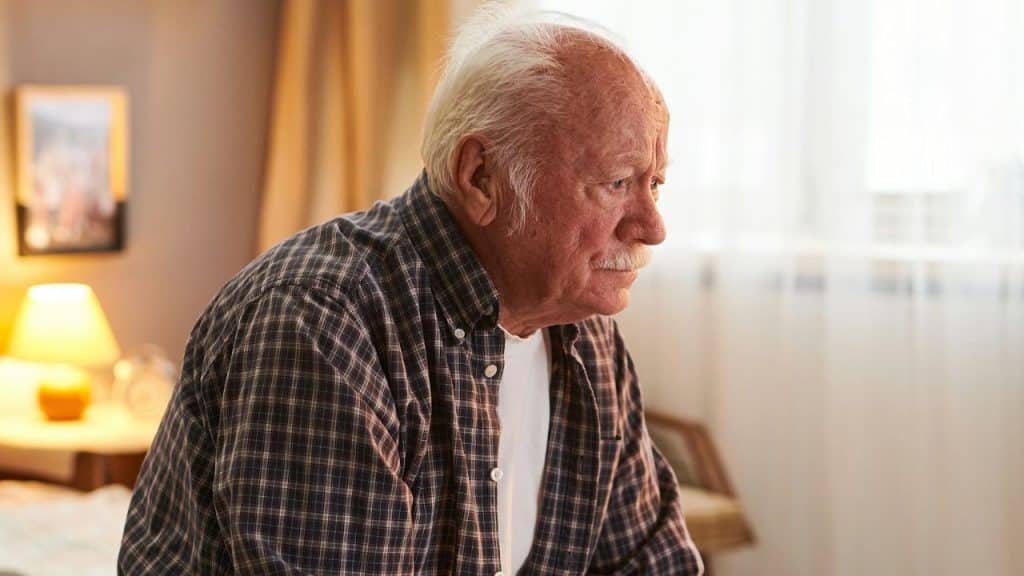
Arguments didn’t lead to therapy sessions or communication workshops. They led to silence. Keeping the peace mattered more than being heard. It built decades of quiet resentment that most couples simply learned to live with. It’s no wonder so many modern marriages crumble—they’re not used to discomfort lasting that long.
11. Prioritizing Appearances Over Happiness

Back then, a broken marriage wasn’t just personal—it was social failure. Couples smiled in public while sleeping in separate rooms at home. “Looking good” mattered more than “feeling good.” Maybe that’s sad. Or maybe it was a form of discipline we’ve lost—the kind that values reputation over temporary feelings.
12. Enduring Rigid Gender Roles

He mowed the lawn. She cooked dinner. End of story. Even if they secretly wanted something different, most never broke the script. Gender equality wasn’t up for debate—it was a threat to stability. The modern world calls that outdated, but for them, it was order. Predictable. Safe.
13. Giving Up Personal Identity

Marriage often swallowed individuality. You weren’t “John” or “Mary” anymore—you were “the Smiths.” Friend groups merged, hobbies disappeared, and the idea of having separate lives felt selfish. It’s the opposite of how couples operate now. Maybe that unity kept them close. Or maybe it slowly erased who they were.
14. Staying for the Kids at Any Cost

Every Boomer parent has said it: “We stayed together for the kids.” And maybe it helped at times—but it also built homes full of tension and quiet sadness. They believed love meant endurance, no matter the cost. Today, we call that unhealthy. Back then, it was noble.
15. Accepting Inequality in Finances

Money was power, and whoever earned it called the shots. Many women had to ask before spending, while men felt the crushing pressure of being the sole provider. It created silent hierarchies inside marriages that looked stable on paper but felt lopsided behind closed doors.
16. Tolerating Lack of Emotional Support

Boomer marriages were practical, not emotional. You didn’t talk about feelings—you managed logistics. Over time, that distance turned marriages into business partnerships. But here’s the truth: emotional neglect can hurt more than betrayal. Their marriages survived, but many never learned how to truly connect.
17. Sacrificing Freedom for Tradition

You didn’t leave. You didn’t quit. You made it work because that’s what adults did. The Boomer generation tied commitment to character. To them, breaking up wasn’t failure—it was shame. And while that mindset created lifelong marriages, it also built walls that trapped plenty of unhappy ones.








Ask Me Anything