
In many marriages, love is present, but appreciation isn’t always shown. Over time, a wife can begin to feel invisible or unappreciated, not because her husband doesn’t care, but because daily habits and communication lapses send the wrong message. Feeling undervalued is less about grand gestures and more about the small, consistent signals that say, “I see you. I respect you. I’m glad you’re here.” If these signals go missing, resentment builds. The good news is that most of the common reasons wives feel overlooked are entirely fixable–if both partners are willing to act intentionally.
Let’s look at 17 of the biggest reasons wives feel undervalued–and the practical ways to turn things around before distance takes root.
1. Taking Her Contributions for Granted

One of the biggest ways wives feel undervalued is when their efforts at home, work, or within the relationship are treated as a given. Cooking meals, keeping the household running, managing kids’ schedules, or even contributing financially can start to feel invisible when rarely acknowledged. Over time, this lack of recognition translates into a sense that what she does doesn’t matter. The fix is simple but powerful: say thank you–often, and with specifics. Instead of a passing “thanks,” say, “I really appreciate how you made time for dinner tonight even with your packed schedule.” Specificity makes gratitude stick.
2. Lack of Emotional Support

Many wives feel undervalued when their emotional needs aren’t taken seriously. A partner who dismisses her worries or interrupts her venting with quick fixes leaves her feeling unseen. Emotional support doesn’t mean solving her problems; it means showing up and listening without judgment. Nodding, maintaining eye contact, and validating her feelings go a long way. Saying things like, “I can see how that would be stressful,” shows empathy without minimizing her experience. Emotional connection thrives not on solutions but on presence.
3. Rarely Receiving Compliments

Compliments often fade after the early days of dating, but their absence can make a wife feel unappreciated. When she puts effort into her appearance, achieves something at work, or simply carries herself with grace, silence can feel like indifference. Compliments don’t have to be dramatic–they just need to be sincere. Noticing the small things, like a new hairstyle or how well she handled a tough conversation, helps her feel seen. A regular dose of admiration keeps the spark alive and reassures her that she still matters deeply to you.
4. Feeling Like a Default Parent
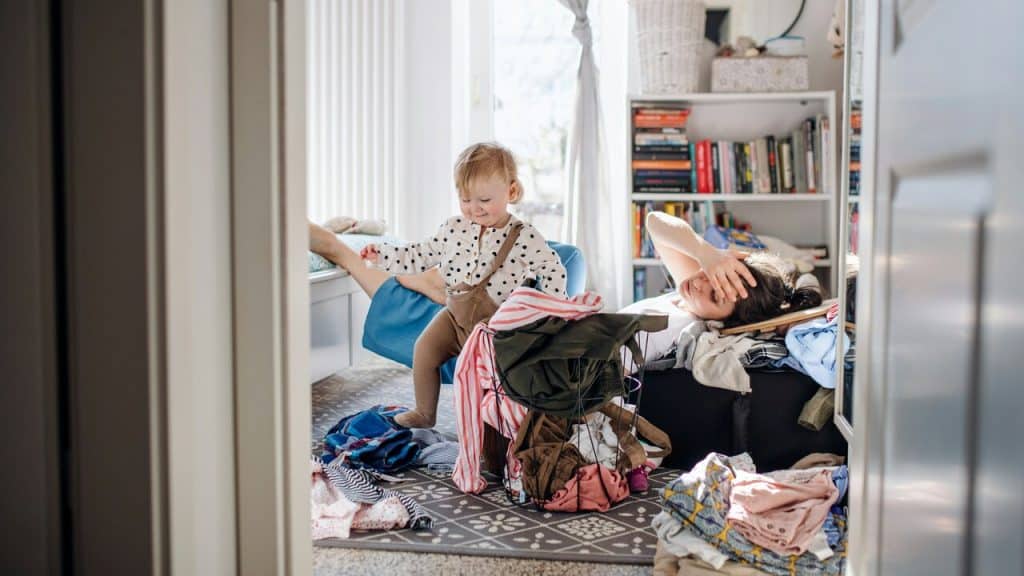
When household or parenting responsibilities automatically fall on her shoulders, it sends the message that her time is less valuable. Wives who constantly manage homework, appointments, and discipline without shared effort can feel more like managers than partners. Fixing this requires intentional rebalancing: dads need to step in proactively, not just “help when asked.” Offer to take on certain tasks consistently so she knows she’s not alone. Sharing responsibility communicates partnership, which in turn communicates value.
5. Overlooking Her Achievements

Wives often juggle multiple roles, and when their professional or personal achievements go unnoticed, it’s disheartening. Whether it’s a promotion at work, hitting a fitness goal, or finishing a creative project, acknowledgment matters. A husband who doesn’t celebrate these wins risks sending the message that her growth doesn’t matter. A small celebratory dinner, a handwritten note, or even a genuine “I’m proud of you” can restore the balance. Recognition fuels confidence and signals that her efforts are respected both inside and outside the home.
6. Lack of Physical Affection Outside Intimacy

Physical touch that’s not tied to sex is a powerful form of reassurance. Many wives feel undervalued when the only time they’re touched is in the bedroom. A casual hand squeeze, a hug in the kitchen, or a kiss on the forehead communicates warmth without an agenda. These gestures remind her that she’s loved for who she is, not just for intimacy. If physical affection has grown rare, start small–she’ll notice the shift, and it will likely deepen both emotional and physical connection.
7. Not Being Asked for Her Opinion

When major or even minor decisions get made without her input, a wife can feel sidelined in her own marriage. This might range from financial decisions to simple choices like family plans. The implication is that her perspective doesn’t matter, which over time chips away at respect. A better approach is making it a habit to ask, “What do you think?” even in small matters. Inviting her voice into decisions shows she’s not just present–she’s a partner with equal weight.
8. Dismissing Her Concerns as “Nagging”

Labeling her repeated reminders as “nagging” often misses the point: she’s reminding because she doesn’t feel heard the first time. Dismissing her concerns makes her feel unimportant. Instead of brushing it off, listen carefully and ask clarifying questions. Even if you can’t act immediately, acknowledging her concern (“I hear you–I’ll take care of it by Saturday”) shows you take her words seriously. Respecting her voice in the moment prevents long-term resentment from simmering.
9. Failing to Notice Her Efforts in Self-Care

When a wife invests time in self-care–whether it’s exercise, personal development, or even buying a new outfit–and it goes unnoticed, she may feel invisible. It’s not vanity; it’s about feeling acknowledged for the effort she puts into herself and her wellbeing. A quick compliment or encouragement reinforces that her choices matter to you. Even saying, “I see how committed you’ve been to your workouts–you look stronger” validates her investment. Noticing effort, not just results, makes all the difference.
10. Rarely Making Time for Quality Connection

Marriages often fall into autopilot mode where routines replace real connection. Wives feel undervalued when quality time disappears and conversation dwindles to logistics. The fix isn’t complicated: carve out intentional moments of connection. This could be a weekly date night, a walk after dinner, or even 20 minutes before bed without phones. The goal is presence, not perfection. When she feels you’re prioritizing time together, she feels prioritized as a person.
11. Assuming She’ll Handle the Mental Load

Beyond chores, many wives carry the “mental load”–the invisible labor of planning, remembering, and organizing family life. If her partner never steps into this role, she feels undervalued because her mental energy is being consumed without acknowledgment. Fixing this requires more than just doing chores–it means anticipating them. Take initiative by managing appointments, school updates, or family events. Sharing the invisible labor communicates respect and relieves her from being the constant default thinker.
12. Dismissing Her Dreams or Passions

If a wife expresses interest in pursuing a new hobby, career move, or creative outlet and is met with indifference, she feels her passions aren’t valued. Over time, this can shrink her sense of self in the marriage. Instead, encourage her pursuits, even if they don’t directly benefit you. Ask about her progress, show genuine curiosity, and support her with time or resources if possible. Validating her dreams shows you’re invested in her growth as much as she is in yours.
13. Ignoring Her Love Language

Every person receives love differently–through words, acts, touch, gifts, or time. A wife who rarely experiences affection in her primary love language can feel undervalued, even if her husband thinks he’s showing love. The fix is learning her love language and intentionally speaking it. If it’s words, compliment her often; if it’s acts, step up with chores. Adjusting to her love language isn’t about convenience–it’s about communicating in a way that resonates with her heart.
14. Minimizing Her Work Outside the Home

Wives who work outside the home often feel undervalued when their professional demands are minimized compared to their partner’s. Comments like “your job isn’t as stressful as mine” invalidate her contributions. Respecting her work means treating her career as equally significant, regardless of income. Simple actions like asking about her day, celebrating her successes, and supporting her work-life balance reaffirm that her efforts matter just as much.
15. Lack of Public Appreciation

Private thanks are important, but public acknowledgment carries extra weight. When a husband never compliments or shows appreciation for his wife in front of others–friends, family, kids–she can feel sidelined. Public appreciation isn’t about grand gestures; it’s about casually highlighting her strengths. Saying, “She’s the reason we’re on time tonight” in front of friends reinforces her value openly. These moments create pride and affirm that her contributions are recognized beyond the walls of home.
16. Forgetting Milestones and Details

Forgetting birthdays, anniversaries, or even small details she shares can send the message that she’s not a priority. Wives feel undervalued when it seems like their partner isn’t paying attention. The fix doesn’t require a photographic memory–just intentional effort. Use reminders, keep notes on your phone, or set alerts for important dates. Remembering the small things, like her favorite coffee order or that she has an important meeting, signals attentiveness. Remembering is another form of love.
17. Not Expressing Gratitude for Who She Is

Beyond her actions and roles, wives long to feel valued simply for being themselves. When gratitude only comes for what she does–like chores or parenting–it misses the deeper affirmation. Take time to appreciate her qualities: her kindness, humor, strength, or resilience. Saying, “I love how you always see the bright side,” goes deeper than thanking her for folding laundry. Appreciating her essence, not just her output, is the ultimate antidote to feeling undervalued.








Ask Me Anything