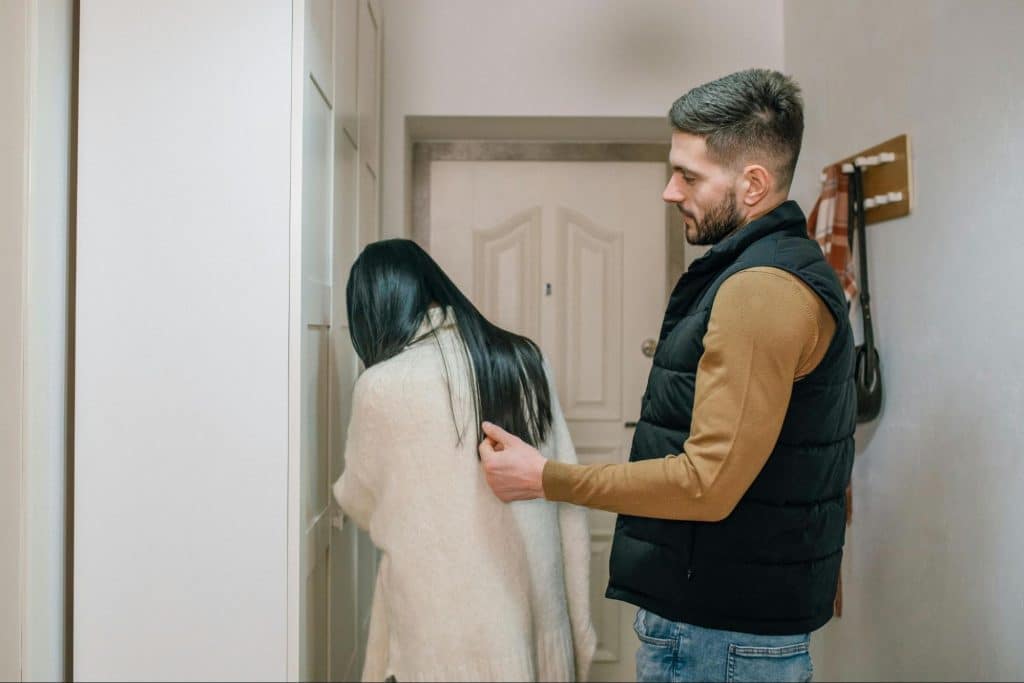
Love rarely disappears all at once; it fades quietly as repeated disappointments reshape how a partner feels. Many women leave not because the love is gone, but because the relationship no longer feels safe, hopeful, or emotionally sustainable. These turning points are subtle, and most men don’t recognize them until the distance becomes permanent. What feels “small” or “temporary” to one partner may feel like a warning sign to the other. Understanding these reasons isn’t about blame, it’s about awareness. When the emotional load becomes heavier than the love can balance, leaving becomes an act of self-preservation rather than rejection.
She Feels Unheard for Too Long

Consistent lack of acknowledgment slowly convinces her that speaking up no longer makes a difference. Even when love exists, the fatigue of repeating the same needs without change becomes overwhelming. Feeling unheard creates emotional loneliness long before physical distance appears. Over time, she stops sharing because silence feels less painful than another disappointment. This shift is one of the earliest signs that her hope is thinning. When her voice feels irrelevant, her heart begins to detach for survival.
Emotional Labor Becomes One-Sided

When she becomes responsible for smoothing tension, initiating conversations, and holding the relationship together, the imbalance becomes unsustainable. Love alone can’t compensate for the exhaustion of carrying both emotional roles. Over time, she starts feeling more like a caretaker than a partner. This dynamic quietly drains attraction, safety, and connection. When the imbalance becomes normalized, she eventually steps away to reclaim her emotional stability.
She No Longer Believes Change Will Happen
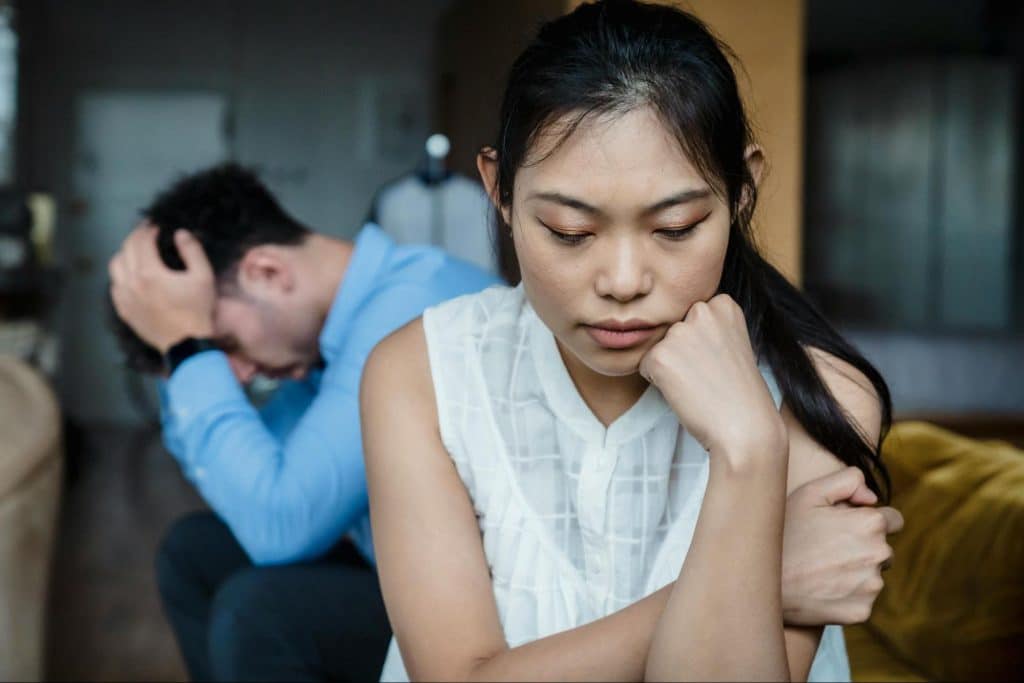
A woman may stay for years hoping for growth, progress, or shared effort. When apologies repeat but behavior doesn’t shift, she stops believing improvement is possible. This loss of faith is often the true breaking point, not the conflict itself. Love can survive frustration, but it cannot survive hopelessness. Once she stops expecting change, she begins preparing emotionally to leave long before she physically does.
She Feels Taken for Granted

Routine can disguise neglect, especially when effort fades gradually. When small gestures disappear and appreciation becomes rare, she interprets it as declining value. Feeling overlooked wears down her emotional connection even if love remains. She may stay for a long time hoping you’ll notice the shift, but unreciprocated effort eventually becomes resentment. Leaving becomes a way to protect her self-worth rather than punish the relationship.
The Relationship Feels One-Directional
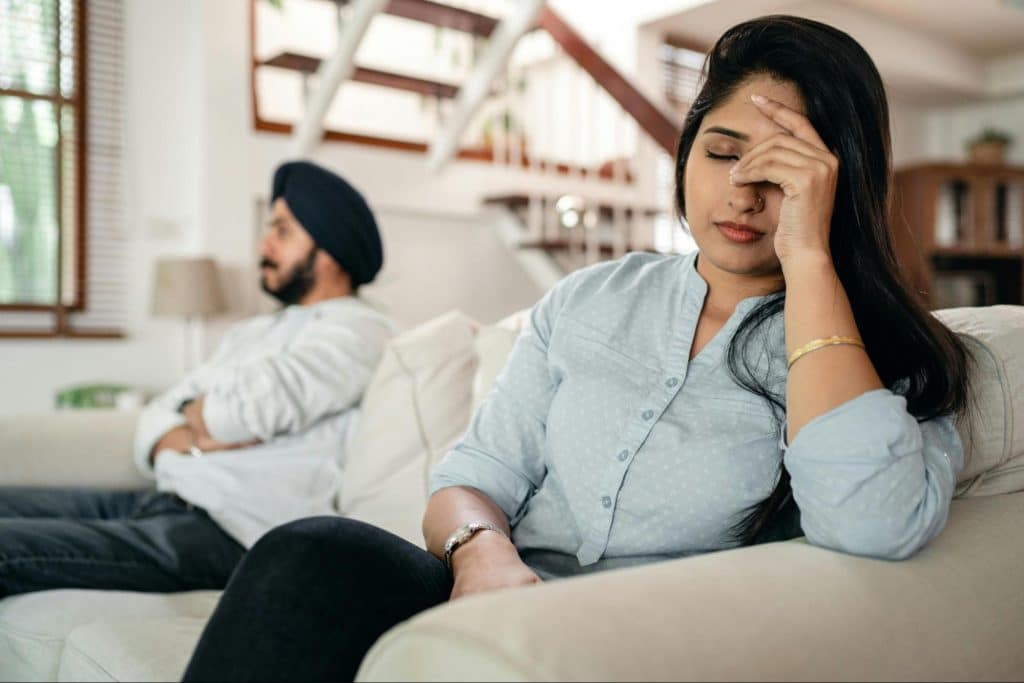
When she invests in closeness, routines, or emotional health but receives minimal engagement in return, exhaustion sets in. Women tend to leave when they feel like the only one nurturing the bond. A one-directional partnership forces her into a role she never agreed to, being the motivator, the planner, and the emotional anchor. Love can’t thrive without reciprocity. The absence of shared effort becomes a quiet but powerful push out the door.
She Feels More Like a Roommate Than a Partner
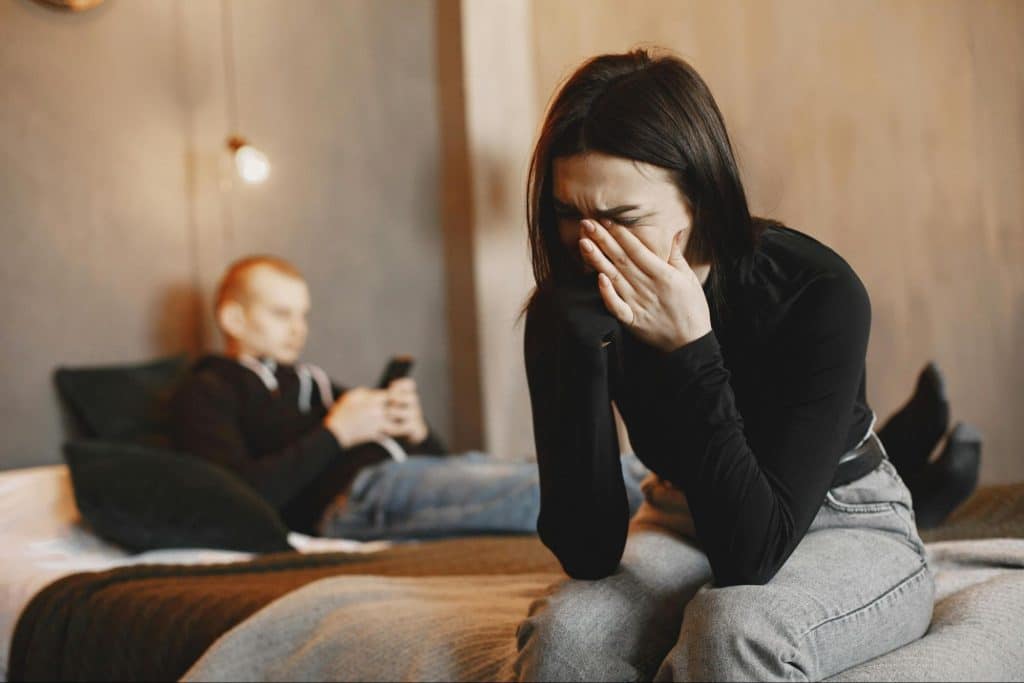
When affection fades, conversations shrink, and routines dominate, the relationship transitions into coexistence. Living under the same roof without emotional connection slowly erodes intimacy. Women interpret this shift as a sign that the relationship has plateaued. Love may still be present, but the lack of emotional engagement becomes suffocating. Leaving becomes the only way to feel connected to herself again.
Communication Turns Into Conflict Avoidance
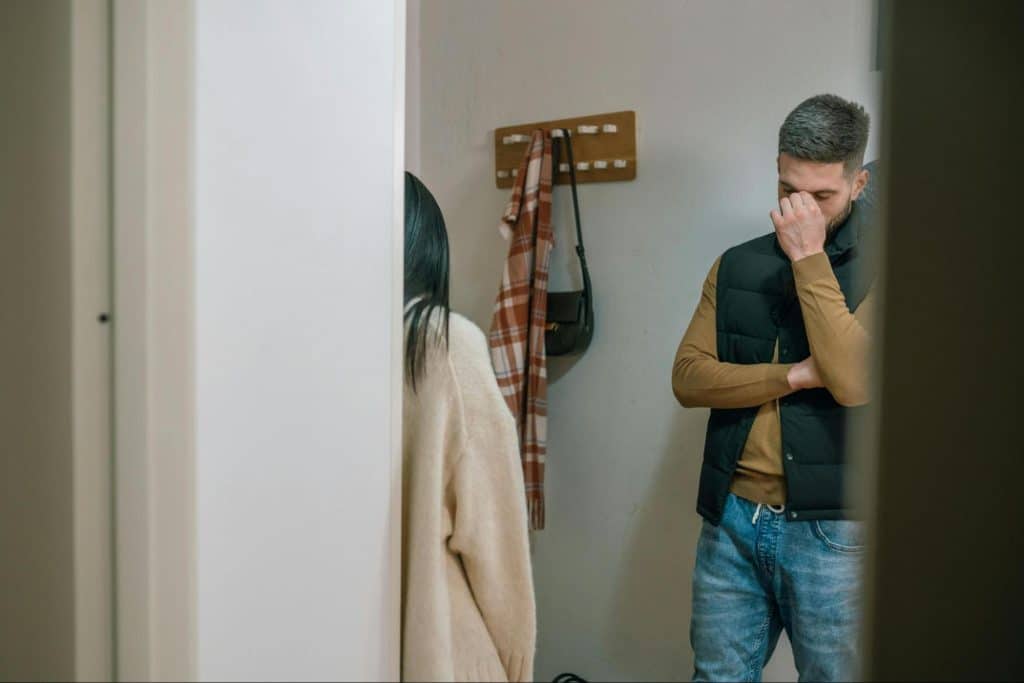
When open dialogue becomes too draining, she begins swallowing her feelings to keep the peace. This creates a controlled environment rather than a shared emotional space. Over time, suppression replaces connection. She no longer feels safe expressing needs or concerns without fear of being dismissed or misunderstood. Once emotional safety is compromised, love alone cannot keep her rooted in the relationship.
She Walks on Eggshells
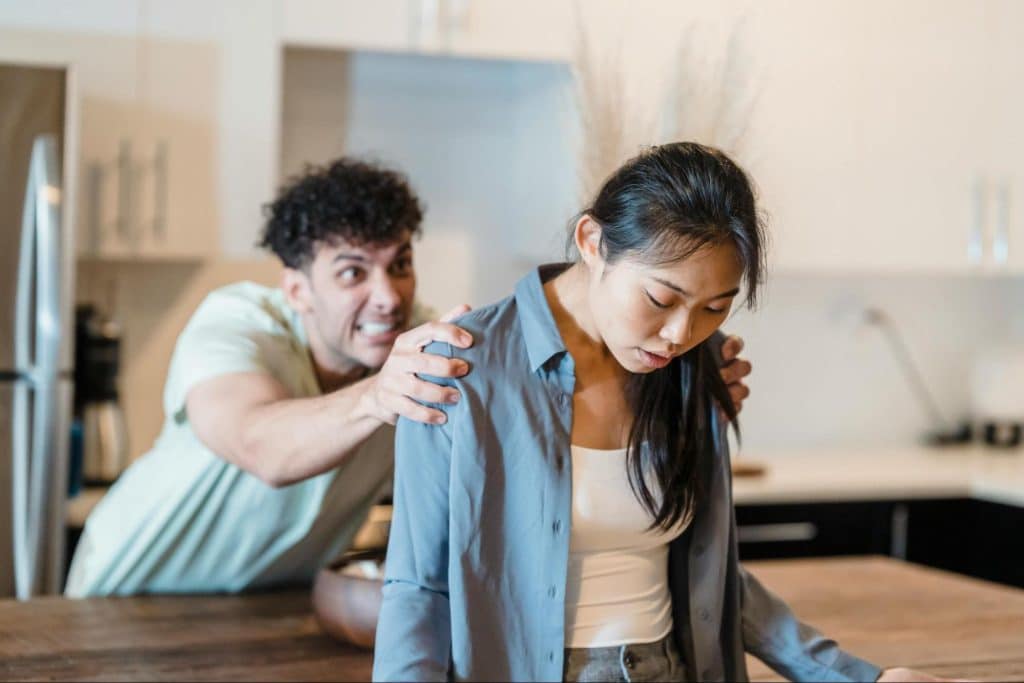
If she adjusts her tone, words, or behavior to prevent conflict or irritation, the relationship becomes emotionally threatening. Even mild unpredictability in your reactions can create a pattern of self-protection. Love cannot thrive where caution replaces authenticity. Once she realizes she cannot relax around you, her attachment begins to detach. Leaving becomes an act of emotional self-defense.
She Doesn’t Trust You With Her Vulnerability
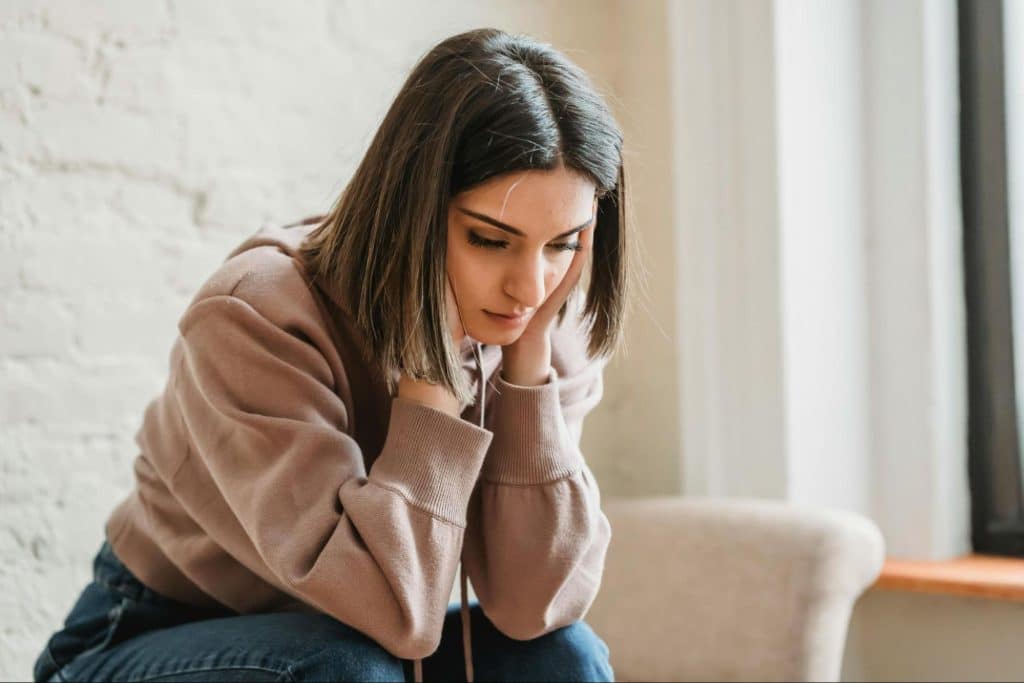
Vulnerability is the foundation of long-term intimacy. When she no longer feels safe sharing her fears, dreams, or insecurities, the relationship loses its emotional depth. If her vulnerability has been met with minimization, impatience, or judgment, she retreats internally. She begins confiding in others, or she stops confiding at all. That internal retreat is the first step toward physically leaving.
Affection Stops Feeling Natural
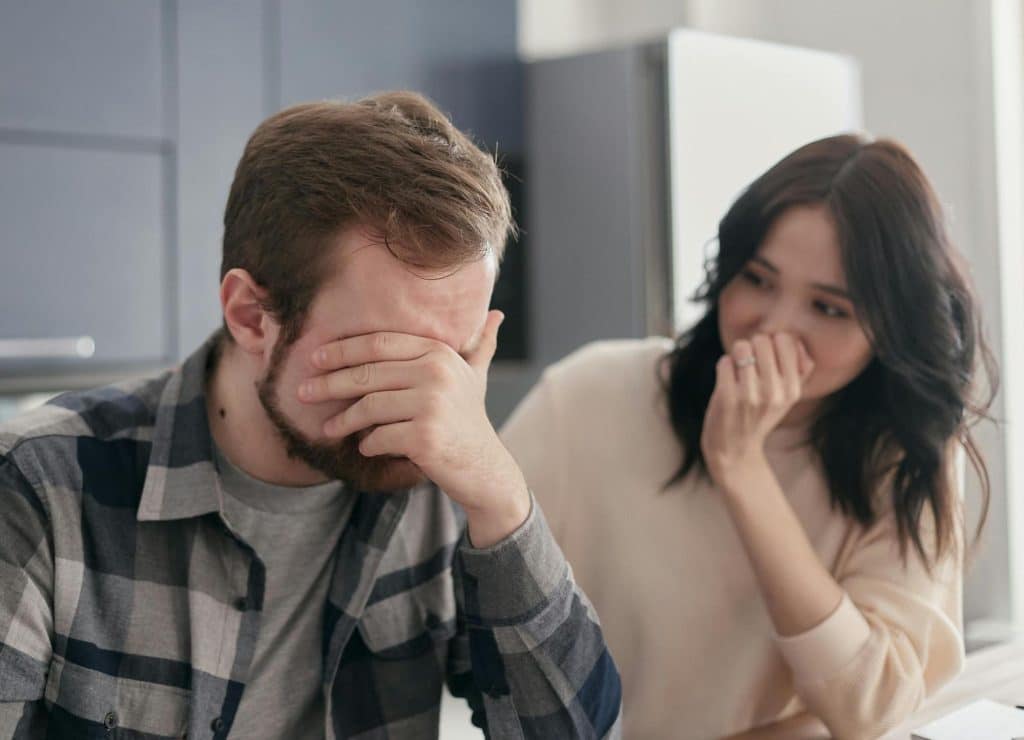
A lack of physical or emotional affection signals a disconnect she can no longer ignore. When intimacy feels forced, rushed, or omitted, she interprets it as fading desire. Even if the love remains, the absence of warmth creates emotional starvation. Women leave not because they don’t care, but because they can’t thrive without connection. When affection is inconsistent, so is her sense of belonging.
She Feels Unsupported During Stress
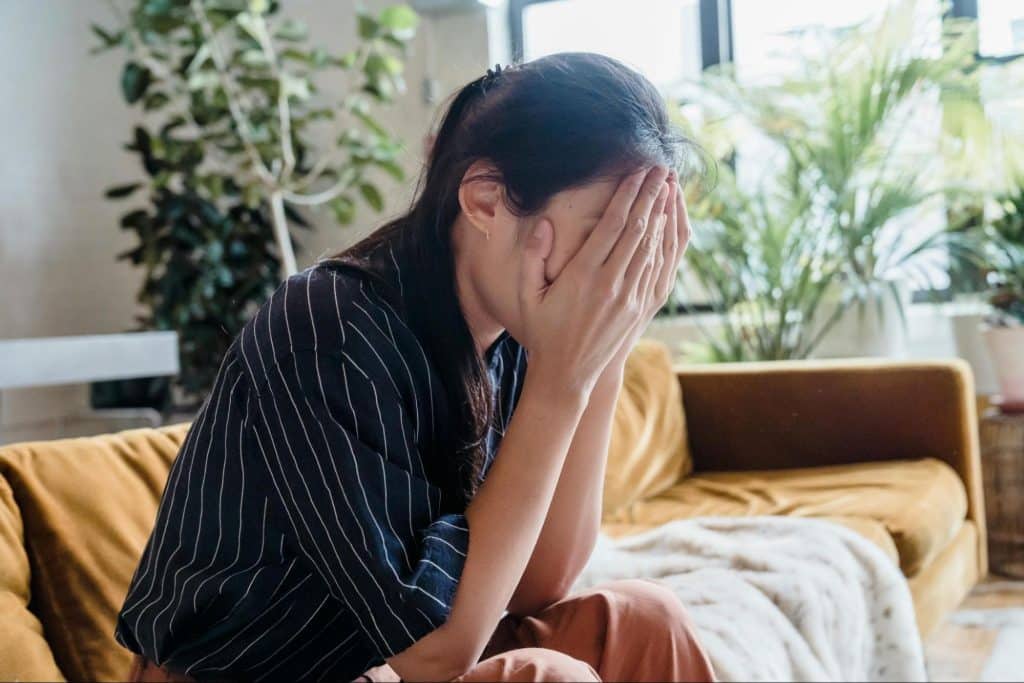
Support during difficult moments is one of the clearest indicators of partnership. When she faces challenges alone while you remain distant, distracted, or dismissive, it weakens the bond. Feeling unsupported makes her believe she cannot rely on you long-term. Over time, she starts imagining a life where she manages everything without additional emotional strain. That vision eventually becomes reality.
Her Effort Isn’t Matched Emotionally or Practically
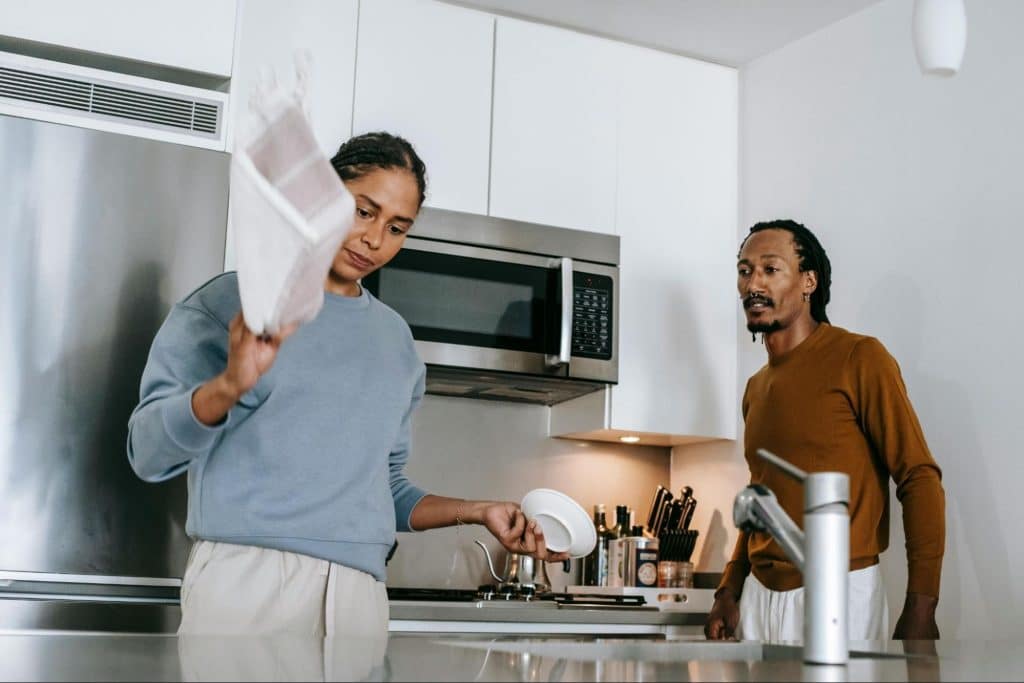
Relationships require balance, not perfection. When she consistently invests more, whether in emotional effort, household responsibilities, or relationship maintenance, she feels undervalued. This imbalance breeds resentment, even when love is still present. She leaves not because she wants to, but because she cannot sustain a partnership alone. The absence of shared effort becomes undeniable evidence that the relationship has stalled.
She Sees No Growth
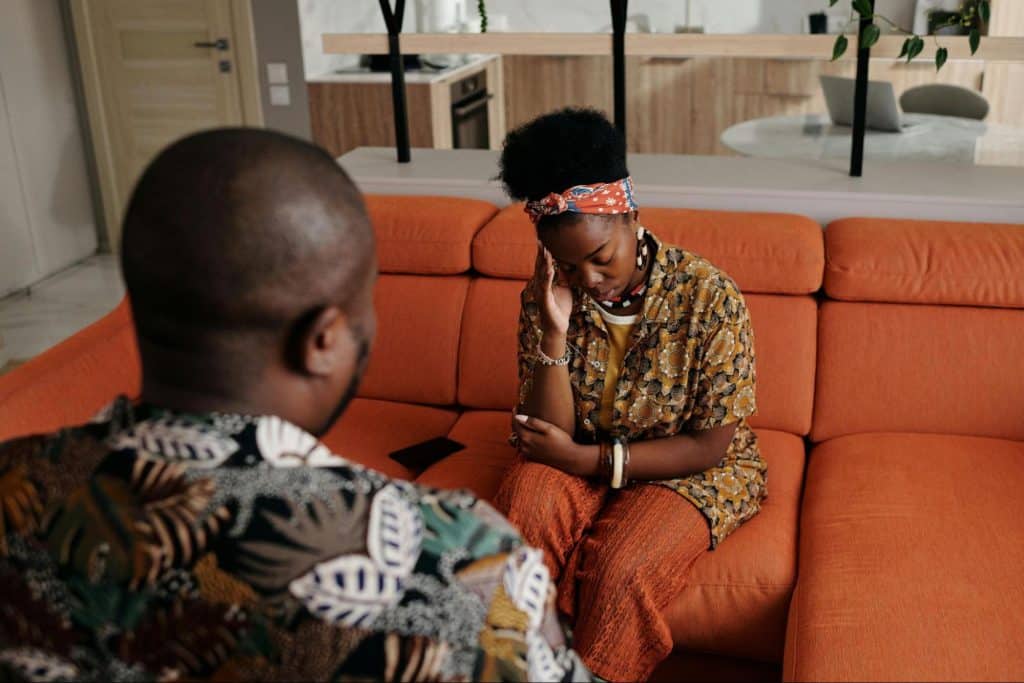
Stagnation is one of the biggest reasons women leave loving relationships. If the relationship doesn’t evolve, deepen, or adapt to new phases of life, she feels trapped. Love without progress becomes emotional suffocation. She leaves not to find someone “better,” but to find a version of life where movement exists. Without forward momentum, the relationship becomes a place she outgrows.
She Feels More Peace Alone Than With You

Peace often outweighs love when emotional fatigue becomes overwhelming. If solitude brings more stability than partnership, she begins detaching internally. Women tend to leave when the relationship becomes the source of stress instead of comfort. Love cannot override the nervous system’s need for safety. When calmness and partnership diverge, calmness wins.
She No Longer Recognizes Herself in the Relationship

People evolve, but relationships sometimes don’t grow with them. When her identity feels limited, diminished, or unsupported within the partnership, she starts envisioning a life beyond it. Love softens the pain, but it doesn’t erase the internal dissonance. She leaves when staying requires abandoning parts of herself. Self-preservation becomes stronger than attachment.
You’re Present but Not Connected

The hardest departures happen when you’re physically there but emotionally distant. This creates confusion, longing, and unmet needs all at once. She may love you deeply, but she can’t build a future with someone who feels out of reach. Emotional absence is often louder than physical absence. When connection fades beyond repair, she steps away to protect her heart.
She’s Tired of Explaining the Same Hurt
Repetition gradually weakens emotional resilience. Each time she explains the same need or pain without lasting change, her belief in the relationship diminishes. Eventually, she realizes her feelings aren’t influencing the dynamic. Love may remain, but her willingness to fight for the relationship evaporates. Leaving becomes the only path that stops the cycle.
She Stops Feeling Chosen

Women leave when they no longer feel prioritized, desired, or emotionally chosen. Even subtle shifts, disinterest, disengagement, or competing priorities, signal declining investment. She may still love you, but she won’t stay where she feels secondary. Being chosen is not about grand gestures; it’s about consistent presence. When that consistency fades, so does her attachment.
Conclusion

Women rarely leave loving relationships impulsively; the decision forms slowly through repeated emotional disconnects. The final choice is usually made long after she has tried, adjusted, and hoped for change. These 17 reasons highlight where the emotional gaps begin and why they widen. Awareness of these patterns allows men to rebuild connection before distance becomes permanent. Every relationship can be repaired when both partners choose consistent effort over comfort. Love survives when attention, listening, and growth remain at the center.








Ask Me Anything