
Outside validation often feels thrilling because it is simple, flattering, and low-responsibility. Marriage, on the other hand, includes real life: chores, stress, fatigue, and hard conversations. Many people do not chase validation because they hate their spouse; they chase it because it makes them feel alive and chosen again. The danger is that validation can become emotional avoidance disguised as confidence. It creates a temporary high while leaving the real relationship underfed. Over time, the gap between “easy excitement” and “real partnership” becomes addictive. These reasons explain why validation outside marriage can feel more exciting, even when it costs more than people admit.
Outside People See Your Best Version First

In marriage, your spouse sees your stress, flaws, and messy days. Outside people often see your polished version. That creates a flattering mirror that feels easier to enjoy. You feel admired without being deeply known. It can feel like you are “better” around them. The validation hits fast because it is based on presentation, not reality. The marriage feels heavier by comparison because it contains the whole truth. A highlight version will always feel easier than a full version.
Praise Feels Rare at Home but Common Outside

Many couples stop expressing appreciation as a daily habit. They assume love is understood, so praise becomes optional. Outside validation often includes compliments, attention, and enthusiasm. That contrast can feel powerful. It is not always about romance; it can be about being noticed. People start craving the environment where they feel valued. The marriage can feel emotionally quiet, not because love is absent, but because expression is absent. Lack of appreciation creates hunger.
There Is No Emotional History to Carry

Marriage comes with old arguments, old wounds, and old disappointments. Outside validation has no history. It feels clean because it is not weighed down by past conflict. The person validates you without the baggage of “you always” conversations. That can feel like relief, especially in midlife when stress is high. The brain prefers clean experiences when it is exhausted. This is why outside attention can feel like freedom. Freedom can be confused with love.
Validation Comes Without Real Responsibility

Marriage requires consistency, compromise, and accountability. Outside validation often requires nothing but charm and availability. You can enjoy the feeling without doing the hard work of partnership. That makes it feel lighter and more exciting. Responsibility can make love feel heavy when the emotional connection is low. People often chase what gives reward without cost. Validation is a low-cost reward at first. The bill arrives later.
Novelty Activates the Brain More Than Familiarity

New attention triggers excitement because the brain responds to novelty. Familiar love feels calmer, which can be misread as “less alive.” Outside validation feels like a spark because it is new, not because it is better. Marriage is designed for stability, not constant novelty. When couples stop creating new experiences together, the relationship can feel stale. The problem is not familiarity; it is neglected freshness. Novelty is a sensation, not a relationship guarantee. Excitement is easy to create, stability is harder to replace.
It Proves You Still “Have It”

Many people fear aging, irrelevance, or losing attractiveness. Outside validation feels like proof that they still matter. That proof can become addictive because it reduces insecurity temporarily. It can also feel like identity repair in midlife. Instead of building confidence internally, some people outsource confidence to attention. The marriage does not always provide constant proof because long-term love is assumed. That assumption can feel like invisibility. Validation becomes a fast fix for self-doubt.
It Feels Like an Escape From Stress at Home
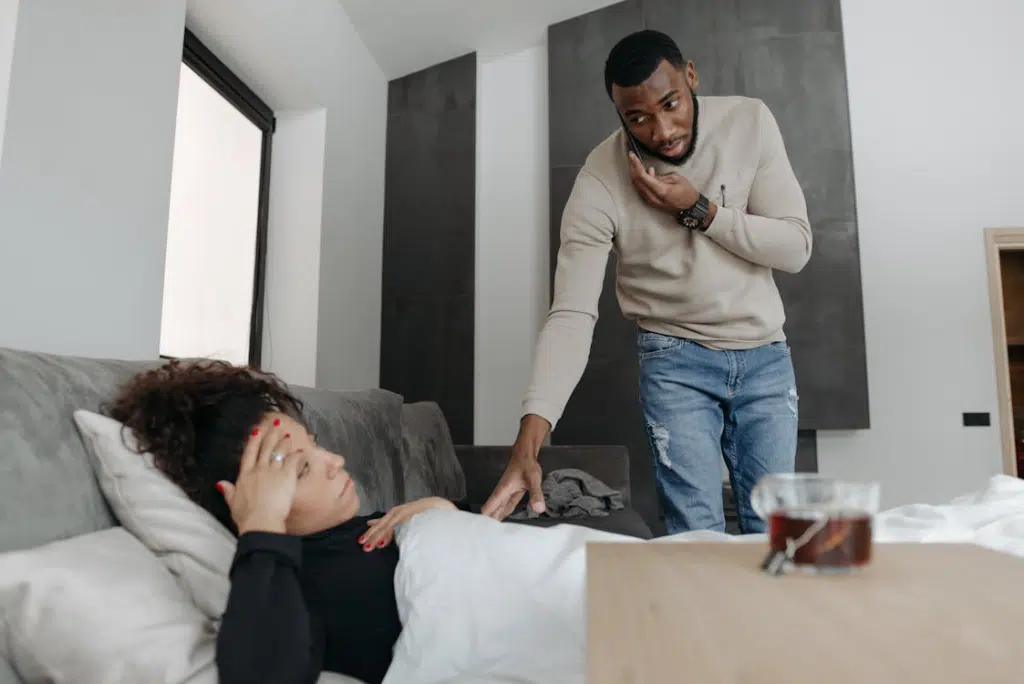
If home is mostly chores, conflict, or tension, outside attention feels like relief. It becomes a mental vacation from responsibility. Even small validation moments can feel like oxygen. The danger is that the person starts treating escape as self-care. Real self-care would repair the relationship or set boundaries, not build secrecy. But escape feels easier than repair. That is why it becomes attractive. Relief can become a trap.
It Creates a Fantasy Version of You

Outside validation often invites you to be more playful, confident, and light. You feel like a better version of yourself. Marriage can feel heavier because your partner sees your real life stress. The contrast makes the outside connection feel “more real,” even though it is less tested. Fantasy is seductive because it removes consequences. People fall in love with who they are in the fantasy, not the other person. The marriage feels dull when fantasy becomes the reference point. Fantasy has no chores and no history.
You Get Immediate Feedback Instead of Delayed Repair

In marriage, when something is off, it takes work to fix. Outside validation gives immediate reward. Compliments land instantly and boost mood quickly. That quick feedback trains the brain to crave more. Marriage is a long-term system, not an instant reward machine. When couples stop maintaining connection, the reward cycle weakens. People then chase what rewards them fast. Quick reward can override long-term values. Convenience becomes temptation.
It Feels Safer Than Vulnerability With Your Spouse

Vulnerability in marriage can feel risky after conflict, criticism, or rejection. Outside validation feels safer because the stakes appear lower. You can share parts of yourself without fear of judgment. But it is often a false safety because the relationship has not been tested. Still, it feels easier in the moment. Marriage requires honesty that can expose pain. People avoid that pain by seeking easy affirmation. Avoidance creates distance at home.
Marriage Can Become Transactional if Connection Is Low

When couples stop dating each other, the relationship can become purely logistical. Conversations become about bills, schedules, and tasks. Outside validation brings emotional tone back: excitement, curiosity, and warmth. That contrast can feel dramatic. People start associating marriage with work and outside validation with life. The truth is that marriage can feel alive again with effort, but it requires intentional habits. Without intentionality, the relationship becomes mechanical. Mechanics do not feel romantic.
Social Proof and Attention Can Feel Like Status

Some people enjoy validation because it boosts status. They feel admired, chosen, or pursued, and it becomes a confidence symbol. Marriage does not always provide status feelings because it is private and stable. The outside world can feel like a stage where attention proves value. This is especially risky for people who tie worth to being desired. Attention becomes a trophy rather than a connection. Trophy-based validation never satisfies long-term. It demands more and more to feel the same.
The Marriage Might Lack Clear Appreciation Rituals

Many couples do not have daily or weekly habits that create gratitude. They do not check in, compliment, or celebrate small wins. Without rituals, appreciation becomes accidental. Outside validation is frequent because it is often intentional or playful. This makes marriage feel quiet and outside attention feel loud. The fix is not chasing attention, it is building appreciation habits at home. Rituals make love visible. Without them, love can feel absent even when it exists. Visibility matters.
Unresolved Resentment Blocks Attraction at Home

Resentment makes affection feel unsafe or fake. When the marriage has emotional debt, warmth feels forced. Outside validation has no debt, so it feels easier. The person feels open, playful, and responsive outside the marriage. That contrast can be confusing and can create self-justification. But the real issue is unresolved resentment at home. Resentment must be repaired, not ignored. Otherwise, outside validation will keep feeling better.
Outside Validation Doesn’t Require You to Face Your Own Patterns
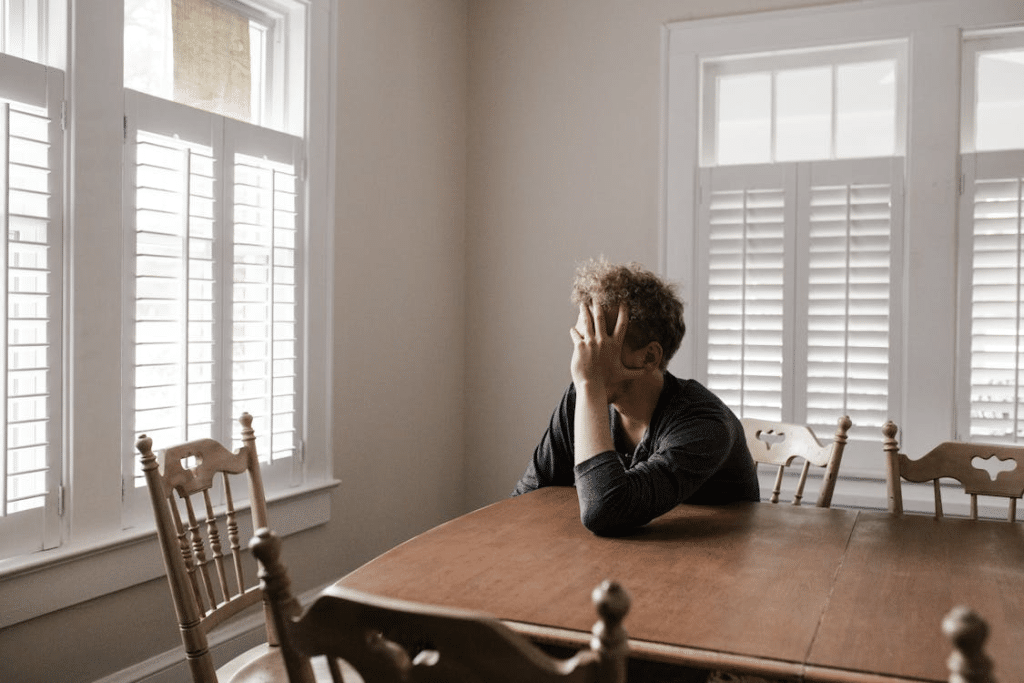
Marriage often forces self-reflection. It reveals flaws, triggers, and bad habits. Outside validation can allow you to feel good without accountability. That feels exciting because it avoids discomfort. But avoiding growth creates long-term problems. People who chase validation often are avoiding inner work. Inner work is slower, but it builds real stability. Validation is fast, but it fades. Growth is the long-term solution, not attention.
It Turns Life Into a “What If” Story

Outside attention creates imagination: “What if I chose differently?” That fantasy can feel intoxicating. It makes daily marriage routines look dull. The mind starts rewriting the story of the marriage as limitation. “What if” energy is powerful because it is infinite and untested. It ignores the real work required in any relationship. Fantasy creates hope without responsibility. Responsibility is what makes marriage real. “What if” can become emotional sabotage.
Attention Can Become a Coping Strategy for Low Self-Worth

Some people use validation to regulate mood and confidence. If they feel anxious or insecure, attention becomes relief. This is risky because it trains dependency. The person needs constant external proof to feel okay. Marriage cannot provide endless proof without becoming exhausting. The spouse may also feel used rather than loved. Self-worth needs internal foundation. When self-worth is outsourced, temptation grows.
Outside Validation Often Has Clearer Boundaries Than Marriage Conversations

This sounds backward, but it happens. At home, discussions can be messy, emotional, and confusing. Outside validation can feel simple: compliments, laughter, and easy connection. Because it avoids deeper issues, it feels smooth. Smoothness is not the same as health, but it feels exciting. People prefer smooth interactions when they are tired. The marriage feels harder when communication habits are weak. Fixing communication reduces the appeal of outside ease.
The Marriage Might Feel Like It Has “No Consequences” Anymore

Some people get complacent in long-term commitment. They assume their partner will stay no matter what. That reduces effort and increases entitlement. Outside validation then feels exciting because it reminds them effort still matters. The danger is that they seek excitement instead of restoring effort inside the marriage. Commitment should deepen investment, not reduce it. When investment drops, boredom grows. Validation becomes a substitute for real partnership.
Validation Is Easy Excitement—Marriage Is Built Excitement

Outside validation feels exciting because it is fast, flattering, and low-responsibility. Marriage can feel less exciting when appreciation, novelty, repair, and attention are missing. The solution is not secrecy or chasing attention; it is rebuilding connection through daily habits and honest conversations. When a marriage becomes emotionally safe and appreciative again, outside validation loses its power. The goal is not to never feel noticed by others. The goal is to not need it to feel alive. A strong marriage makes validation optional, not addictive. Excitement returns when connection becomes intentional.








Ask Me Anything