
Many men stay in relationships long after the spark has faded–not because they’re weak, but because leaving can feel like failure, chaos, or betrayal of their own values. While outsiders may assume it’s pride, laziness, or comfort, the truth is far more complex. Emotional ties, loyalty, fear of loneliness, and societal pressures all play a role.
Understanding why men stay–even when unhappy–can reveal how deeply many are wired for responsibility, routine, and hope. Here’s what often keeps them in place, even when their hearts have quietly moved on.
1. They’ve Invested Too Much to Walk Away
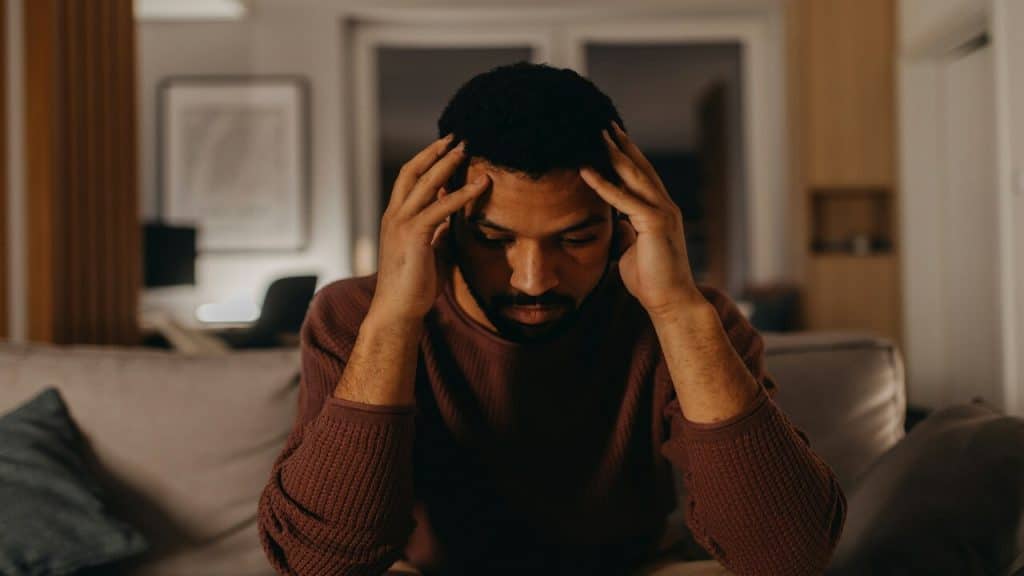
Men often see relationships through the lens of investment–time, effort, money, and emotional labor. The thought of starting over can feel like erasing years of hard work. They convince themselves that staying is proof of loyalty and perseverance, not stagnation. But this “sunk cost fallacy” can keep them trapped in something that’s no longer good for either person. Learning to distinguish between commitment and emotional imprisonment is key to breaking free.
2. They Fear the Unknown

Even unhappy relationships provide structure and predictability. The idea of facing an uncertain future–dating again, living alone, rebuilding a social life–can feel terrifying. Many men equate familiarity with safety, even when it hurts. The practical way forward is to face the discomfort of uncertainty head-on. Growth often begins the moment you stop running from the unknown.
3. They Don’t Want to Hurt Their Partner

For men who care deeply, leaving isn’t about freedom–it’s about guilt. They worry about how their partner will take it, how others will judge them, and whether they’ll be seen as the villain. This emotional burden can keep them silent and compliant. What helps is reframing leaving as honesty, not cruelty. Sometimes ending a relationship is the kindest choice for both.
4. They’ve Normalized Unhappiness

Over time, many men get used to emotional distance, constant conflict, or cold silence. It becomes the new normal. They convince themselves that all relationships eventually lose passion or connection. This quiet resignation is dangerous–it numbs them to what healthy love actually feels like. Relearning what emotional fulfillment looks like can reignite their standards.
5. They Confuse Loyalty with Obligation

Loyalty is a virtue–but blind loyalty can be a trap. Some men equate sticking around with being a “good man.” They see leaving as selfish or cowardly. Yet genuine loyalty isn’t about endurance; it’s about being true to yourself and your partner. Staying out of duty, not desire, ultimately breeds resentment.
6. They’re Afraid of Losing Access to Their Children

For fathers, leaving often means risking less time with their kids. Many choose unhappiness over the pain of separation. They tell themselves it’s for the children’s stability–but kids pick up on emotional disconnection, too. The real solution lies in co-parenting from a place of peace and honesty, not staying in a home full of quiet tension.
7. They Hope Things Will Get Better

Optimism can be both beautiful and blinding. Men often hold onto hope that things will improve with time, therapy, or effort. But when hope turns into denial, it prevents real change. Healthy hope should inspire action, not delay it. The difference lies in recognizing when effort still matters–and when it’s time to accept reality.
8. They Fear Financial Fallout

Divorce or separation can bring serious financial consequences. Many men worry about splitting assets, paying alimony, or losing the home they worked for. This fear keeps them anchored to unhappiness. While practical concerns are valid, staying purely for financial safety often costs far more emotionally. Consulting professionals can help map a clearer, less fear-driven plan.
9. They Feel Responsible for Their Partner’s Well-Being

Some men take on a caretaker role, feeling it’s their job to “fix” or support their partner indefinitely. This sense of duty can blur the line between compassion and self-sacrifice. When their own needs go unmet, resentment grows. Real love includes balance–helping your partner shouldn’t mean abandoning yourself.
10. They’ve Lost Touch with Their Own Needs

Many men are taught to suppress emotions and prioritize others. Over time, they forget what they actually want or need in a relationship. They stay because they can’t clearly define what happiness would even look like anymore. Reconnecting with personal desires and values is the first step to rediscovering clarity.
11. They Worry About Social Judgment

Society often praises men who “stick it out” and frowns upon those who leave. Fear of gossip, criticism, or being labeled a failure can make walking away feel unbearable. But public opinion fades–your peace doesn’t. Learning to prioritize internal validation over external approval can be liberating.
12. They Mistake Comfort for Compatibility
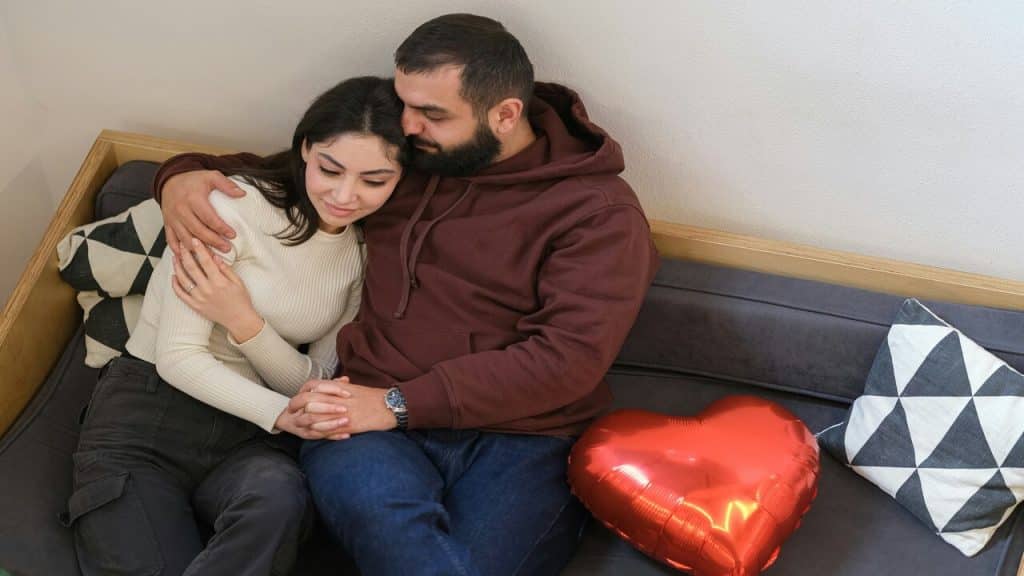
Comfort isn’t the same as connection. Men may stay because life feels easy or familiar, even if emotional intimacy is gone. The routine gives a false sense of stability. True compatibility, however, should make you feel seen and energized, not just settled. Choosing growth over comfort is often where fulfillment begins.
13. They Feel Emotionally Dependent

Even in strained relationships, emotional dependency can develop. The idea of being without that constant presence feels unbearable. It’s not love they’re holding onto–it’s attachment. Learning to build emotional independence helps them find strength beyond the relationship, rather than inside it.
14. They Want to Avoid Conflict

Some men would rather tolerate quiet misery than endure a confrontation. They fear fights, emotional scenes, or long discussions. Yet this avoidance only prolongs pain. Facing discomfort with maturity–through calm, direct communication–creates the clarity both people need to move forward.
15. They Still Care, Even If They’re Unhappy

Love doesn’t always disappear when happiness does. Men can still care deeply for their partners even while feeling unfulfilled. This emotional contradiction keeps them stuck–torn between affection and emptiness. The hard truth is that love alone isn’t enough to sustain a healthy relationship without mutual effort and joy.
16. They’re Afraid of Being Alone

Loneliness is one of the most powerful fears for men. After years of companionship, the idea of silence and solitude can feel unbearable. Yet learning to be alone can actually rebuild confidence and emotional resilience. It’s not isolation–it’s recovery.
17. They Don’t Realize How Unhappy They Are

Sometimes unhappiness creeps in slowly, disguised as routine or mild discontent. Men may convince themselves that this is just what long-term love looks like. But emotional numbness isn’t normal–it’s a signal. Reflection, journaling, or therapy can help reveal what’s really missing.
18. They’re Waiting for Their Partner to Leave First

Many men stay because they don’t want to be “the one who ended it.” They wait, hoping their partner will make the decision for them. But passive waiting keeps both people stuck. Taking responsibility for your own emotional truth–no matter how uncomfortable–is an act of courage, not cruelty.








Ask Me Anything