
Divorce isn’t always about drama or betrayal. For a lot of men, it’s about waking up one day and realizing they can’t keep living like a ghost in their own home. You start thinking about the years slipping by, the stress you carry, and the way your energy is drained every single day. Eventually, the weight of unhappiness feels heavier than the fear of change, and that’s when the decision comes. This isn’t about excuses or blame—these are the hard, honest reasons men finally choose divorce after holding on for too long.
Cheating and Betrayal

Infidelity hits like a wrecking ball. Even if problems existed before, betrayal often slams the door shut for good. Trust, once broken, rarely rebuilds the same way. Some men try to forgive, but the wound lingers in every interaction. For many, cheating is the line that can’t be uncrossed, and divorce is the only option left.
Financial Strain and Conflict

Money stress is one of the fastest ways to poison a marriage. Constant arguments about spending, saving, or debt wear down even the strongest men. The pressure to provide often turns into blame and resentment. Over time, fights about money become more destructive than the financial problem itself. Divorce, for many men, is a way of ending the never-ending conflict.
Emotional Neglect

A marriage without emotional connection feels like two strangers sharing bills. Men may not voice it, but being ignored or emotionally dismissed cuts deep. Over time, the distance creates more silence than conversation. That loneliness is harder than being single. For many men, divorce becomes the step toward reclaiming connection and presence in their lives.
Loss of Respect

Respect is not optional for men. Without it, love feels hollow and partnership feels fake. A man who is constantly talked down to or dismissed eventually stops seeing himself as part of the marriage. Once respect dies, no amount of routine or history can make up for it. Many men decide to leave because staying without respect feels like betraying themselves.
Toxic Environment for Kids

A tense home is not a safe home for children. Constant fighting, yelling, or cold silence shapes kids more than parents realize. Men often stay to “protect” their children, only to realize the environment is harming them. Divorce becomes an act of putting kids, not abandoning them. Many fathers leave so their children can grow up without daily chaos.
Constant Criticism

Living in a home where every move gets judged wears a man down. A relationship without encouragement turns into a scoreboard of failures. When daily conversations feel like performance reviews instead of support, respect takes a nosedive. Men often reach a breaking point when criticism becomes the soundtrack of their marriage. Divorce starts to feel less like quitting and more like the only way to breathe again.
No Physical Intimacy

Sex is not just about pleasure; it’s about closeness and validation. When intimacy fades for years and every attempt to reconnect gets shut down, rejection becomes a quiet form of punishment. Men who live in that cycle stop feeling like husbands and start feeling invisible. It’s rarely just about sex—it’s about feeling wanted. Walking away becomes the only option when that part of the marriage is gone for good.
Different Life Goals

Sometimes two people simply grow in different directions. One partner wants children, the other doesn’t. Or one dreams of a new career path while the other clings to security. Staying together means burying personal dreams, and eventually, resentment builds. Men leave when they realize sacrificing themselves for the sake of staying married costs too much.
Carrying All the Responsibility

When one partner feels like they’re carrying the marriage on their back, the load gets unbearable. Men who work full-time, parent full-time, and still try to hold the household together often end up exhausted. That imbalance breeds resentment, and resentment eventually replaces love. Divorce becomes the choice when the weight never gets shared.
Verbal or Emotional Abuse

Abuse doesn’t always leave bruises. Constant yelling, insults, or manipulation tear a man down over time. Many men hesitate to admit they’re on the receiving end, but the damage is real. Living in that environment becomes a matter of survival rather than partnership. Leaving is not weakness—it’s protection.
Addiction Issues

Addiction can destroy a relationship from the inside out. Living with a partner who refuses to face their dependence on alcohol, drugs, or gambling creates chaos. Trust and stability disappear, replaced by a constant state of crisis. Men often stay too long, hoping things will change, but eventually the pain outweighs hope. Divorce becomes the only way to protect themselves and their children.
Unresolved Conflicts That Never Improve

Some couples fight about the same issues for years with zero progress. The arguments play like a broken record, and nothing ever changes. Hope drains out of the relationship when every conversation circles back to the same unresolved battles. Men eventually give up on the idea of fixing it. Divorce is chosen because endless fighting is no way to live.
Lack of Shared Interests or Connection

Growing apart is real. One day, you realize you’re living with someone you barely talk to outside of logistics. Shared laughs, hobbies, or even meaningful conversations are long gone. That quiet disconnection is lonelier than being single. Many men decide it’s better to start over than keep living as roommates.
Constant Power Struggles

When every decision turns into a control battle, the marriage feels like a never-ending war. Small disagreements spiral into big standoffs. Living in constant conflict robs men of peace and freedom. They stop seeing a future in the relationship and start craving relief. Divorce becomes the way to end the battles once and for all.
Refusing to Get Help
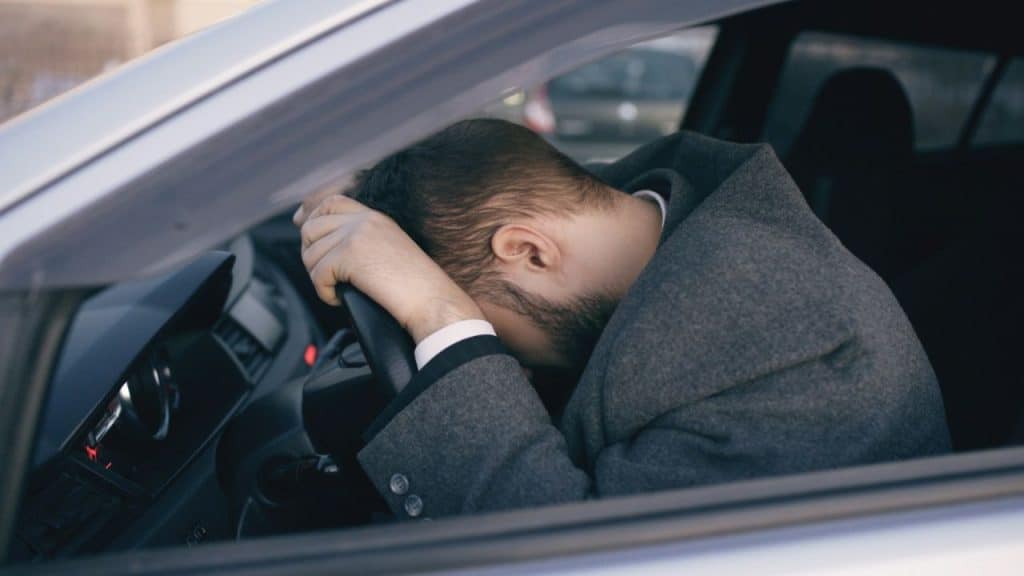
Many marriages reach a point where counseling or therapy could help. But if one partner flat-out refuses, the cycle never breaks. Men who are willing to put in the effort feel hopeless when their partner won’t meet them halfway. Eventually, the refusal to even try feels like the final answer. Leaving becomes the only realistic option left.








Ask Me Anything