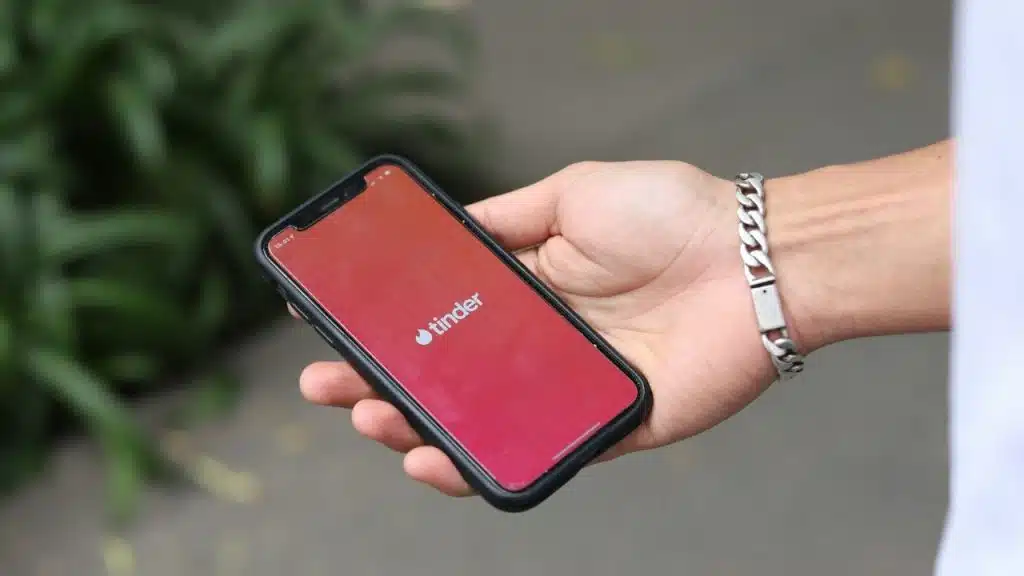
At some point, the apps stopped feeling like opportunity and started feeling like work. Not the good kind either. More like unpaid overtime with no clear upside. If you’ve noticed yourself opening Tinder, scrolling for thirty seconds, then closing it out of boredom or irritation, you’re not alone. A growing number of men are quietly stepping back from dating altogether, not out of bitterness, but out of fatigue.
This isn’t about hating dating or giving up on relationships. It’s about recognizing when the current system feels stacked, draining, or simply misaligned with real life. Here’s what’s actually pushing men to swipe left on romance in 2026.
The Swiping Never Ends, But Nothing Changes
Swiping was supposed to make dating easier. Instead, it turned it into a loop with no clear progress. You can spend weeks swiping, matching, and chatting without ever moving closer to a real connection.
That repetition wears people down. When effort doesn’t lead to results, motivation drops fast. Eventually, the app feels less like a tool and more like a treadmill.
Conversations Die Before They Start

Matches happen. Conversations don’t. Or they start strong and fade without explanation.
After enough one-sided chats and sudden silences, it’s hard not to feel like you’re wasting time. Most men don’t mind rejection. What drains them is ambiguity and constant dead ends.
The Numbers Are Obviously Skewed
Dating apps aren’t neutral environments. Most have far more men than women, which creates intense competition for attention.
That imbalance shapes behavior. Messages go unanswered, matches feel disposable, and effort often goes unrewarded. Over time, many men stop playing a game that feels unwinnable.
Dating Feels More Transactional Than Personal
Profiles are judged in seconds. Conversations feel like auditions. Dates sometimes feel like interviews.
When connection starts to feel like a performance review, something important gets lost. A lot of men step back because they want to be seen as people, not options.
The Cost Adds Up Faster Than Anyone Admits

Dating isn’t cheap anymore. Between meals, drinks, rides, subscriptions, and time off work, it adds up quickly.
When there’s no guarantee of real connection, the cost-benefit math starts to look questionable. Especially for men who are already juggling financial responsibilities.
Apps Reward Attention, Not Compatibility

Most dating apps are designed to keep you scrolling, not settled. That’s how they make money.
This leads to shallow matches, endless options, and very little incentive to commit. Once men realize the system benefits from keeping them single, enthusiasm fades.
Ghosting Has Become Normalized

At one point, ghosting was considered rude. Now it’s standard behavior.
Being ignored after genuine effort doesn’t just sting once. It chips away at trust. Many men eventually decide it’s easier to disengage than keep guessing what went wrong.
There’s Constant Pressure to Be “On”

Photos. Bios. Openers. Replies. Timing. Tone.
Dating apps require constant self-presentation. For men already stretched thin by work and life, that extra mental load feels unnecessary. Sometimes logging off is the simplest form of relief.
Fear of Misinterpretation Is Real

One poorly worded message can be screenshotted, misread, or taken out of context.
Most men aren’t afraid of being respectful. They’re tired of walking on eggshells. When the margin for error feels razor-thin, disengaging feels safer.
AI and Fake Profiles Have Eroded Trust
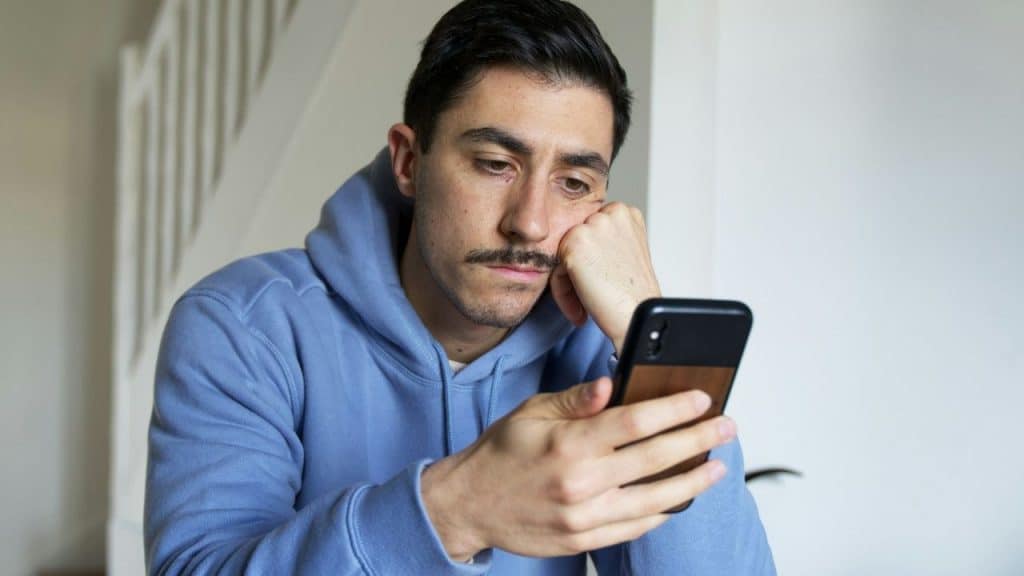
It’s harder than ever to know who’s real. AI-generated photos, scripted conversations, and scams are everywhere.
When trust drops, effort follows. Many men don’t want to invest emotional energy into a system that feels increasingly artificial.
Dating Apps Favor the Top Few Percent

Algorithms tend to amplify already popular profiles. Everyone else fights for scraps of visibility.
For average men, this creates a sense of invisibility. Not because they lack value, but because the system isn’t built to highlight it.
Emotional Burnout Is Catching Up
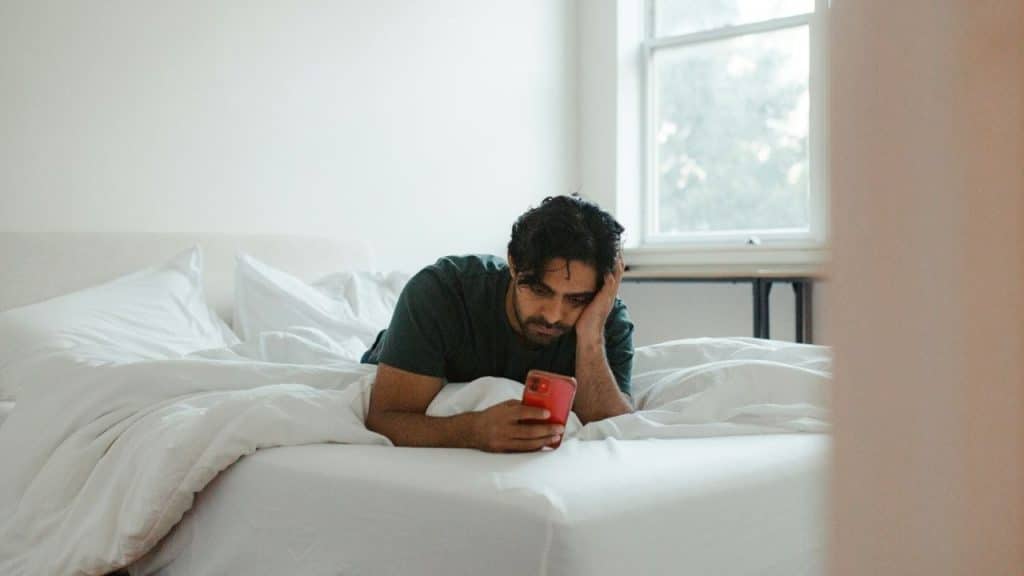
Even when dating isn’t dramatic, it’s still emotionally demanding. Hope, disappointment, excitement, and rejection cycle quickly.
After enough rounds, burnout sets in. Stepping back becomes less about quitting and more about recovery.
Many Men Are Choosing Peace Over Chaos

There’s a quiet shift happening. More men are prioritizing calm, routine, and stability over constant romantic pursuit.
That doesn’t mean they don’t want connection. It means they don’t want it at the cost of their mental health.
Career and Self-Focus Feel More Rewarding
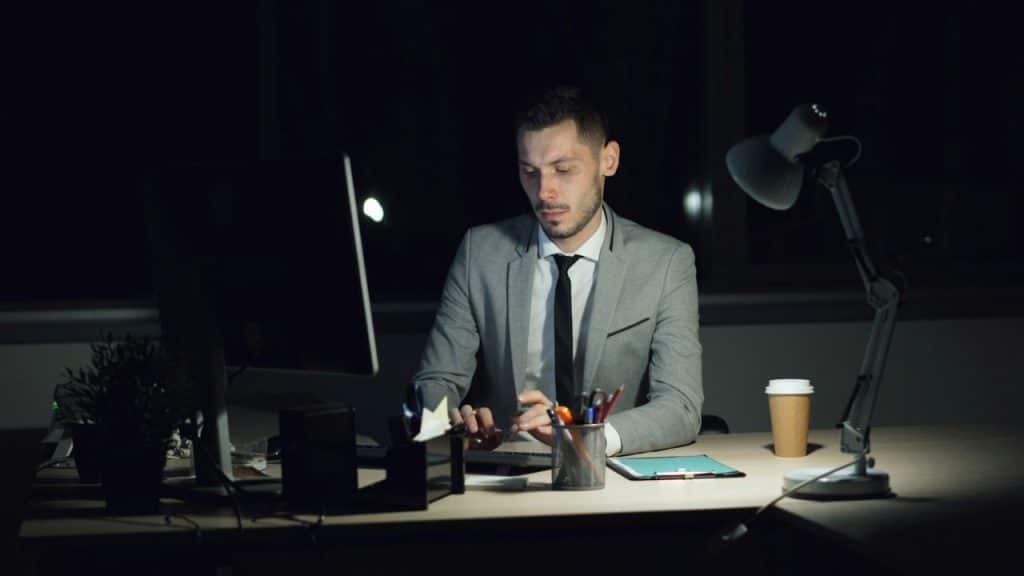
Time spent improving health, finances, or skills often delivers clearer returns than time spent swiping.
For men in their late 30s, 40s, and 50s, focus becomes selective. Dating that feels draining naturally falls lower on the list.
Real-Life Dating Feels Less Risky Than Online

Online dating amplifies misunderstandings. In-person interactions feel clearer and more grounded.
Some men aren’t anti-dating. They’re just done with apps. They’d rather meet people organically or not at all.
Expectations Keep Rising, Effort Feels One-Sided

Many men feel expected to lead, plan, pay, entertain, and impress, often without equal engagement.
When effort isn’t reciprocated, enthusiasm fades. This isn’t resentment. It’s exhaustion.
Being Single No Longer Feels Like Failure

This might be the biggest shift of all. Being single isn’t automatically seen as a problem anymore.
For many men, life feels full enough without forcing romance into an unhealthy system. Stepping back isn’t giving up. It’s choosing not to settle for something that doesn’t work.








Ask Me Anything