
Some couples don’t break up because nothing is “wrong” enough to leave. They pay bills, raise kids, handle responsibilities, and stay loyal. From the outside, it looks solid. But inside, the romance is thin or gone. They feel more like reliable teammates than lovers. Reliability is a strength, but romance needs a different kind of attention: warmth, playfulness, and intentional connection. When those fade, the relationship can still function, but it stops feeling alive. Many couples don’t notice the shift until they realize they haven’t felt desired in a long time. The good news is that reliability is a strong foundation. The bad news is that romance doesn’t grow from autopilot. These are the reasons couples stay reliable to each other but not romantic.
They Treat Romance as Optional “Extra”

They assume romance is for new couples, not long-term ones. So they focus on responsibilities and let affection fade. They don’t see romance as maintenance, they see it as entertainment. Over time, romance becomes rare because it’s never prioritized. The relationship stays stable but emotionally dry. Stability without warmth feels like roommates. Romance doesn’t survive on spare time. It survives on intentional time.
Life Stress Uses Up All Their Emotional Bandwidth

Work, kids, family issues, and exhaustion drain energy. Couples use what’s left to function, not to flirt. They become efficient but not affectionate. Stress also shortens patience and reduces curiosity. When both are tired, romance feels like effort instead of pleasure. They tell themselves it’s just a season, but seasons can last years. Stress becomes the relationship atmosphere. Reliability remains because they keep showing up. Romance fades because they stop feeling playful.
They Confuse Peace With Connection

They’re proud they don’t fight, so they assume the relationship is healthy. But they’re calm because they avoid depth. They don’t bring up needs, disappointments, or desires. That avoidance prevents conflict but also prevents intimacy. Intimacy requires honesty. Honesty requires emotional risk. When everything stays “fine,” romance has no fuel. Reliability stays because they’re polite. Romance fades because they don’t feel emotionally known.
They Stop Dating Each Other

They stop creating experiences together. Date nights disappear and quality time becomes screens and errands. Without shared experiences, the relationship stops generating new memories. Romance needs novelty and intentional presence. Routine without dating becomes roommate life. Many couples assume closeness is automatic because they live together. But proximity isn’t connection. Dating is how adults keep “us” alive. Without it, the relationship remains stable but not romantic.
The Relationship Becomes a Business Partnership

Everything becomes about management: schedules, money, chores, kids, tasks. Conversations become functional and transactional. The couple starts communicating like coworkers. Coworker energy doesn’t create desire. Desire needs warmth and play. When the relationship becomes a system, romance feels out of place. Partners may still respect each other, but attraction cools. Reliability stays because the system works. Romance fades because the relationship feels like work.
Small Resentments Were Never Repaired

Resentment kills romance quietly. It doesn’t always cause big fights. It creates colder tone, less affection, and less willingness to try. Couples can still be loyal and responsible while carrying resentment. They do their duties but avoid tenderness. Romance requires softness. Softness is hard when resentment is present. Many couples keep moving forward without repairing. Over time, romance becomes unsafe emotionally. Reliability survives. Romance doesn’t.
They Don’t Feel Desired, So They Stop Initiating

When compliments and affection fade, desire fades too. Each partner assumes the other isn’t interested. So both stop initiating to avoid rejection. This creates a quiet dead zone. No one wants to be the one who reaches and gets nothing back. Reliability stays because they still care about the relationship structure. Romance fades because nobody wants to risk vulnerability. Desire needs reassurance and warmth. Without them, people protect themselves.
They Don’t Talk About Intimacy, So It Becomes Awkward

Intimacy can fade slowly, and couples often avoid discussing it. They fear rejection, shame, or conflict. So they act like it’s not important. But avoidance creates tension. The topic becomes loaded, which makes intimacy even harder. Romance requires comfort with closeness. Comfort requires communication. When intimacy isn’t discussed, it often becomes a silent problem. Reliability keeps the relationship stable. Romance fades because the bedroom becomes a stress point.
They Over-Function as Parents and Under-Function as Partners
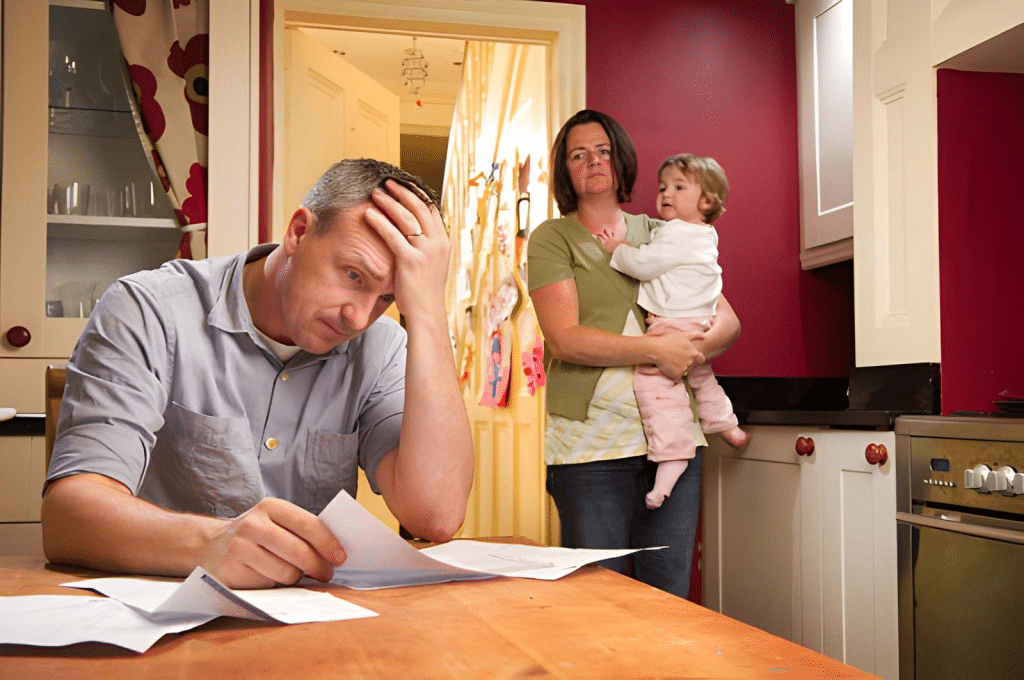
Parenting can consume identity. Couples become co-parents first and partners last. Conversations revolve around kids, not each other. Time together becomes rare. When the couple bond isn’t protected, romance dries up. Many couples think parenting success equals marriage success. But parenting can thrive while romance collapses. Romance needs the couple to remain a unit. Without that unit, they become only teammates. Reliable co-parenting remains. Romantic partnership fades.
They Don’t Feel Emotionally Safe Enough to Be Playful

Playfulness requires emotional safety. If sarcasm, criticism, or harsh tone is normal, flirting feels risky. People don’t flirt when they feel judged. They protect themselves instead. A couple can still function well and share responsibilities even in low safety. But romance struggles in that climate. Romance needs softness. Softness requires kindness. When safety is low, partners become guarded. Guarded partners don’t feel romantic.
One Partner Carries the Mental Load and Becomes Resentful

If one person manages planning and responsibilities, resentment grows. Resentment makes romance feel unfair. The overburdened partner feels like a manager, not a lover. The other partner may feel criticized and withdraw. Both feel misunderstood. This dynamic can exist even in “good” marriages where people show up. Reliability remains because life still gets done. Romance fades because the emotional roles are unbalanced. Attraction struggles when partnership feels unequal.
They Over-Rely on Routine and Stop Creating Novelty

Novelty is fuel for romance. When everything is the same, the relationship feels stale. Couples don’t need constant trips or expensive dates. They need new experiences, small adventures, and shared growth. Without novelty, the brain stops associating the partner with excitement. The partner becomes part of the furniture. That familiarity can be comforting, but it can also be dull. Reliable routines stay strong. Romantic energy fades because there’s no spark input.
They Assume Love Should Be Automatic by Now

Some couples think effort means something is wrong. They believe love should stay warm without intentionality. That belief creates coasting. Coasting creates distance. Distance kills romance. Reliability stays because commitment exists. But romance doesn’t survive on commitment alone. Romance is not proof of perfection. It’s proof of maintenance. When they assume love is automatic, they stop feeding it. Then they wonder why it feels flat.
They Normalize Low Affection

They adapt to less touch, less flirting, and less warmth. It becomes the new normal. Over time, they stop noticing what’s missing because they get used to it. But the body still feels it. The relationship starts feeling emotionally dry. They may say they’re fine, but they don’t feel alive. Normalizing low affection keeps the marriage stable but not romantic. The longer it goes, the harder it is to restart. Warmth is a habit that weakens when not used.
They Prioritize Being Efficient Over Being Present

They communicate like managers. Conversations are quick, task-focused, and rushed. Even time together is multitasking. Presence is rare. Romance needs presence. A partner wants to feel like the center of attention sometimes, not another task. Efficiency is good for work, not for intimacy. When efficiency becomes the relationship style, romance fades. Reliable systems keep running. Romantic connection dries up because nobody slows down.
They Protect Independence but Forget Interdependence

Healthy independence matters, but some couples drift too far apart. Separate hobbies, separate lives, and separate emotional worlds become normal. They become polite coexisting partners. Interdependence is what creates bonding: shared experiences, shared meaning, shared rituals. Without it, romance has no shared world to grow in. They may still be loyal and supportive. But they don’t feel “together” emotionally. Reliability remains. Romance fades because their worlds don’t overlap enough.
They’re Afraid to Risk Rejection

After enough time, rejection stings more because it threatens the bond. Partners stop initiating romance to avoid feeling unwanted. They become cautious and passive. This creates a cycle where nobody reaches. Both assume the other isn’t interested. Romance dies through mutual protection. Reliability remains because they still care about the relationship outcome. Romance fades because vulnerability feels risky. Romance requires brave small risks. Avoiding risk creates dullness.
They Forgot to Express Admiration

Admiration is a powerful romantic ingredient. When admiration disappears, partners stop feeling special. They may still respect each other as people, but they don’t express desire or pride. Without admiration, attraction cools. Couples often assume admiration is implied. But unspoken admiration feels like absence. Expressed admiration keeps romance alive in long-term love. Reliability stays without admiration. Romance does not. People want to be seen, not just kept.
They Keep the Relationship Stable but Stop Feeding the Spark

Many couples are excellent at being responsible. They show up, stay loyal, and handle life. But romance needs its own fuel: intentional time, affection, playfulness, novelty, and admiration. When those aren’t fed, the relationship becomes safe but flat. The solution isn’t dramatic change or manufactured excitement. It’s consistent small romantic habits: flirting again, scheduling time, creating new memories, and repairing resentment. Reliability is a gift, and it can support romance if the couple chooses it. But romance won’t return on its own. It returns when both stop coasting and start choosing each other again.








Ask Me Anything