
Marriage today feels a lot more like two people trying to build something side-by-side rather than following dusty rules someone wrote down ages ago. You’ve seen them, expectations that make one partner shrink, the other stretch, and both wonder why the whole thing feels tougher than it needs to be.
And if any of these marriage traditions feel familiar, don’t panic. Lots of folks are tossing them out and finding a smoother, more honest way to live together in 2026
1. Seeing the Honeymoon as Mostly for the Bride Only

When the trip turns into a story about pampering her while he tags along, both lose out on the fun. A trip that actually belongs to both partners starts stronger because the whole point is to enjoy each other’s company instead of following an old script.
Plenty of couples now plan getaways based on something they pick, not something past traditions claim should only suit her. When both jump in with what they want, the trip feels more like the beginning of a partnership rather than a stage play someone forgot to update.
2. He Shouldn’t Make Decisions For Himself

The idea that a husband must think for two every time he picks a shirt or buys a snack makes no sense anymore. A strong marriage grows from two adults who trust each other, not from one person acting like their own instincts will spark trouble.
When partners talk, share plans, and let each other breathe, they make space for natural teamwork. And funnily enough, once a man doesn’t fear judgment for a minor decision, he’s usually more thoughtful with the big ones.
3. Centering Holiday Plans Around Her Side of the Family

Old customs love to place her side of the family on a glittering pedestal while his side ends up asking, “So… are we seeing my family this year or what?” It makes both partners feel stretched out and guilty over things they never agreed to.
A fresher approach sounds more like, “Let’s figure out what works for both of us this year.” Maybe that means alternating. Maybe that means traveling less. Maybe it means staying home and letting everyone else come over. The point is, the couple chooses, not tradition.
4. Expecting Men to Stay in the Background Socially

There’s something outdated about telling a man to hover along the edges of a room, waiting for his spouse to do all the talking. It forces him to shrink down and pretend he has nothing worth saying. People aren’t ornaments; they’re people.
When both partners take part in conversations, friendships, and family events, everything feels more natural. And honestly, a lot of men open up more when they stop feeling like they must “blend in” to avoid stepping on imaginary rules.
5. Letting the Wife Control All the Household Money by Default

Handing all financial decisions to one partner “because that’s the way it’s done” creates stress on both sides. One ends up with too much responsibility, while the other feels like a visitor in their own home. Money talk works better when both understand what’s going on.
When couples share the planning, even casually, it keeps surprises down and teamwork up. A simple, “Hey, let’s look at this together,” goes a long way toward making both partners feel grounded in the life they’re building.
6. Telling Men They Shouldn’t Show Their Feelings

This old belief creaks louder than an attic door. Men aren’t statues. Telling them to swallow every feeling turns marriage into a place where honesty struggles to grow. And sooner or later, that wall takes a toll.
When men feel free to say what worries them, what excites them, or what knocks them off balance, the partnership grows stronger. It’s amazing how much better things run when a man doesn’t feel like he must armor up every second of the day.
7. Relying on Men to Pay for Dates Even After Marriage

Once a couple marries, continuing the rule that he must take out his wallet every time feels stale. It pins financial pressure on one side and keeps the relationship stuck in its early-stage roles instead of letting it evolve.
Switching things up, splitting, alternating, or planning based on who feels like treating that day, adds a sense of ease. A marriage works better when both partners pitch in according to what they can do, not according to a custom invented long before they met.
8. Expecting Men to Handle Most of the Hard Work
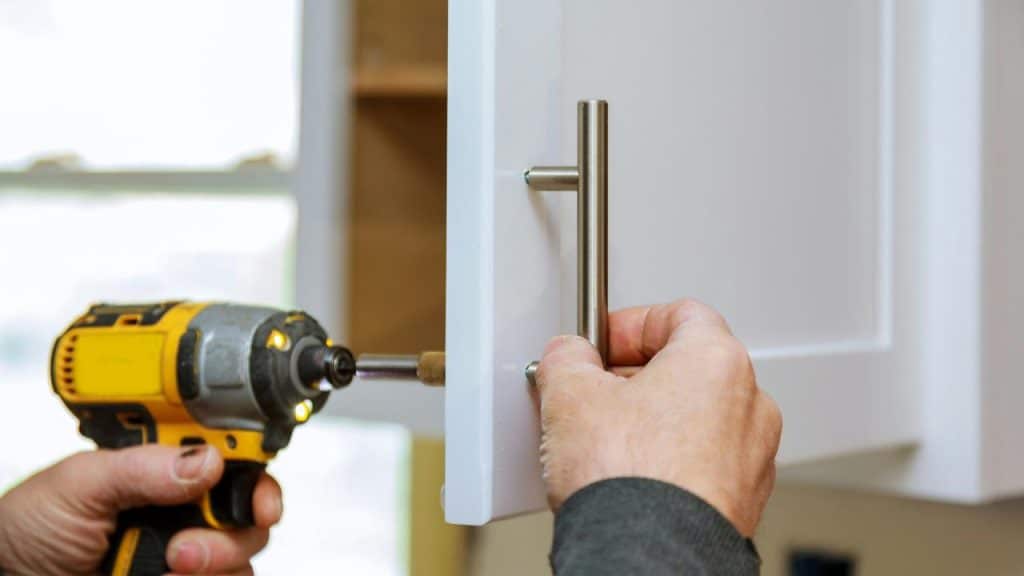
Old thinking loves to hand men the ladder, the toolbox, and every physically demanding chore without asking whether they’re actually comfortable or capable of doing them. It turns the home into a checklist instead of a shared space.
When both partners look at tasks and figure out who does what based on interest and ability, everything runs better. Maybe she loves building furniture. Maybe he cooks better. Maybe they hire out the chores neither wants to touch. All of that’s fine.
9. Thinking Engagement Rings Must Be Expensive

Pressure to buy a pricey ring pushes couples into debt before the marriage even begins. It turns a meaningful moment into a contest, and no one wins that contest.
Couples do better when they talk openly about comfort levels and what actually feels right. The memory lasts longer than the price tag ever will.
10. Making Men Responsible for All the Special-Occasion Planning

Putting every anniversary, birthday, and celebration on one partner’s shoulders leads to stress fast. It paints him as the cruise director of the relationship, even when he’s exhausted or unsure what his spouse wants.
When both partners pitch ideas or agree to plan different occasions, the whole thing feels lighter. Shared effort builds days that mean something to both people instead of forcing one to guess every detail.
11. Putting All the Pressure on Men to Make the First Move

Telling men they must make the first move, initiating talks, affection, or problem-solving, sets up a lopsided dynamic. It makes him feel like he must “lead” every moment, even when he’s unsure.
When both partners step forward, approach each other, and speak up, the marriage feels far more balanced. A simple touch, a thoughtful word, or even a casual, “Hey, can we talk?” from either side builds trust faster than any tradition ever did.
12. Assuming Mothers Should Always Get the Kids After Divorce

Old thinking once painted fathers as less involved, but that picture doesn’t match the way many dads parent today. Assuming one parent always gets full responsibility creates frustration for everyone, especially the kids.
Courts, families, and couples have started looking at what each parent actually brings to the table. When both are active parents, the plan should reflect that. Kids benefit from relationships that stay steady, no matter what changes in the household.
13. Believing Only Men Should Do the Proposing
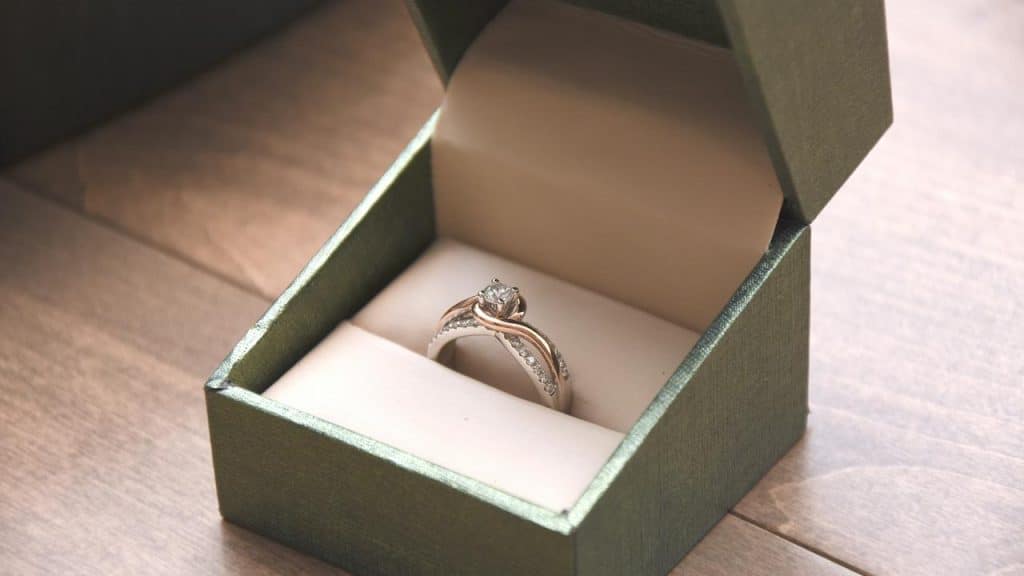
This belief belongs behind glass in a museum. A marriage begins with teamwork, so why would the first major step fall on one person only? The pressure often makes men hesitate longer than they want to, simply because they fear choosing the “wrong” moment.
More couples now talk openly about proposing and let whoever feels ready take the lead. And when both feel free to start the conversation, the moment feels genuine rather than forced.
14. Treating the Wedding as Only the Bride’s Event

Weddings grew into events that spotlight the bride while the groom stands off to the side like an extra. But a wedding celebrates two people, not one. When the planning tilts too hard toward tradition, one partner feels detached from a day that’s supposed to mean everything.
Couples who plan together usually end up with celebrations that feel personal and fun instead of scripted. Whether it’s the music, the food, or the mood, both should have a say in what the day looks like.
15. Expecting Men to Give All Their Money to Their Wife

This old idea creates an awkward imbalance. He earns, she holds, and neither feels fully grounded in the arrangement. It turns finances into a power struggle rather than a shared tool for building a future.
A modern approach encourages both partners to talk openly about income, spending, saving, and everything else that comes with running a household. When both share responsibility, they build trust without one person feeling drained or the other overwhelmed.








Ask Me Anything