
Marriage used to feel like the default next step. Now it’s something more men are quietly evaluating instead of automatically choosing. That shift isn’t loud, but it’s showing up everywhere.
What’s interesting is the reasons aren’t random or emotional in the way people assume. The same patterns keep surfacing, and they’re grounded in real trade-offs that don’t get talked about openly.
The divorce statistics are hard to ignore
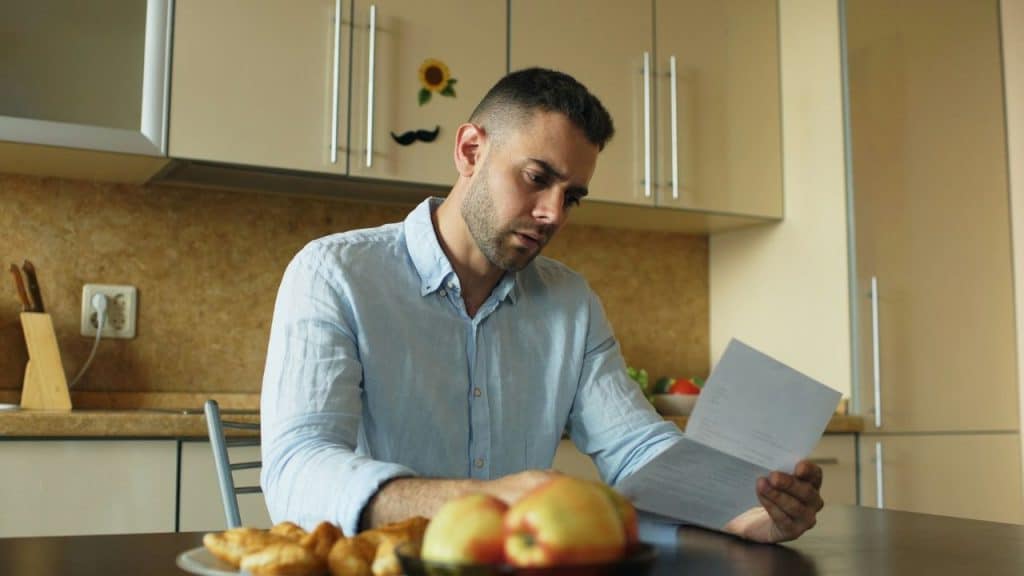
You don’t need to read studies to feel it. Just look at what happens to people you know. A guy loses his house, sees his kids on weekends, and spends years rebuilding financially. That story sticks. It becomes a quiet reference point every time marriage comes up.
Even when divorce rates fluctuate, the perception hasn’t softened. The downside still feels heavy, and for a lot of men, it outweighs whatever upside they once assumed was guaranteed.
The financial risk feels one-sided

Marriage used to look like a shared investment. Now it can feel like signing a contract with unclear terms and very clear consequences if things go wrong.
It’s not just about splitting assets. It’s the long tail of it. Legal fees, support payments, and starting over financially. For men who’ve spent decades building something, the idea of putting half of it at risk doesn’t feel romantic. It feels irresponsible.
The fear of losing access to your kids is real
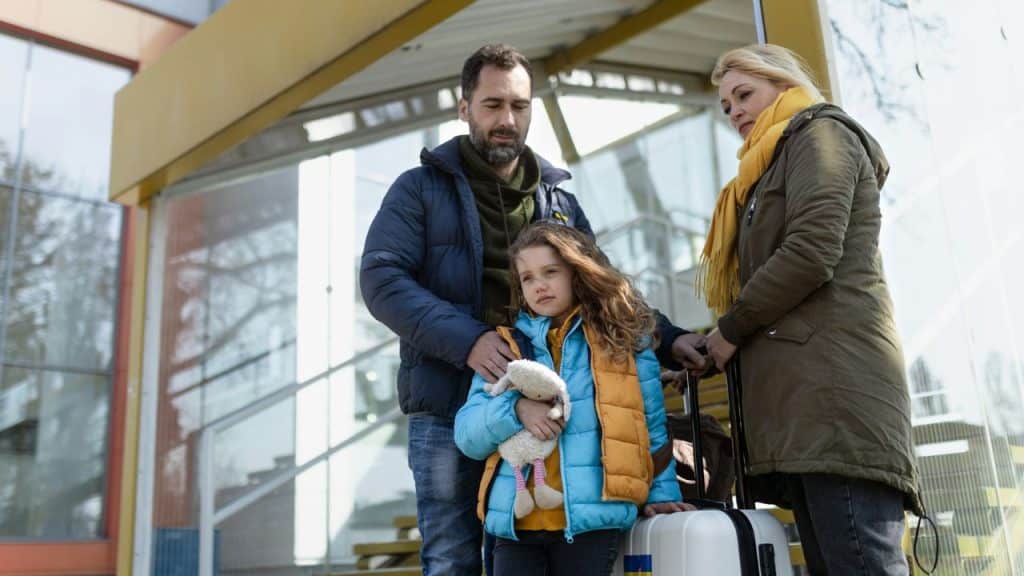
This one doesn’t get talked about directly, but it sits underneath a lot of decisions. It’s not just about divorce. It’s about what happens after.
The idea of becoming a part-time father, or fighting to stay involved in your child’s life, changes how marriage is viewed from the start. For some men, that risk alone is enough to make them hesitate.
The provider role never really went away
The expectations didn’t evolve as much as people think. The language changed, but the pressure stayed the same.
There’s still an unspoken belief that a man should be financially solid before committing. Stable income, home ownership, long-term security. The problem is, the economy doesn’t make it easy anymore. So instead of stepping into marriage unprepared, many men just opt out entirely.
The rules changed, but the expectations didn’t

Men are told to be emotionally available, supportive, present, and equal partners. At the same time, they’re still expected to lead, provide, and initiate.
It’s not that any one expectation is unreasonable. It’s that the combination doesn’t always feel clear. The role used to be defined. Now it feels like you’re supposed to figure it out as you go and get it right the first time.
Living together offers most of the upside

You can share a home, split expenses, build a life, and have a committed relationship without involving the legal system.
For a lot of men, that feels like the smarter version of the same thing. If the relationship works, nothing is lost. If it doesn’t, the exit is simpler. Marriage starts to feel like an added layer of risk without a clear additional benefit.
The cost of life keeps moving the goalposts

It’s harder to feel “ready” when everything is expensive. Housing, healthcare, raising kids, even basic stability. The financial bar for starting a family has quietly moved higher.
That creates a loop. Men delay marriage until they feel secure. Then they realize that the level of security keeps getting pushed further out. At some point, the delay becomes permanent.
Independence becomes harder to give up
By the time a man hits his late 30s or 40s, he’s built a life that works for him. His routines, his space, his decisions.
Marriage asks you to merge that with someone else’s world. That’s not a bad thing, but it is a real adjustment. And the older you get, the more that adjustment feels like a loss rather than a gain.
Career comes first more often now

There’s a window where building a career demands everything. Long hours, relocation, risk-taking. Marriage can complicate that.
Some men don’t want to make compromises at the exact moment they’re trying to gain momentum. So they delay it. Then years pass, and the urgency fades.
Emotional expectations feel high and unclear

A lot of men are aware that being emotionally distant doesn’t work anymore. But that doesn’t mean they feel equipped to meet the new expectations either.
There’s pressure to communicate better, be more expressive, and be more present. When that gap feels too wide, avoiding the situation entirely can feel easier than trying to grow into it under pressure.
The fear of choosing wrong never really goes away
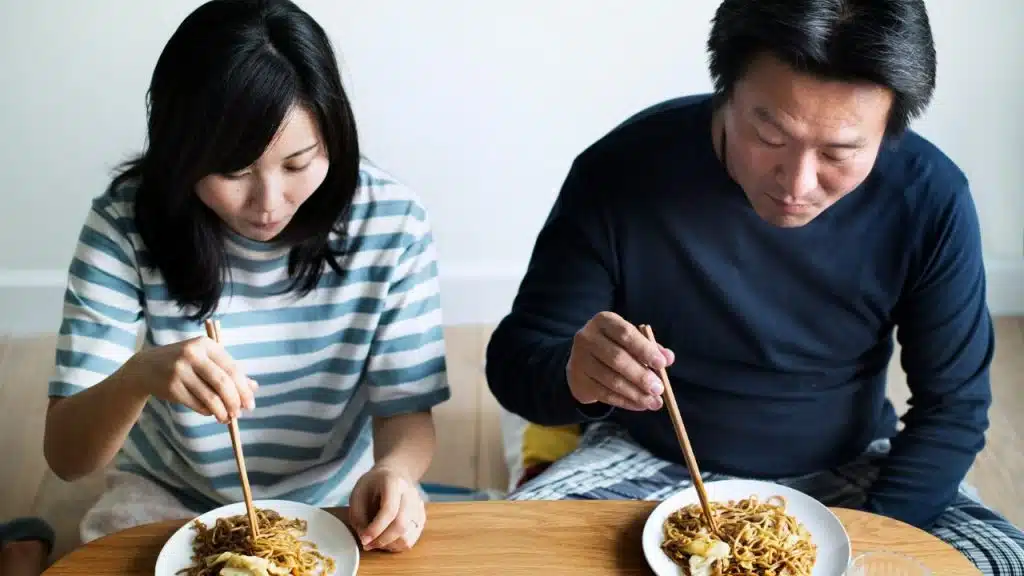
You can do everything right and still end up in the wrong marriage. That’s what makes it tricky.
The stakes are high, and compatibility isn’t always obvious upfront. For men who’ve seen relationships fall apart over time, the idea of locking in a lifelong decision feels less appealing than it used to.
Watching other people’s divorces changes perspective

Nothing reshapes your view of marriage faster than seeing it fail up close. Not the dramatic breakups. The slow ones. The ones that drag out and leave both people worse off.
Those experiences don’t just stay with you. They become part of how you evaluate your own decisions.
Male friendships are thinner than they used to be

A lot of men don’t have strong support systems outside of their partner. That makes relationships carry more weight than they should.
At the same time, it also makes the idea of losing that relationship more dangerous. If your entire emotional support system is tied to one person, the risk of that collapsing becomes harder to accept.
The messaging around masculinity feels inconsistent

There’s a constant push and pull. Be strong, but also vulnerable. Lead, but don’t dominate. Provide, but don’t define yourself by it.
It’s not surprising that some men feel like they’re navigating a moving target. Marriage used to come with a clear role. Now it feels more like a test you didn’t study for.
Dating has worn a lot of men down

Modern dating isn’t just time-consuming. It can feel transactional. Apps, constant comparison, endless options.
After enough bad experiences, some men stop seeing relationships as something worth pursuing at that level of effort. Marriage, as the end goal of that process, becomes less appealing by association.
Fatherhood doesn’t look the same as it used to
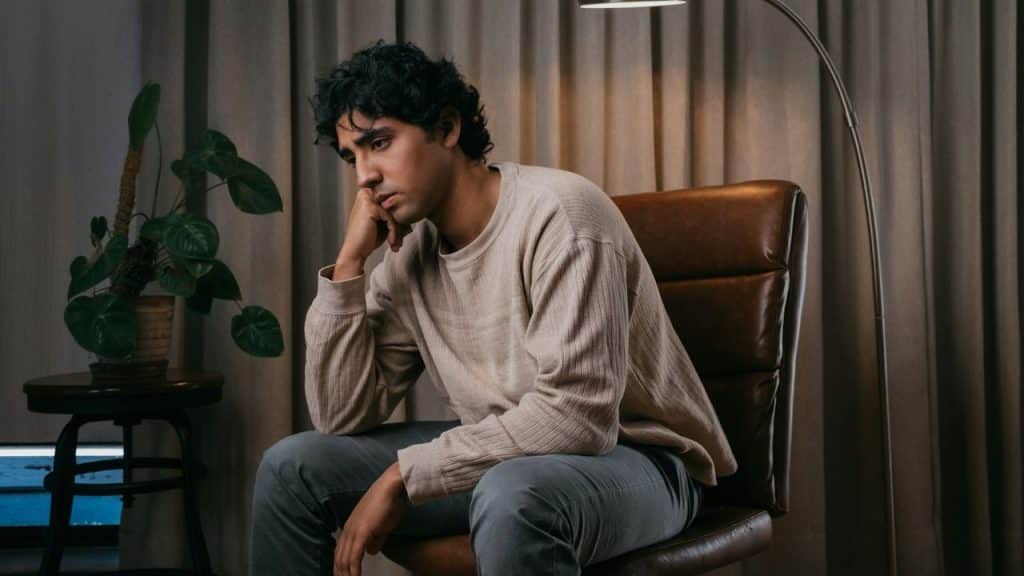
The role of a father has changed, but the recognition hasn’t always kept up.
Some men worry about being sidelined, reduced to a financial role, or having limited influence in their own family. Whether that fear is always accurate or not, it still shapes how they think about stepping into that role.
Priorities have shifted quietly

There’s less external pressure to get married now. No one is pushing it the way they used to.
That leaves room for other priorities to take over. Health, financial independence, personal goals, freedom. For some men, those things feel more tangible and controllable than a long-term commitment that comes with unknown variables.








Ask Me Anything