Children don’t learn respect from lectures about treating people well, they learn from observing how parents treat each other. When fathers disrespect mothers, children absorb that this treatment is acceptable, normal, and appropriate for intimate relationships. The disrespect gets replicated in children’s behavior toward their mother and eventually in their own relationships. Most parents want children to grow into respectful adults but simultaneously model disrespect daily. These sixteen patterns reveal how children’s disrespectful behavior toward mother mirrors father’s treatment of her.
Kids Use Same Dismissive Tone You Use With Her
Children’s tone when speaking to mother, eye-rolling, sighing, dismissiveness, mirrors tone father uses with her. This tonal disrespect is learned behavior, not natural development. The children have observed that mothers can be spoken to dismissively. If kids’ tone toward their mother matches their father’s, they learn it through observation. The disrespectful tone wouldn’t exist without modeling.
They Interrupt and Talk Over Her Like You Do
Children who constantly interrupt mother, don’t let her finish sentences, or talk over her are replicating father’s conversation patterns. This interruption demonstrates learned belief that mother’s words don’t deserve full hearing. The children observed that interrupting the mother is acceptable. If kids won’t let mother complete thoughts, they learned this from watching father. The pattern of interruption is taught behavior.
They Dismiss Her Opinions Using Language You Use
When children respond to their mother’s perspectives with “that’s dumb,” “you don’t know what you’re talking about,” or similar dismissals, they’re echoing father’s invalidation. This opinion-dismissing mirrors father’s treatment of mother’s thoughts. The children learned that their mother’s opinions are dismissible. If kids use similar phrases to father when invalidating mother, modeling is clear. The specific language reveals its source.
They Call Her Names or Use Disrespectful Language
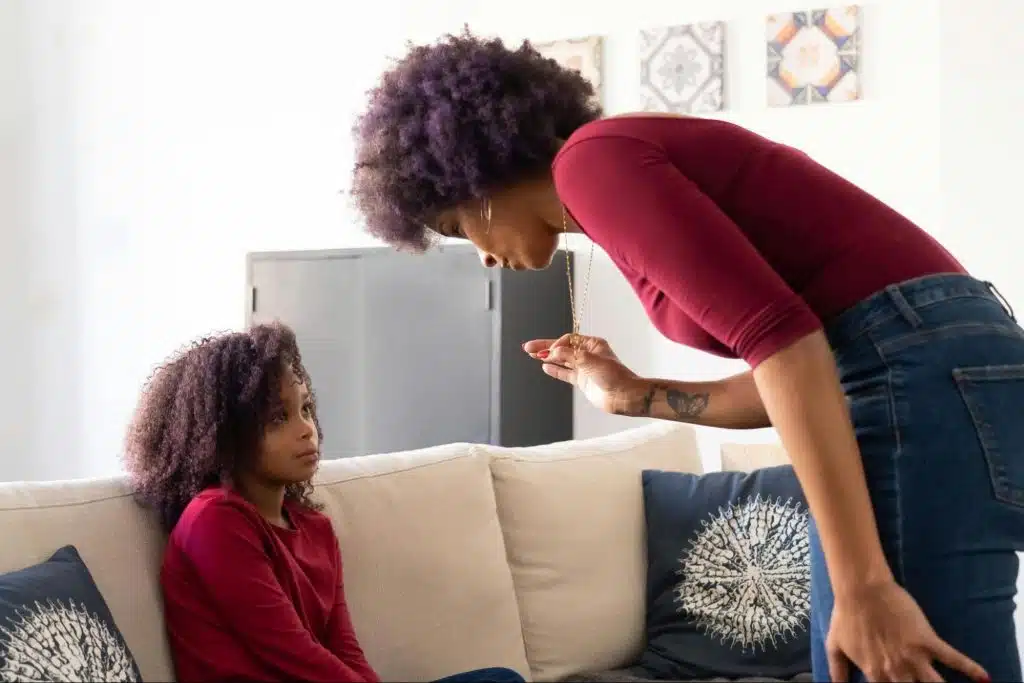
If children call mother derogatory names, use crude language toward her, or speak disrespectfully, they learned this language is acceptable. This name-calling or crude language toward mother reflects father’s verbal treatment. The children wouldn’t spontaneously speak this way without environmental learning. If kids’ disrespectful language toward mother mirrors father’s, the source is obvious. Verbal abuse is learned behavior.
They Refuse to Help Her While Helping Others

Children who refuse mother’s requests for help but readily assist father or others have learned hierarchy where mother’s needs are least important. This selective assistance mirrors father’s helpfulness toward others contrasted with unhelpfulness toward mother. The children observed that helping mother is optional while helping others is expected. If kids help everyone except their mother, they learn that their mother doesn’t deserve assistance. The differential treatment is modeled behavior.
They Ignore Her Instructions But Obey Yours
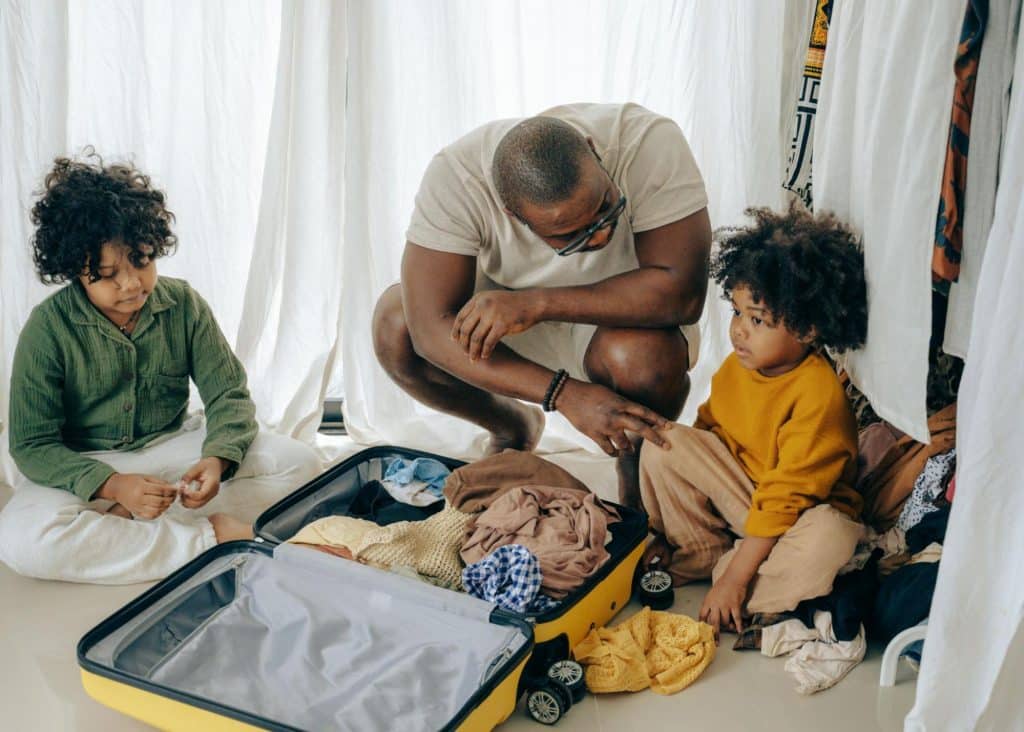
When children disregard mother’s directions but immediately comply with father’s, they’ve learned whose authority matters. This obedience disparity reflects father’s treatment of mother’s decisions as optional. The children observed that mother’s rules are suggestions while father’s are commands. If kids undermine the mother’s authority while respecting the father’s, authority hierarchy was taught. The differential response is learned.
They Leave Messes for Her to Clean Up
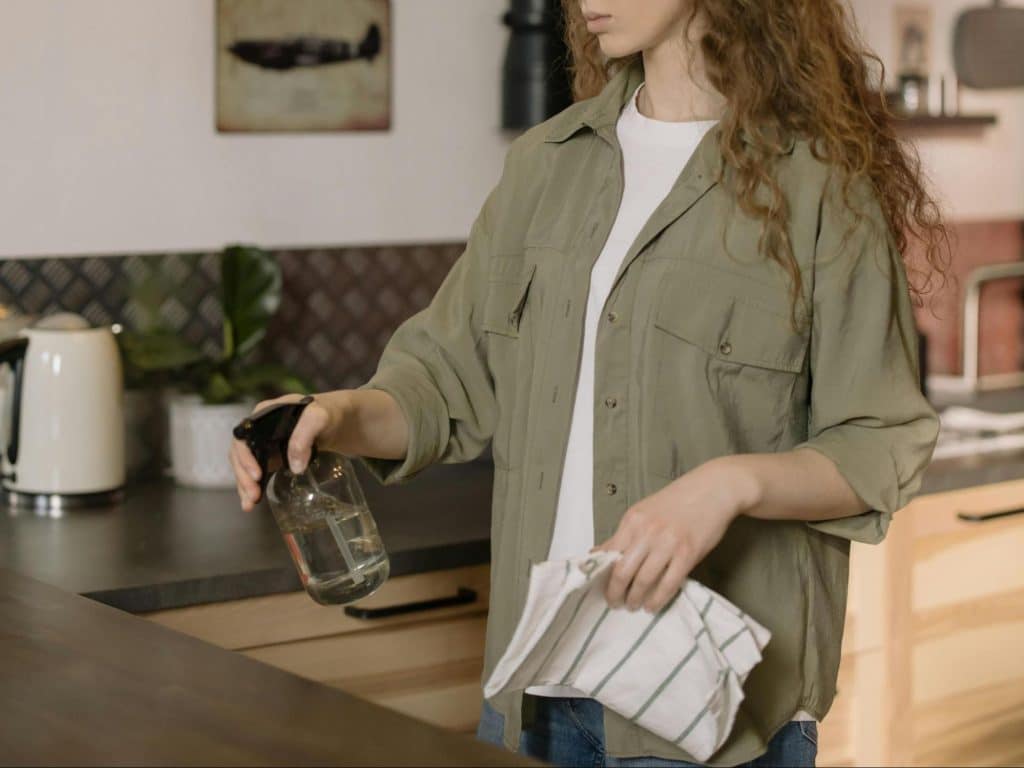
Children who create messes they expect mother to clean while being more considerate elsewhere have learned mother is household servant. This expectation mirrors father’s treatment of mother as cleanup crew. The children observed that messes can be left for the mother. If kids leave messes specifically for mother while cleaning up in other contexts, learned behavior is clear. The differential treatment shows modeling.
They Make Demands Rather Than Requests of Her
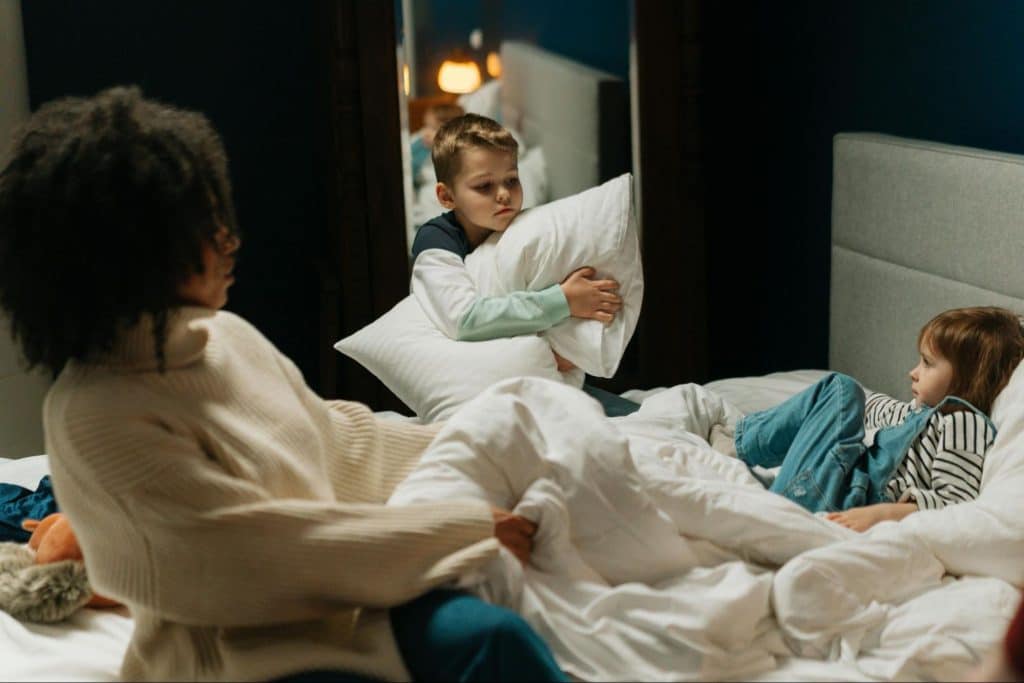
When children demand things from their mother without courtesy, “get me,” “where’s my,” “I need,” rather than polite requests, they’re mirroring father’s demand-based communication. This demanding tone reflects the observed pattern of treating mothers as service providers. The children learned that mother receives orders, not requests. If kids make demands of mother but requests of others, the pattern was taught. The courtesy gap mirrors father’s treatment.
They Show More Affection to You Than Her
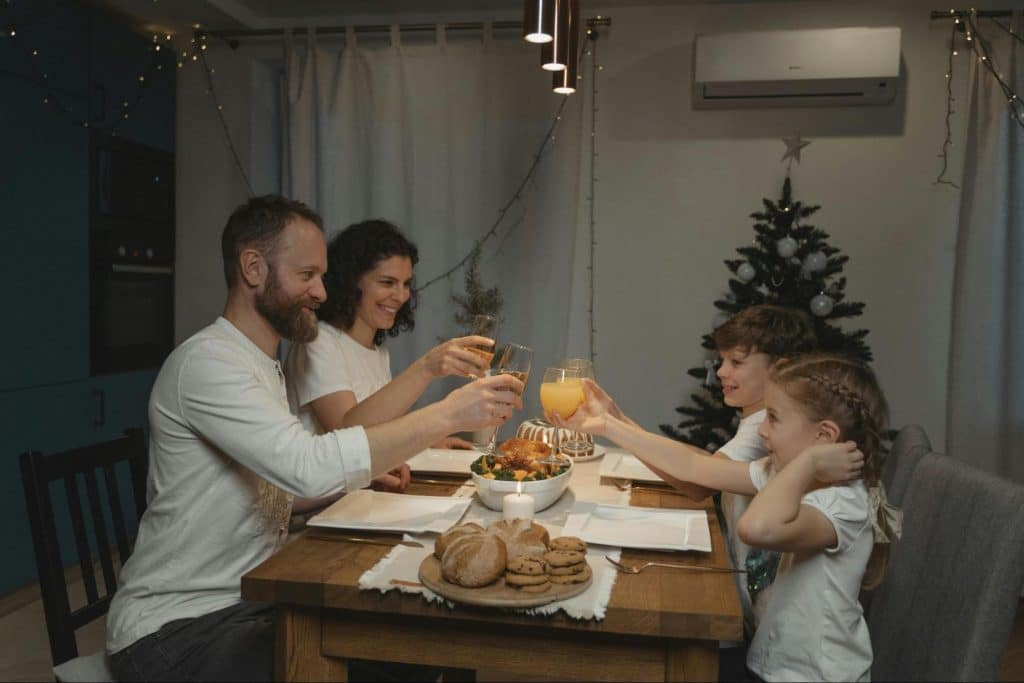
Children who are physically affectionate with father but withhold affection from mother have learned emotional hierarchy. This affection disparity often reflects father’s warmth withdrawal from mother. The children observed that mothers don’t receive affection like others do. If kids’ affection distribution mirrors father’s, modeling is occurring. The emotional coldness toward mother is learned.
They Blame Her for Problems Like You Do
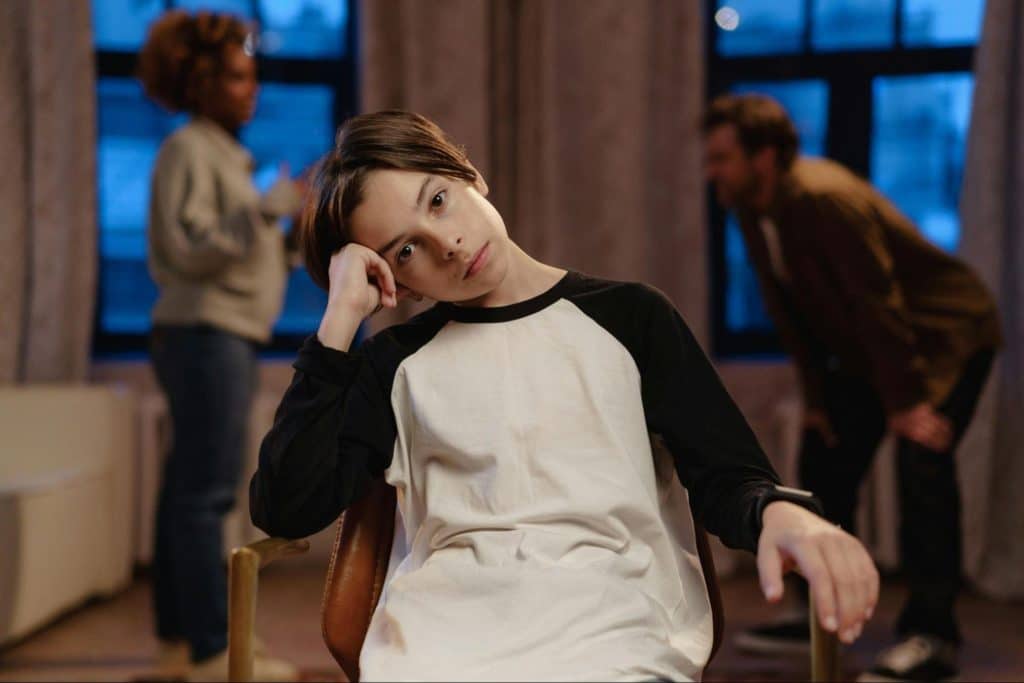
When things go wrong, children immediately blame their mother for inconveniences, disappointments, or problems, mirroring father’s blame-casting. This scapegoating reflects the observed pattern of mother being responsible for all dissatisfaction. The children learned that the mother is the default source of problems. If kids blame mother the way father does, the pattern was taught. Scapegoating is modeled behavior.
They Don’t Comfort Her When She’s Upset
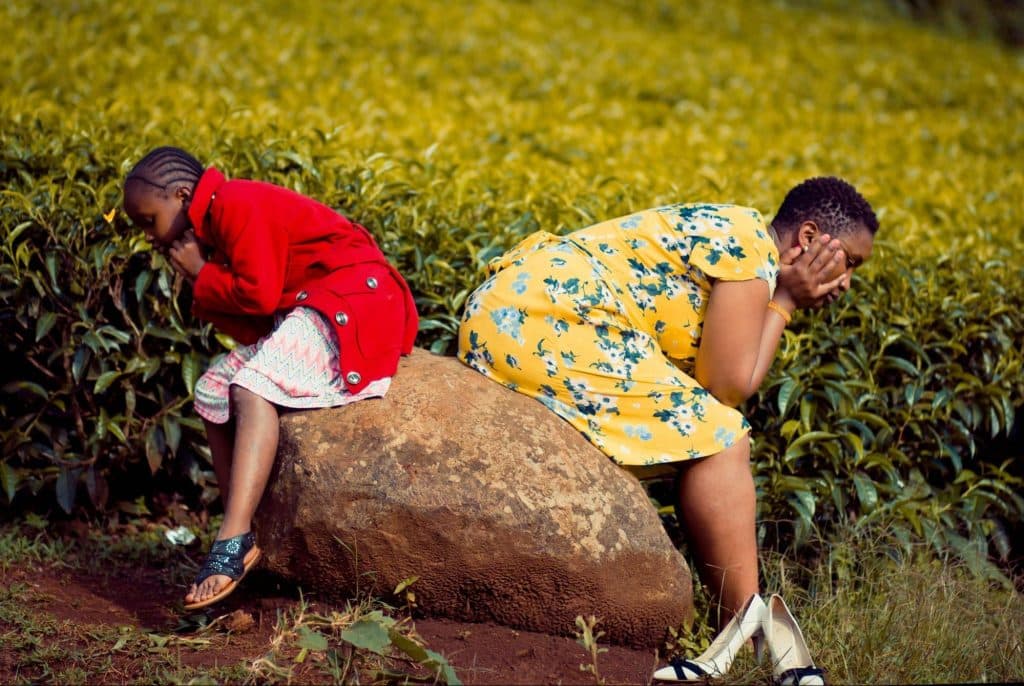
Children who show no empathy when their mother is sad, hurt, or upset have learned that her emotions don’t warrant a response. This emotional coldness mirrors father’s lack of emotional support for mother. The children observed that their mother’s feelings can be ignored. If kids show callousness toward mother’s emotions while being empathetic elsewhere, the pattern was modeled. Emotional invalidation is learned.
They Roll Eyes or Show Contempt When She Speaks
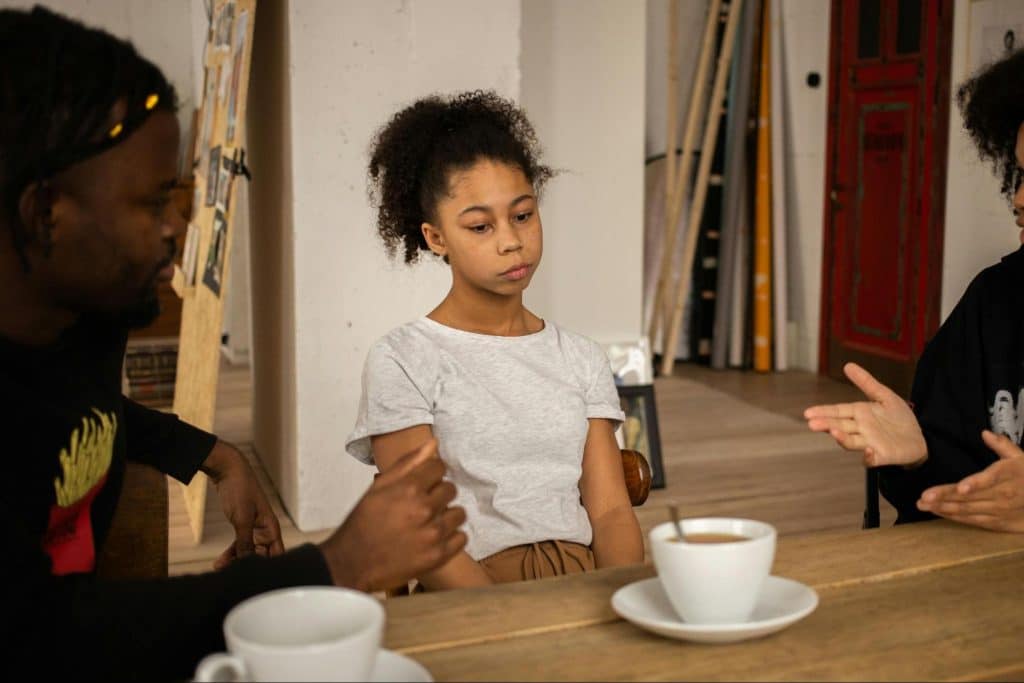
Eye-rolling, contemptuous expressions, or visible disdain when mother talks mirrors father’s nonverbal disrespect. This contempt display was learned through observation, not innate. The children absorbed that mother deserves contemptuous responses. If kids show contempt toward their mother in ways that mirror their father’s expressions, modeling is undeniable. Contempt is taught through demonstration.
They Question Her Competence But Not Yours
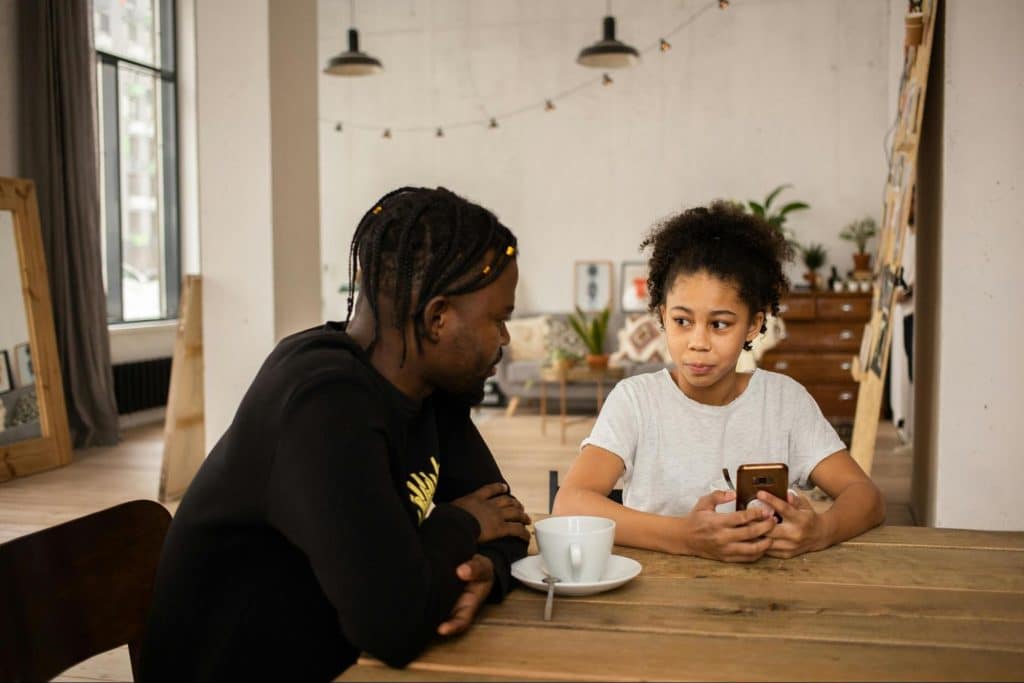
Children who constantly question mother’s knowledge, decisions, or capabilities while accepting father’s unquestioned have learned competence hierarchy. This differential questioning mirrors father’s treatment of mother’s judgment as inferior. The children observed that mother’s competence is challenging. If kids question mother but not father, respect disparity was taught. The authority gap reflects modeling.
They Side With You Against Her in Disagreements
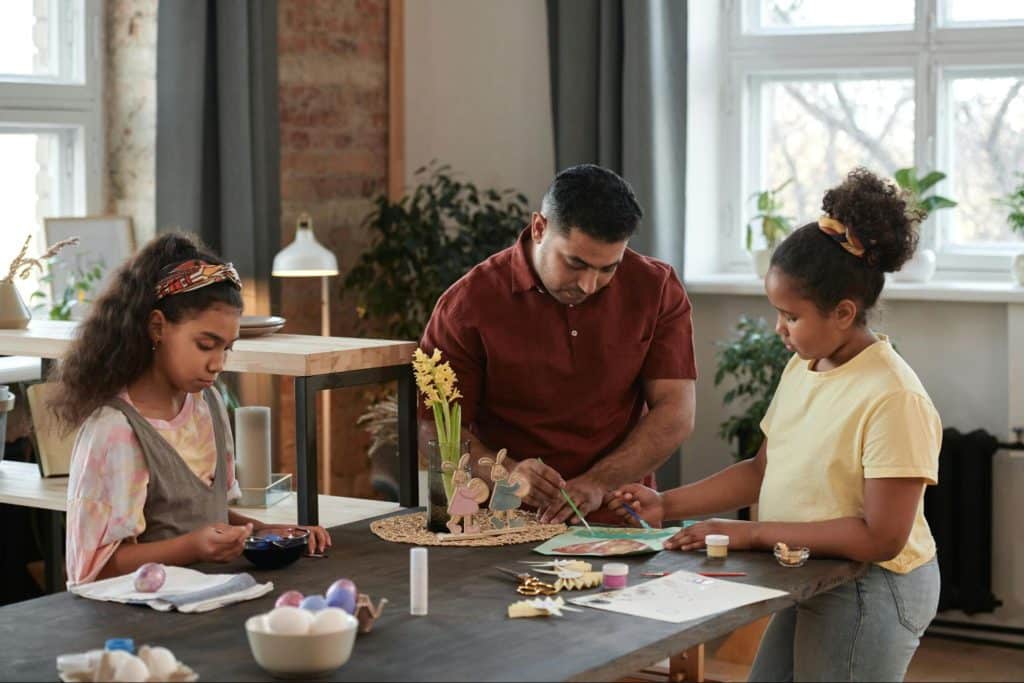
When parents disagree, children automatically taking the father’s side demonstrates learned alliance patterns. This siding reflects the observation that the father’s position is correct while the mother’s is wrong. The children learned that the mother’s perspective is opposition to be aligned against. If kids consistently side with father against mother, the alliance was modeled. Taking sides mirrors father’s dismissal of mother’s views.
They Seek Your Permission Even After She Said No
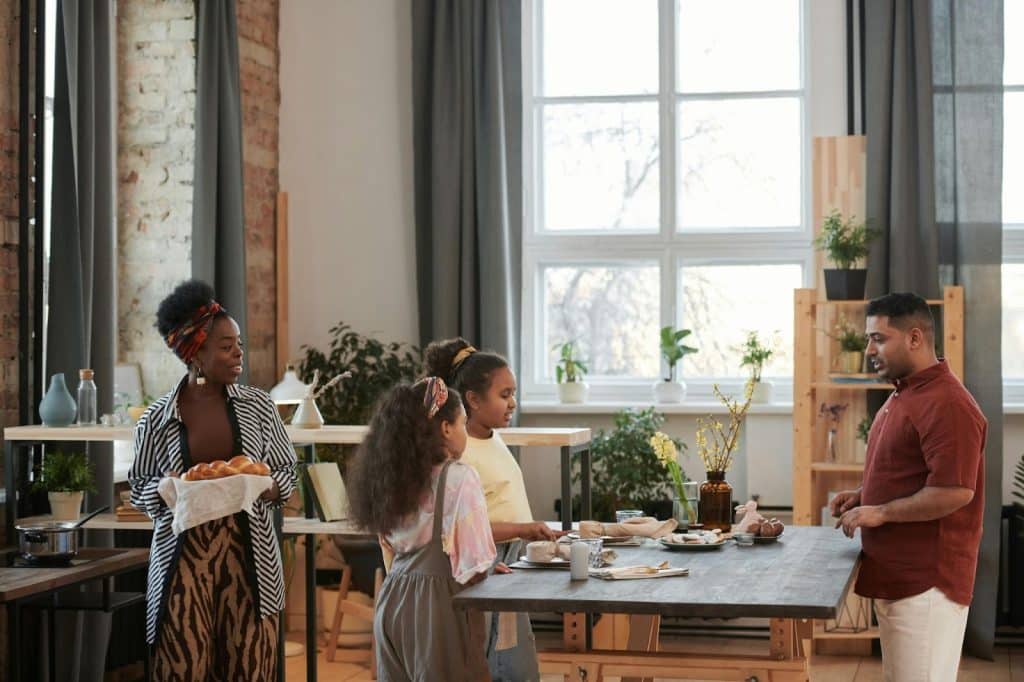
Children who ask father after mother said no, seeking override of her decision, have learned mother’s authority is appealable. This permission-seeking after denial undermines the mother’s decision-making power. The children observed that the father can override the mother’s decisions. If kids use their father as a court of appeals against their mother’s rulings, hierarchy was established. The authority undermining is a learned pattern.
They Complain About Her to You Expecting Agreement
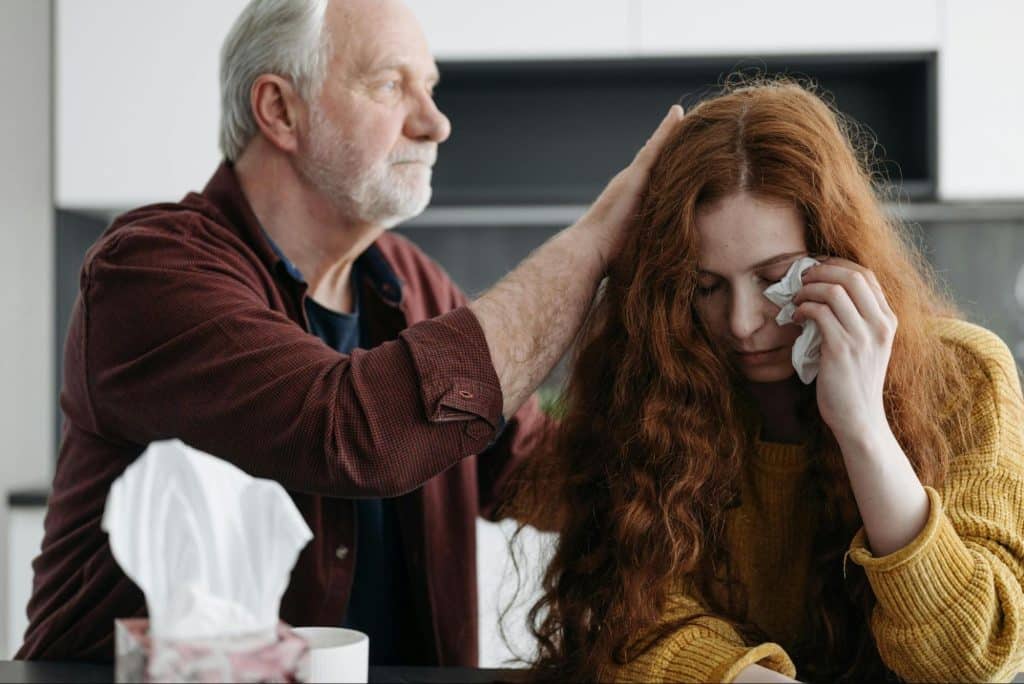
When children bring complaints about mother to father expecting sympathy or validation, they’ve learned father is an ally against mother. This complaint pattern mirrors father’s criticism of mother. The children observed that criticizing mother to father is acceptable. If kids expect father to validate complaints about mother, alliance against her was taught. The triangulation mirrors father’s behavior.
Model the Respect You Want Children to Show
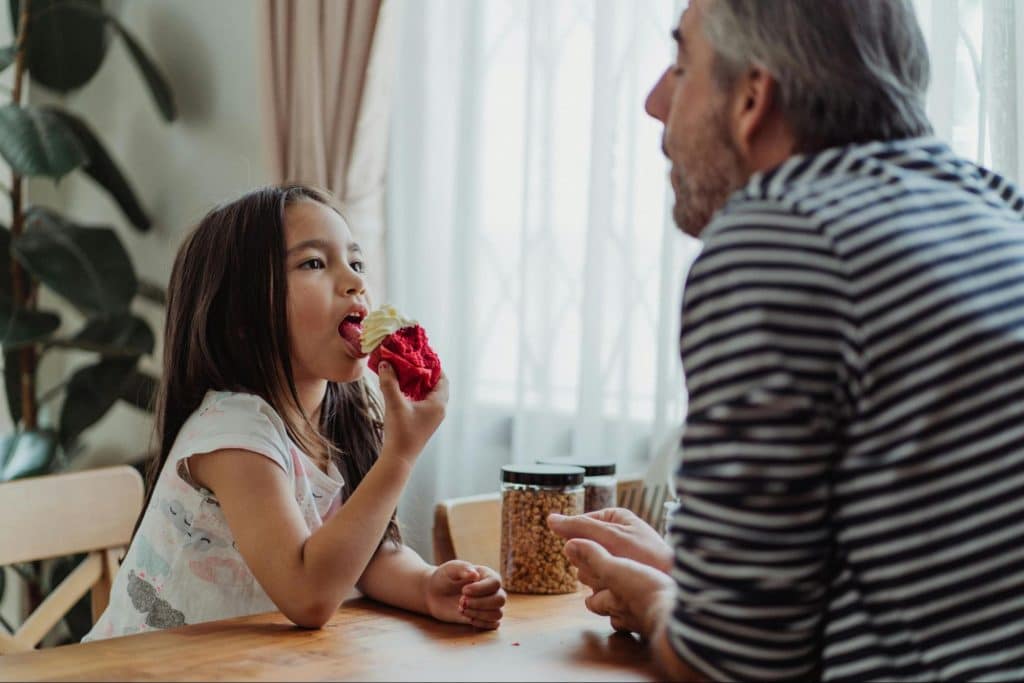
Children learn primarily through observation, not instruction. Demonstrate respectful treatment of mother through actions: speak to her kindly, listen when she talks, thank her for contributions, show affection, support her decisions, never speak poorly of her to children. The modeling must be consistent, occasional respect doesn’t override regular disrespect. Make respect visible: “Thanks for making dinner,” “Your mom made a good point,” “We need to respect what your mother said.” Children who see respect modeled will mirror it. This requires examining one’s own behavior honestly and changing patterns that teach disrespect.
Immediately Correct Children’s Disrespectful Behavior Toward Mother

When children disrespect their mother, immediate correction is essential: “We don’t speak to your mother that way,” “Apologize to your mom now,” “That tone is unacceptable.” The correction must be firm and consistent, not occasional. Never laugh at, ignore, or tacitly approve disrespect through inaction. Children learn boundaries through enforcement, if disrespect has no consequence, it’s acceptable. Support mother’s authority explicitly: “Your mother already answered that,” “We respect her decisions in this house.” The consistent message must be that mother deserves respect and disrespect won’t be tolerated.
You’re Teaching Them How to Treat Her
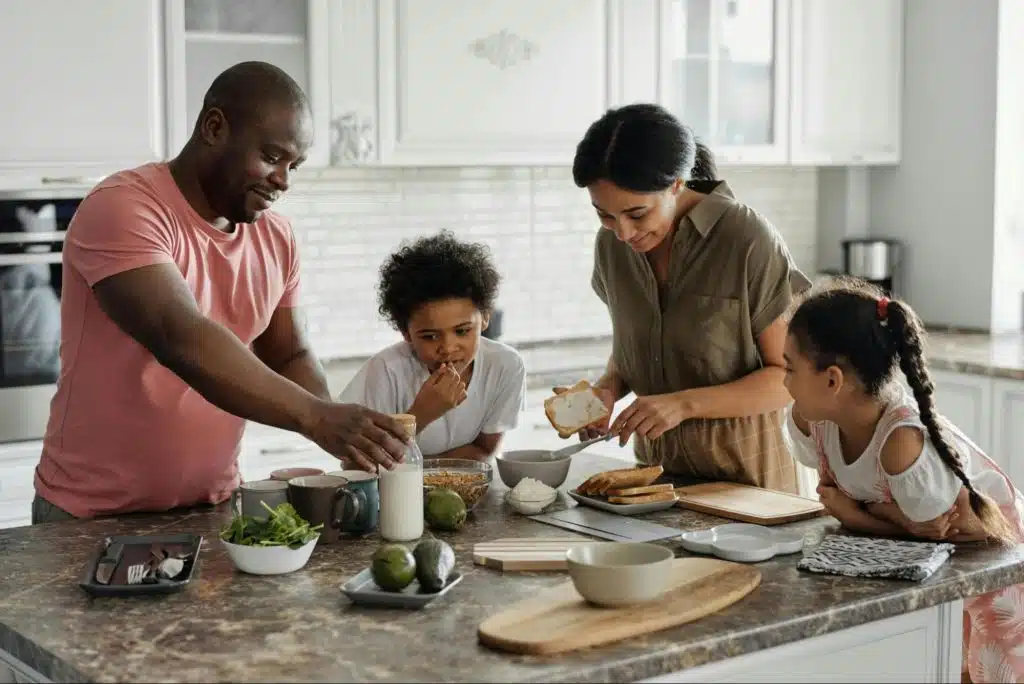
These sixteen patterns reveal that children’s disrespectful treatment of mother is rarely spontaneous, it’s learned behavior modeled by father’s treatment of her. Children absorb relationship patterns through daily observation, internalizing that this is how men treat women, how spouses treat each other, and how mothers specifically should be treated. These lessons follow them into their own relationships, creating generational cycles. Sons learn to disrespect partners; daughters learn to accept disrespect. If children disrespect their mother, the first question should be: am I modeling this behavior? The uncomfortable answer is usually yes. Changing children’s treatment of their mother requires changing their own treatment of her. Children will respect her when they see she deserves respect through consistent modeling of that respect.








Ask Me Anything