
You’d think by 2025, we’d be past this. After all, the world has “progressed,” right? Swipe through your feed and you’ll see happy, diverse couples in ads, on Netflix, and in every feel-good commercial. But once the cameras stop rolling, real life still finds a way to test love across color lines. The truth? Progress doesn’t always erase old habits. Some people still whisper, families still fumble over cultural gaps, and society still struggles to fully accept what it claims to celebrate. This list isn’t here to complain—it’s here to be real. These are the quiet, everyday hurdles interracial couples still push through, one awkward comment, side-eye, and family dinner at a time.
1. Subtle Bias Still Lingers
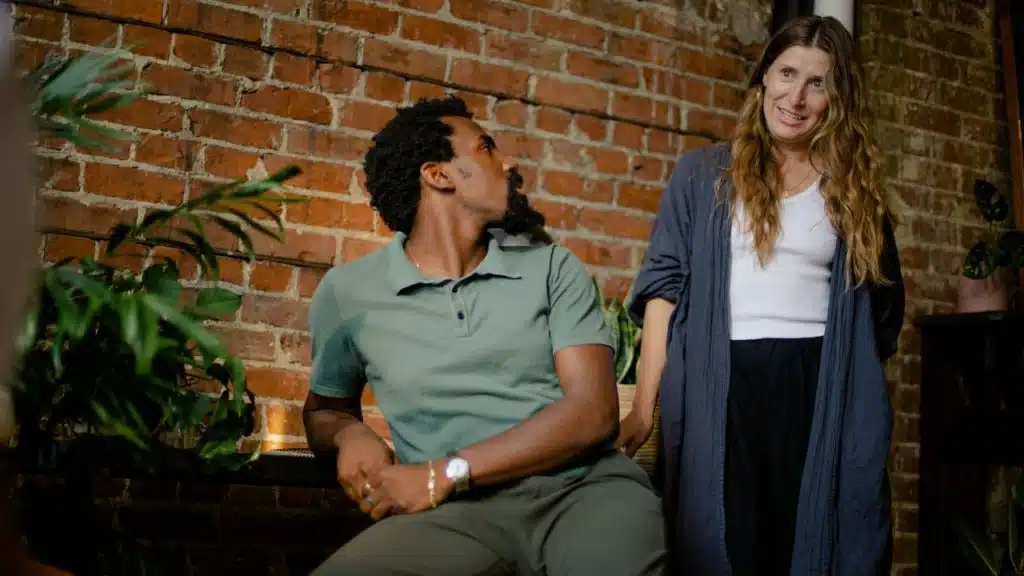
It’s not always loud racism anymore. Sometimes it’s a coworker’s “harmless” joke or a relative’s backhanded compliment about your kids’ looks. These little jabs add up, especially when you’re constantly deciding whether to let it slide or call it out. It’s the exhaustion of smiling through ignorance while trying to keep your peace.
2. Family Acceptance Isn’t Automatic

Love might be blind, but family sure isn’t. Even in 2025, parents and in-laws can carry decades-old bias hidden behind polite smiles. Some will say, “We just worry about cultural differences,” when they really mean they’re uncomfortable. The real challenge is balancing respect for family with loyalty to your partner.
3. Culture Clashes at Home

You don’t need to look far for conflict—try deciding which holiday gets priority or what’s “normal” at dinner. One partner’s comfort food might be another’s “weird smell.” Love doesn’t erase culture; it just forces you to learn each other’s rules without losing your own.
4. Talking About Race Without Burning Out

You can’t ignore race when one of you lives it daily. But those deep talks about racism, privilege, or politics can leave one partner emotionally drained. The trick is learning how to have the hard conversations without making it a full-time job. Sometimes love means saying, “I get it, and I’m listening,” even when you’re tired.
5. Raising Biracial Kids in a Confused World

It’s one thing to love across cultures—it’s another to raise kids who live both. You’ll face questions like, “Which box do they check?” or “What are they?” The goal isn’t to pick sides but to help your kids grow proud of every part of who they are. That takes confidence and a united front.
6. The Stares Never Fully Stop

You’d think people would be over it, but no. Some still double-take in restaurants or whisper when you walk by. You learn to laugh it off, but deep down, you feel it. It’s the reminder that to some people, love still needs to be explained.
7. Privilege Can Creep Into the Relationship

Sometimes, one partner doesn’t see the world the same way simply because they don’t have to. It’s not malice—it’s perspective. But if one person’s experience with discrimination constantly gets downplayed or brushed off, resentment builds. Awareness isn’t about guilt; it’s about understanding what your partner carries every day.
8. Code-Switching Gets Exhausting

You both adapt. Maybe you change how you talk at work or act around certain relatives. After a while, it’s like living two versions of yourself—one for each world. The real intimacy is being the same person in both.
9. Holiday Tug-of-War

Whose traditions win? Do you go to Christmas or Kwanzaa? Lunar New Year or Thanksgiving? You can’t please everyone, but you can create new rituals that reflect both sides. That’s where real family culture starts—one compromise at a time.
10. Friends Don’t Always Get It

Your friends might mean well but still drop lines like, “I forget you’re with someone from another culture!” or “You’re lucky, they’re exotic.” They don’t realize how uncomfortable that sounds. The hardest part is deciding whether to educate them or just move on. Either way, it changes who you keep close.
11. Stereotypes Still Stick Around

People still assume things—like who “wears the pants” or who’s “dating up.” Some think interracial dating is a “trend.” It’s not. It’s love that happens to cross borders, and yet, you’ll find yourself constantly proving it’s more than novelty.
12. Different Ways to Handle Conflict

Culture shapes how people fight, forgive, and express emotion. One of you might talk it out; the other might shut down to stay respectful. Neither is wrong, but it’s easy to mistake quiet for coldness or directness for aggression. Understanding each other’s emotional language takes time and patience.
13. Social Media Still Has Racist Corners

Post a cute photo and wait for the trolls. The internet doesn’t care how “modern” the world is—there’s always someone ready to remind you it’s not perfect. You grow thicker skin, but sometimes you just wish you didn’t have to.
14. Family vs. Partner Loyalty

When your family doesn’t approve, every holiday feels like a battlefield. You start juggling between peacekeeping and protecting your spouse’s dignity. It’s not easy choosing sides, but at some point, you realize neutrality helps no one.
15. Holding Onto Your Own Identity

Love can blur lines, but it shouldn’t erase who you are. Some people lose parts of their culture trying to “fit” into the other’s world. Real connection means keeping your roots intact while building something new together. That’s the hardest and most beautiful part of the whole thing.








Ask Me Anything