
His actions can be seen as toxic, and that’s all. If you’re looking for clarity, however, you need to dig deeper than what you see on the surface. Typically, toxic patterns originate from somewhere. They are influenced by experiences from the past, emotional wounds, and beliefs he has held for years.
This doesn’t justify his treatment of you, but it does help to understand why he keeps doing the same thing despite the consequences of losing relationships. Once you grasp the psychology behind it, you don’t take everything personally. You begin to recognize the pattern for what it is rather than what you thought it might be. This clarity will assist you in making a decision to stay, step back, or walk away.
He Has an Unresolved Fear of Abandonment

If he had a loss of emotion in his childhood, that fear does not simply go away. It can wait until a relationship begins to become serious. If this occurs, he might withdraw, become distant, or cause conflict. It may seem counterintuitive, but it’s easier to push you away than to risk being left. This pattern helps him to avoid deeper pain, even if it hurts the relationship. He may not even be aware that fear is motivating his behavior. Rather, he only has a need to make room or to take control. If you don’t deal with that fear, it will continue to manifest itself in your interactions with him.
He Was Never Taught How to Process Emotions

Some men are raised in a place where feelings are not addressed or suppressed. They learn to numb their feelings rather than to comprehend them over time. This can cause emotional situations to be overwhelming when they arise in relationships. Instead of communicating, he might withdraw, get defensive, or shut down completely. Not always; he doesn’t care. He might just not know how to put it into words. This leads to frustration for both parties. Emotional skills are essential for healthy communication.
He Associates Vulnerability With Weakness

If he finds out that opening up results in judgment or rejection, he will not do it. Vulnerability begins to become a liability rather than an asset. If it gets emotional, he may change the topic or distance himself. This prevents him from being vulnerable. The issue is that intimacy demands vulnerability. He avoids it, which means he can’t get close to the relationship. You might feel you’re hitting a brick wall with him. That wall is frequently constructed from experiences he hasn’t processed.
He’s Repeating Learned Relationship Patterns
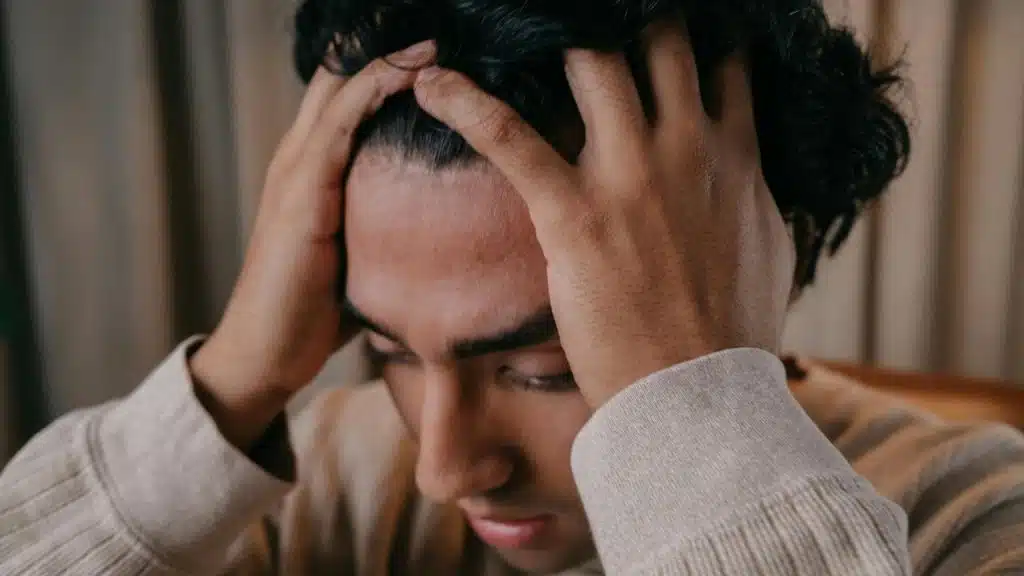
His childhood experiences can influence his current behavior. If he experiences conflict, distance, or inconsistency in his environment, he might bring that into adulthood. These patterns are automatic because they are familiar. They are natural to him even if they are unhealthy. He doesn’t have to ask them questions, as they have always been there. That’s why the same problems occur in different relationships. Awareness and effort are needed to break that cycle. If not, the pattern persists.
He Uses Control to Feel Emotionally Safe

Control is a sense of stability in an uncertain world. He might try to control situations, conversations, or even your reactions. This may manifest as jealousy, inflexibility or emotional detachment. The insecurity or fear is usually the root cause of that behavior. He feels a sense of control when he has it. It restricts connection and trust, however. Relationships must be flexible, not controlling. This pattern will remain until he feels safe without controlling everything.
He Struggles With Deep Insecurity

What you see on the outside is not always what you get on the inside. He might not think he’s worth much more than he’s worth. This can manifest in ways such as seeking validation, withdrawal, or even sabotage. If he feels he is not good enough, he might think that the relationship will not work. This belief influences his behavior over time. Insecurity can drive him to push boundaries or create distance. It turns into a vicious circle. If it is not fixed, the pattern is repeated.
He Has Developed Defense Mechanisms That Hurt Others

Defense mechanisms are coping strategies that people use to avoid pain. He may be avoiding, denying, or blaming without knowing it. These reactions may happen rapidly in emotional situations. They don’t solve problems; they add to the tension. What used to help him cope is now hurting his relationships. These patterns can be automatic. He might not even realize how they impact you. The first step to change is awareness.
He’s Addicted to Familiar Emotional Patterns

If they are comfortable, even unhealthy patterns can feel comfortable. He might unconsciously look for dynamics that are similar to what he is already familiar with. This may be conflict, inconsistency, or emotional distance. It seems like a foregone conclusion, but it’s not healthy. He may feel uncomfortable or even feel that it’s wrong to try something new. This leaves him trapped in different but similar cycles. It’s hard to unlearn familiarity. You have to make a conscious decision to select something new.
He Fears True Intimacy

Being close to someone means being seen completely, which can be frightening. He might fear being judged, rejected, or not accepted. This fear can cause him to maintain emotional distance. Even when things are going well, he might pull back. It is a means of guarding himself against possible discomfort. He may not be able to trust and be open with intimacy. This produces a push and pull effect. Closeness will be threatening until he deals with that fear.
He Has Unprocessed Past-Relationship Trauma

Emotional scars can be left from past relationships that can follow. If he was hurt, betrayed, or deeply disappointed in the past, that hurt doesn’t just go away. It can influence his perception and relationship with new partners. He might assume that he will get the same results and behave accordingly. This can cause mistrust, distance, or defensive reactions. You might feel you’re paying for something you didn’t do. Unprocessed trauma can manifest like that. Time and intention are required to heal.
He Avoids Accountability to Protect His Ego

If it challenges his self-image, it can be uncomfortable for him to take responsibility. He may deflect responsibility or downplay problems to maintain his self-esteem. This can make it hard to resolve problems in the relationship. The same problems are repeated, rather than solved. If he doesn’t have to be held accountable, he doesn’t have to confront deeper truths about himself. Looking out is easier than looking in. However, if there is no accountability, change will not occur. This can cause relationships to become stagnant.
He Seeks Validation in Unhealthy Ways

When he relies on outside approval, it can impact his conduct. He might seek attention, approval, or reassurance in ways that lead to instability. This may be a lack of consistency or mixed messages. If there is no validation, his behavior can change. This causes confusion and ups and downs in emotions. His self-esteem is dependent on external responses. This is a weak base. Until he builds internal validation, this pattern continues.
He Lacks Self-Awareness

Sometimes it’s not deliberate behavior; it’s simply a lack of awareness. He may not be aware of the impact of his behavior on others. Patterns run without restraint when you’re not aware of them. He may believe that all is well, but it is not. This makes the relationship disjointed. Growth is about identifying what needs to change. That process doesn’t begin without self-awareness. That is why some patterns repeat themselves over the years. The first step to change is awareness.
He’s Emotionally Overwhelmed More Than He Admits
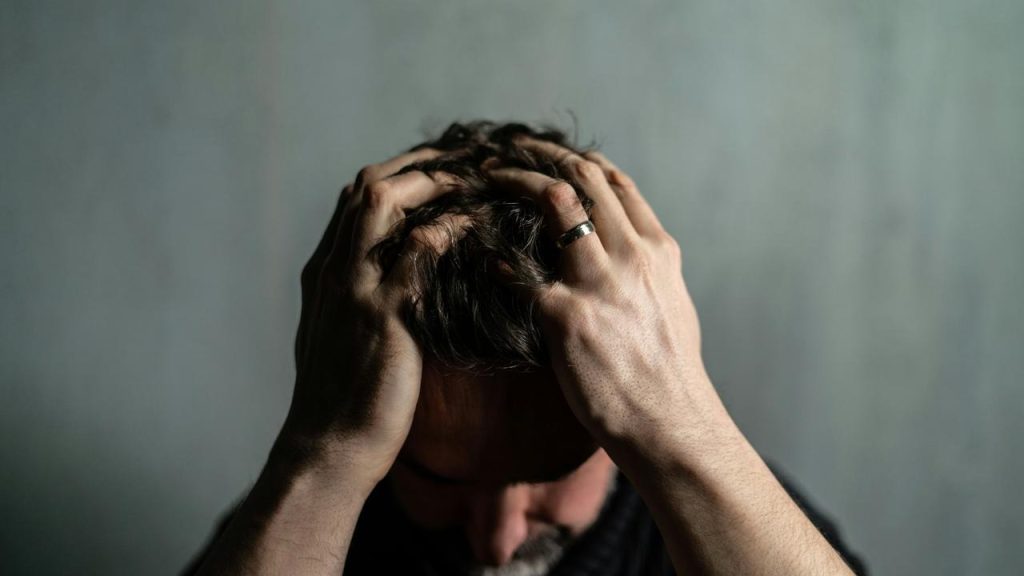
If he is not accustomed to strong emotions, they can be hard to handle. Instead of dealing with them directly, he may avoid or suppress them. This may result in abrupt withdrawal or unexpected reactions. It can be confusing to see the change in behavior. It’s often emotional overload under the surface. He doesn’t have a healthy way of dealing with his feelings. He resorts to avoidance as his go-to strategy. This leaves problems unsolved.
He Has Not Done the Internal Work Yet

In essence, toxic patterns are usually a lack of personal development. He might not have had the chance to think, heal, and change his emotional patterns. If that effort is not made, the same behaviors will be repeated. Time is not enough to bring change; it needs to be intentional. He has to recognize the pattern and choose to work on it. Until then, there is no real change. You can’t do that work for him. This is important to know so you can establish more boundaries.







Ask Me Anything