
Equality is about more than making decisions and collaborating over finances in modern marriages. It is more about attaining emotional equilibrium. One of the most effective and surprising ways to achieve emotional balance is by ensuring the mental well-being of the woman in the marriage. Husbands can do this by helping out and engaging in household tasks.
Studies across the globe have shown that wives experience mitigated stress, improved moods, and even stronger connections when their husbands tend to step up and help out in household work. This goes beyond the simple act of washing dishes or fixing a leaky faucet. It is an affirmation of the affection and respect that they have for their wives. Read on and learn all about the reasons that elucidate how husbands who take on additional housework can be beneficial for their wives’ mental health and stress levels.
Mitigating Daily Stress Levels

Studies have shown that women whose husbands fervently engage in household chores have lower levels of cortisol. The latter is the stress hormone, and this proves that equality in household work is very salubrious for women.
Lightens Mental Load

Women have to carry the load of the entire household, be it making doctors’ appointments, paying bills, grocery shopping, and so on. So, when the husband steps up and takes on his share of the obligations, it considerably lightens the mental load for their wives.
Nurtures a Sense of Partnership
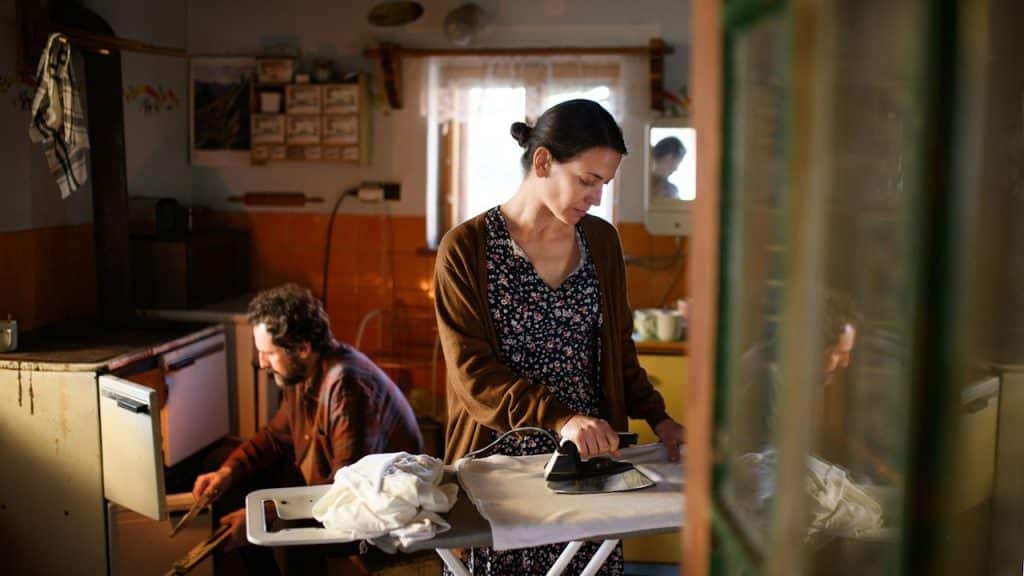
A marriage is supposed to be a team where both the husband and wife bring something to the table. Sharing in household chores is one of the most effective and conducive ways to build up this sense of partnership in a marriage. It also entails beneficial ramifications for the longevity of the marriage as well.
Preventing Buildupof Resentment

Frustration stems from within women when their husbands dump all the work on them. They begin to resent them and suffer from the resulting stress. However, by taking an active role in completing household chores, husbands can prevent this buildup of resentment within their wives and improve their relationship considerably.
An Indicator of Respect

Nothing professes and affirms the respect that a husband has for his wife like contributing towards household chores does. It shows that he values her and is willing to go to any lengths to make her feel at ease and relaxed.
Enhances Relationship Satisfaction

Couples that share in household duties show greater levels of contentment, intimacy, and happiness. Equality in household chores brings about greater emotional connection and makes things much smoother for the married couple.
More Time for Rest

Women get afforded the free time that they so deeply crave when their husbands start participating more in household chores. It allows them to rest, recuperate, and focus on some serious self-care. This is great for their health and significantly lowers the chances of a burnout.
Promotes Equality

Children who see their parents tackling the household chores equally are bound to learn from this. They will practice and implement the same principles in their own future relationships, and hence a trend of goodness will spread from one generation to the other.
Deepening Emotional Connection

Helping out with the housework is a subtle and potent way to express that a man sees and appreciates his wife. That praise and silent validation enhance the emotional connection between partners in a marriage.
Reduction in Conflict

There won’t be any arguments in a household if the husband opts to pick up his weight and complete his share of chores. It can be as simple as wiping down the mirror after shaving or taking the plates back to the kitchen. The point is, a husband who shares in the workload and makes his wife feel at ease is regarded with joy and as a point of connection by his wife.
Improves Intimacy

Studies have shown that those couples who share in the housework have more affection and physical attraction for each other. They both feel respected, encouraged, and valued, and this culminates in better intimacy and harmonization.
Challenges Obsolete Gender Norms
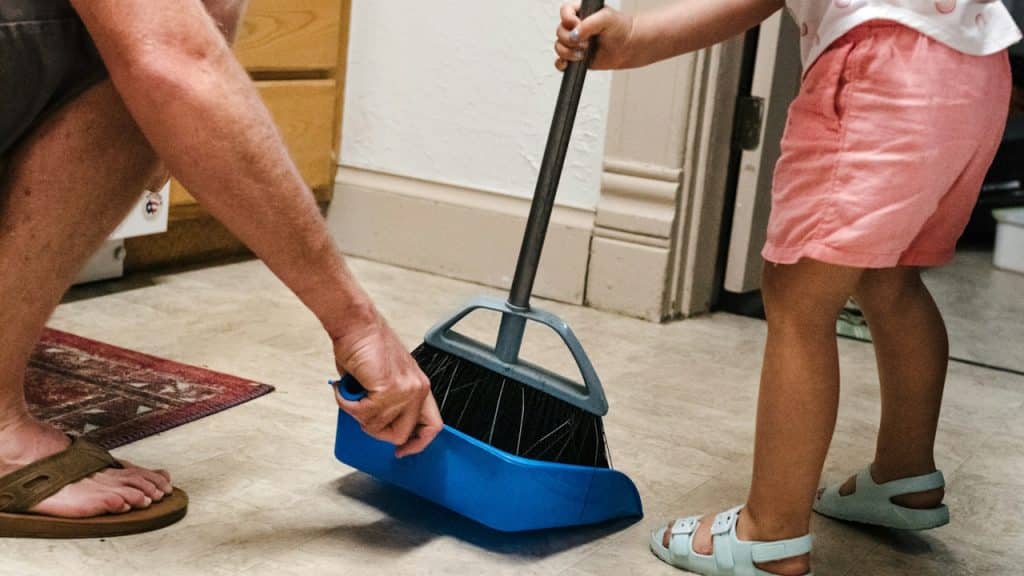
Dividing household work challenges the outdated norms of gender. No more is housework labeled solely as the woman’s responsibility. Men are able to equally tackle them and accord their wives a semblance of peace and comfort. It also inculcates within them a newfound respect for their spouse and their contributions.
Enhances Emotional Health during Parenthood

New mothers experience mitigated levels of anxiety, sleep deprivation, and depression when their husbands share in the childcare responsibilities and household chores. These are the main indicators of mental well-being for women.
Promotes Better Communication

Dividing household chores requires the concerned couples to engage in conversations, extensive planning, and adjusting. These are habits that enhance communication, which in turn strengthens emotional connection and awareness as well.
Boosts Women’s Sense of Control

Women can become overwhelmed by housework, which makes them feel claustrophobic and trapped. They are able to enjoy some agency and a sense of liberation and balance when their husbands participate in domestic chores. It makes their lives easier.
Preventing Burnout

Constant multitasking can culminate in a burnout, or emotional exhaustion, for the women. This is circumvented when the husbands start handling their part of the household work. This protects both individuals in the marriage from suffering a burnout and keeps their bond intact.
Improves Mutual Appreciation

Mutual gratitude and appreciation are ingredients that greatly improve the dish that is marriage. The path to their enhancement lies in the engagement and completion of household chores. Both the wife and husband recognize the other’s efforts and bring about a mitigation in any emotional friction that lingers in their marriage. This nurtures long-term peace and productivity in their marriage.
The Formation of a Happier and Healthier Home for Everyone
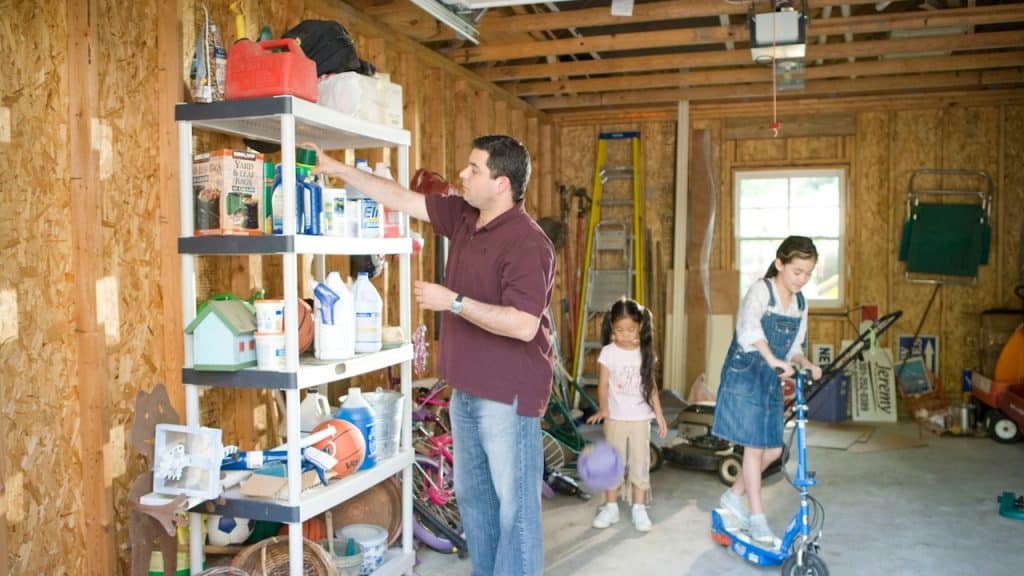
A balanced home isn’t beneficial for the wives only. It is advantageous for the whole family, as research has shown that the kids raised in such households have lowered levels of stress and anxiety. The relationship itself also becomes stronger with greater affection and stability.
Final Thoughts

Husbands can achieve higher levels of emotional safety, mental well-being, and mutual respect in their marriage if they choose to help out with household chores. They can help their wives and elevate the level of affection and intimacy between them. An ideal home is one where all inhabitants reside in felicity and bliss, and the path lies in mutual division of household work.








Ask Me Anything