
A lot of men do not clearly say, “That felt disrespectful.” Instead, they withdraw, get quieter, become irritable, or stop trying. Disrespect is not only yelling or insults. It is also tone, dismissiveness, public embarrassment, and being treated like a problem to manage. Many men stay silent because they do not want conflict, do not want to sound sensitive, or do not believe it will change. Over time, though, disrespect changes how a man shows up in the relationship. It reduces warmth, effort, and emotional openness. These are common ways men feel disrespected, even when they never say the word.
Being Corrected in Front of Other People

Even small corrections can feel humiliating when done publicly. It signals that his partner does not respect his competence or authority. Some women see it as honesty, but men often experience it as embarrassment. It also creates a dynamic where he feels watched and judged. Over time, he avoids talking or taking initiative in groups. Public correction turns partnership into a performance. Respect is often most visible in how you protect each other socially.
Being Talked To Like a Child

A lecture tone, nagging tone, or “I told you” tone triggers resentment fast. It makes a man feel incompetent rather than partnered. Even if the content is valid, the delivery changes the meaning. He starts feeling like he is being managed, not loved. Over time, he becomes defensive or passive. This dynamic kills attraction because it becomes parent-child. Adults respond better to respect than supervision.
His Opinions Being Dismissed Automatically

When his ideas are brushed off without real listening, he feels invisible. It can look like interrupting, mocking, or quickly changing the subject. Over time, he stops sharing because he expects rejection. This creates emotional distance because he feels unheard. A man can handle disagreement, but not constant dismissal. Listening is a form of respect. When listening disappears, connection shrinks.
Jokes That Cross Into Humiliation

Humour should build connection, not reduce dignity. Some men laugh on the outside and feel insulted on the inside. Teasing can become a cover for contempt. If jokes target his competence, masculinity, income, or character, it leaves a mark. Over time, he becomes colder and less playful. He may stop joking entirely to avoid being hurt. Humiliation is disrespect with a smile.
Being Compared to Other Men

Comparisons feel like a ranking system. Even if meant as motivation, it usually lands as shame. Men often hear it as “you are not enough.” It creates resentment rather than improvement. It also weakens attraction because it kills admiration. A man wants to feel chosen, not measured against someone else. Respect is personal, not comparative. Comparing creates distance fast.
His Effort Being Treated as “Expected”

When he does something consistently, it becomes invisible. He feels like only mistakes get attention. Over time, he stops feeling motivated to try. He may still perform responsibilities, but emotionally he checks out. A small “thank you” often matters more than people admit. Appreciation is respect expressed daily. Without it, he feels taken for granted. Taken for granted feels like disrespect.
His Work and Stress Being Minimized
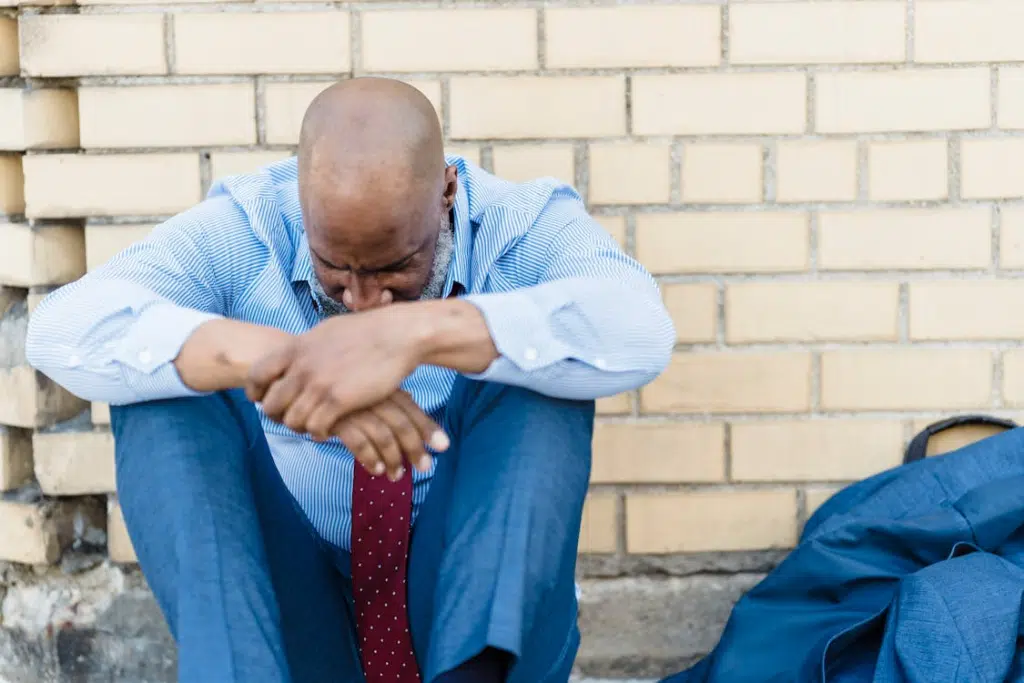
Some men carry pressure quietly, and they still need support. When his stress is brushed off with “you’ll be fine,” he feels alone. Strength gets used as an excuse to stop checking in. Over time, he stops sharing because he expects no comfort. That creates emotional isolation inside the relationship. Being strong is not the same as not needing care. A man can handle pressure better when he feels supported.
Being Interrupted or Spoken Over Repeatedly

Interrupting sends the message that his words are not valuable. It makes him feel like he must fight to be heard. Over time, he may stop talking or become aggressive in conversation. Either response damages connection. Communication becomes a contest instead of a bond. Respect shows up in patience and turn-taking. Letting someone finish is basic dignity. Small habits create big emotional meaning.
Private Issues Being Shared With Friends or Family

When a partner tells others private details, he feels exposed. It can feel like betrayal even if the intention is support. He may worry about judgement and loss of dignity. Over time, he becomes less open because he fears it will be repeated. Trust and respect both decline. A marriage needs a protected space. Support is fine, but oversharing can damage intimacy. Privacy is a form of loyalty.
Being Treated Like He’s Always Wrong in Conflict

If every disagreement ends with him being the villain, resentment grows. He feels like there is no fair hearing for his perspective. Over time, he stops trying to explain and starts withdrawing. This can look like indifference, but it is often defeat. Conflict should feel solvable, not like a trial. Respect includes the assumption of good intent. If he always feels guilty, he eventually stops caring.
His Boundaries Being Mocked or Ignored

When he says no and gets laughed at or punished, he feels unsafe. It teaches him that his limits do not matter. Over time, he either becomes passive or becomes harsh to defend himself. Neither is healthy, but both are predictable. Boundaries are not control, they are self-respect. A relationship without boundary respect becomes resentful. Honouring “no” protects long-term love.
His Role as a Partner Being Reduced to Money or Tasks
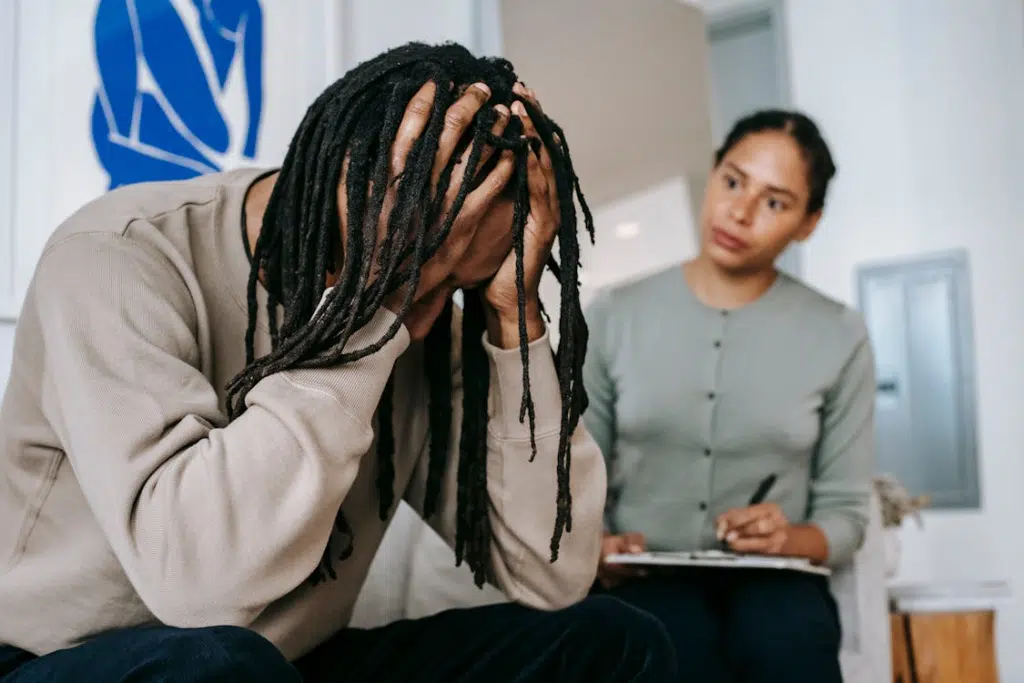
If he is mainly valued for providing, he feels like a utility. This is especially painful when emotional effort is ignored. He may keep providing, but he stops feeling loved. Over time, he becomes colder and less affectionate. A man wants to be appreciated as a person, not just a function. Partnership is emotional, not only practical. When the relationship becomes transactional, respect disappears.
Being “Punished” With Coldness Instead of Honest Communication

Some partners withdraw warmth when upset. They give silent treatment or act distant to gain control. Men often experience this as manipulation and disrespect. It makes them anxious or angry, depending on personality. Over time, they stop trying to repair because it feels like a power game. Emotional punishment blocks real solutions. Adults communicate, they do not withhold to win. Respect requires directness.
His Wins Being Downplayed While Mistakes Are Stored

When accomplishments are met with indifference, he feels unseen. When mistakes are replayed later, he feels permanently judged. This creates a hopeless dynamic where effort feels pointless. Over time, confidence drops and resentment rises. A man needs to feel his progress matters. Recognition fuels motivation and warmth. If only flaws are noticed, he will stop trying. Constant criticism feels like disrespect.
Being Treated Like His Feelings Don’t Count

Many men already struggle to express emotions. When they do and get dismissed, it hits hard. Minimising teaches silence, not strength. Over time, he stops sharing and becomes emotionally unavailable. The partner may then complain he is distant. The distance often started as self-protection. Respect includes taking someone’s emotions seriously, even if you disagree. Emotional dismissal is quiet disrespect.
Being Undermined in Parenting or Decisions

If a partner constantly overrides him in front of kids or refuses to treat decisions as teamwork, he feels reduced. It signals she does not trust his judgement. Over time, he disengages or becomes controlling to compensate. Either outcome damages family harmony. Healthy couples present a united front and discuss disagreements privately. Respect includes partnership in authority. Undermining creates resentment quickly. Team decisions protect the home.
Being Treated Like He’s Replaceable

Comments like “I can do better,” constant flirting with attention, or implied threats create insecurity. Even if said casually, it erodes trust. Men often react by withdrawing emotionally to protect themselves. Some become overly controlling, others detach. Either way, the bond weakens. Commitment should feel protective, not conditional. A man who feels replaceable stops investing deeply. Safety is built by being chosen consistently.
The Signs Men Show When They Feel Disrespected

Many men do not announce disrespect; they show it. They become quieter, less affectionate, less proactive, and more avoidant. Some become sarcastic or detached. Others work longer hours or spend more time away from home. These behaviours are often coping strategies, not cruelty. They signal that respect feels missing. The earlier couples address disrespect, the easier repair becomes. Ignoring it turns small wounds into permanent distance.
Respect Is a Daily Behaviour, Not a One-Time Statement

Men often feel disrespected through tone, dismissal, public embarrassment, and lack of appreciation. These patterns may look small, but they change how safe a man feels in the relationship. When respect is restored, many men become warmer, more engaged, and more willing to lead through partnership. The goal is not to walk on eggshells, it is to protect dignity on both sides. Respect is shown through listening, appreciation, boundaries, and loyalty in public and private. If a couple wants closeness, respect has to become a daily habit. Love survives longer when both people feel valued on purpose.








Ask Me Anything