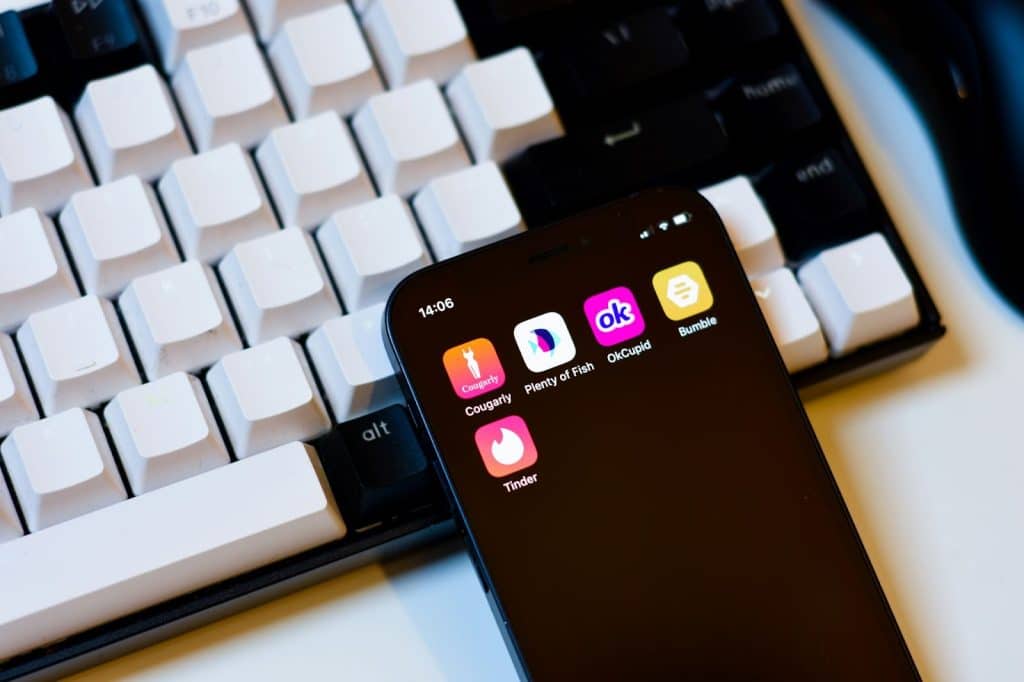
Dating apps promise convenience, but many users report feeling more disconnected than ever. The speed and volume of potential matches can overwhelm genuine interest. It’s harder to focus on building something real when swiping becomes a daily routine. Even when a connection sparks, it often struggles to deepen beyond surface level. Many find themselves chasing interactions that ultimately go nowhere. Technology is efficient, but intimacy doesn’t thrive on efficiency.
Surface-Level Matches Feel Like Progress
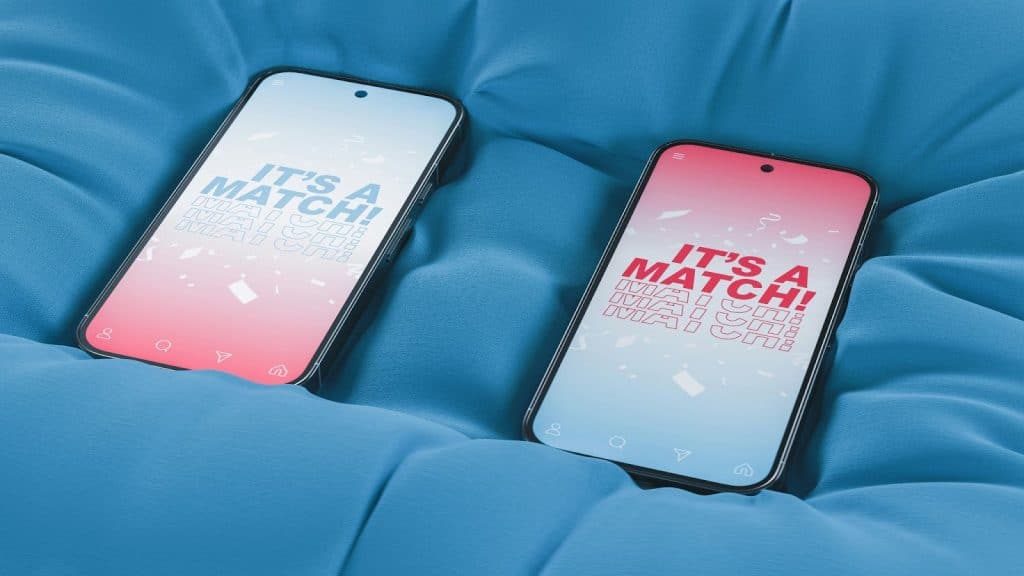
Getting matches feels rewarding, but it’s often misleading. A match gives a hit of validation without necessarily leading to anything meaningful. Many men report feeling excited at first, only to realize the interest is one-sided or short-lived. Swiping becomes more about numbers than people. The illusion of connection replaces the effort needed to build real emotional depth.
Quantity Over Quality Becomes the Norm
Dating apps are built to keep users engaged, not necessarily fulfilled. With so many profiles, it’s easy to skim rather than read, to swipe rather than reflect. The abundance of choice makes it tempting to move on quickly, even when something promising appears. People become profiles, and relationships become options. In that environment, depth takes a backseat to novelty.
Endless Swiping Creates Emotional Numbness
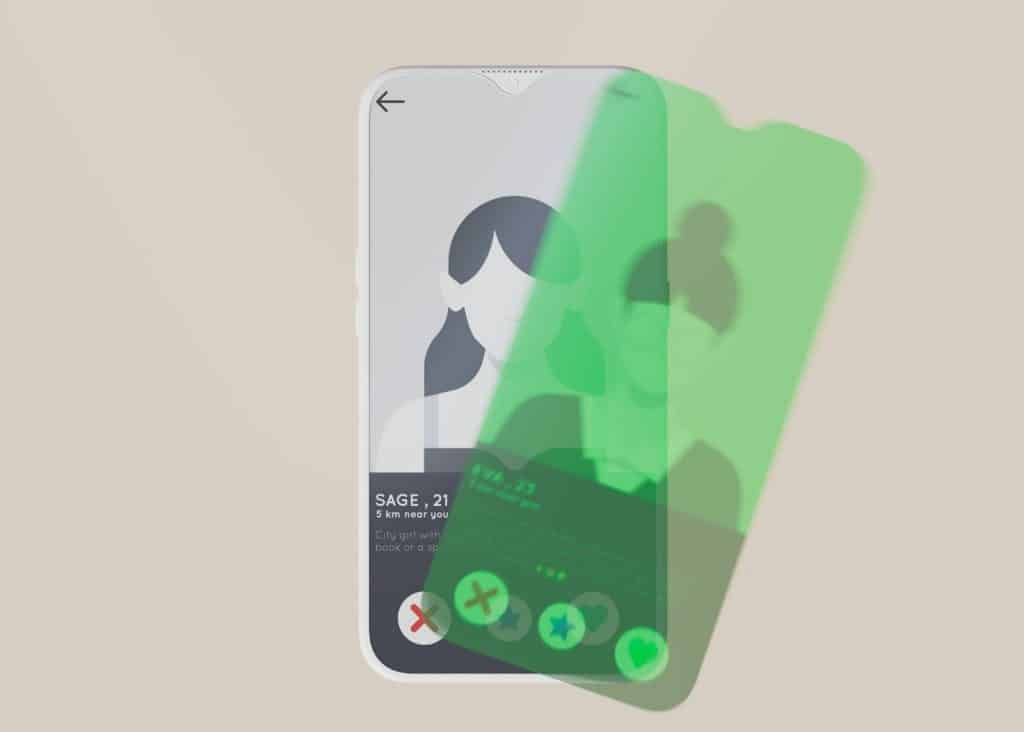
Swiping becomes a habit, not a hopeful search. Over time, the repetition dulls emotional engagement. Matches blur together, and rejections start to feel routine. Even strong conversations can fade into indifference when attention spans shrink. For many, the process becomes more about distraction than desire. That mental fatigue drains energy needed for real connection.
Conversations Often Die Before Depth Happens
Chatting on apps feels convenient, but rarely leads to depth. Small talk stalls, messages go unanswered, and emotional momentum dies out. Users juggle multiple chats at once, making it harder to invest in any single one. Ghosting becomes a norm, not a surprise. Intimacy can’t grow without consistency, and apps don’t reward consistency.
Ghosting Erodes Trust and Vulnerability

Ghosting leaves questions unanswered and stories unfinished. It breaks trust before it’s even built. After repeated experiences, many men begin to guard themselves emotionally. Vulnerability starts to feel risky, not rewarding. When honesty is met with silence, openness becomes harder to offer again. Over time, this creates emotional distance by default.
You’re Always Selling a Persona, Not Sharing Yourself
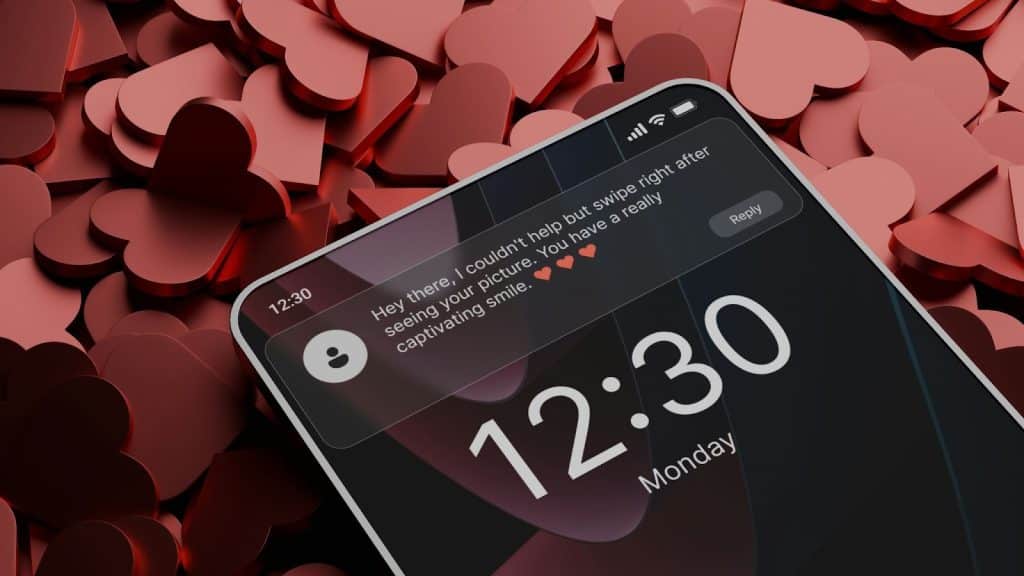
Profiles encourage performance. Users highlight achievements, polish their photos, and frame their interests to appeal. But that pressure to present well can disconnect people from who they really are. Conversations become rehearsed rather than spontaneous. Real intimacy demands authenticity, but apps reward presentation.
Fear of Rejection Encourages Emotional Guarding

With rejection just a swipe away, it’s easy to play it safe. Many men avoid expressing true feelings or preferences too soon. They stick to polite small talk, fearing that bold honesty might scare someone off. This caution leads to shallow interactions that never evolve. The fear of losing a match prevents real connection from forming.
Algorithms Reward Novelty, Not Compatibility
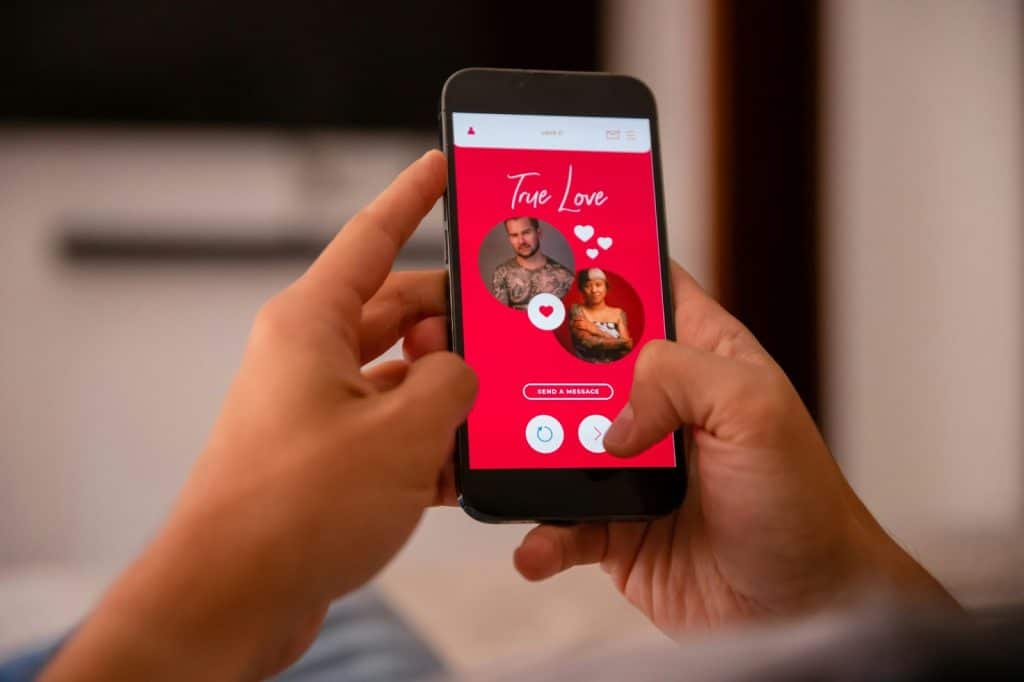
Dating apps prioritize engagement, not emotional depth. Algorithms show what’s “fresh” or popular, not necessarily who’s most compatible. This design keeps users browsing instead of bonding. Even if a good connection starts, the app encourages more searching. It’s easy to feel like something better is always one swipe away.
Dating Feels Like a Game, Not a Bond

Gamification has changed how people approach relationships. Likes, matches, and streaks create short-term rewards. But those rewards don’t translate into emotional safety or deep attraction. The game-like format fosters impulsivity over intention. Real intimacy takes patience, and dating apps often feel like the opposite of patient.
The Emotional Cost of Chasing Matches
The pursuit of constant matching comes at a price. Emotional energy is spent quickly, with little to show for it. Many men report feeling emotionally drained after cycles of matching, chatting, and being ghosted. It begins to feel like chasing validation rather than connection. That exhaustion builds into quiet frustration with the entire process.
When “Options” Become Emotional Overload
Too many choices can paralyze decision-making. Men often feel overwhelmed, unsure who to focus on or how to prioritize. This overload reduces the motivation to explore any one connection deeply. Instead of clarity, it brings confusion. Emotional investment feels riskier when attention is spread thin across too many options.
The Real Struggle to Be Seen

Despite all the communication, many still feel invisible. Apps prioritize aesthetics and bios over emotional presence. Genuine personalities are often missed in the scroll. It’s hard to feel truly understood when conversations start with filters and end in silence. The hunger to be seen isn’t met by being swiped on, it’s met through time, depth, and presence.
Why Slowing Down Feels Radical
In a fast-paced dating culture, taking your time feels unusual. But slowing down creates space for real intimacy to develop. Fewer conversations, deeper focus, and genuine curiosity can reset the experience. Real connection doesn’t require quantity, it requires attention. Stepping back from the speed can be the most intentional step forward.
What Real Connection Looks Like Again
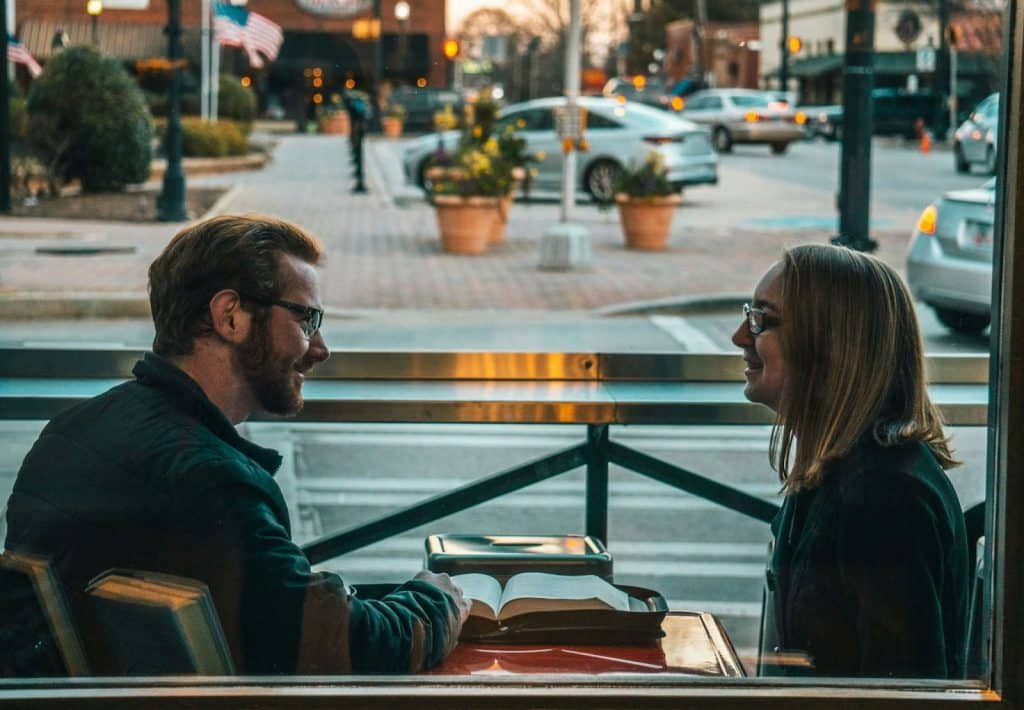
Dating apps aren’t inherently the problem, it’s how they’re used. Building intimacy requires slowing down, staying open, and resisting the swipe-for-more mindset. Real connection grows in conversations that aren’t rushed, where people are willing to be seen. Men who step out of the loop often find more clarity, more calm, and more meaningful bonds.








Ask Me Anything