
When Brad Pitt left Jennifer Aniston for Angelina Jolie, the headlines made it sound like a once-in-a-lifetime Hollywood love triangle. But strip away the red carpets and paparazzi lenses, and it was a painfully familiar story. One partner betrayed, one partner blindsided, and one person deciding that temptation was worth more than loyalty. We may never know every detail of what happened behind those mansion gates, but the lesson is clear: cheating isn’t just a “celebrity problem.” It’s a human one.
Men cheat for all kinds of reasons–some obvious, some surprising–but none of them are justifiable. Behind every affair is a series of choices, each one stepping further away from honesty and deeper into betrayal. Understanding why men stray isn’t about making excuses; it’s about shining a light on the patterns and blind spots that fuel infidelity. Because if we can name them, we can confront them–and maybe stop history from repeating itself, both in Hollywood and in our own lives.
1. Lack of Emotional Intimacy

When men feel emotionally disconnected from their partner, they may start seeking that connection elsewhere. This isn’t about constant drama or fighting–sometimes the relationship simply becomes routine, with no real heart-to-heart conversations or vulnerability. Instead of addressing the distance, they try to fill the gap with someone new. But emotional intimacy can be rebuilt if both partners are willing to open up and listen. The mistake is in thinking someone else will magically fix what’s missing at home. That “new spark” is often just a distraction from the real work that needs to be done.
2. Desire for Validation

Some men cheat because they crave affirmation–proof that they’re still attractive, desirable, or “wanted” by others. When self-esteem is tied to outside validation, even small compliments can start to feel like fuel. The danger is that they confuse attention for affection, mistaking flattery for genuine care. Healthy validation should come from self-worth and mutual respect in the relationship, not from a stranger’s interest. Seeking it outside only creates a deeper void inside.
3. Thrill-Seeking and Novelty

For some, cheating isn’t about replacing their partner–it’s about chasing adrenaline. The secrecy, the risk, the “danger” of getting caught can be intoxicating. But living for that rush often leaves a trail of broken trust. The irony is that the excitement eventually fades, and the consequences outlast the thrill. If a man needs novelty, there are ways to find it within the relationship: new experiences, shared adventures, or even just breaking the routine together. The problem is, cheating takes the lazy shortcut to novelty without building anything lasting.
4. Opportunity Meets Poor Boundaries

Sometimes infidelity happens because the opportunity presents itself–and the man hasn’t set clear boundaries to protect the relationship. This could be late nights at work, constant texting with a “friend,” or situations where temptation is constant. Without a strong commitment to saying “no” early, a seemingly harmless interaction can slide into something dangerous. The truth is, cheating rarely happens “out of nowhere.” It’s usually the result of lines being crossed slowly, until the final step feels inevitable.
5. Unresolved Relationship Resentment

Holding onto resentment–whether it’s about an argument, unmet needs, or feeling unappreciated–can create a silent rift. Instead of addressing the hurt directly, some men use cheating as a form of retaliation or emotional escape. But infidelity doesn’t solve resentment; it buries it deeper under layers of guilt and betrayal. Addressing conflicts openly, even when it’s uncomfortable, is the only way to prevent resentment from turning into justification for bad decisions.
6. Immaturity and Lack of Commitment

Some men simply aren’t ready for the responsibility and exclusivity that come with a committed relationship. They may love the idea of being in a partnership but still want the freedom to explore. This “have your cake and eat it too” mentality is a sign of emotional immaturity. Commitment means choosing your partner every day, not just when it’s convenient. Without that mindset, temptation will always outweigh loyalty.
7. Influence of Peer Culture

In certain friend groups or work environments, cheating can be normalized–or even encouraged. Hearing others brag about affairs or dismiss fidelity as “old-fashioned” can make stepping out feel less taboo. But peer culture isn’t an excuse; it’s a pressure that can be resisted. Surrounding yourself with people who respect their partners makes it far easier to stay aligned with your own values. Choose your influences carefully, because they shape what you see as acceptable.
8. Avoidance of Personal Problems

Cheating can sometimes be a way to avoid facing personal issues–whether it’s low self-esteem, boredom, or dissatisfaction with life. Instead of working on themselves, some men try to fill the gap with someone new, hoping the excitement will mask the deeper problem. But no affair can solve what’s fundamentally an internal struggle. Until those personal issues are addressed, the same dissatisfaction will follow them into every relationship.
9. Sexual Dissatisfaction

When physical needs aren’t being met–or when sexual compatibility feels off–some men look outside for fulfillment. But sexual dissatisfaction is rarely about just sex; it’s often tangled with communication, emotional connection, and effort. Talking openly about desires, preferences, and frequency can be uncomfortable, but it’s far healthier than seeking someone else to meet those needs. Cheating doesn’t fix sexual incompatibility–it simply hides it temporarily.
10. Midlife Crisis or Identity Shift

Major life transitions–like turning 40, losing a job, or kids leaving home–can trigger an identity crisis. Some men respond by trying to “reclaim their youth” through an affair, chasing the feeling of being younger, freer, and more desired. But what they’re really seeking is a sense of vitality and purpose. That can be found in new hobbies, personal growth, and honest self-reflection–not in betraying a partner.
11. Addiction or Compulsive Behavior

For some, cheating isn’t just a bad choice–it’s part of a larger pattern of compulsive sexual behavior or addiction. This can be driven by unresolved trauma, impulse control issues, or a need for constant stimulation. While addiction is a legitimate struggle, it doesn’t erase the harm caused. Professional help, therapy, and transparency are essential steps toward breaking the cycle. Without them, the pattern often repeats, no matter how many chances are given.
12. Feeling Neglected or Invisible

When a man feels overlooked–whether emotionally, sexually, or in daily life–he might look for someone who notices him. This doesn’t mean his partner is to blame; feelings of neglect can sometimes be rooted in perception rather than reality. The danger is when he chooses to address that feeling with infidelity instead of communication. Feeling seen and valued is a core human need, but it’s best met by working with your partner, not replacing them.
13. Conflict Avoidance

Some men cheat because they’re afraid to address problems directly. Instead of having hard conversations or admitting dissatisfaction, they quietly detach and invest in someone else. It’s a way of exiting the relationship without actually ending it–an act of avoidance disguised as passion. But avoiding conflict only delays the inevitable, and adds the extra blow of betrayal. Facing issues head-on is far less damaging than sneaking around.
14. Unrealistic Expectations About Love

When men expect relationships to always feel as exciting as the honeymoon phase, they’re set up for disappointment. Real love has seasons–some thrilling, some steady, some challenging. Cheating often happens when they mistake the normal ebb and flow of connection for “falling out of love.” The truth is, lasting relationships require effort and choice, not just chemistry. Expecting constant fireworks is a fast track to temptation.
15. Lack of Role Models for Healthy Relationships

Growing up without seeing healthy, committed partnerships can shape how someone views fidelity. If cheating was normalized–or if trust was constantly broken–some men may carry those patterns into adulthood. But repeating what you witnessed isn’t inevitable. Choosing to unlearn unhealthy examples takes effort, but it’s the only way to build something better than what you saw.
16. Revenge or Tit-for-Tat Thinking

Some men cheat to “even the score” if they suspect or know their partner has been unfaithful. It’s an act of retaliation dressed up as self-protection. But revenge cheating doesn’t heal wounds–it deepens them. Trust can sometimes be rebuilt after betrayal, but only if both parties are committed to repair. Adding a second betrayal makes that almost impossible.
17. Poor Impulse Control

Not every affair is premeditated. Sometimes it’s the result of acting in the moment without considering the fallout. Alcohol, drugs, or simply weak boundaries can lower inhibitions and cloud judgment. But impulse is not an excuse–it’s a sign that self-discipline and personal accountability need work. Learning to pause before acting is a skill that can prevent a lifetime of regret.
18. Entitlement and Selfishness
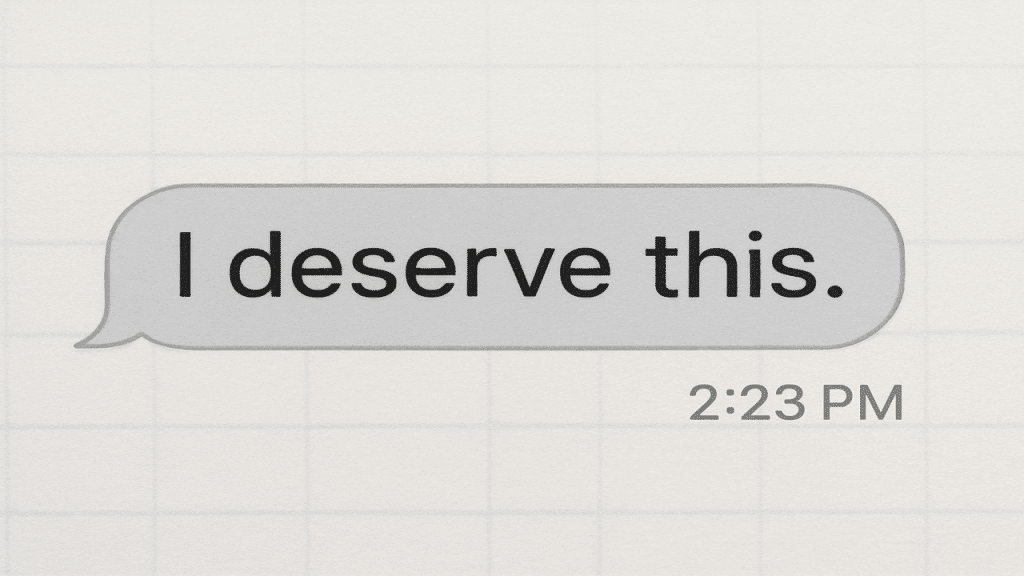
At the core of some affairs is a simple truth: the man believed he had the right to do it. Entitlement says, “My needs matter more than my partner’s trust,” and selfishness silences the part of him that knows better. This mindset isn’t about opportunity, dissatisfaction, or circumstance–it’s about values. Until entitlement is replaced with empathy and respect, loyalty will always be optional in his mind.








Ask Me Anything