
Life after 35 hits differently. Recovery slows, energy dips, and metabolism changes in ways that can catch you off guard. You might feel like your workouts and diet don’t pay off the way they used to. Staying strong and healthy does not require extreme diets or hours in the gym. Simple, consistent habits make a huge difference, and this list shows practical ways men over 35 can improve strength, energy, and overall wellness starting today.
Prioritize Quality Sleep

Sleep affects recovery, energy, and hormone balance, yet many men sacrifice it for work or screens. Aim for 7–8 hours nightly and keep a consistent schedule, even on weekends. Limiting phones and bright lights before bed helps your body wind down naturally. Quality sleep improves focus, mood, and performance in workouts. Treat it as non-negotiable rather than optional.
Do Cardio That Works for You

Cardio does not need to be painful or time-consuming. Cycling, swimming, brisk walking, or even short interval sessions improve heart health and endurance. Consistency beats duration or intensity for lasting benefits. Find activities that feel good, or you will skip them. Regular movement outside of strength training keeps energy and weight in check.
Strength Training 3–4 Times a Week
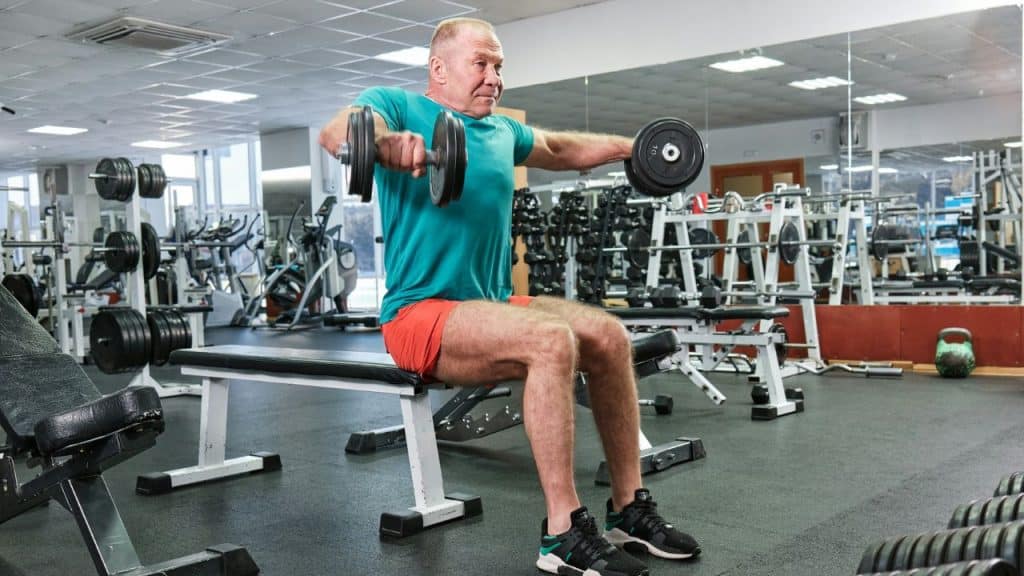
Muscle mass begins to decline after age 35, affecting metabolism and energy. Focusing on compound movements like squats, deadlifts, and presses keeps your body strong and functional. You do not need to lift heavy every session; consistency matters more than intensity. Even three sessions a week will improve strength, posture, and joint stability. Make a plan that fits your schedule and stick with it for long-term results.
Incorporate Daily Movement

You do not have to be in the gym all day to stay active. Walking between meetings, stretching during breaks, or doing short mobility routines keeps joints healthy and energy steady. Daily movement reduces stiffness and lowers the risk of heart problems. Think of it as maintenance for your body that adds up over time. Every step, stretch, or quick movement counts toward longevity.
Eat More Protein and Whole Foods

Protein supports muscle maintenance, keeps energy levels steady, and helps metabolism stay active. Lean meats, fish, eggs, legumes, and vegetables should dominate your meals. Whole foods provide essential nutrients that processed options lack. Focusing on protein at every meal supports recovery from workouts and daily activity. Small adjustments, like adding an extra egg or a chicken breast, make a meaningful difference.
Limit Processed Sugar and Junk Food

Excess sugar and junk food spike inflammation, weight, and energy crashes. Cutting back even a little can improve mood, performance, and long-term health. Swap sodas for water or tea and snacks for nuts, fruit, or yogurt. You do not need to be perfect; just be more mindful about your choices. Every small reduction adds up and keeps your body functioning better.
Stay Hydrated

Water impacts energy, mental clarity, digestion, and muscle function. Dehydration sneaks up and can affect workouts and focus before you even notice. Carry a bottle, sip consistently, and notice the difference in alertness and stamina. Hydration supports recovery and keeps metabolism running smoothly. Making it habitual removes a common barrier to feeling good every day.
Schedule Regular Health Check-Ups

Blood pressure, cholesterol, and other midlife health markers should be monitored regularly. Seeing a doctor proactively prevents minor issues from turning into bigger problems. Frame it as routine maintenance, not a sign of weakness. Staying on top of health metrics helps you make informed choices about diet, exercise, and recovery. It is an investment in your long-term strength.
Manage Stress Through Practical Habits

Stress affects sleep, energy, and heart health, and ignoring it is costly. Journaling, short walks, or structured wind-down routines reduce daily tension. Avoid vague advice and focus on what you can do consistently. Small actions to manage stress compound over weeks. You will notice better focus, mood, and resilience when you treat stress as manageable.
Stretch and Prioritize Mobility

Flexibility and mobility decline naturally, making injuries more likely and daily life harder. A few minutes of stretching each morning or after workouts keeps joints moving smoothly. Focus on hips, shoulders, and back for the biggest impact. Consistent mobility work improves posture, comfort, and athletic performance. It is an investment in freedom of movement that pays off every day.
Limit Alcohol and Recreational Substances

Alcohol and other recreational substances slow recovery, disrupt sleep, and affect long-term health. Moderate consumption protects energy and muscle repair. Stick to realistic guidelines rather than cutting out all pleasures, and notice the difference in focus and recovery. Even small changes improve clarity, strength, and vitality. Moderation is more sustainable than extremes.
Track Your Progress

Journals, apps, or photos give you a clear record of workouts, weight, or strength milestones. Tracking holds you accountable and makes improvements visible. It motivates consistency and highlights areas that need adjustment. Seeing tangible results keeps habits from feeling like guesswork. Small, steady wins build momentum for long-term health.
Invest in Mental Health

Physical health and mental wellness go hand in hand. Therapy, coaching, or structured self-reflection improves decision-making, mood, and relationships. Prioritize mental health without shame or hesitation. Strong mental habits make all other lifestyle changes easier to maintain. Men who care for their minds perform better in life and work.
Prioritize Friendships and Social Connection

Loneliness affects health and longevity more than many realize. Regular meetups, calls, or shared activities provide support, accountability, and enjoyment. Strong social ties improve stress management and happiness. Even small efforts to stay connected compound over time. Relationships are a silent but powerful factor in midlife wellness.
Consistency Over Perfection

Habits compound when repeated consistently, not when done perfectly. Missing a workout or eating poorly once does not undo progress. Focus on steady, realistic routines that fit your life. Building habits over time beats short bursts of extreme effort every time. Small, consistent actions create lasting strength and health after 35.








Ask Me Anything