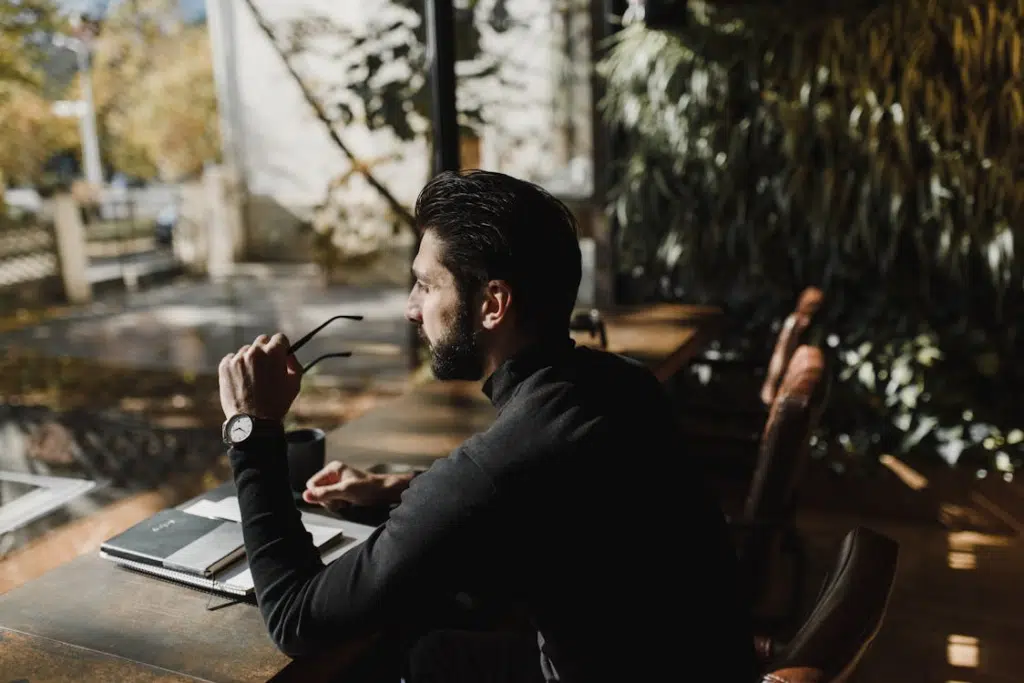
Many men pride themselves on being the calm, the rock, the guy who never cracks under pressure. But holding it together too tightly can start to look a lot like shutting down. You might think you’re being strong, but what your partner feels is distance.
When we shut down emotionally, we protect ourselves from pain. But we also block joy, connection, and intimacy. Your emotional armor keeps you safe, but it also keeps your partner out.
Calling It “Keeping the Peace” When It’s Avoiding Conflict

Staying quiet can make your partner feel unheard. Avoiding tough conversations is pressing mute on your emotions. Psychologists found that “stonewalling,” or withdrawing during arguments, is one of the biggest predictors of divorce.
Silence can feel safer than confrontation, but it creates emotional distance that grows into resentment. You don’t need to explode, but you do need to express.
You Numb with Logic Instead of Feeling the Moment

When something hurts, you go straight to problem-solving. It’s your comfort zone. But not every emotion needs fixing. Some just need to be felt. Ignoring emotions doesn’t make you rational. It just makes you disconnected. True control means understanding why you feel something.
You Always Say “I’m Fine”
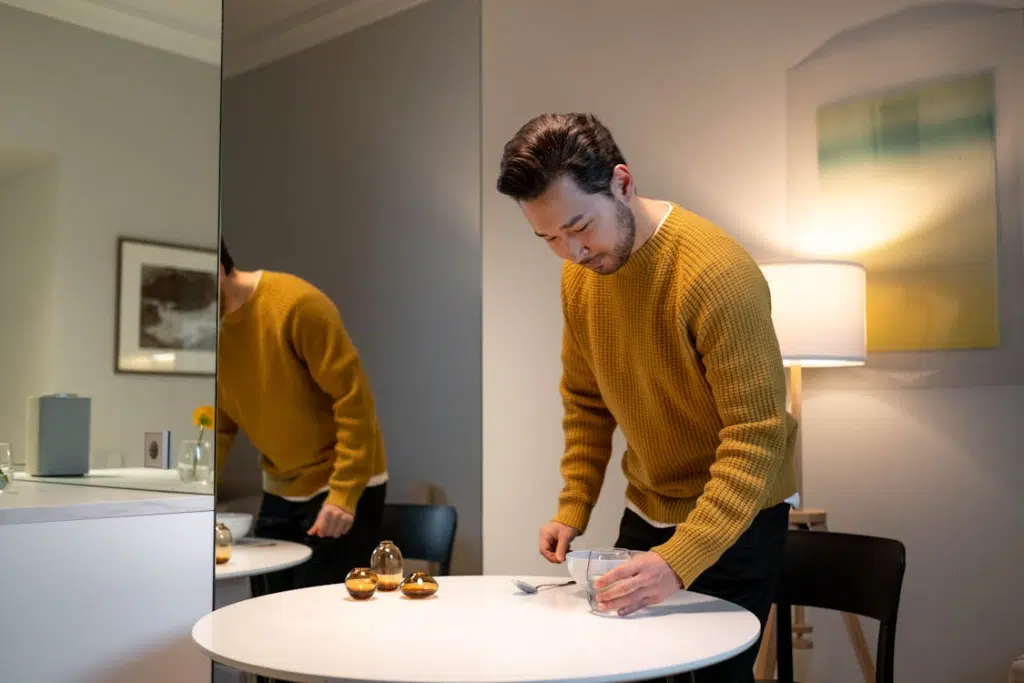
You’ve mastered the poker face. Saying you’re fine when you’re clearly not is emotional avoidance disguised as control. You might think you’re sparing people from your burdens, but you’re actually building emotional walls that keep you lonely. Vulnerability is how people know you’re real.
You Distract Yourself with Work Instead of Processing Pain

Sometimes, work isn’t discipline. It becomes an escape. You stay late, take extra projects, or scroll through emails so you don’t have to deal with the emptiness that waits when everything goes quiet.
According to a Harvard Business Review study, men over 45 are more likely to use work as a coping mechanism for stress or heartbreak. Feel and process it. Your job won’t hug you back.
You Confuse Stoicism with Strength

Stoicism teaches emotional balance, not emotional silence. But many men twist it into a reason to suppress feelings. The ancient Stoics, like Marcus Aurelius, believed in acknowledging emotions. Just not being ruled by them. If you’re shutting down instead of self-regulating, that’s not Stoicism. That’s fear wearing a disciplined mask.
You Avoid Intimacy by Calling It “Needing Space”

Space is healthy, but when you constantly need it, you’re probably running. Men often pull back emotionally to avoid feeling exposed, especially after divorce or heartbreak. But when every disagreement turns into “I need time alone,” your partner starts feeling like they’re dating a ghost. Emotional control is staying present even when things get uncomfortable.
You Downplay Hurt to Appear Unbothered
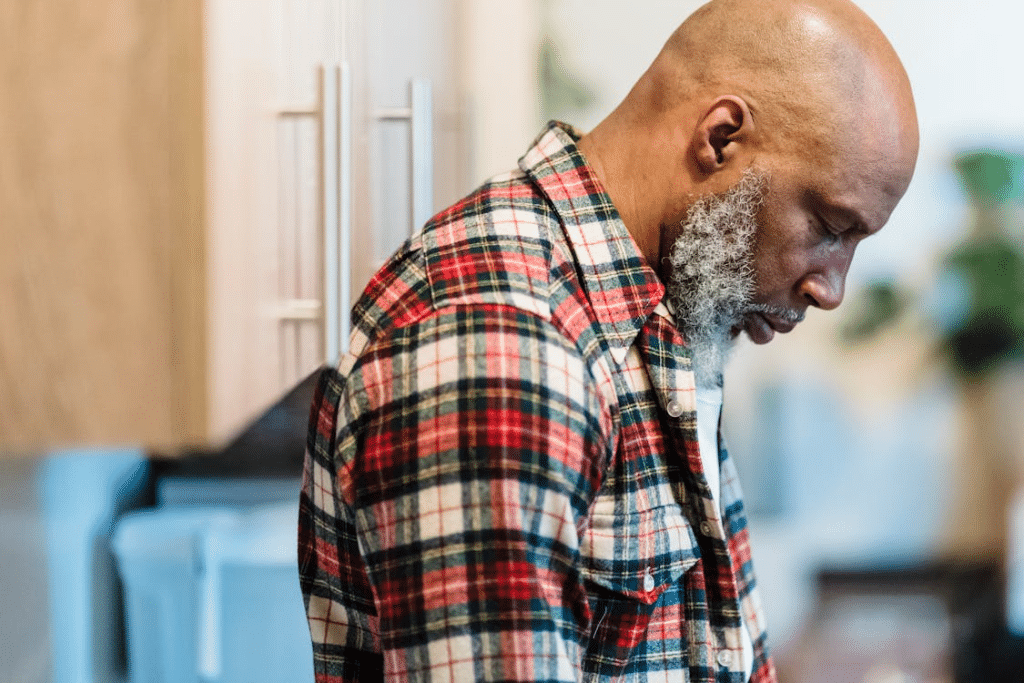
You tell yourself that caring too much looks weak. So when someone hurts you, you shrug it off. But pretending not to care just pushes pain underground until it shows up as bitterness or detachment. Emotional wounds need acknowledgment before they can heal. Denial only delays recovery.
You Keep Secrets “To Avoid Drama”
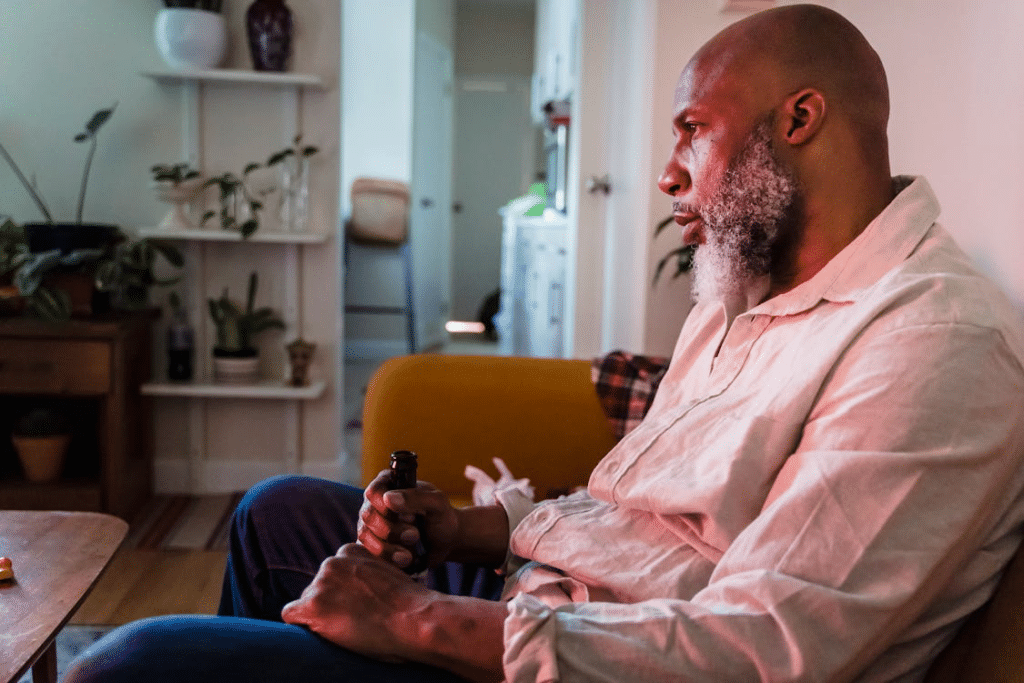
You don’t lie, but you conveniently leave things out. Maybe it’s how much your ex still texts you, or how lonely you really feel. You justify it by saying you’re preventing conflict, but what you’re really doing is preventing connection. Emotional control should build trust, not hide the truth.
You Label Your Partner as “Too Much”

When she expresses her feelings, you call her dramatic or unstable. But often, it’s not her intensity that’s the problem. It’s your discomfort with emotion itself. You’ve trained yourself to stay “in control,” so when someone else feels deeply, it triggers what you’ve suppressed. Instead of judging her, ask why her openness feels threatening.
You Mistake Detachment for Maturity

You pride yourself on not getting too attached, staying “cool,” or keeping emotions casual. But emotional detachment doesn’t make you mature. It makes you emotionally unavailable. Mature men don’t avoid connection. They handle it responsibly. Detachment feels safe, but it keeps you lonely.
You Use Humor to Dodge Vulnerability

You joke about everything, especially the serious stuff. When your partner opens up, you deflect with sarcasm or wit. Humor is your armor. It’s easier to laugh than to admit fear or sadness. But using humor to mask emotions often “signals discomfort with vulnerability.” Real strength is being honest when the joke isn’t funny anymore.
You Claim You’re Over It When You’re Still Angry

You tell yourself you’ve moved on, but you still bring up her name when you’re drinking or when something reminds you of her. Emotional control is learning to process it in healthy ways. Bottled-up anger doesn’t disappear. It leaks into every future relationship you touch.
You Hide Behind “I Don’t Know How to Talk About Feelings”

That’s not a permanent condition. It’s an emotional skill you never practiced. You weren’t taught to name emotions, only to manage them. But avoiding the conversation entirely doesn’t make you controlled. It makes you unavailable. Try starting small. You don’t need to be poetic. You just need to be honest.
You Avoid Apologizing by Saying “It’s in the Past”

You think ignoring past mistakes helps everyone move forward. But unresolved tension doesn’t disappear. It festers. Emotional control is accountability. Apologizing proves you care enough to make things right. According to relationship therapist Esther Perel, “Repair, not perfection, is what sustains intimacy.”
You Say Feelings Fade, But They Don’t. They Just Wait
You believe time heals everything, but unprocessed emotions don’t fade. They ferment. What you ignore today becomes resentment tomorrow. The longer you avoid your emotions, the louder they echo in your behavior. True control means feeling the emotion, understanding it, and letting it pass.








Ask Me Anything