
Signing the papers feels final, but the pressure does not stop there. In many ways, that is when the real test begins. You are dealing with financial shifts, emotional fallout, and new logistics all at once. Life after divorce can feel unstable, even if you were the one who filed. This is not about blame. These are lessons from men who learned the hard way, so you do not have to repeat the same mistakes.
Moving Too Fast Into A New Relationship

After divorce, loneliness can hit hard. Many men try to fix that feeling by dating immediately. That usually leads to rebound relationships that repeat old patterns. If you rush, you skip the reflection that should happen first. Give yourself time to reset before you involve someone new in your life.
Ignoring Your Financial Reality

One of the biggest mistakes men make after divorce is avoiding the numbers. Your income, expenses, and assets have changed. If you do not rebuild a clear budget, stress will follow. Review everything, including housing costs and support payments. Strong post-divorce recovery starts with financial clarity.
Letting Emotions Drive Major Decisions

Selling your house, quitting your job, or moving across the country can feel like a fresh start. But making big moves while emotional often leads to regret. Stability matters during this transition. Keep major decisions grounded in logic, not frustration. Slow down before you commit to anything permanent.
Avoiding Therapy Or Professional Support

Many men think they should handle divorce alone. That mindset can isolate you at a time when structure matters most. A counselor or coach can help you sort thoughts and avoid emotional mistakes after divorce. Talking does not mean weakness. It shows discipline and self-awareness.
Neglecting Your Physical Health

Stress changes habits fast. Sleep drops, workouts stop, and energy declines. That affects your mood and your focus. Simple routines like regular exercise and consistent sleep create stability. Taking care of your body supports coping after divorce in a practical way.
Talking Badly About Your Ex In Front Of The Kids
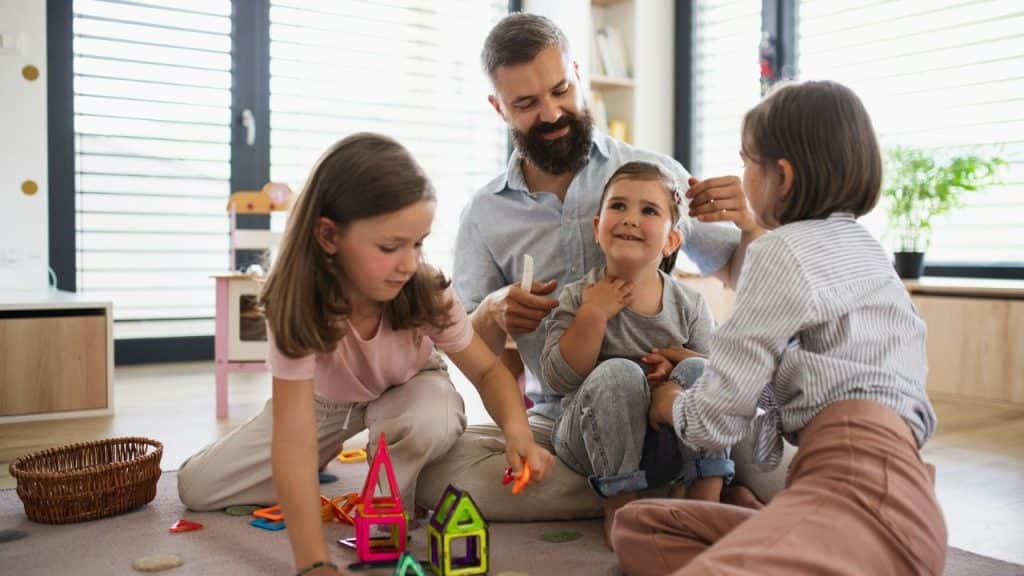
Your children are watching everything. Speaking negatively about their mother can damage trust. Even if you feel justified, restraint protects your long-term relationship with them. Co-parenting works better when you stay calm and respectful. Your kids should not carry adult conflict.
Letting Legal Emotions Spill Into Co-Parenting

Divorce papers end the marriage, not the parenting role. Using children as messengers or bargaining tools creates unnecessary tension. Keep communication direct and focused on logistics. Treat it like a business arrangement that requires clarity. Structure reduces conflict.
Isolating From Friends

Some men withdraw after divorce. They stop calling friends and skip social plans. Isolation increases negative thinking. Stay connected to people who support you and keep you grounded. Strong friendships help during life after divorce more than you might expect.
Overspending To Feel Better

Emotional spending is common after divorce. A new car, expensive gadgets, or constant entertainment can feel like relief. But those purchases rarely fix anything. They often create financial pressure instead. Track your spending carefully during post-divorce recovery.
Ignoring Retirement Planning Adjustments

Your retirement strategy may no longer fit your new reality. Assets change after settlement. Income projections might shift. Review your retirement accounts and update your plan early. Delaying this step can create long-term gaps that are harder to fix later.
Jumping Back Into The Same Lifestyle Too Quickly

Trying to maintain the same expenses with reduced income causes strain. That pressure builds month after month. Downsizing temporarily can create breathing room. Adjust your lifestyle to match your current situation. Stability now prevents bigger problems later.
Not Establishing A Clear Co-Parenting Plan

Vague agreements lead to confusion. Confusion turns into arguments. Define schedules, responsibilities, and communication rules clearly. When expectations are written down, tension drops. Structure supports better co-parenting outcomes.
Letting Anger Control Communication

Anger feels justified in the moment. But short reactions can create long-term consequences. Text messages and emails can become evidence later. Stay calm and keep communication simple. Control your tone, especially when emotions are high.
Avoiding Personal Reflection

If you do not examine what went wrong, you risk repeating it. Reflection is not about blaming yourself for everything. It is about identifying patterns you can improve. Honest self-assessment supports growth and confidence. This step is key to rebuilding confidence after divorce.
Neglecting Your Identity Outside Marriage

Some men lose structure when the marriage ends. Their routines disappear. Their daily role changes overnight. Rebuild your schedule with purpose. Set goals, maintain discipline, and invest in hobbies or projects that move you forward. Life after divorce improves when you define who you are now.








Ask Me Anything