Making it to 20 years is not about never arguing or never struggling. Couples who last often say they simply learned what mattered and what didn’t. They stopped chasing perfect and started protecting the basics: respect, repair, and daily partnership. They also learned that love is not only a feeling. It is a set of habits that either strengthen the bond or quietly weaken it. The best lessons usually came from mistakes, not theories. That is why they tend to be practical and sometimes uncomfortable. Long-lasting couples do not avoid hard seasons. They build skills that help them survive them. These are the lessons many 20-year couples say made the biggest difference.
Respect Is the Foundation, Not Romance

Many long-term couples say romance dies fast without respect. Respect shows up in tone, fairness, and protecting dignity during conflict. They learned to stop using sarcasm, contempt, or humiliation. Even when they were frustrated, they kept a baseline of decency. Respect made their home feel emotionally safe. Emotional safety kept intimacy alive. They often said, “We can handle problems, but we can’t handle disrespect.” Respect is the soil where everything else grows.
Repair Matters More Than Avoiding Conflict
Couples who last do not avoid conflict. They avoid leaving conflict unrepaired. They learned that arguments are normal, but emotional debt is dangerous. Repair includes apology, reassurance, and behavior change. They stopped letting issues hang for days. Quick repair kept small problems from turning into permanent resentment. They also learned that being right is less important than being close. Repair turned conflict into connection instead of distance. A relationship survives storms when repair is normal.
Consistency Beats Grand Gestures

Long-lasting couples often say big gestures are overrated. What mattered was daily reliability. Showing up, following through, and being emotionally steady built trust. Trust created calm, and calm created closeness. They learned that love is felt through ordinary habits. Grand gestures cannot compensate for daily neglect. The marriage improved when consistency became the standard. Steady love felt safer than dramatic love. Small effort done often mattered most.
Communication Without Tone Control Does Not Work

Many couples learned that what is said matters less than how it is said. Tone is what tells the nervous system whether a conversation is safe. Long-lasting couples got better at speaking respectfully under stress. They stopped using sharpness as a default. They learned to pause instead of escalate. This made it easier to talk about hard topics. A calm tone reduced defensiveness, which reduced conflict length. Tone control was one of the most practical lessons they learned.
Friendship Is the Glue During Hard Seasons

Couples who last say friendship saved their marriage more than romance did. Friendship includes laughter, shared interests, and enjoying each other’s company. When stress hit, friendship kept them from feeling like enemies. It also made repair easier because warmth still existed. Many couples said they intentionally protected fun. They did not treat dates and playfulness as optional. Friendship made the relationship feel light enough to survive heavy seasons. When friendship dies, everything feels harder.
Never Stop Dating Each Other

Long-lasting couples said they kept choosing each other, not just living together. They planned time, created rituals, and protected “us” space. Dating did not have to be expensive. It just had to be intentional. Dates prevented the roommate drift. They also created new memories, which kept the relationship fresh. Many couples said routine is the silent killer. Dating is the antidote. Choosing each other repeatedly kept love alive.
Share the Mental Load or Resentment Will Win

Couples who last learned that unfairness creates long-term resentment. If one person becomes the planner, manager, and reminder system, attraction suffers. They learned to share responsibility with initiative, not “helping.” Initiative communicated respect and partnership. It reduced the manager-assistant dynamic. Many long-term couples said this was a turning point. Once responsibility felt fair, the relationship felt lighter. Fairness is a romance fuel people underestimate.
Appreciation Must Be Spoken, Not Assumed

Many couples said love became stronger when gratitude became frequent. They stopped assuming effort was obvious. They thanked each other for daily contributions. Appreciation prevented the relationship from feeling like invisible work. It also kept both people motivated to keep trying. Many said they noticed problems faster when gratitude disappeared. Appreciation is like oil in an engine. Without it, friction increases. A simple thank you kept warmth alive.
Boundaries Protect the Marriage From Outside Stress

Long-lasting couples often said the marriage must be defended. That means boundaries with family interference, disrespectful friends, and oversharing. They learned to handle problems inside the relationship first. They also learned to protect each other publicly. When outsiders had too much influence, loyalty conflicts grew. Boundaries reduced stress and increased unity. A strong couple becomes a unit. Many couples said, “We stopped letting other people into our marriage.” Protection builds safety.
Learn Each Other’s Stress Language

Many couples said stress was the real enemy, not each other. They learned how their partner reacts under pressure. One may withdraw, the other may talk more. Knowing these patterns reduced misunderstanding. They stopped taking stress behavior personally. They also learned to communicate what they needed during stress. This prevented fights that were actually about exhaustion. Emotional regulation became a team skill. When stress was handled well, love felt easier.
Do Not Let Pride Run the Relationship

Couples who last learned to choose humility. Pride turns conflict into competition. Humility turns conflict into repair. They learned to apologize without being cornered. They also learned to admit when they were wrong quickly. This made the relationship safer for honesty. Many couples said pride nearly broke them in early years. Later, they realized ego was expensive. Humility protected the bond. A marriage needs two people who can be wrong safely.
Intimacy Follows Emotional Climate

Long-lasting couples said intimacy improves when the relationship feels warm and safe. Bedroom activity was not treated like a separate issue. It was treated as a mirror of closeness, stress, and respect. They learned that pressure makes intimacy worse. Connection makes intimacy better. They also protected affection outside the bedroom. Small touch and warmth kept desire alive. When the emotional climate improved, intimacy improved. The lesson was simple: protect closeness, and the rest follows.
Update Expectations as Life Changes

Couples who last said they kept renegotiating the relationship. Needs change after kids, career shifts, health changes, and aging. They learned that old agreements may stop fitting. They had regular conversations about what each person needed now. This prevented silent disappointment. Many couples said resentment came from unspoken expectation shifts. Updating expectations kept the marriage current. Clarity reduced conflict. A relationship should be updated like a living system.
Choose Team Language Over Blame Language
Long-term couples learned to stop talking like opponents. They used “we” more than “you always.” They framed issues as shared problems to solve. This reduced defensiveness and increased cooperation. Blame language creates enemies. Team language creates solutions. Many couples said this one shift changed everything. It made conflict less personal. It also made repair easier. Teamwork is not a feeling, it is a communication habit.
Protect Peace, but Do Not Use Avoidance

Couples who last wanted peace, but they did not buy it with silence. They learned the difference between calm and avoidance. Avoidance creates emotional debt. Calm comes from understanding and repair. They learned to have difficult talks early, before resentment hardened. They also learned to pause conversations when emotions were too high, then return to them. This prevented blowups and long silent wars. Peace that comes from repair feels warm. Peace that comes from avoidance feels cold.
Keep Individual Identity Alive

Long-lasting couples said the healthiest marriages included two whole people. They protected friendships, hobbies, and personal goals. This prevented the marriage from becoming suffocating. It also kept partners interesting to each other. When people lose identity, resentment grows. A relationship should add to life, not erase it. Healthy independence also reduces pressure on the marriage. Balanced couples last longer because they are not emotionally dependent in unhealthy ways. Individual growth keeps the relationship fresh.
Handle Money Like Teammates

Many couples said money fights were rarely about numbers. They were about trust and safety. Long-lasting couples created shared goals and clear plans. They talked about spending, saving, and priorities without secrecy. They learned that avoidance creates anxiety. Clarity reduces fear. Even simple budgeting reduced tension. Money became a team project, not a power struggle. When finances felt collaborative, the marriage felt calmer. Teamwork in money protects long-term stability.
Notice Drift Early and Correct It Fast
Couples who last said drift is normal, but ignoring drift is dangerous. They paid attention to reduced affection, less laughter, and less connection. They treated those as warning signs, not phases. They adjusted quickly by scheduling time, improving communication, and repairing resentment. Many said the earlier they acted, the easier it was. Drift becomes distance when it is ignored. Distance becomes detachment when it lasts too long. Early correction is cheaper than late repair. Awareness is a long marriage skill.
Never Stop Choosing Each Other

The biggest lesson long-term couples repeat is simple: choice. Love does not stay alive by accident. It stays alive through daily choosing. Choosing shows up in attention, effort, kindness, and repair. It also shows up in prioritizing the relationship even during busy seasons. Many couples said they survived because they kept deciding, “We’re in this together.” Commitment is not only vows, it is daily behavior. When choosing becomes routine, the marriage becomes strong. Long love is built, not found.
20 Years Is Not Luck—It’s Skill and Daily Choices
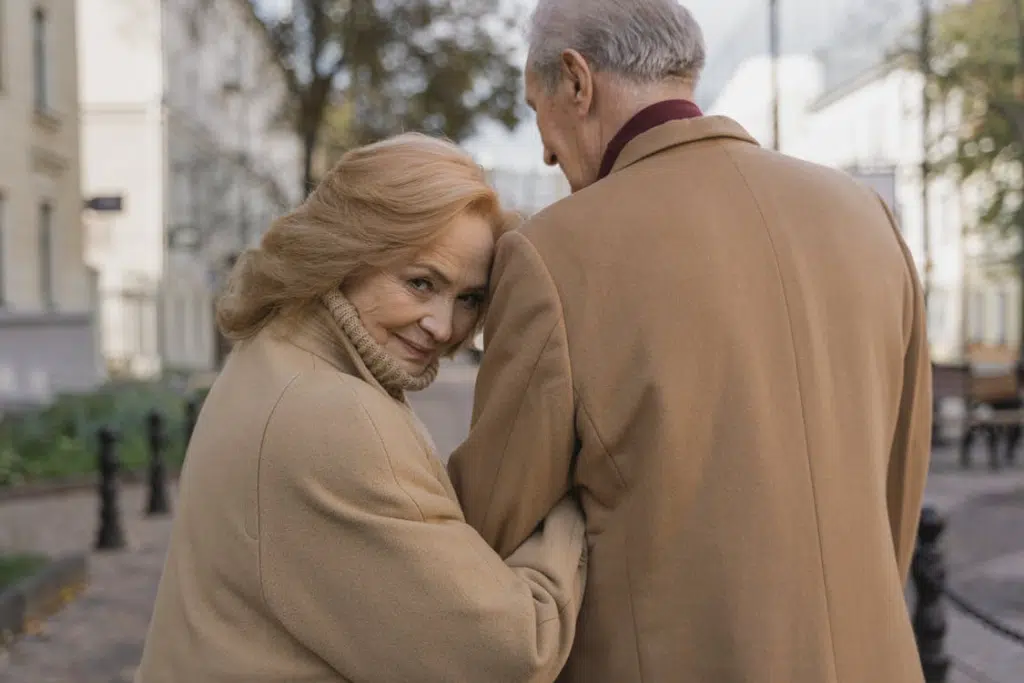
Couples who last say they did not win because they found a perfect partner. They lasted because they built habits that protected the relationship. Respect, repair, fairness, and appreciation showed up every day. They learned to manage stress, set boundaries, and keep friendship alive. They also learned to update the relationship as life changed. Long-term love requires maturity, not magic. The good news is that these lessons are learnable. Most people learn them after losing something. The better move is learning them while love still has warmth. That is how couples reach 20 years and still feel like a team.








Ask Me Anything