
You don’t owe explanations to people committed to misunderstanding you. Some thrive on making you defend your decisions–it keeps them in control. When you catch yourself overexplaining, stop. Say it once, calmly, and let your silence finish the conversation. People who truly respect you won’t need an essay to accept your choices.
1. Stop explaining yourself to people who’ve already decided not to understand

Two women gossiping about a manYou don’t owe explanations to people committed to misunderstanding you. Some thrive on making you defend your decisions–it keeps them in control. When you catch yourself overexplaining, stop. Say it once, calmly, and let your silence finish the conversation. People who truly respect you won’t need an essay to accept your choices.
2. Say no without padding it with excuses

A man saying no with his handA boundary loses power the second you start overexplaining it. Learn to say “No” without guilt, apology, or a three-sentence justification. It’s a full sentence, not a negotiation. Every time you say no clearly and without fear, you send yourself a message: “My needs matter too.” That’s how quiet confidence grows.
3. Protect your downtime like it’s an appointment with yourself

4. Don’t engage in arguments that go nowhere

A couple fighting in the kitchenYou don’t have to attend every argument you’re invited to. Some people argue not to reach understanding but to drain your peace. When the conversation stops being respectful or productive, walk away. Protecting your peace doesn’t make you weak–it makes you wise. Energy wasted on chaos is energy stolen from your growth.
5. Stop chasing closure from people who don’t respect you

A man watching his wife walk awayYou won’t find closure in the same place that broke your peace. When someone shows you who they are through repeated disrespect, take the message, not the bait. Closure is something you give yourself when you decide the story ends–not when they explain why they hurt you.
6. Don’t apologize for your standards
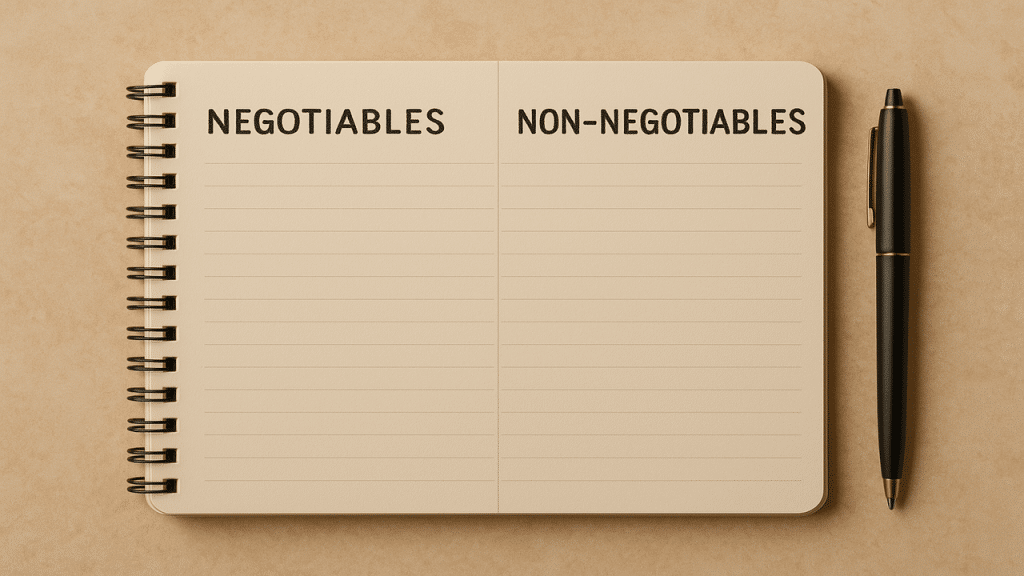
A picture of a list of negotiables and non-negotiablesStandards aren’t arrogance; they’re clarity. You have every right to want loyalty, effort, and respect–and refusing less doesn’t make you difficult. It makes you self-aware. When people call your boundaries “too much,” it often means they prefer you with less. Don’t shrink to make them comfortable.
7. Limit access, not just contact
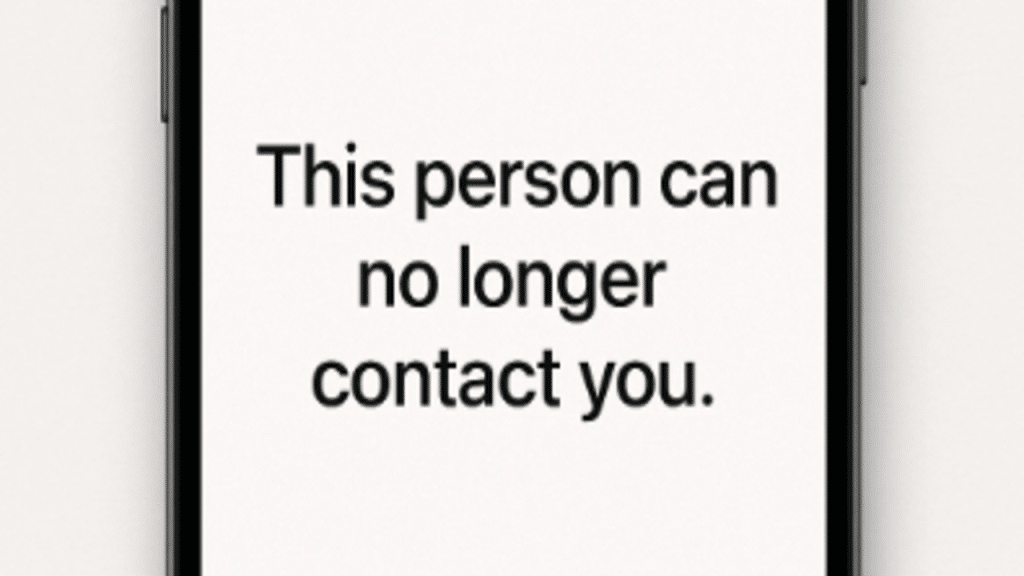
A photo of a scrreenshotYou can block a number and still give someone emotional space in your head. Real boundaries go deeper–they limit mental access, not just physical contact. Stop replaying conversations, stalking updates, or hoping they’ll change. Protecting your self-respect means learning to detach without bitterness.
8. Don’t tolerate backhanded compliments or “jokes” at your expense

A man mocking his girlfriendHumor isn’t an excuse for disrespect. When people hide cruelty under the guise of teasing, call it out–or disengage. Laughing along only teaches them you’ll accept being undermined. Assertiveness doesn’t make you uptight; it makes you someone who won’t let others chip away at your worth.
9. Stop fixing people who don’t want to change

10. Don’t overcommit out of guilt

A man looking serious while thinkingPeople-pleasing feels generous, but it’s often self-disrespect in disguise. When you say yes out of guilt, you’re teaching others that your time and peace are negotiable. Learn to pause before agreeing. Ask, “Do I actually want to do this?” If not, politely decline. Protecting your bandwidth protects your sanity.
11. Refuse to participate in gossip

Colleagues gossiping at workGossip might bond people, but it always erodes integrity. When you refuse to join in, you communicate quiet strength–it says, “I’m not interested in negativity.” The moment you rise above small talk about other people, you elevate yourself. Self-respect grows in silence, not in drama.
12. Don’t explain your healing timeline

A woman seeing a therapistYou don’t need to justify how long it takes to move on. Whether you heal in months or years is your business. People who rush you through your pain are uncomfortable with emotions, not concerned for you. Self-respect means honoring your own process, not performing recovery for anyone else’s comfort.
13. Keep your financial boundaries firm

A woman planning her budgetMoney boundaries are a form of self-respect too. Don’t loan, give, or spend out of pressure or pity. If someone gets upset because you won’t fund their chaos, that’s manipulation, not love. Financial peace isn’t selfish–it’s security. You can’t pour from an empty wallet any more than from an empty cup.
14. Stop being the emotional dumping ground

15. Don’t confuse loyalty with self-sacrifice

A woman crying at homeLoyalty means support, not self-abandonment. If your loyalty costs your peace, it’s not noble–it’s toxic. Respect yourself enough to leave situations where your giving is one-sided. The right people won’t demand you destroy yourself to prove devotion.
16. Set digital boundaries

17. Don’t justify your success to make others comfortable

A man hard at workDownplaying your wins to avoid making others jealous doesn’t make you humble–it makes you smaller. Own your achievements with quiet pride. The people meant for you will celebrate, not compete. Self-respect means refusing to dim your light just because someone else prefers the dark.
18. Remember: enforcing boundaries is self-love in action

©Nick Fewings/Unsplash.com
The word “no” painted on the ground
Boundaries aren’t walls–they’re doors with locks, and you hold the key. You get to decide who enters and how deeply. Self-respect doesn’t come from being liked by everyone; it comes from liking the person who looks back at you in the mirror. Every time you protect your peace, you tell yourself: “I’m worth it.”








Ask Me Anything