
Marriage is often described as a journey, but sometimes that journey becomes a cycle of unhappiness. Many men find themselves stuck in marriages that no longer feel fulfilling, not always because of one major issue but due to patterns that quietly build over time. These behaviors are rarely recognized in the moment, yet they shape the atmosphere of the relationship. Identifying them is the first step toward breaking the cycle. Staying stuck doesn’t have to be the default, awareness and change can shift the trajectory toward something healthier.
Ignoring Emotional Needs

A marriage thrives on emotional connection, not just shared responsibilities. When men neglect their own emotional needs or dismiss their partner’s, distance grows. Over time, this creates a household where conversations feel shallow and intimacy fades. Many men get stuck because they assume showing vulnerability is weakness. In reality, addressing emotions openly is what strengthens bonds and prevents silent resentment.
Prioritizing Work Over Relationship

Work is important, but when it constantly comes before marriage, it signals misaligned priorities. Some men bury themselves in their careers as a way to avoid unresolved tension at home. While this may feel productive, it slowly erodes connection and makes the marriage feel secondary. Over time, partners stop competing for attention, they simply give up. A relationship cannot thrive when it’s always at the bottom of the list.
Avoiding Difficult Conversations

Silence may seem easier than conflict, but avoidance allows problems to multiply. Many men choose to hold back frustrations or ignore their partner’s concerns to keep the peace. This habit builds invisible walls, making partners feel like roommates instead of spouses. Honest communication is uncomfortable, but without it, the marriage stagnates. Growth only comes when issues are faced directly, not buried.
Staying in “Auto-Pilot” Mode

Routine provides stability, but too much of it kills connection. Men who move through marriage on autopilot, going through motions without thought, end up disconnected from their partners. Daily gestures lose meaning when they are done without awareness or intent. Relationships need consistent effort, not just passive coexistence. Breaking free from autopilot requires presence and mindfulness in even the smallest interactions.
Neglecting Physical Affection

Love isn’t only about words; it’s also expressed through physical closeness. Many men underestimate how much small gestures, like holding hands or offering a hug, matter in long-term marriages. Without affection, relationships start to feel cold and transactional. Over time, the lack of touch reinforces emotional distance. Affection may seem small, but it’s often the glue that keeps intimacy alive.
Refusing to Compromise
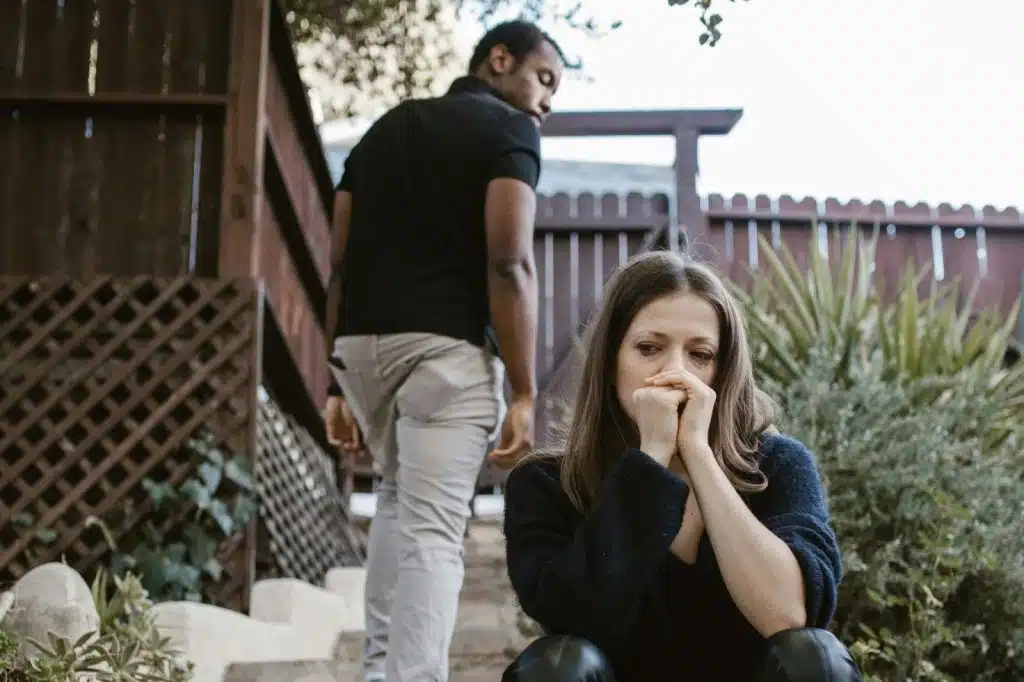
A marriage built on “my way or the highway” thinking quickly becomes suffocating. Some men cling to control over finances, schedules, or household decisions, believing it demonstrates leadership. In reality, it only pushes their partner away. Refusing to compromise signals a lack of respect for shared needs. Healthy relationships grow stronger when both voices are heard and valued.
Comparing the Marriage to Others

Looking at other couples through the lens of social media or peers often creates unrealistic expectations. Men who constantly compare their relationship to someone else’s highlight what’s lacking instead of appreciating what they have. This mindset fosters dissatisfaction that isn’t always based on reality. Every marriage is unique, and constant comparison keeps men trapped in disappointment. Respecting differences is key to genuine happiness.
Bottling Up Resentment
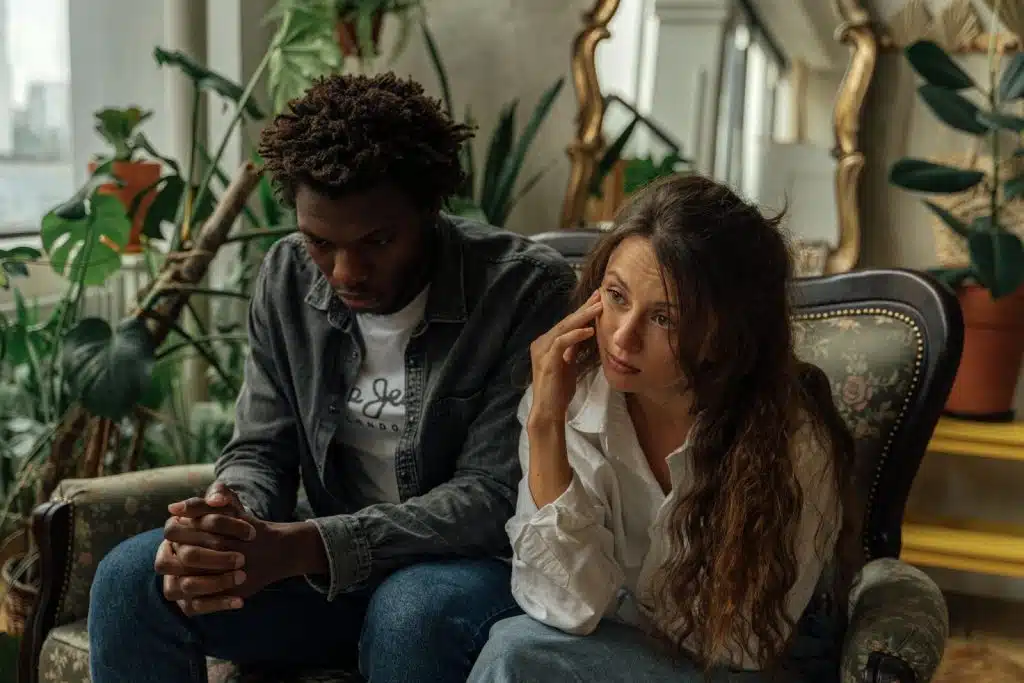
Unspoken frustrations don’t disappear, they build pressure. Men who suppress their dissatisfaction often reach a breaking point, leading to explosive arguments or total withdrawal. Over time, this cycle creates fear around communication, with both partners walking on eggshells. Bottled resentment poisons even the strongest bonds. The antidote lies in expressing frustrations respectfully and consistently before they grow unmanageable.
Relying on Routine Alone for Stability

Routines can anchor a marriage, but when relied upon too heavily, they become a substitute for real connection. Men who assume daily patterns are enough often miss opportunities for growth and renewal. Predictability may feel safe, but it can lead to stagnation. When marriages lack novelty or intentional effort, partners slowly drift apart. Stability should come from commitment, not monotony.
Expecting Partner to Read Minds

Some men believe their partner should simply “know” what they need without explanation. This expectation creates unnecessary tension and misunderstandings. When communication is absent, assumptions take over, and they’re often wrong. Expecting mind-reading denies both partners clarity and fairness. Respect comes from clearly stating needs, not leaving them unspoken.
Withdrawing During Conflict

Conflict avoidance often leads to silent battles instead of resolution. Men who shut down or leave the room when arguments begin may think they’re diffusing tension, but the opposite occurs. Their partner feels unheard and invalidated, fueling deeper frustration. Withdrawal prevents growth and prolongs disconnection. Facing conflict with patience and respect is essential to keeping a marriage alive.
Allowing Negativity to Dominate

The lens through which a man views his relationship shapes its atmosphere. When criticism, sarcasm, or negativity become the norm, the home environment feels draining. Men who constantly focus on flaws instead of strengths drag their marriage into a spiral of discontent. Over time, partners may feel unappreciated and hopeless. Choosing gratitude over negativity is key to breaking this cycle.
Ignoring Self-Improvement

Marriage requires growth from both partners, not just one. Men who stop investing in themselves, whether physically, mentally, or emotionally, often drag the relationship down with them. A stagnant mindset creates distance, as their partner continues evolving while they stay stuck. Growth should never stop, especially within marriage. Investing in self-improvement benefits both individuals and the union as a whole.
Relying Too Heavily on Partner for Happiness

A partner can complement happiness but should never be the sole source of it. Men who depend entirely on their spouse for validation or fulfillment often create an unfair emotional burden. This leads to disappointment when needs aren’t constantly met. A balanced marriage happens when both partners bring their own sense of wholeness to the relationship. Self-reliance fosters healthier bonds.
Refusing Outside Help

Many men resist counseling or outside support, believing they should solve problems alone. This mindset prolongs unhappiness by denying marriage new tools for growth. Professional guidance doesn’t signal weakness; it demonstrates strength and willingness to improve. Avoiding help leaves couples repeating the same mistakes. Sometimes, an outside perspective is what unlocks lasting change.
Neglecting Shared Dreams

Marriage isn’t only about managing daily life, it’s also about building a future together. Men who ignore shared goals leave the relationship feeling directionless. Without dreams to work toward, couples drift into parallel lives rather than shared ones. Revisiting and pursuing goals together keeps the partnership vibrant. Dreams, big or small, give marriages a sense of forward momentum.
Holding Onto Old Grudges

Forgiveness is essential for renewal. Men who continually bring up past mistakes prevent their marriage from healing. Holding onto grudges keeps wounds open and trust fragile. A relationship cannot thrive under the constant weight of old battles. Choosing to release the past opens the door for rebuilding connection.
Forgetting Appreciation

Familiarity often leads men to stop acknowledging the efforts of their partner. Over time, unspoken gratitude turns into taken-for-granted behavior. Even small gestures, like a simple thank you, carry great weight in a marriage. Forgetting appreciation slowly erodes goodwill, leaving one partner feeling undervalued. Respect grows when gratitude becomes a consistent habit.
Refusing Vulnerability

Some men believe strength means keeping walls up at all times. However, emotional distance is one of the fastest ways to erode intimacy. Vulnerability allows deeper understanding and connection, while resistance to it creates loneliness. Women respect men who show courage in being emotionally open. Vulnerability is not weakness, it is one of the deepest strengths within marriage.
Believing Change Is Impossible

The most limiting behavior is the belief that nothing can improve. Men who assume their marriage cannot change essentially close the door to progress. This mindset keeps them locked in cycles of unhappiness. Relationships evolve when both partners believe growth is possible. Hope and effort, not resignation, create the conditions for renewal.
Conclusion

Unhappy marriages are rarely built on a single dramatic event. More often, they result from repeated patterns that slowly erode connection and trust. These behaviors may seem small or even harmless in the moment, but over time, they compound into disconnection. Recognizing them is not about blame, it’s about creating an opportunity to reset. With awareness and effort, men can step out of cycles that keep them stuck and move toward marriages built on respect, growth, and authentic connection.








Ask Me Anything