
Some dating habits feel thrilling in the beginning because novelty makes everything glow. Intensity feels like devotion, constant contact feels like closeness, and jealousy looks like passion. But once real life settles in, those same habits can become pressure, control, and emotional fatigue. What felt romantic can start feeling like maintenance you didn’t agree to. The difference is sustainability. Healthy romance should feel warm and doable long-term, not like a performance that drains you. Many couples don’t realize the habit is the problem until they’re already exhausted. These are the dating habits that often feel romantic at first but become heavy later.
Constant Texting as Proof of Love

In the early stage, nonstop texting feels exciting. It creates the sense that you’re always connected. Later, it becomes a pressure to be available all day. Missing a message turns into suspicion or hurt feelings. The relationship starts feeling like a job with response deadlines. Instead of closeness, it creates anxiety. Healthy love doesn’t require constant reporting. It requires trust and quality contact. What felt romantic becomes exhausting when it turns into monitoring.
“We Don’t Need Anyone Else” Relationship Bubble

Early on, it feels sweet to be each other’s whole world. You cancel plans, stay in, and build a private universe. Later, it becomes isolating. Friends fade, hobbies disappear, and independence shrinks. The relationship starts carrying too much emotional weight. When one person needs space, the other panics. Healthy couples keep a life outside the relationship. A relationship bubble feels romantic until it feels suffocating. Balance keeps love alive.
Grand Gestures Replacing Daily Effort

Big surprises and dramatic romance feel impressive early. Later, they can cover a lack of consistency. You start feeling like the relationship runs on highlight reels. Daily needs like respect, partnership, and follow-through don’t get met. Then the grand gestures feel performative, not loving. Real love is built in ordinary habits. Grand gestures can’t compensate for daily coldness. What felt romantic becomes exhausting because it doesn’t solve the real issues. Consistency matters more than spectacle.
“If You Loved Me, You’d Know” Mind-Reading

Early on, mind-reading fantasies feel romantic. You want a partner who “just gets it.” Later, it becomes constant disappointment. Unspoken expectations turn into silent punishments. The partner feels set up to fail. The relationship becomes guessing instead of communication. Guessing creates anxiety and resentment. Healthy couples speak needs clearly. Mind-reading is cute in movies, not in real life. What felt romantic becomes exhausting because it creates endless misunderstandings.
Jealousy as Proof of Caring

A little jealousy can feel flattering early. It signals desire and investment. Later, it becomes control and distrust. You start changing behavior to avoid conflict. That creates walking-on-eggshells energy. The relationship feels unsafe because you’re constantly proving loyalty. Trust should grow over time, not shrink. Jealousy that escalates becomes emotional policing. What felt romantic becomes exhausting because it turns love into surveillance. Secure love doesn’t need constant reassurance.
Testing Each Other Instead of Being Direct

Playful “tests” can feel like flirting early. Later, they become manipulation and anxiety. One partner sets traps to see if the other cares. The other partner feels confused and resentful. The relationship becomes a quiz, not a bond. Tests kill safety because honesty feels risky. A healthy partner asks for what they need. Testing is insecurity disguised as romance. What felt cute becomes exhausting because it creates mistrust.
Making the Partner the Only Emotional Outlet

Early closeness can feel like deep bonding. Later, it becomes emotional dependence. One partner expects the other to carry every feeling, every stress, every need. This creates pressure and burnout. No one can be someone’s entire support system. Healthy relationships include friends, family, and personal coping tools. Dependence makes the relationship fragile. What felt romantic becomes exhausting because it turns love into emotional labor. Balance protects connection.
Over-Analyzing Every Change in Tone

Early dating can include lots of reading between the lines. Later, it becomes anxiety management. Every delayed reply, short text, or tired mood turns into suspicion. The couple spends more time interpreting than communicating. That creates drama out of normal life. A relationship should feel like relief, not constant decoding. Over-analysis can also make the other partner shut down. What felt like “being attentive” becomes exhausting because it produces constant tension. Clarity beats decoding.
Treating Alone Time as Rejection

Early on, wanting constant togetherness can feel romantic. Later, it becomes controlling. If one partner needs space, the other feels abandoned. Then guilt and conflict show up. This makes the relationship feel suffocating. Healthy love includes independence. Alone time supports mental health and reduces resentment. A partner shouldn’t have to sacrifice peace to prove love. What felt like devotion becomes exhausting because it punishes healthy boundaries. Love should allow breathing.
Romanticizing Being “A Little Toxic”

Some couples joke about being dramatic, jealous, or chaotic. Early on, it can feel edgy and exciting. Later, the damage becomes real. Toxic patterns don’t stay playful. They turn into distrust, stress, and emotional exhaustion. The relationship becomes harder to maintain. Many people stay because they mistake chaos for passion. But chaos eats stability. What felt romantic becomes exhausting because it creates constant repair work. Peace is better than drama long-term.
Keeping the Relationship in a Constant “Prove It” Mode
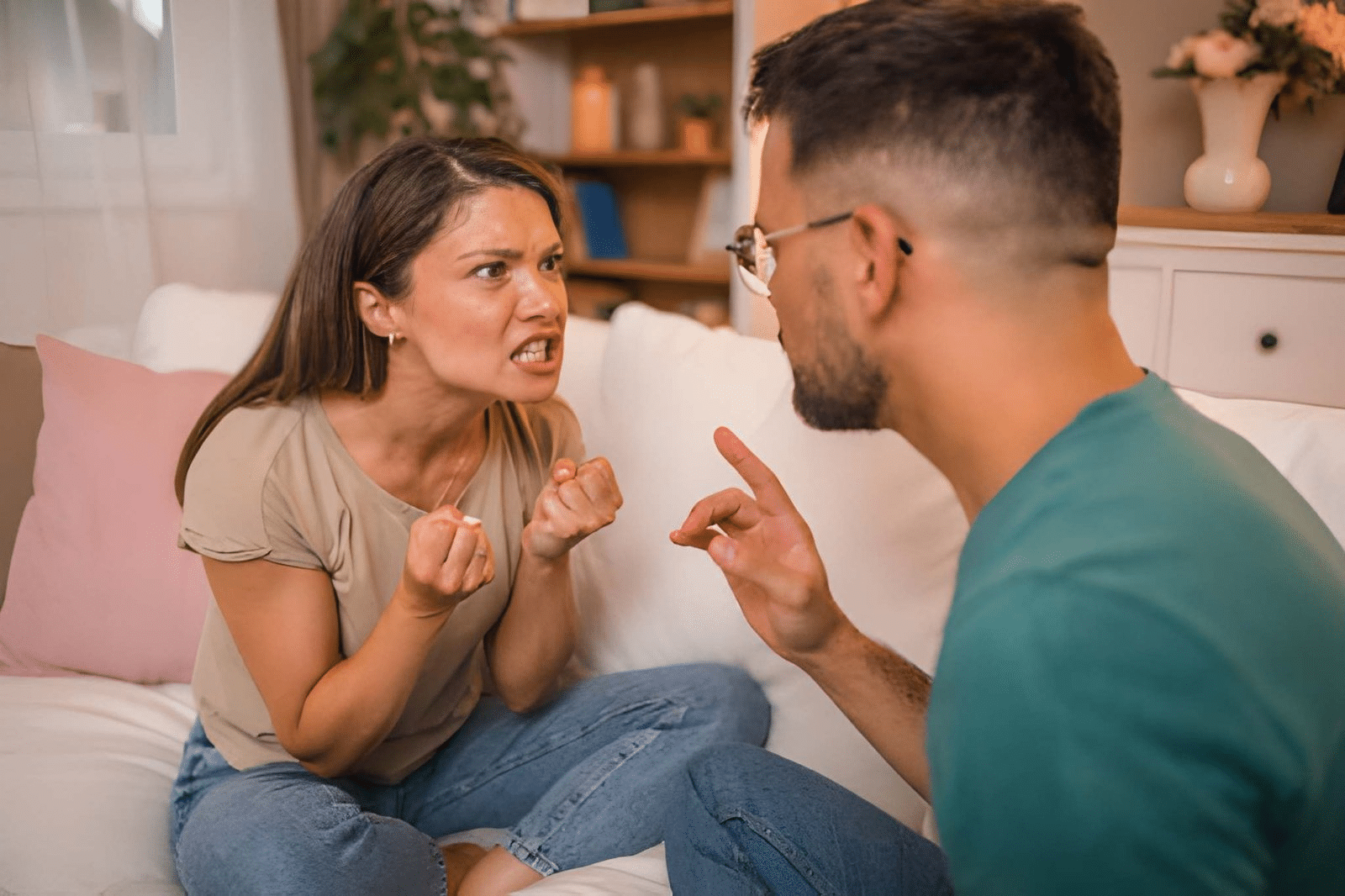
Early on, proving love can feel passionate. You want reassurance, validation, and constant effort. Later, it becomes draining because nothing is ever enough. The partner feels like they’re always failing an invisible standard. This creates defensiveness and withdrawal. Love becomes performance, not connection. A healthy relationship doesn’t require constant proof. It requires trust that grows. What felt romantic becomes exhausting because it turns affection into a test. Trust should reduce proving, not increase it.
Avoiding Normal Disagreements to “Keep the Magic”

Some couples fear conflict because they want the honeymoon feeling to last. They avoid hard conversations and keep everything positive. Later, unspoken issues turn into resentment. The relationship looks calm but feels tense underneath. Avoidance makes problems bigger. Healthy couples can disagree and still feel safe. Conflict doesn’t kill love; unrepaired conflict does. What felt romantic becomes exhausting because it creates emotional debt. Real love can handle truth.
Using Social Media as a Relationship Stage

Posting constantly can feel like showing off love early. Later, it becomes pressure and comparison. Partners start measuring love by posts and reactions. Private issues become public hints. The relationship becomes performative. This creates insecurity and resentment. Love should be lived, not displayed for validation. Social media should not be the proof of commitment. What felt romantic becomes exhausting because it invites outsiders into your bond. Privacy protects intimacy.
“All or Nothing” Intensity

Early intensity can feel like fate. Fast attachment, big words, and quick commitment feel romantic. Later, it can feel unstable. Intensity without foundation often leads to disappointment. The relationship becomes heavy before it becomes strong. When the intensity fades, both people panic and chase the beginning. Healthy love builds gradually and deepens over time. What felt romantic becomes exhausting because it’s hard to sustain. Slow is often safer.
Keeping Secrets “To Protect the Relationship”

Some people hide small things to avoid conflict. Early on, it can feel like being considerate. Later, it becomes secrecy and mistrust. Small lies create big doubt over time. The relationship loses transparency. When transparency is gone, anxiety grows. People start checking, questioning, and assuming the worst. What felt like protection becomes exhausting because it poisons trust. Peace built on secrecy is fragile. Honest peace lasts longer.
Over-Prioritizing Romance Over Practical Partnership

Some couples focus on dates, gifts, and vibes but ignore responsibility sharing. Early on, it’s fun because life feels light. Later, real life demands teamwork. If chores, finances, and planning are one-sided, resentment builds. Romance can’t cover unequal effort forever. The relationship becomes frustrating because one partner carries the system. What felt romantic becomes exhausting when reality arrives. Partnership is romantic when it reduces stress. Practical support keeps love alive.
“Fixing” Each Other as Love

Early on, helping someone improve can feel meaningful. You feel needed and important. Later, it becomes exhausting because you turn into a coach instead of a partner. Fixing creates a power dynamic and constant disappointment. People change only when they choose to. If you keep trying to fix, you’ll keep feeling responsible for their growth. That’s a heavy role. What felt romantic becomes exhausting because it never ends. Love should support growth, not carry it.
Making Intimacy a Duty Instead of a Bond

Early intimacy can feel effortless. Later, if it becomes pressured, it creates tension. One partner feels rejected, the other feels obligated. That kills desire for both. Intimacy needs safety, affection, and emotional closeness. Pressure makes intimacy feel like a performance. Over time, avoidance grows. What felt romantic becomes exhausting because it creates anxiety around closeness. Warmth outside the bedroom protects intimacy inside it.
Using Silent Treatment as “Space”

Some people call it space, but it’s punishment. Early on, the partner may chase and apologize quickly, so it looks like a way to “calm down.” Later, it becomes emotional control and insecurity. The relationship feels unsafe because conflict has no resolution. Silence becomes a weapon. This trains avoidance and fear. What felt like calming becomes exhausting because it creates emotional debt. Healthy space is communicated, not used to punish.
Treating “Later” as a Normal Answer to Needs

Early in dating, postponing things feels harmless. Later, repeated “later” becomes emotional neglect. Needs get delayed until they disappear, and the partner stops asking. This is how people become quietly resentful. Love can’t survive on postponed effort forever. Follow-through is a form of care. What felt like flexibility becomes exhausting because it creates disappointment. “Later” becomes a pattern, not a moment.
Confusing Romance With Unsustainable Intensity

Many exhausting habits share one root: intensity that can’t be maintained. Early romance is supposed to feel exciting, but it should also be livable long-term. Healthy romance becomes steadier, not weaker. The habits that last are respect, repair, trust, and consistent effort. If romance requires constant proving, constant texting, constant drama, or constant performance, it will burn out. The goal is not to remove romance. It’s to build romance that doesn’t drain you. Love should feel like support, not a second job. The most romantic thing long-term is a relationship that feels safe, steady, and mutual.








Ask Me Anything