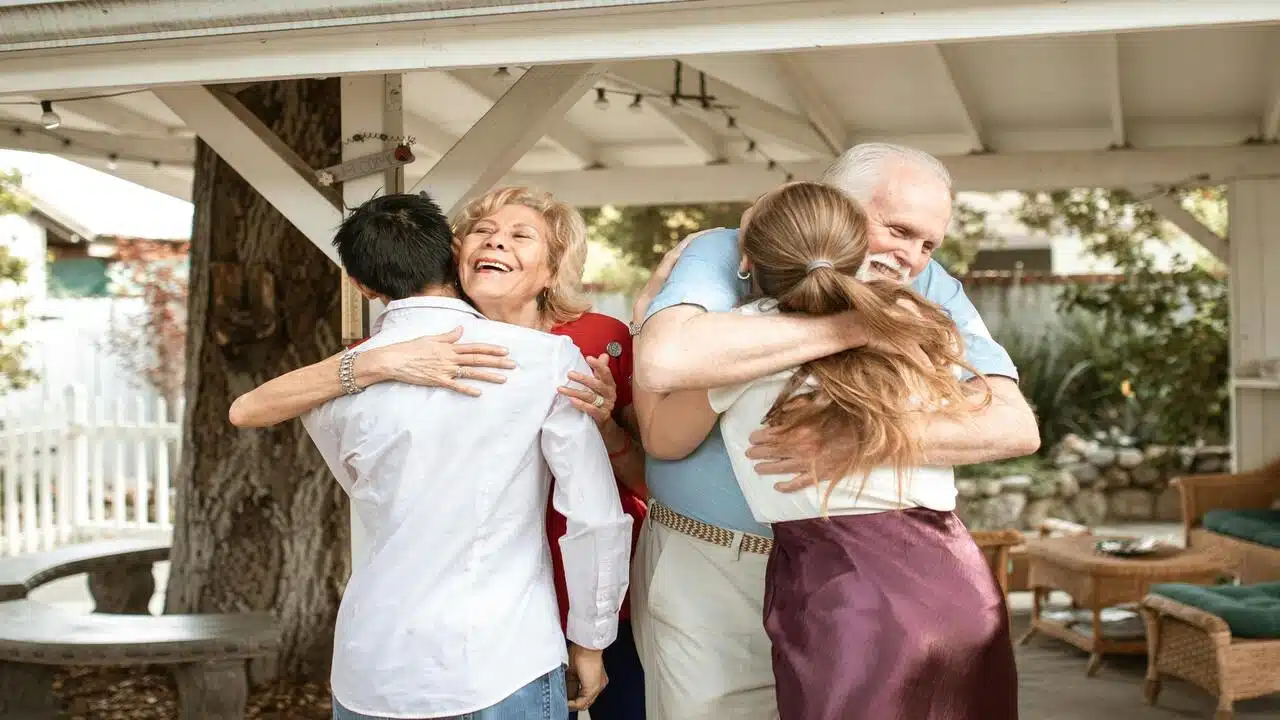
There’s a persistent myth that love past 40 is slower, sadder, or somehow less electric. In reality, it’s often deeper, clearer, and far less chaotic than the rollercoaster romances of our twenties. Older love isn’t driven by ego, insecurity, or proving something to the world. It’s shaped by experience, heartbreak, healing, careers, kids, and real-life responsibilities. That changes everything.
If you’re a younger dater trying to understand how relationships evolve over time—or you’re stepping into midlife romance yourself—these are the truths that rarely get talked about but absolutely matter.
Chemistry Isn’t the Main Event Anymore
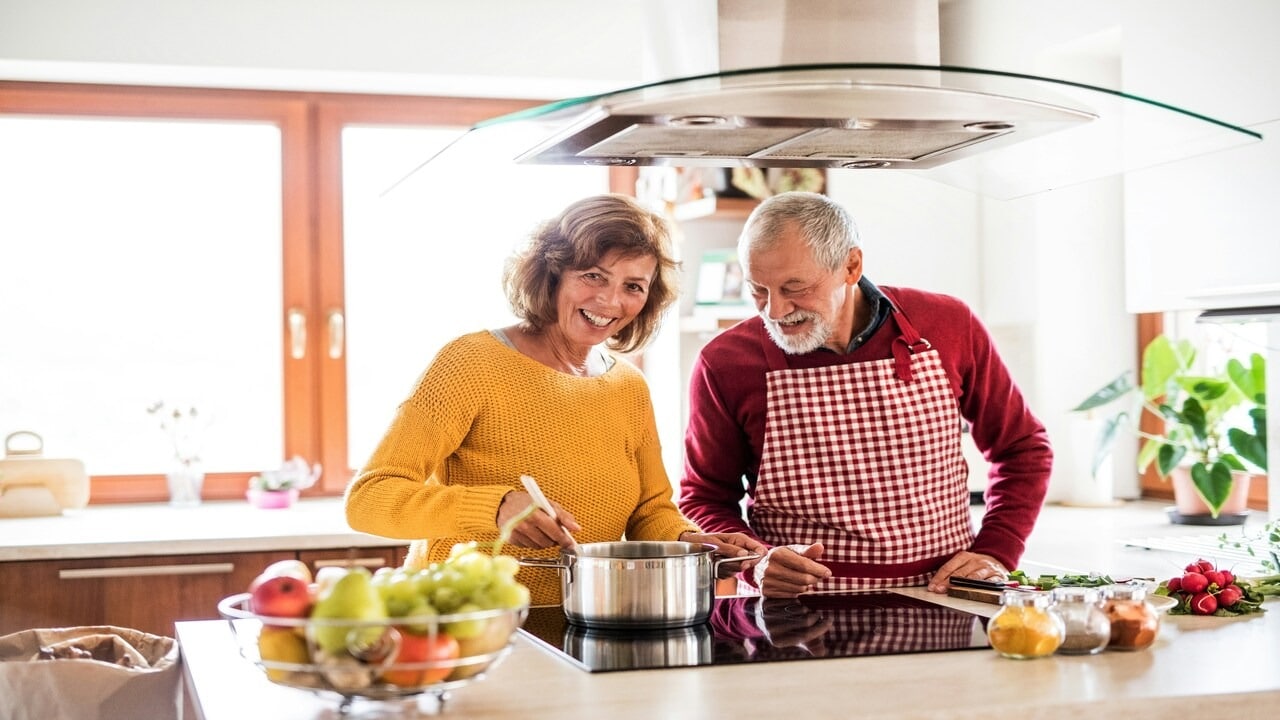
Younger daters often treat chemistry like the ultimate green light, but older adults know sparks are easy—stability is rare. Attraction still matters, but it’s weighed alongside character, emotional regulation, and lifestyle compatibility. Someone can be magnetic and still be wrong for your peace. If you want older love to work, start asking better questions: How do they handle stress? Do they keep promises? Can they apologize without defensiveness? Long-term attraction is built on trust and safety, not adrenaline.
Baggage Isn’t a Red Flag—It’s Reality

By midlife, everyone has a past. Divorce, kids, career detours, grief—these aren’t flaws; they’re life chapters. Younger daters sometimes mislabel complexity as drama. The truth? The right partner won’t resent your responsibilities; they’ll respect them. Instead of trying to appear “low maintenance,” be transparent about what your life actually looks like. Mature love thrives on clarity, not performance.
Emotional Availability Looks Different
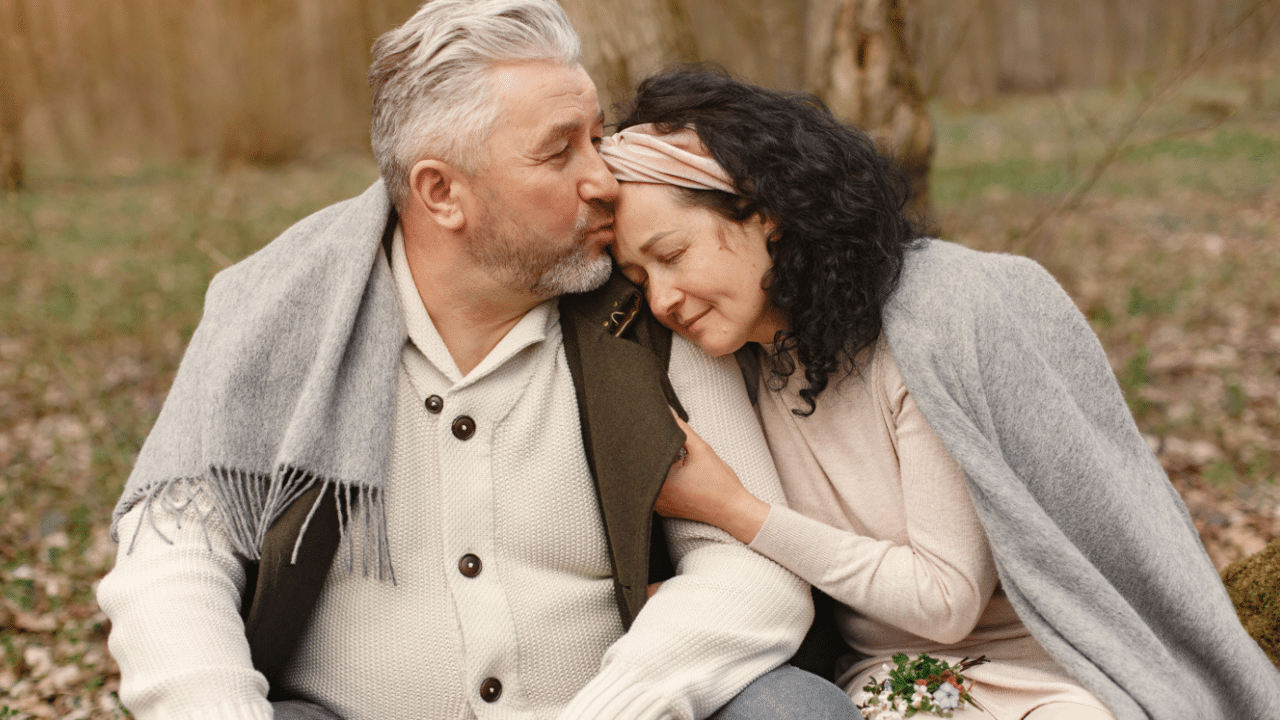
Older adults may not text all day or overshare on the third date. That doesn’t mean they’re detached. It often means they’ve learned to pace vulnerability intentionally. Emotional maturity is quieter but steadier. If you’re dating someone older, don’t confuse calm with indifference. Look for consistency instead: Do they show up? Do they follow through? That’s emotional availability in grown-up form.
Independence Is Non-Negotiable

Younger relationships sometimes blur into full enmeshment. Older love values space. Careers, hobbies, friendships, and family ties are already established. A healthy partner won’t abandon their world to merge with yours—and you shouldn’t either. The practical move? Keep building your own life while dating. Attraction deepens when two full lives complement each other rather than collapse into one.
Time Is Treated as Sacred

In your twenties, you might “see where it goes” for months. In midlife, time feels finite and precious. People are clearer about intentions because they don’t want to waste energy. That doesn’t mean rushing into commitment—it means being honest sooner. If you’re unsure about someone, communicate it early. Mixed signals are a luxury younger daters can afford; older daters rarely tolerate them.
Communication Is Direct—Or It Should Be

Older love has little patience for mind games. Ghosting, breadcrumbing, and strategic silence feel exhausting rather than exciting. Mature partners say what they mean and expect the same in return. If something bothers you, address it calmly and directly. Clear communication isn’t unromantic—it’s what keeps attraction alive long after the honeymoon phase fades.
Financial Compatibility Matters

Money becomes more complex with age—mortgages, college funds, retirement plans. Ignoring financial conversations is naive. Younger daters sometimes see this as unromantic, but shared values around spending, saving, and lifestyle are critical. You don’t need identical incomes, but you do need aligned priorities. Talk about goals early, not after resentment sets in.
Healing Is Attractive

Older daters have usually faced heartbreak. The ones worth keeping have processed it. Self-awareness, therapy, and emotional growth are green flags. What’s unattractive is unresolved bitterness. If you’re carrying past wounds, do the work before asking someone else to hold them. Nothing is more magnetic in midlife than someone who owns their growth.
Physical Intimacy Is About Connection

Yes, desire still burns—but it’s less about proving desirability and more about feeling emotionally close. Older love often prioritizes safety and trust over novelty. If you want intimacy to deepen, focus on emotional presence outside the bedroom. Listen well. Express appreciation. Security fuels passion far more than performance does.
Drama Is Exhausting

Younger daters sometimes equate volatility with passion. Older adults call it what it is: draining. Raised voices, jealousy games, and emotional rollercoasters are red flags, not romance. If you want a relationship that lasts, regulate your reactions. Learn to pause before responding. Peace is far more seductive than chaos.
Blending Families Takes Strategy

For those with children, love doesn’t happen in a vacuum. Introducing partners requires timing, boundaries, and respect. Younger daters may underestimate how complex this is. The practical rule? Don’t rush integration. Build a strong adult foundation first. Kids don’t need a revolving door of romantic experiments.
Attraction Is Holistic
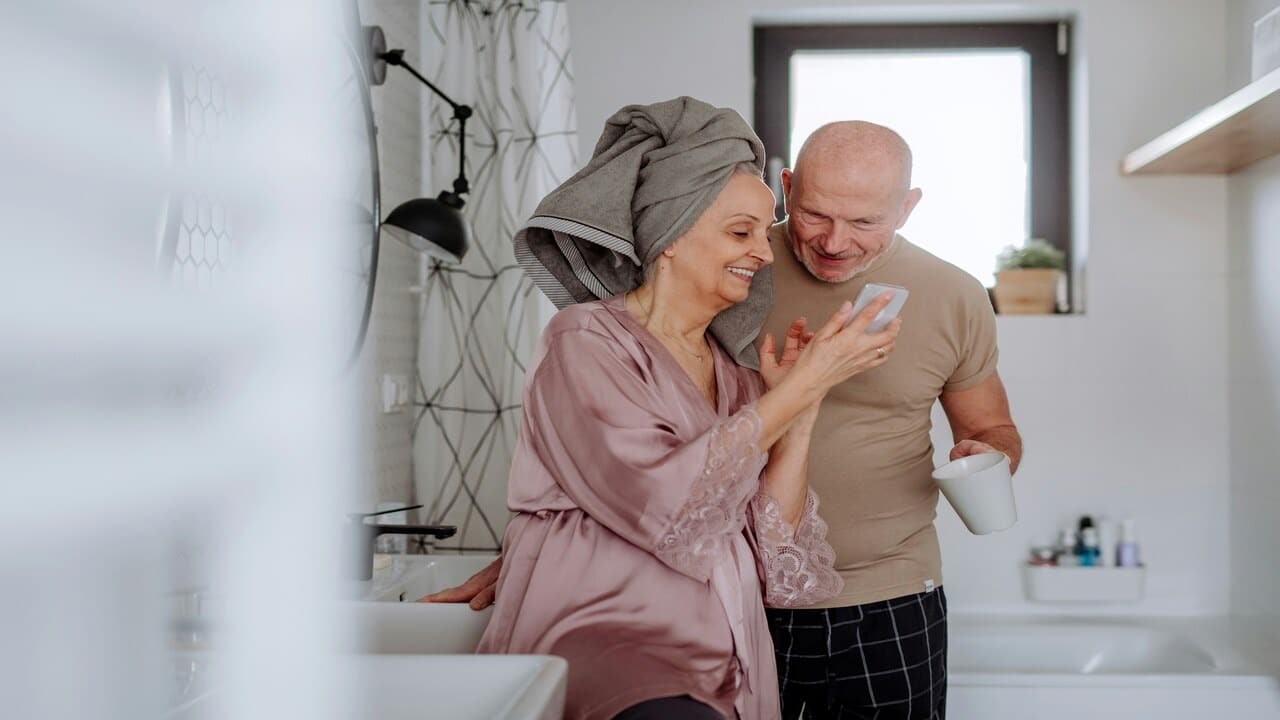
Looks matter—but so does energy, kindness, humor, and reliability. By midlife, people are drawn to how someone makes them feel long-term, not just how they look across a table. If you want to be irresistible, develop depth. Read widely. Stay curious. Take care of your health. Attraction evolves beyond surface-level charm.
Conflict Resolution Is a Skill

Older couples who thrive aren’t conflict-free; they’re conflict-capable. They argue with respect, not contempt. Younger daters often avoid tough conversations until resentment explodes. Instead, address tension early and calmly. Replace “you always” with “I feel.” That small shift can save a relationship from slow erosion.
Compatibility Beats Potential

In youth, we fall in love with who someone could become. Older love focuses on who someone is right now. Waiting for change wastes years. If you’re evaluating a partner, assess their current habits, not their promises. Growth is wonderful—but it should already be in motion.
Romance Is Intentional

Grand gestures are nice, but consistency wins. A thoughtful text, showing up on time, remembering details—these are the real love languages of midlife. Older partners value effort that fits into real schedules. If you want romance to thrive, schedule it. Plan the dinner. Book the trip. Love deepens when it’s tended.
Loneliness Isn’t a Good Reason to Stay

By midlife, most people have experienced being alone. That makes them less willing to stay in something misaligned just to avoid solitude. Younger daters sometimes cling out of fear. Older love chooses alignment over avoidance. If a relationship consistently costs you peace, be brave enough to reassess.
Growth Never Stops

There’s a misconception that people over 40 are “set in their ways.” In reality, the best partners continue evolving. They read, reflect, adapt. If you want a relationship that lasts decades, commit to personal growth alongside your partner. Stagnation kills connection faster than age ever could.
Love Gets Deeper—Not Smaller
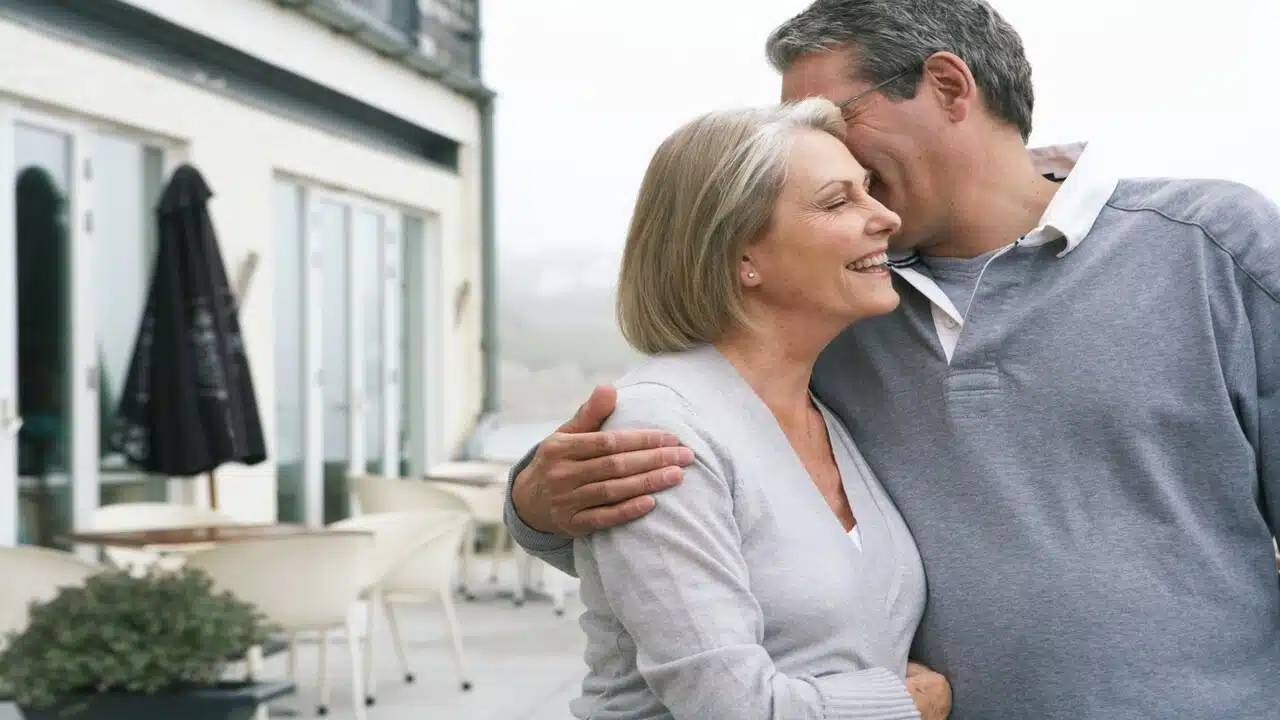
Older love may be quieter, but it’s rarely shallow. It’s built on choice, not fantasy. It’s less about fireworks and more about warmth that doesn’t flicker out. Younger daters sometimes miss this because it doesn’t look cinematic. But if you lean into steadiness, honesty, and shared vision, you’ll discover something far more powerful than infatuation: a partnership that feels like coming home.








Ask Me Anything