
Getting engaged is often painted as the happiest milestone in a relationship. There’s excitement, celebration, and the feeling that you’re stepping into a beautiful future together. But the truth is, the engagement phase is also one of the most revealing stages of a relationship. When the excitement settles and real planning begins, people’s habits, values, and communication styles become much more visible.
Unfortunately, many couples overlook warning signs during this time because they’re focused on the wedding rather than the marriage. Friends and family may also hesitate to point out concerns, not wanting to ruin the moment. But the patterns you see during engagement often grow stronger after the wedding, not weaker. Paying attention to these signals early can save years of frustration, resentment, or heartbreak. If you notice these red flags, the goal isn’t panic—it’s honest conversation, reflection, and making sure you’re building a marriage on solid ground.
They Avoid Difficult Conversations

If your partner shuts down whenever serious topics come up, that’s a warning sign many couples ignore. Engagement is exactly the time when tough conversations should happen—about finances, family expectations, career plans, and future goals. If every attempt to talk about these topics turns into deflection, jokes, or sudden irritation, it may signal poor conflict management. Healthy marriages require two people who can sit with discomfort and work through it. Try introducing structured conversations—set aside an hour where both of you agree to talk calmly about one important topic. If they consistently resist these discussions, it may point to deeper communication issues.
Major Decisions Are Always One-Sided
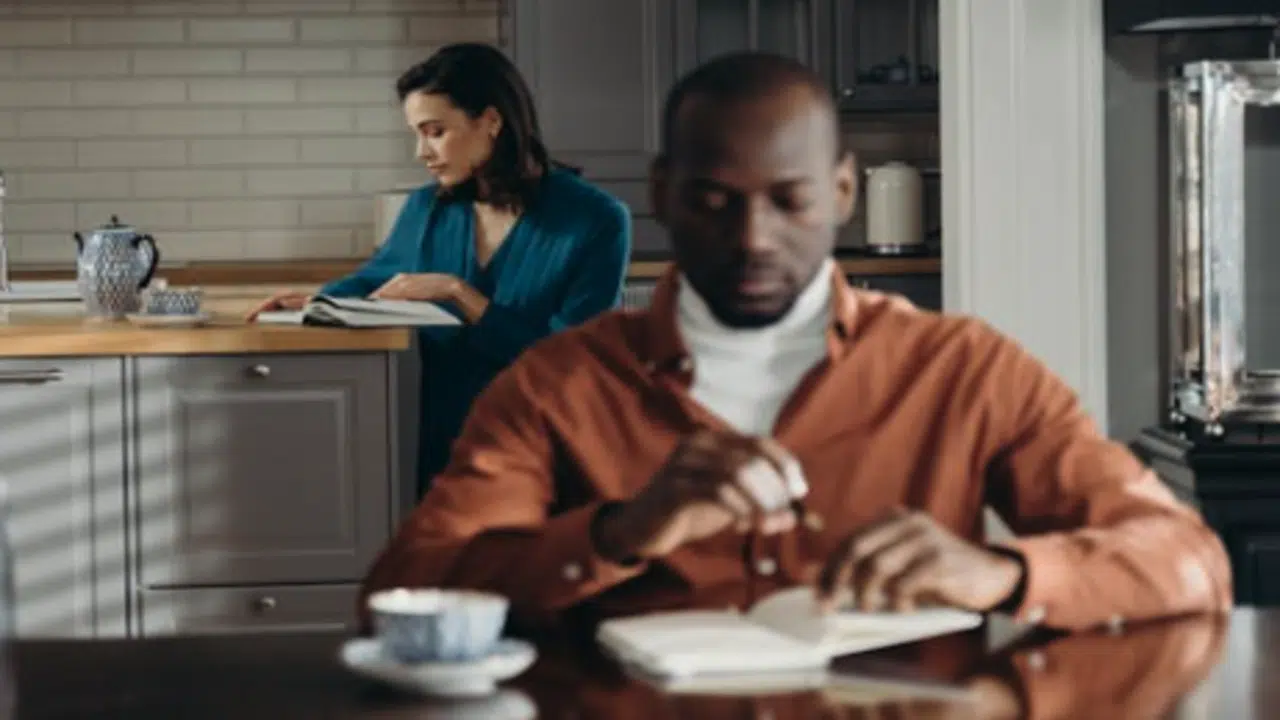
Another red flag is when one person dominates every major decision. It might start with small things—choosing the venue, controlling the budget, or deciding where you’ll live—but the pattern reveals something bigger. Marriage should be a partnership, not a leadership position held by one person. If your voice is constantly minimized or dismissed, resentment tends to build over time. Start paying attention to how decisions are made: do both of you feel heard? A helpful strategy is alternating decision authority on certain topics or setting clear rules for compromise.
Financial Transparency Is Missing

Money problems are one of the leading causes of marital conflict, yet many engaged couples avoid discussing finances honestly. If your partner refuses to talk openly about debt, spending habits, or income, that’s something to address immediately. Financial secrecy can create long-term trust issues. Engagement is the perfect time to sit down and review financial realities together. Share credit histories, discuss budgeting styles, and align expectations about saving and spending. Transparency builds trust, and avoiding the topic only makes future problems more complicated.
Family Boundaries Are Unclear

When one partner allows family members to constantly interfere in decisions, it can create tension before the marriage even begins. Maybe a parent is overly involved in wedding planning, or siblings regularly influence relationship decisions. While family relationships matter, your partnership should become the primary unit. If boundaries aren’t established early, outside voices may continue shaping your marriage long after the wedding. Talk openly about what role family should play and agree on limits together so both partners feel protected and respected.
You Feel Rushed Toward the Wedding
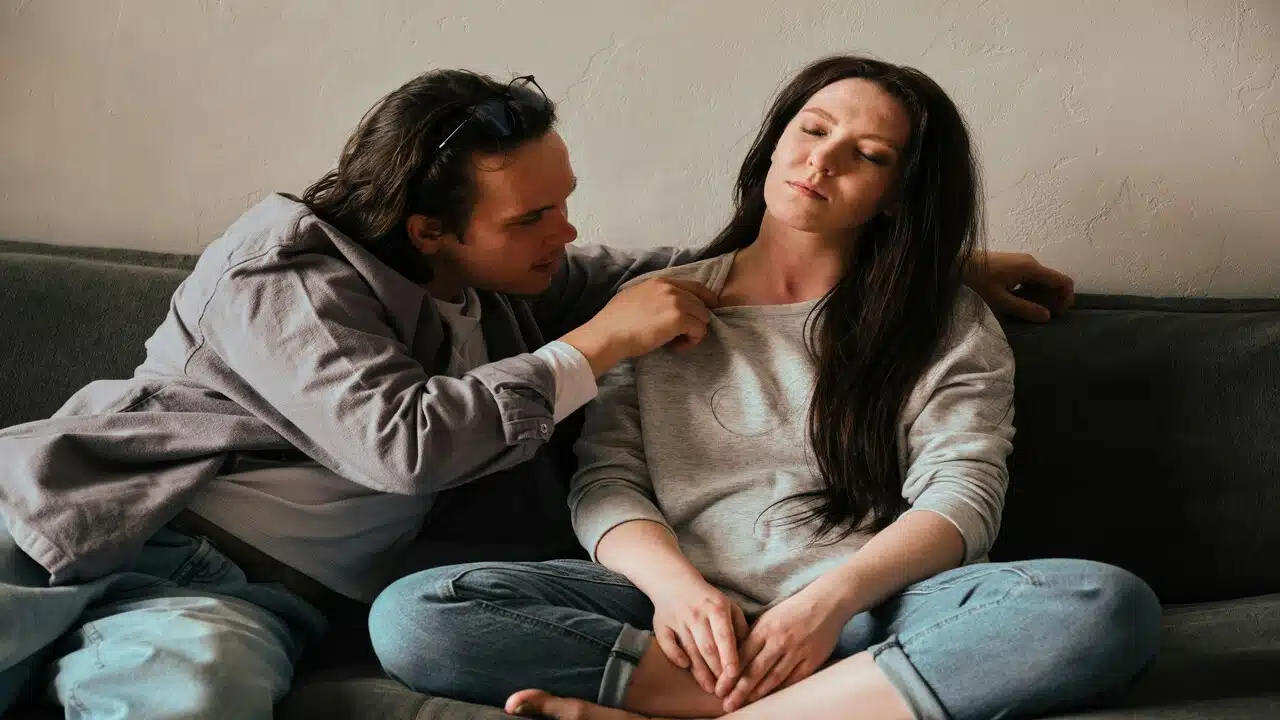
Excitement about marriage is normal, but feeling pressured to move faster than you’re comfortable with can be concerning. Sometimes the rush comes from external pressure—family expectations, cultural norms, or financial timelines. Other times, it comes from a partner who seems eager to lock things in before deeper conversations happen. If you feel like you’re being hurried through decisions, pause and ask yourself why. Healthy partners respect the need for thoughtful preparation, because building a life together deserves careful attention.
Small Conflicts Escalate Quickly

Every couple disagrees, but the way disagreements unfold during engagement can reveal a lot. If minor issues—like wedding details or scheduling—quickly turn into heated arguments, that’s worth examining. Escalation often points to unresolved emotional patterns, such as defensiveness or poor listening skills. A useful habit is practicing “pause conversations,” where both partners agree to take a short break if emotions rise too quickly. Learning to regulate conflict now can dramatically improve how you handle bigger challenges later.
Apologies Rarely Happen

A relationship where one person struggles to admit mistakes can become emotionally exhausting over time. If your partner rarely apologizes or shifts blame whenever something goes wrong, that pattern may deepen in marriage. Accountability is a cornerstone of trust. During engagement, notice whether both of you can acknowledge when you’re wrong and make genuine efforts to repair hurt feelings. Couples who practice humble apologies tend to resolve conflicts faster and maintain stronger emotional connections.
Your Core Values Don’t Fully Align

Shared values matter more than shared hobbies or interests. Engagement often brings these differences to the surface—views on parenting, religion, lifestyle priorities, or long-term goals. Ignoring these differences because “love will figure it out later” can lead to serious tension. Instead, talk openly about what matters most to each of you. Ask questions like: What does a fulfilling life look like? How should money be used? What traditions matter to you? Alignment doesn’t require identical beliefs, but it does require mutual respect and understanding.
Stress Reveals Unhealthy Coping Habits

Wedding planning can be stressful, which makes engagement an excellent preview of how someone handles pressure. Some people withdraw, others lash out, and some rely on unhealthy coping mechanisms like excessive spending or avoidance. Pay attention to how your partner responds during difficult moments. Do they communicate openly, or do they become unpredictable and distant? Stress will inevitably appear in married life, so observing coping habits now can help you address patterns before they become entrenched.
They Dismiss Your Concerns

If your partner regularly brushes off your worries with comments like “you’re overthinking” or “it’s not a big deal,” that behavior can erode emotional trust. Feeling heard is essential in any relationship. When concerns are dismissed repeatedly, people begin to feel invisible or unimportant. A healthy approach is for both partners to validate each other’s perspectives—even if they disagree. Try expressing concerns using calm language and observe whether your partner engages thoughtfully or continues to minimize your feelings.
The Relationship Feels Different in Private

Some couples present a perfect image publicly but struggle privately. If your partner is affectionate and supportive around others but distant or critical when you’re alone, that inconsistency deserves attention. Authentic relationships maintain respect regardless of the setting. Engagement should deepen intimacy, not create a divide between public appearances and private behavior. Reflect honestly on whether your connection feels genuine when no one else is watching.
Long-Term Plans Are Vague
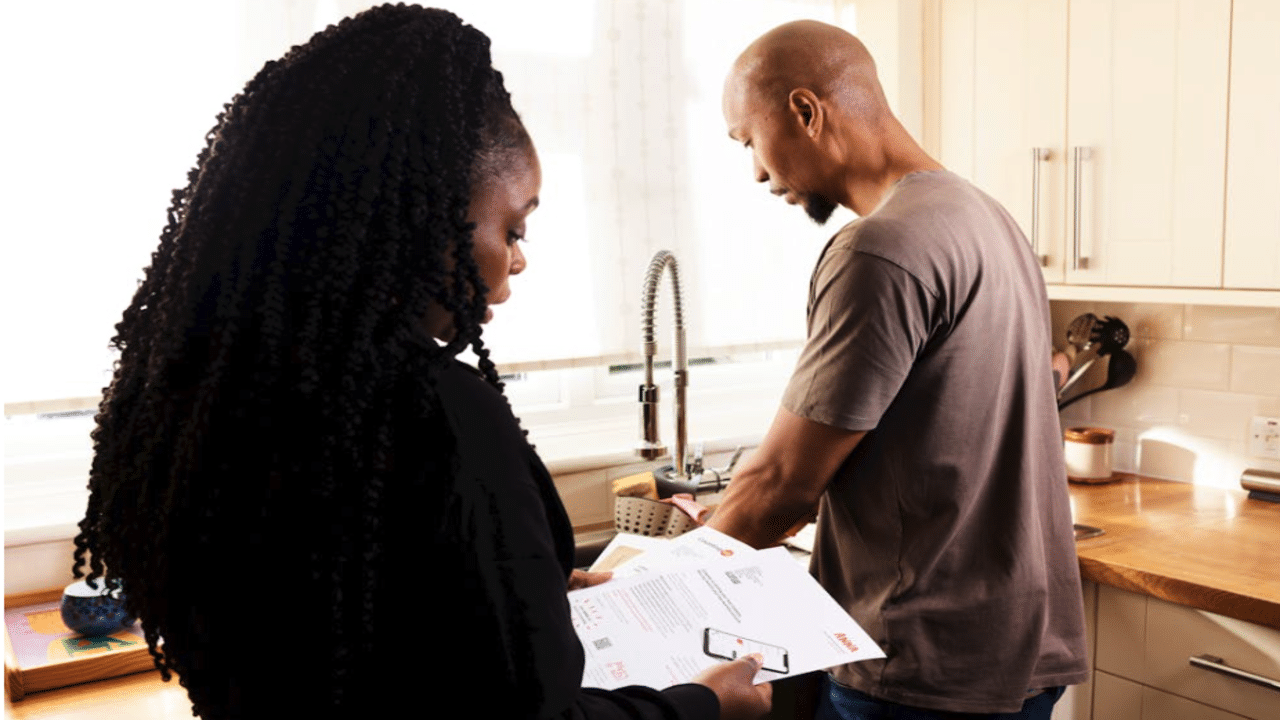
When conversations about the future remain unclear or constantly change, it may signal uncertainty about commitment. Engagement should bring greater clarity about shared goals—where you might live, how careers will evolve, and what kind of life you want together. If these discussions are repeatedly avoided or brushed aside, it’s worth revisiting them intentionally. Setting even rough long-term plans helps both partners feel secure about the direction of the relationship.
One Person Is Doing All the Emotional Work

Sometimes one partner becomes the primary problem-solver, mediator, and emotional support system. While occasional imbalance is normal, chronic emotional labor can create exhaustion and resentment. Marriage works best when both people actively invest in the relationship’s health. Notice whether your partner takes initiative in resolving issues or whether you’re always the one starting important conversations. Encouraging shared responsibility can strengthen the relationship before deeper patterns take hold.
Respect Disappears During Arguments

Arguments reveal character more than compliments do. If disagreements include insults, sarcasm, or dismissive language, those habits can damage emotional safety. Respect should remain intact even when opinions clash. Couples who practice respectful disagreement—listening carefully, avoiding personal attacks, and focusing on solutions—tend to maintain stronger bonds. If respect regularly disappears during conflict, it’s worth addressing that pattern before entering marriage.
The Engagement Feels More Important Than the Marriage

Sometimes couples become so absorbed in planning the perfect wedding that they neglect preparing for the marriage itself. Conversations revolve around venues, guest lists, and decorations, but rarely touch on long-term partnership skills. A beautiful ceremony doesn’t guarantee a healthy marriage. Consider scheduling regular relationship check-ins during engagement where you discuss expectations, values, and communication habits. Investing in the relationship itself is far more important than the event celebrating it.
Friends or Family Quietly Express Concern

Loved ones sometimes notice relationship dynamics that couples overlook. If multiple trusted people gently raise concerns about your engagement, it’s worth listening without becoming defensive. While outside opinions shouldn’t dictate your choices, they can provide valuable perspective. Ask specific questions about what they’re seeing and reflect honestly on whether those observations match your own experiences. Thoughtful feedback can help you evaluate the relationship more clearly.
Your Intuition Keeps Nudging You

Many people admit they sensed something was wrong before getting married but ignored their intuition. Engagement excitement can drown out subtle internal warnings. If you frequently feel uneasy about certain behaviors or future expectations, pause and explore those feelings rather than dismissing them. Journaling or discussing your thoughts with a trusted friend can help clarify what your instincts are trying to tell you. Intuition often highlights patterns your mind hasn’t fully processed yet.
Problems Are Always Postponed Until “After the Wedding”

One of the most common engagement mistakes is assuming unresolved issues will magically disappear once you’re married. Couples sometimes postpone discussions about finances, boundaries, or compatibility with the hope that things will naturally improve. In reality, marriage tends to magnify existing patterns. If something feels unresolved now, it deserves attention before the wedding. Addressing problems early doesn’t mean the relationship is doomed—it means you’re serious about building a strong and lasting partnership.








Ask Me Anything