
Attraction in long-term relationships rarely disappears overnight. More often, it fades slowly through small habits that seem harmless in the moment but gradually chip away at the emotional and romantic connection between partners. Couples usually assume big betrayals or dramatic conflicts are what destroy chemistry, yet everyday behaviors—especially the ones that go unnoticed—can be just as damaging over time. When familiarity replaces curiosity and routine replaces effort, attraction can quietly slip into the background.
The good news is that once you recognize these subtle patterns, they’re surprisingly fixable. Paying attention to how you show up in the relationship, how you communicate, and how you treat everyday moments can make a bigger difference than grand romantic gestures. Here are 17 subtle habits that slowly kill attraction—and what you can do instead to keep the spark alive.
Treating Your Partner Like a Roommate Instead of a Romantic Partner
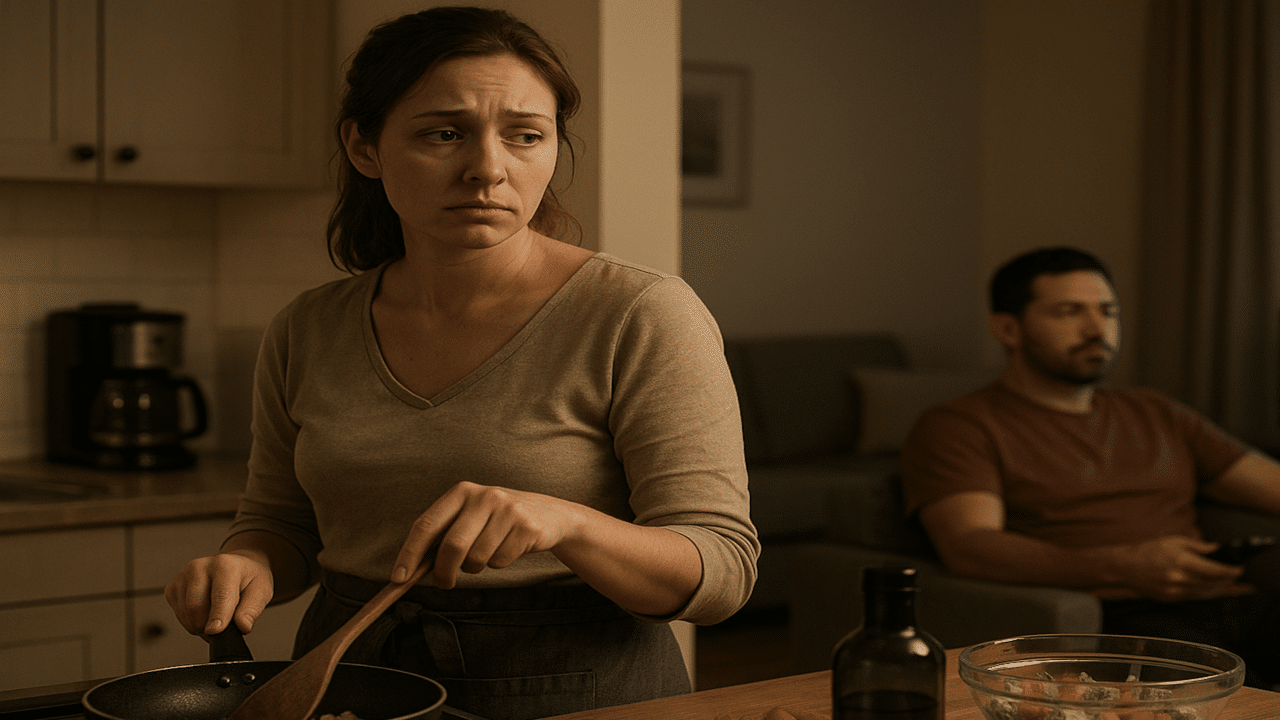
When daily life becomes nothing more than shared bills, chores, and schedules, the relationship can start to feel more like a co-living arrangement than a romantic partnership. Conversations revolve around logistics instead of connection: groceries, errands, appointments, and who’s picking up dinner. Over time, this shift drains the emotional and flirtatious energy that fuels attraction. Couples who maintain chemistry tend to carve out small moments that remind each other they’re still lovers, not just teammates managing life. A quick compliment, a lingering hug, or even playful teasing can reintroduce that romantic tension. Treat your partner the way you would if you were still trying to impress them, because in a healthy relationship, the courtship never really ends.
Letting Curiosity About Each Other Disappear

In the early stages of a relationship, curiosity comes naturally—you want to know everything about the other person. But after years together, many couples assume they already know everything there is to know. The problem is that people continue to evolve, develop new interests, and rethink old beliefs. When curiosity disappears, partners stop asking meaningful questions and conversations become repetitive and shallow. Attraction thrives on discovery, even in long-term relationships. Make it a habit to ask about your partner’s current thoughts, goals, and interests, not just their daily routine. Showing genuine curiosity signals that you still see them as a fascinating individual rather than a predictable fixture in your life.
Complimenting Them Less and Less

Compliments often fade as relationships grow comfortable, but appreciation is one of the simplest ways to keep attraction alive. Many people assume their partner already knows they’re attractive or valued, so they stop saying it out loud. Over time, that silence can slowly erode confidence and romantic energy. Feeling admired by your partner is deeply tied to emotional intimacy and desire. The fix is surprisingly simple: notice things and say them. Compliment their style, their sense of humor, their work ethic, or the way they handled a tough situation. Genuine admiration reminds your partner that you still see and appreciate them.
Constantly Being Distracted by Your Phone

Few habits signal disinterest faster than constantly checking your phone during conversations. Even if it’s not intentional, the message your partner receives is that something else is more interesting than they are. When this happens repeatedly, it creates emotional distance that can weaken attraction. Couples who stay connected make eye contact, listen actively, and give each other undivided attention—especially during small everyday moments. Try putting your phone away during meals, conversations, or time spent together in the evening. Those undistracted moments create space for real connection to happen again.
Turning Every Disagreement Into a Debate to Win

Attraction struggles to survive in relationships where every conflict becomes a competition. When one partner is always trying to prove they’re right, the conversation stops being about understanding and starts becoming about victory. This dynamic can make the other person feel dismissed, defensive, or emotionally exhausted. Over time, that pattern erodes both respect and affection. Healthy couples treat disagreements as opportunities to understand each other better, not as battles to win. Try approaching conflicts with curiosity rather than certainty. When both partners feel heard, attraction often rebounds because respect and emotional safety grow stronger.
Neglecting Small Acts of Physical Affection

Physical connection isn’t limited to intimacy—it’s built through small gestures throughout the day. Holding hands, touching your partner’s shoulder, or giving a quick kiss before leaving the house helps maintain a sense of closeness. When those small touches disappear, partners can begin to feel emotionally and physically distant. The absence of casual affection can slowly dull romantic energy. Reintroducing these gestures doesn’t require grand effort; it simply requires awareness. Small touches communicate warmth and interest, reminding your partner that physical closeness is still an important part of the relationship.
Stopping the Playful Side of the Relationship

Playfulness is one of the most underrated ingredients in long-term attraction. Inside jokes, teasing, and shared laughter create emotional electricity that keeps the relationship feeling alive. When life becomes overly serious—focused only on responsibilities and stress—couples can lose that lighthearted dynamic. Without laughter, interactions become predictable and emotionally flat. Intentionally bringing humor back into the relationship can reignite a surprising amount of chemistry. Watch something funny together, joke around like you used to, or recreate activities that once made you laugh. Playfulness reminds both partners that the relationship is still a place of joy.
Assuming Your Partner’s Efforts Instead of Noticing Them

In long-term relationships, many acts of care become invisible because they’re expected. Cooking dinner, managing errands, or supporting the household can slowly turn into thankless routines. When appreciation disappears, partners may begin to feel taken for granted. That feeling can quietly erode attraction because admiration and gratitude are powerful emotional drivers. Make it a habit to acknowledge effort, even for things that happen regularly. A simple “I appreciate you doing that” can transform routine tasks into gestures of care. Feeling valued keeps emotional connection strong.
Letting Yourself Become Emotionally Predictable

Comfort is essential in relationships, but complete predictability can sometimes drain excitement. If interactions follow the exact same pattern every day, the relationship can start to feel stagnant. Attraction often grows when partners still surprise each other in small ways. That doesn’t mean dramatic changes—it can be as simple as suggesting a spontaneous activity or sharing a new idea or interest. Showing different sides of yourself keeps your partner curious and engaged. When you continue evolving as a person, you naturally keep the relationship dynamic.
Avoiding Difficult Conversations

Some couples try to preserve harmony by avoiding uncomfortable discussions altogether. While this may prevent short-term conflict, unresolved issues tend to accumulate beneath the surface. Over time, emotional distance grows because important thoughts and feelings remain unspoken. Attraction struggles when authenticity disappears from conversations. Honest communication—even when it’s difficult—creates trust and emotional depth. When partners feel safe sharing their real thoughts, they often reconnect in ways that strengthen both respect and attraction.
Taking Each Other’s Time for Granted

When relationships become stable, partners sometimes assume there will always be plenty of time together later. As a result, intentional quality time slowly disappears. Evenings are spent separately, weekends fill up with obligations, and meaningful shared experiences become rare. Attraction tends to weaken when couples stop creating memories together. Scheduling time for activities you both enjoy—whether it’s a simple walk or a planned date night—helps keep the relationship energized. Intentional time signals that the partnership is still a priority.
Letting Stress Dominate Every Interaction

Work pressure, financial worries, and daily responsibilities can easily spill into the relationship. If most conversations revolve around stress and complaints, the emotional tone of the partnership becomes heavy. Over time, partners may start associating each other with exhaustion rather than comfort. This emotional atmosphere can quietly dull attraction. It’s important to share struggles, but balance them with positive conversations too. Talk about future plans, funny moments, or things you’re looking forward to. A relationship should feel like a place of support, not just a place where stress accumulates.
Comparing Your Relationship to Others

Social media and outside opinions can subtly shape how couples perceive their relationship. When partners constantly compare themselves to other couples, dissatisfaction can grow—even when nothing is actually wrong. Attraction fades when people focus more on what their relationship lacks rather than what it offers. Every partnership has its own rhythm, strengths, and challenges. Shifting attention back to your own connection can restore appreciation for what you’ve built together. Gratitude often brings back warmth that comparison quietly erodes.
Stopping Personal Growth

Attraction is often linked to how individuals grow and evolve over time. When one or both partners stop pursuing personal goals, hobbies, or ambitions, the relationship can start to feel stagnant. Personal development adds depth to conversations and keeps partners interesting to each other. It also creates a sense of independence that prevents the relationship from feeling suffocating. Pursuing your own interests isn’t a threat to the relationship—it actually strengthens it. Growth keeps both partners inspired and engaged.
Making Jokes That Undermine Each Other

Playful teasing can strengthen relationships, but jokes that cross into criticism or embarrassment can quietly damage attraction. If humor consistently targets your partner’s insecurities, it can create resentment even if it’s framed as harmless fun. Respect is one of the strongest foundations of lasting attraction. When partners feel safe and valued, they’re more open emotionally and physically. Pay attention to how your humor lands, especially in public settings. A good rule is simple: laugh with your partner, not at them.
Forgetting to Flirt

Many couples believe flirting belongs only in the early dating stage, but it’s actually one of the easiest ways to maintain attraction. Playful compliments, lingering eye contact, or a slightly mischievous tone can reintroduce excitement into everyday interactions. Without flirting, communication can become purely functional. Flirting reminds both partners that romantic chemistry still exists beneath the routines of daily life. Even small gestures—a wink, a playful text, or a teasing remark—can rekindle that spark.
Assuming Attraction Will Maintain Itself

Perhaps the most common mistake couples make is believing attraction takes care of itself once a relationship becomes stable. In reality, attraction is something that grows through attention, effort, and emotional presence. When partners stop investing in the connection, the spark doesn’t necessarily disappear—it just becomes buried under routine. The encouraging truth is that attraction can return quickly when both people start showing up differently. Small changes in communication, appreciation, and shared experiences often bring back the energy couples thought they had lost. Long-term love thrives not on perfection, but on consistent care.








Ask Me Anything