TV often captures what words can’t. Sometimes, it’s not the loudest or flashiest character that leaves a mark, it’s the one who quietly holds things together, shows up, and leads with integrity. This list highlights 15 TV characters who embody what it means to be a good man today, not perfect, not performative, just real. They reflect strength without dominance, care without fanfare, and growth without ego. These are the men who leave an impression, not by overpowering the room, but by being steady inside it.
Coach Eric Taylor (Friday Night Lights)
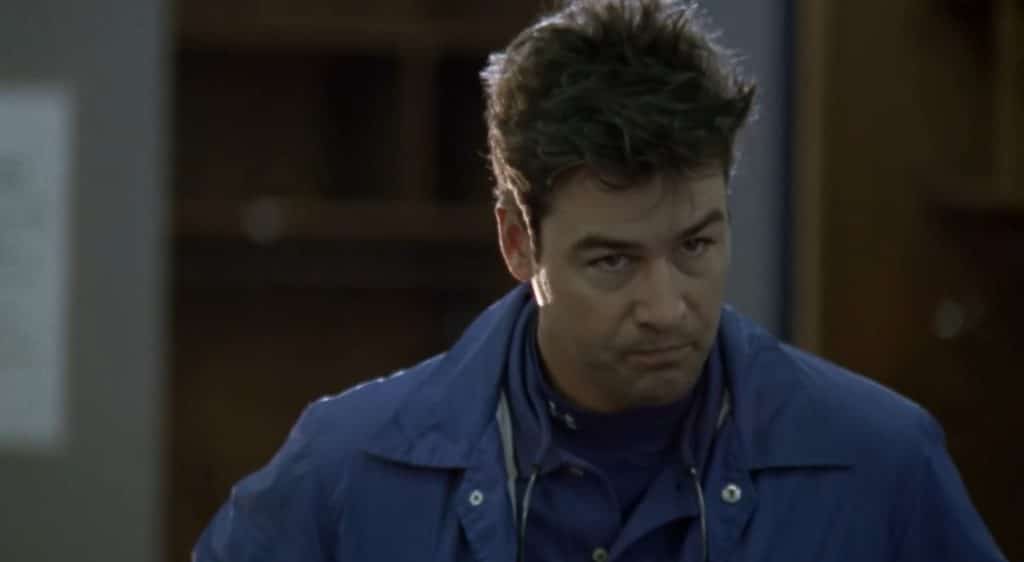
Coach Taylor wasn’t just a football coach, he was a mentor who believed in young men more than they believed in themselves. He never used his power to intimidate, only to uplift. Whether pushing them on the field or showing up during tough times, he made quiet leadership look effortless. He had flaws, sure, but he owned them. And through that, he showed what grace and responsibility look like in a man.
Randall Pearson (This Is Us)
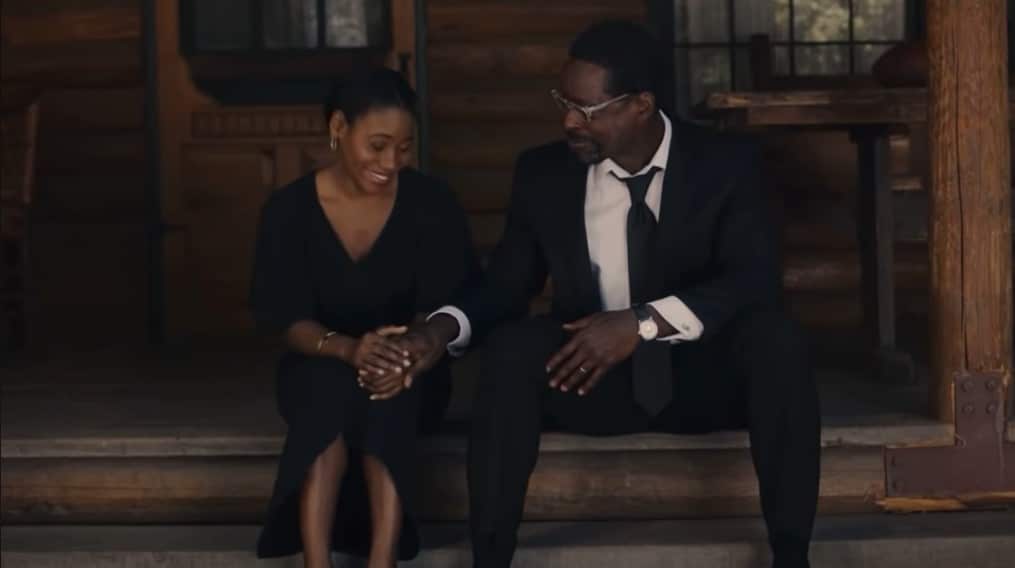
Randall embodies emotional vulnerability and ambition all at once. He’s the man trying to balance fatherhood, identity, and pressure to excel. He doesn’t always get it right, but he cares deeply and tries honestly. Randall lets viewers see what internal struggle looks like without shame. His emotional intelligence is a quiet power.
Chidi Anagonye (The Good Place)
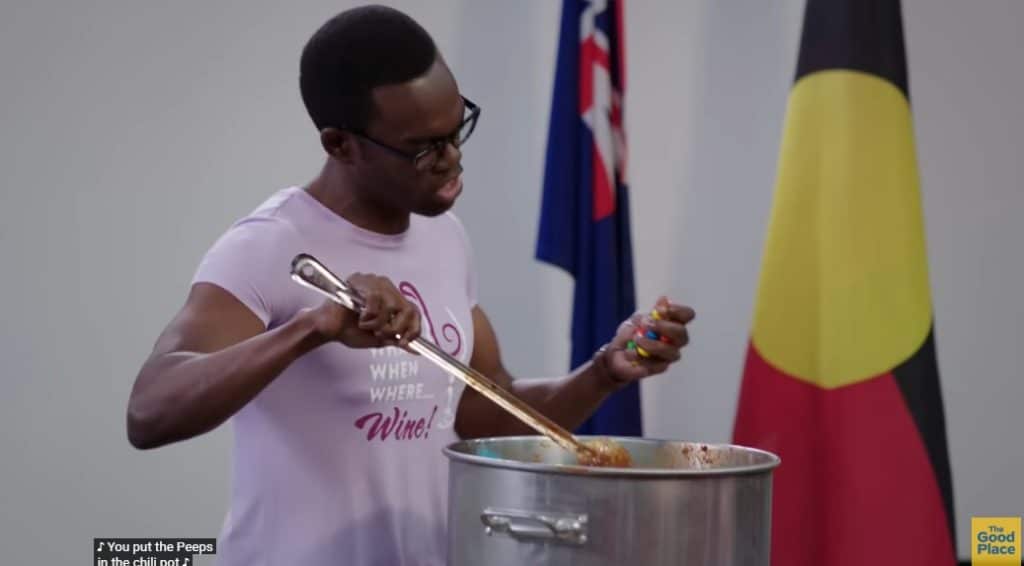
Chidi’s constant anxiety isn’t weakness, it’s a deep care for doing what’s right. His moral compass isn’t just part of his personality, it defines how he moves through the world. While others act fast, Chidi thinks deeply, showing that men don’t need bravado to be good. His goodness lies in his thoughtfulness.
Uncle Phil (The Fresh Prince of Bel-Air)
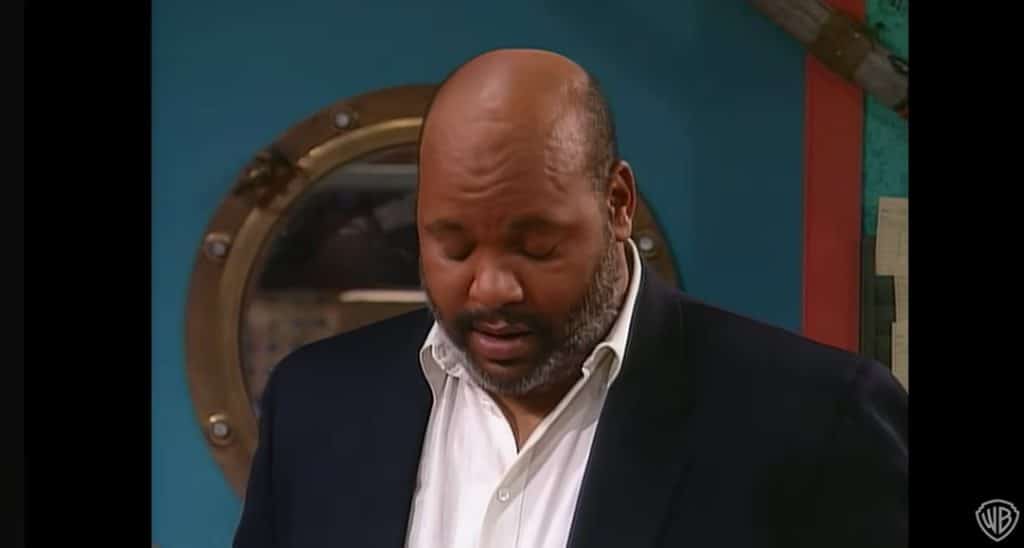
Uncle Phil offered more than money, he offered structure, protection, and love. He challenged Will when needed but never withheld affection. His sternness was rooted in care. He modeled fatherhood in a way that was tough but deeply loyal. He’s still remembered as one of TV’s most emotionally solid father figures.
Ted Lasso (Ted Lasso)
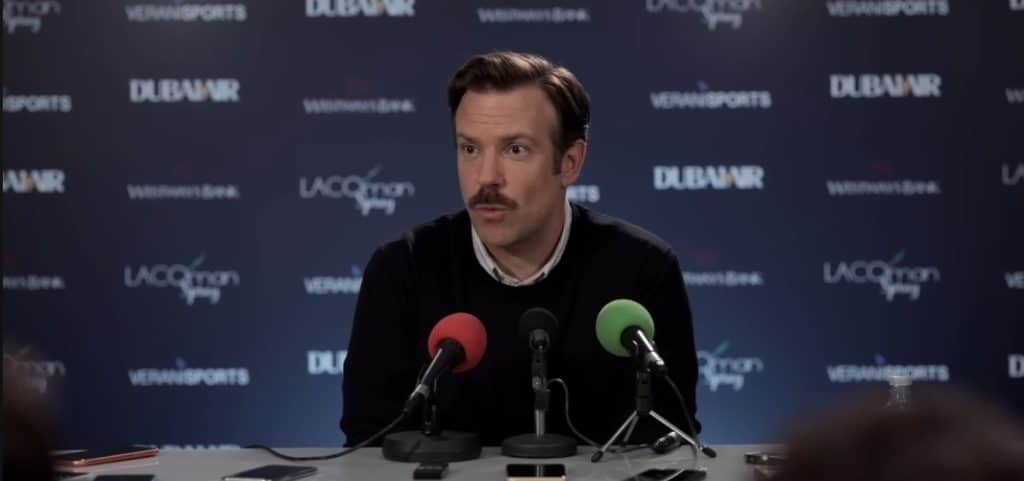
Ted’s relentless optimism might seem naive at first, but it’s really courage in disguise. He leads with kindness even when others doubt him. He listens more than he talks. Ted proves that softness and leadership aren’t opposites. His empathy is not an accessory, it’s his strategy.
Jim Halpert (The Office)
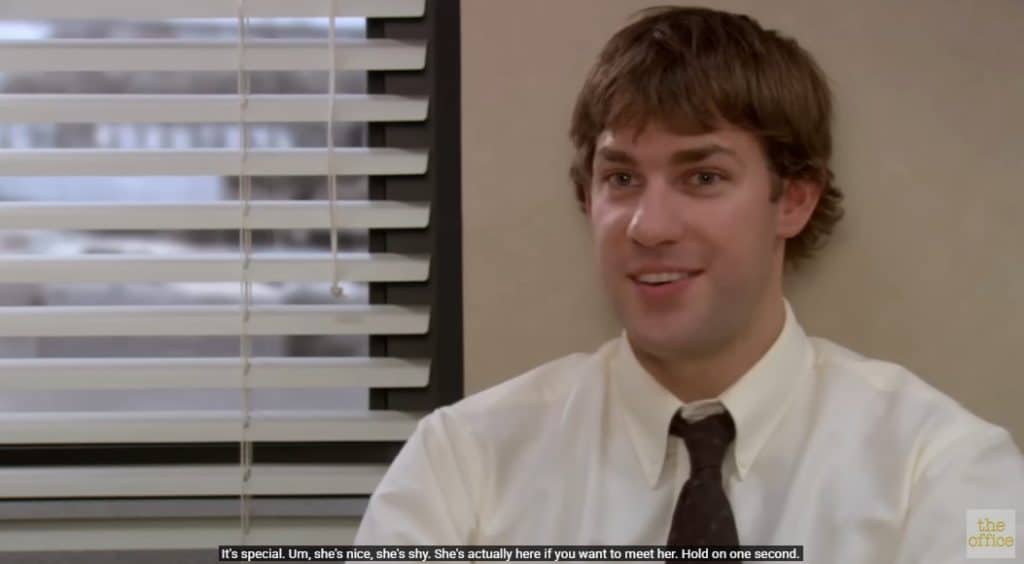
Jim might joke around a lot, but his emotional steadiness is what stands out. He’s loyal, intuitive, and quietly consistent. He never demands attention, he earns trust instead. His relationship with Pam evolves because he pays attention, not because he dominates. His style of love is subtle, but solid.
Glenn Rhee (The Walking Dead)
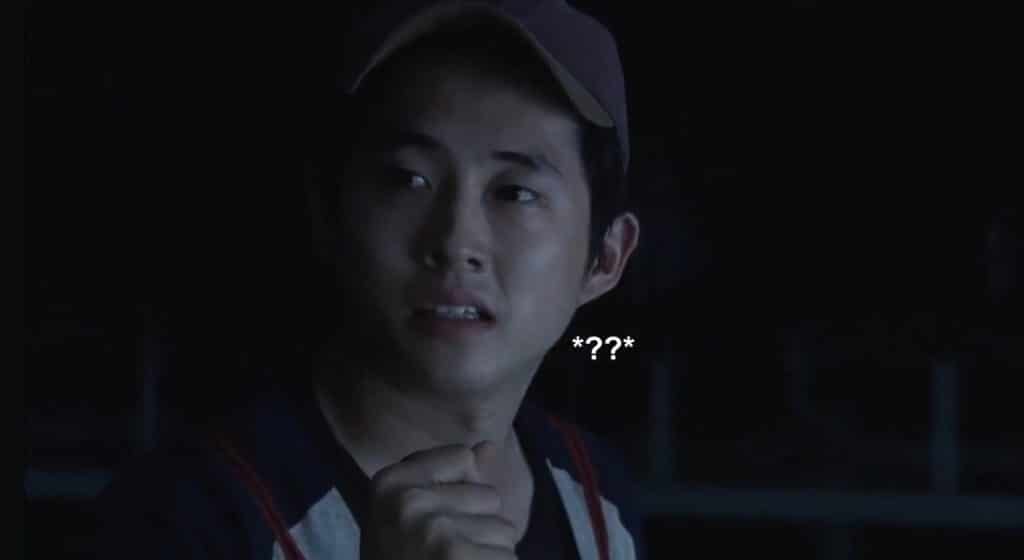
In a world that became violent and chaotic, Glenn remained deeply human. He protected others not out of ego, but out of love. He stayed brave without losing compassion. Glenn never lost sight of who he was, even when the world around him fell apart. That quiet strength made him unforgettable.
Luke Danes (Gilmore Girls)
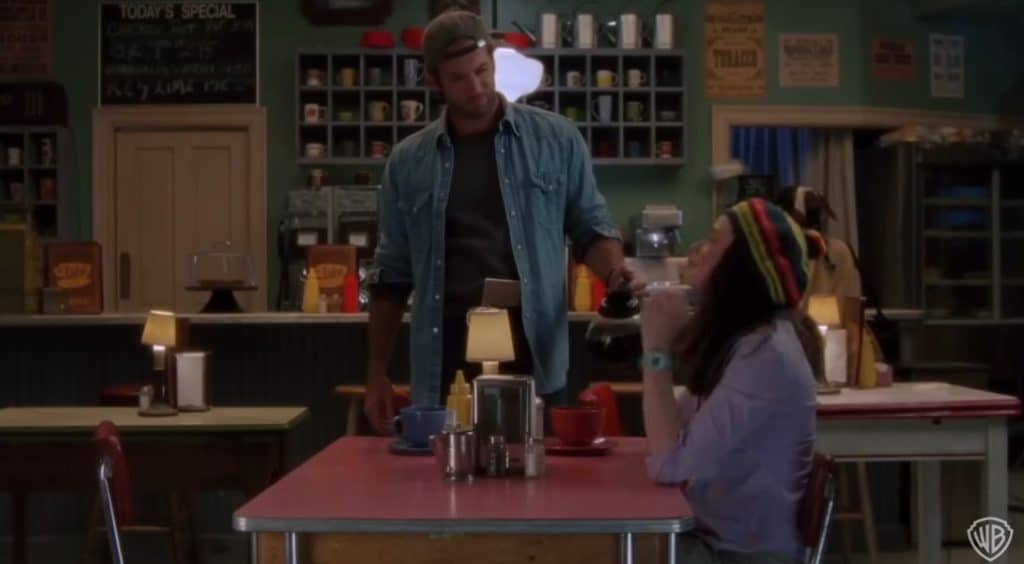
Luke doesn’t say much, but his actions speak volumes. He’s the guy who builds things, fixes things, and remembers the small details. He’s not flashy, he’s consistent. His care shows up in showing up, especially when no one else does. And that’s a form of love often overlooked.
Jonathan Byers (Stranger Things)
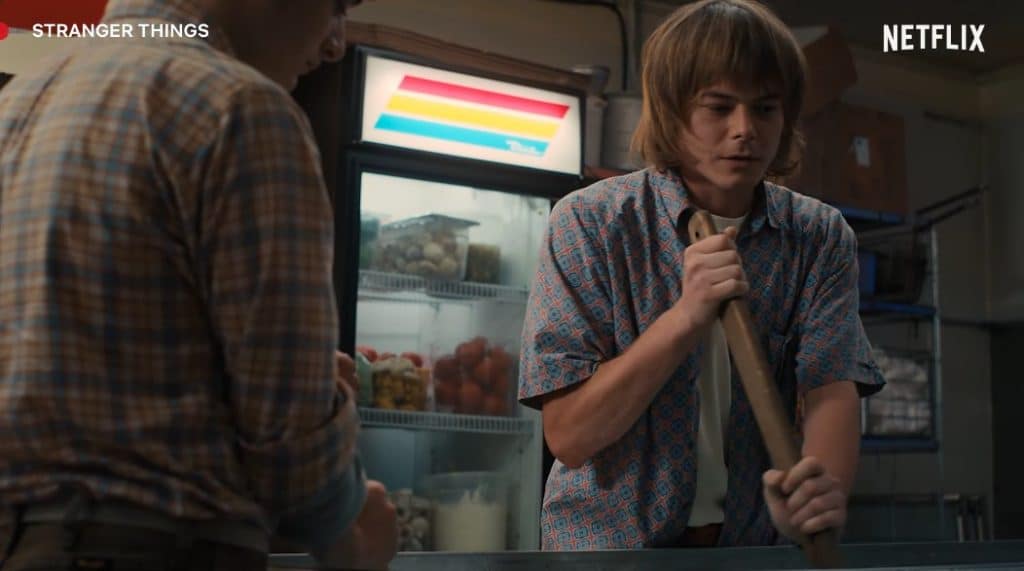
Jonathan is the quiet protector. He doesn’t seek the spotlight, but he’ll face danger for the people he loves. He listens more than he talks and notices what others miss. His loyalty isn’t loud, but it’s rock solid. He reminds us that not every hero needs a cape, some just need conviction.
Alfred “Paper Boi” Miles (Atlanta)
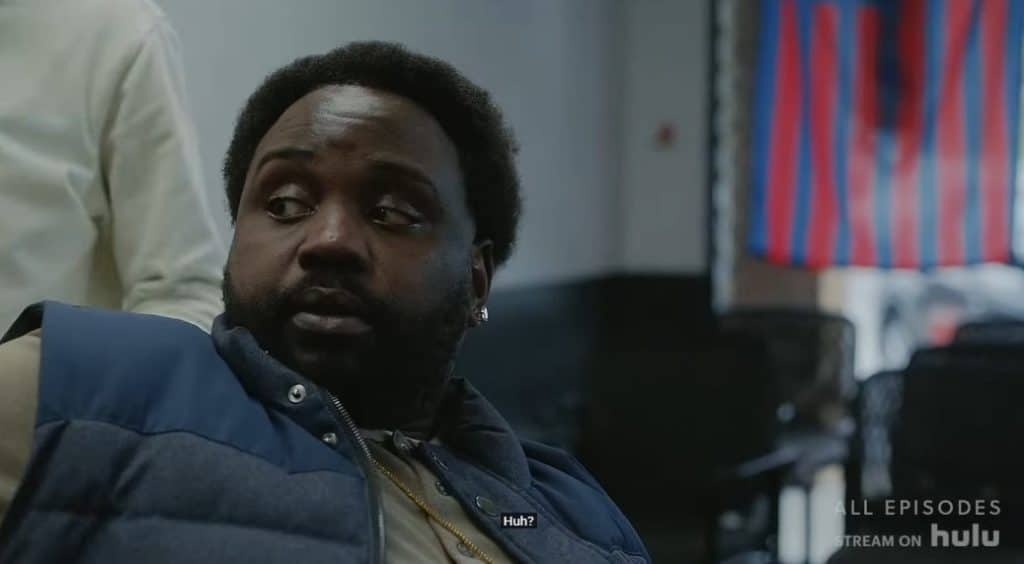
Paper Boi doesn’t perform masculinity, he questions it. Behind the fame is a man trying to define success on his own terms. He shows the burden of expectations and the value of introspection. His softness sneaks through in private moments. It’s a portrayal that reflects real-world tension in black masculinity.
Coach Beard (Ted Lasso)
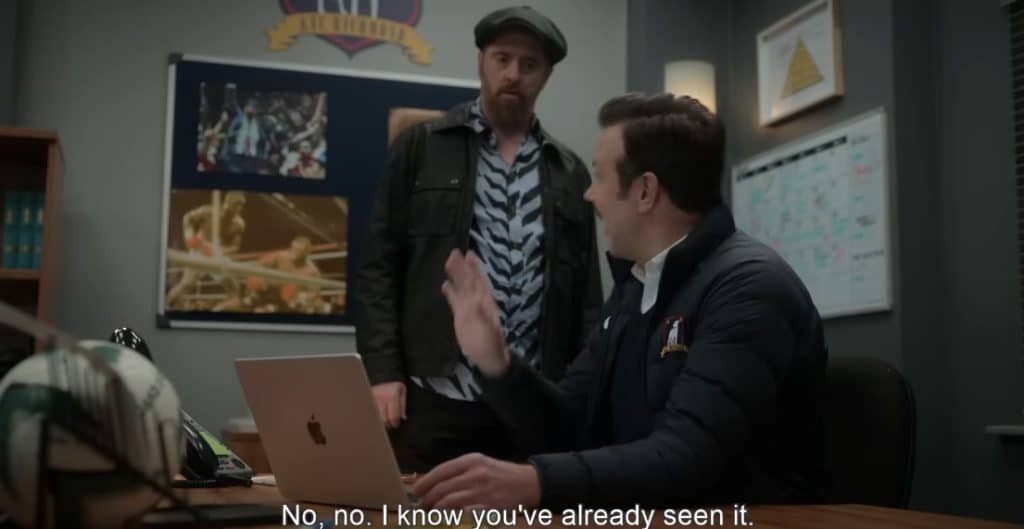
Beard doesn’t say much, but when he does, it matters. He’s observant, loyal, and supportive, always anchoring Ted without needing credit. His emotional intelligence shows up in silence, side glances, and strategic advice. He shows that being a good man isn’t always loud, it’s sometimes just steady.
Dwayne Wayne (A Different World)
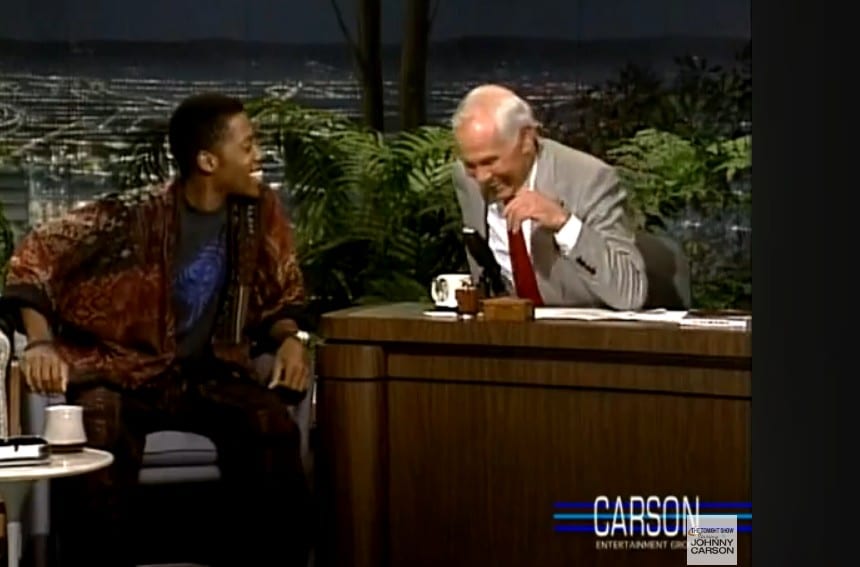
Dwayne grew from cocky college kid to devoted husband and thinker. His character arc was all about growth, emotional, intellectual, and romantic. He learned from mistakes, adjusted his priorities, and showed up for the people he loved. That kind of accountability isn’t loud, but it lasts.
Ben Wyatt (Parks and Recreation)
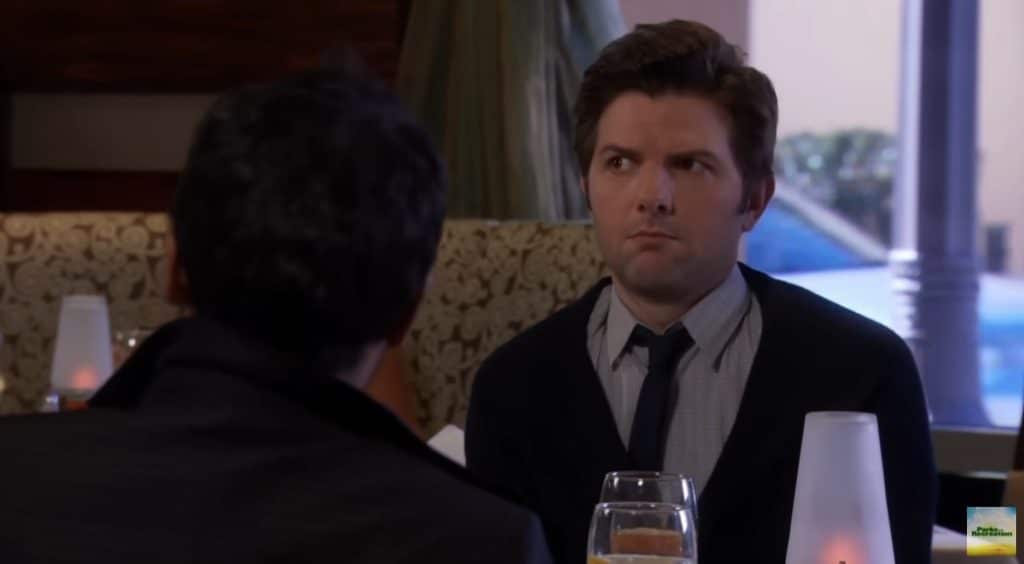
Ben is nerdy, awkward, and incredibly loyal. He champions Leslie without competing with her. He’s secure enough to let her shine. His love shows up in spreadsheets, support, and soft sarcasm. He makes being emotionally available look quietly cool.
Raymond Holt (Brooklyn Nine-Nine)
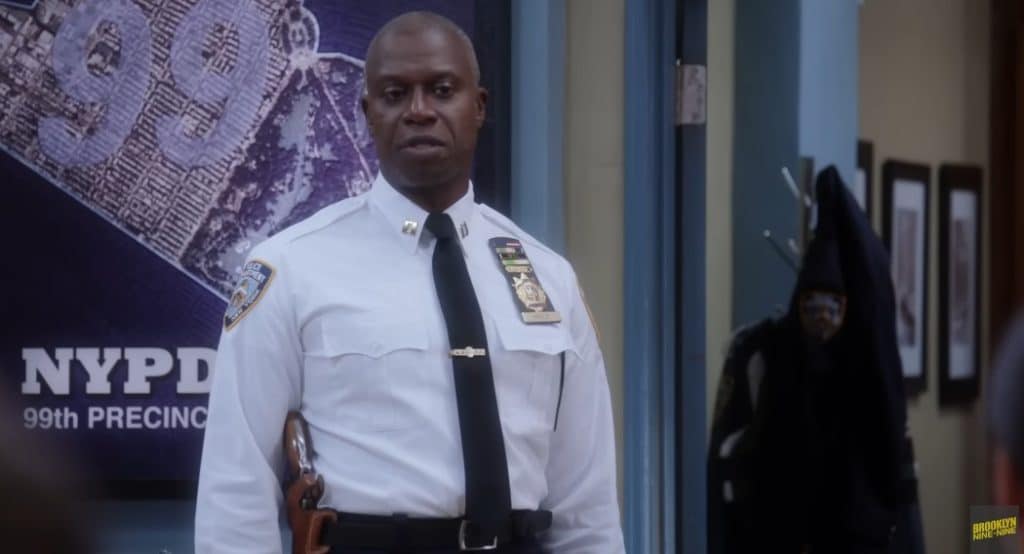
Captain Holt shows that stoicism can coexist with deep care. His calm demeanor hides layers of loyalty and quiet acts of kindness. He’s a man who leads by example, not bravado. And when he lets his guard down, even slightly, it hits harder than a grand speech ever could.
Why Representation Like This Matters

Not every man relates to the brooding anti-hero or the comedic buffoon. These characters offer something else: subtlety, growth, and grounded emotionality. They aren’t flawless, but they’re sincere. That’s what makes them matter. They reflect the kind of masculinity that feels possible, and necessary.
What These Characters Remind Us

Each of these characters highlights how goodness isn’t always loud. Sometimes, being a good man is in the small things: listening, showing up, staying consistent, evolving. These roles give language to what real masculinity can look like, without the noise. And that’s exactly why they stay with us.







Ask Me Anything