
You know that feeling when dating or being in a relationship starts to feel more like a daily grind than actual love? When small issues blow up, and you’re constantly walking on eggshells, it might not just be a rough patch. Being in survival mode in a relationship means you’re reacting instead of connecting. You might feel stressed, drained, or even unsure why you’re still trying so hard. The tricky part is that survival mode sneaks in slowly, making it normal to feel off without realizing it. Recognizing the signs is the first step to taking control.
You Constantly Worry About Saying the Wrong Thing

When you feel like every word counts and every joke could backfire, that’s a major red flag. You’re not speaking freely anymore. Instead, you calculate, overthink, and second-guess yourself. That mental load drains your energy and kills the natural flow of conversation. You’re living in a state of stress instead of enjoying each other’s company. If you catch yourself editing everything before you speak, that’s survival mode at work. A relationship should feel like a safe zone, not a mental battlefield.
You Avoid Bringing Up Important Topics

You’re scared to start serious conversations because you anticipate arguments or withdrawal. Avoiding them might feel easier, but it leaves problems to fester. You know things need to be addressed, yet you silence yourself. Over time, that silence becomes a shield, and your partner misses out on who you really are. You stop sharing feelings and desires because it feels like a trap. Surviving each day becomes about keeping the peace, not building a deeper bond. That pattern keeps you stuck in reactive mode.
You Feel Drained After Every Interaction

Instead of feeling energized by love or affection, you walk away exhausted. Even small disagreements can leave you mentally spent. Your emotional tank is low because you’re constantly defending, explaining, or anticipating conflict. You crave connection, but it never feels fulfilling. If being with your partner takes more energy than it gives, you’re surviving, not thriving. Relationships are supposed to lift you up, not leave you drained.
You Question Your Own Desires Constantly

You find yourself asking if you actually want what you’re pursuing or if you’re just avoiding conflict. Survival mode clouds your judgment and makes every choice feel risky. You doubt your instincts because you’re used to walking on eggshells. This confusion leads to frustration and resentment. When you constantly second-guess yourself, you stop feeling like a full participant in your own relationship. Trusting your feelings is the first step back to clarity.
You Fear Their Reactions More Than You Enjoy Their Company

You notice you’re watching your partner instead of engaging with them. Every action or word is measured. Instead of laughing freely, you’re anticipating the fallout. That fear creates distance and makes it hard to feel close. Being in a relationship shouldn’t feel like navigating a minefield. Feeling nervous about how someone will react is a survival mode symptom. You deserve to relax and be authentic.
You Feel Unseen or Unheard

You share thoughts, needs, or emotions, but nothing seems to land. Your partner might dismiss, ignore, or brush them off. That consistent lack of recognition chips away at your self-esteem. You start to wonder if it’s worth speaking up at all. Feeling invisible is exhausting and lonely. You shouldn’t have to shrink to be in love. Recognition and understanding are basic expectations in a healthy relationship.
You Constantly Walk On Eggshells

Every interaction requires caution. Jokes, opinions, and even moods are carefully managed. You’re hyper-aware of triggers and potential conflict. Living like this creates tension and anxiety. Relationships are meant to be a source of comfort, not constant vigilance. Eggshell walking is a clear survival mode indicator. Freedom to express yourself should feel natural.
You Feel Like You’re Always Compromising Too Much

You bend repeatedly to avoid fights, often at your own expense. Your desires and boundaries fade in favor of keeping the peace. Over time, this leads to resentment. Survival mode teaches you to prioritize avoidance over authenticity. When compromise feels like surrender, it’s a warning sign. Relationships require balance, not constant concession. Recognizing this is key to reclaiming your voice.
You’re Constantly on Guard Emotionally

You brace yourself for disappointment or criticism. Even when things seem fine, you expect tension around the corner. That constant vigilance wears you down. Emotional armor prevents real intimacy. Feeling safe should feel natural, not like a rare reward. When you’re always alert, you’re in survival mode. Releasing that guard is vital for connection.
You Have Little Joy in Everyday Moments Together

Small shared experiences no longer feel fun or meaningful. Laughing, joking, or simply relaxing feels forced or absent. The spark that once made time together enjoyable has dimmed. Survival mode focuses on avoiding harm instead of savoring happiness. That absence of joy signals a deeper imbalance. Reconnecting with pleasure in the relationship can restore balance.
You Feel Isolated Even While Together

You may live under the same roof or spend hours with each other, but feel emotionally distant. Conversations feel shallow, or your partner withdraws from connection. That isolation fuels loneliness and frustration. Survival mode thrives on detachment because you protect yourself from hurt. Feeling alone in a relationship is a warning you can’t ignore.
You Constantly Anticipate Conflict

Even peaceful moments trigger anxiety about future disagreements. You mentally prepare for fights that haven’t happened yet. That expectation creates tension and blocks spontaneity. Living like this makes it hard to enjoy a genuine connection. Relationships should allow space for ease, not constant preemption. Anticipation of conflict is survival mode creeping in.
You Feel Like You’re Losing Yourself
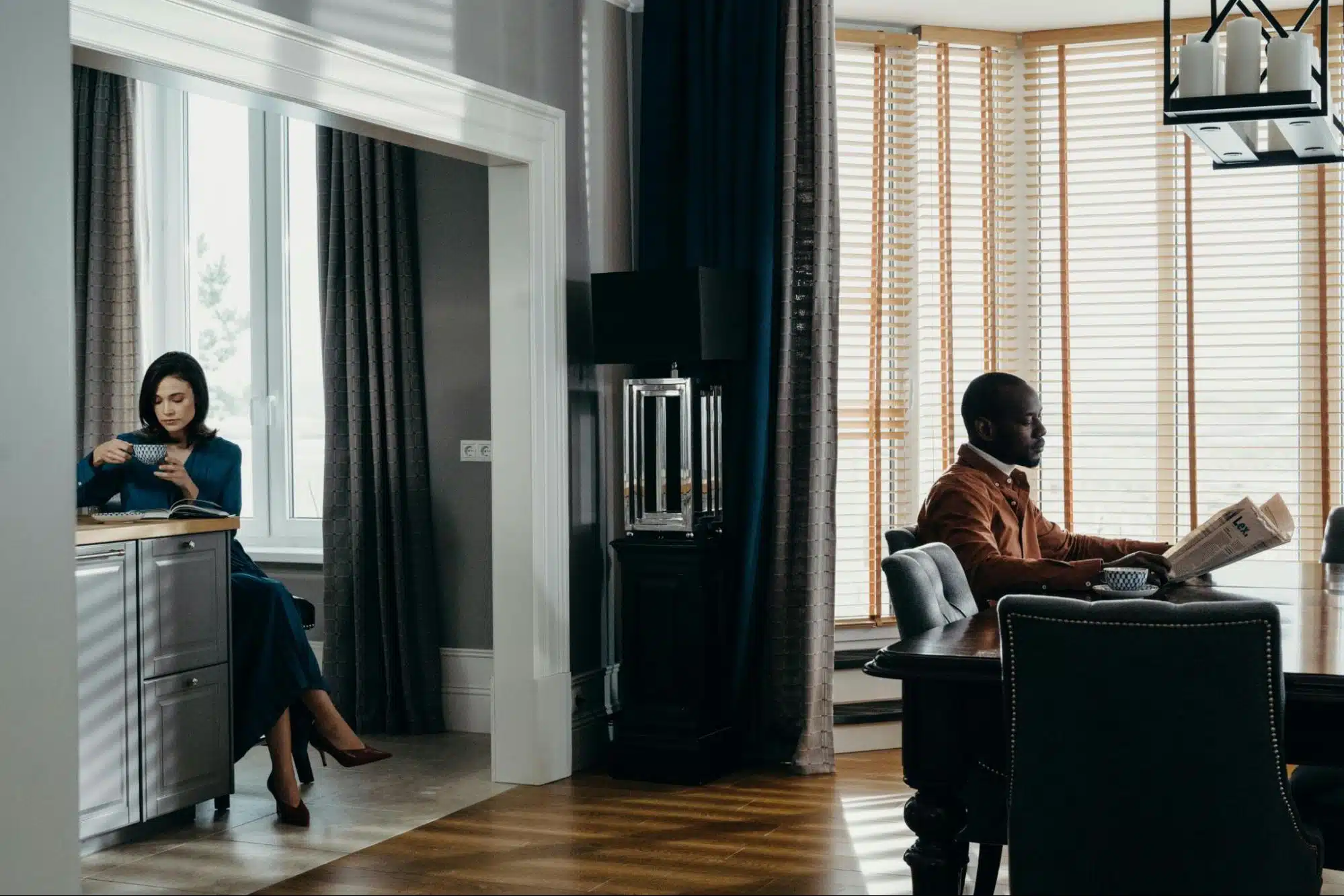
Your hobbies, interests, or friendships take a backseat to preserving the relationship. Your identity gets diluted as you prioritize survival over authenticity. That loss creates resentment and frustration. When being yourself feels unsafe or secondary, you’re in reactive mode. Maintaining individuality is crucial to both your happiness and the relationship’s health.
You Doubt The Relationship Constantly

You wonder if staying is worth the stress, tension, or lack of growth. That doubt is persistent and exhausting. Survival mode makes you question what should feel natural. Love should bring clarity, not constant uncertainty. Recognizing that doubt helps you evaluate the relationship honestly. Ignoring it prolongs frustration and disconnection.
You Struggle To Trust Yourself Or Your Partner

You question intentions, motives, and feelings constantly. Suspicion overshadows connection. Trust should be the foundation, but survival mode replaces it with vigilance. Without trust, even small challenges feel threatening. Restoring trust in yourself and each other, is essential to leaving survival mode.








Ask Me Anything