
Healing doesn’t announce itself loudly. It shows up quietly in everyday choices, calmer reactions, and the way a man moves through life without constantly bracing for impact. A healed man isn’t perfect or pain-free—but he’s no longer ruled by old wounds. He stops living defensively and starts living deliberately. These signs aren’t dramatic, but once you see them, they’re unmistakable.
He Stops Needing Constant Validation From Others

A healed man no longer relies on praise to feel secure about himself. Compliments are welcome, but they don’t determine his mood or self-worth. He trusts his own judgment and doesn’t panic when attention fades. This shows up in work, relationships, and decision-making—he doesn’t need approval to move forward. If you constantly check reactions before trusting yourself, healing still has work to do. Internal validation is quiet, but powerful.
He Responds Instead of Reacting

Triggers no longer control him the way they once did. He feels emotions fully but doesn’t let them hijack his behavior. That pause before responding is the clearest sign of growth. He knows reacting instantly often causes damage he later regrets. Learning to slow down under pressure is a practiced skill, not luck. Even a brief pause can change outcomes.
He Takes Responsibility Without Beating Himself Up

A healed man can admit mistakes without collapsing into shame. He doesn’t deflect blame or become defensive to protect his ego. Accountability becomes a tool for growth, not self-punishment. This allows real change instead of repeating the same patterns. He understands that owning mistakes doesn’t diminish his worth. The shift from shame to responsibility marks deep healing.
He Sets Boundaries Without Over-Explaining

He knows his limits and communicates them clearly. There’s no long justification, guilt, or fear behind his boundaries. He doesn’t need permission to protect his time and energy. This is a sign he trusts himself. Boundaries stop being aggressive walls and become quiet standards. Over-explaining is often a sign of unresolved fear.
He Chooses Peace Over Being Right

Winning arguments no longer feels necessary. He understands that being right often costs emotional peace. This doesn’t mean he avoids hard conversations—it means he approaches them calmly. His ego no longer needs constant defense. He asks whether the conflict is productive or simply reactive. Emotional maturity often looks like restraint.
He Stops Romanticizing His Pain

His past no longer defines his identity. He doesn’t bond with others through shared suffering alone. Instead, he focuses on who he’s becoming. Healing means letting go of the story that pain makes him special. The past informs him, but it doesn’t trap him. Growth begins when pain stops being the centerpiece.
He Can Be Alone Without Feeling Empty

Solitude becomes grounding rather than uncomfortable. He doesn’t rush into relationships to escape loneliness. Being alone feels stable, not threatening. This inner security leads to healthier connections. He enjoys his own company without distraction. True healing brings peace in silence.
He Communicates Directly Instead of Playing Games

He says what he means and means what he says. No mixed signals, emotional guessing, or manipulation. He understands clarity builds trust. This makes him easier to connect with and easier to respect. Game-playing fades when fear fades. Direct communication is a sign of emotional safety.
He Stops Trying to Fix Everyone

He understands other people’s healing isn’t his responsibility. He supports without rescuing. This prevents burnout and resentment. He respects boundaries—his and others’. Love no longer means self-sacrifice. Healing teaches him to step back when needed.
He Accepts That Not Everyone Will Like Him

Rejection no longer feels personal or devastating. He understands compatibility matters more than approval. This frees him from people-pleasing. He shows up authentically, even if it costs acceptance. Confidence grows when validation isn’t chased. Peace follows when approval isn’t required.
He Invests in His Health Consistently
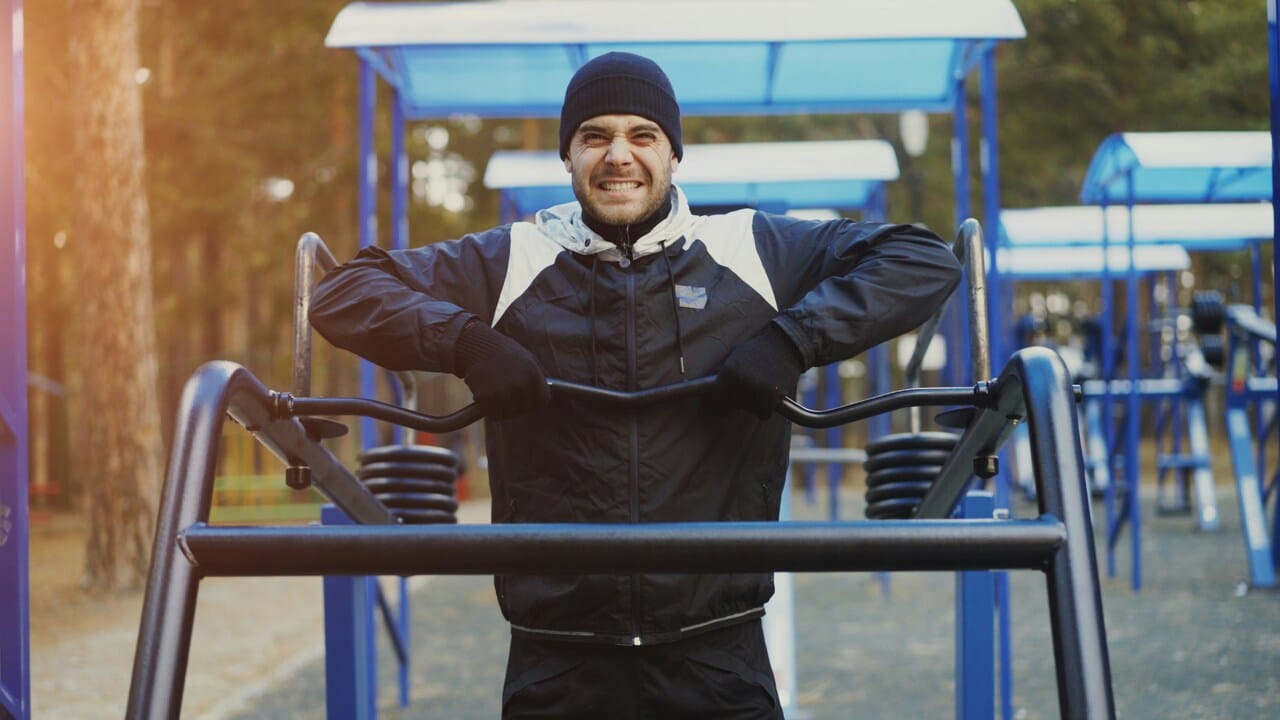
Healing shows up in daily habits, not dramatic changes. He values sleep, movement, and mental clarity. This isn’t about appearance—it’s about longevity. He understands neglect always has consequences. Small, consistent care replaces extremes. Self-respect becomes routine.
He Doesn’t Rush Emotional Intimacy

He lets connections develop naturally. Oversharing to force closeness disappears. He no longer withholds emotions to maintain control either. Emotional pacing becomes intentional. Trust is built, not rushed. Healing creates balance in vulnerability.
He Can Sit With Discomfort

Uncomfortable emotions don’t send him running. He doesn’t immediately numb, distract, or avoid. Healing builds emotional tolerance. He understands discomfort often precedes growth. This resilience strengthens confidence. Avoidance shrinks as awareness grows.
He Forgives Without Reopening Old Wounds

Forgiveness doesn’t mean access anymore. He releases resentment while maintaining boundaries. This protects his peace. He learns from past pain instead of repeating it. Forgiveness becomes about freedom, not reconciliation. Letting go doesn’t mean going back.
He Trusts His Intuition Again

He listens to internal signals instead of ignoring them. Self-trust replaces self-doubt. Decisions feel clearer and calmer. Intuition sharpens when honesty increases. He notices patterns instead of dismissing them. Healing reconnects him to his inner compass.
He Lives With Intention Instead of Autopilot

Life feels chosen rather than reactive. He’s conscious of how he spends time and energy. Old habits no longer run the show. Healing brings awareness to daily decisions. Momentum replaces stagnation. Intentional living reflects inner clarity.
He Allows Joy Without Guilt
Happiness no longer feels suspicious or temporary. He doesn’t wait for something to go wrong. He enjoys good moments fully. This is often one of the final signs of healing. Joy becomes safe again. Peace replaces vigilance.
He Builds a Life That Reflects Who He Is Now

His choices align with his present self, not past wounds. Relationships, goals, and values evolve. He’s no longer living in reaction to old pain. Healing shows up as alignment. Growth becomes visible in everyday life. Survival gives way to purpose.








Ask Me Anything