
It’s strange how clarity shows up after the paperwork is signed. The silence is louder. The house feels different. So does the story.
Years later, some women don’t just remember why they left. They remember what they misread, overlooked, or slowly chipped away at. Regret rarely screams. It settles in quietly, usually when there’s enough distance to see things without ego in the way.
Venting to Everyone Except Him

A common regret sounds simple but cuts deep. She talked about the marriage to friends, sisters, coworkers, and anyone who would listen. Just not him. What felt like harmless venting slowly turned into character assassination behind closed doors. By the time he sensed something was wrong, the jury had already reached a verdict. Later, she realizes she outsourced intimacy instead of protecting it.
Staying for the Kids and Growing Bitter

Staying “for the kids” sounds noble until the tension becomes the background noise of childhood. A few divorced women admit they waited too long, hoping endurance would fix what effort hadn’t. What they didn’t expect was how much quiet hostility would shape the atmosphere. The regret isn’t leaving. It’s letting bitterness define the final years.
Ignoring the Early Red Flags

Compatibility issues rarely arrive as a surprise. They show up early, subtly, and inconveniently. Different values. Different conflict styles. Different visions of the future. Some women now say they saw those things and told themselves love would smooth them out. It didn’t. Looking back, the regret is not that he was a bad man. It’s that she hoped he would become a different one.
Letting Romance Quietly Die

Marriage has a way of turning practical. Bills. Schedules. Logistics. A few women admit they treated the relationship like a partnership agreement and forgot the emotional spark that made it matter. Date nights disappeared. Physical affection became optional. Years later, the regret isn’t dramatic. It’s the slow fade they allowed to happen.
Trying to Renovate Him

This one is hard to admit. Some women confess they approached marriage like a long-term improvement project. Better habits. Better style. Better ambition. The message was subtle but constant. You could be more. Over time, that pressure eroded respect. Eventually, he stopped feeling like a partner and started feeling like a problem to solve. That realization often arrives too late.
Fighting to Win

Arguments became scorecards. Who said what. Who forgot what. Who was right. A few divorced women say they were so focused on winning that they forgot the point of the fight. Winning an argument feels good in the moment. Losing connection feels worse in the long run.
Neglecting His Emotional Needs

Men do not always voice loneliness clearly. Sometimes it shows up as withdrawal or irritation. Some women now admit they minimized those signals. He seemed fine. He handled his own stress. He didn’t complain much. In hindsight, she sees the small bids for attention she brushed aside because they did not look dramatic enough.
Refusing Counseling

Pride is quiet and expensive. There are women who admit they dismissed therapy when he suggested it. It felt unnecessary. It felt embarrassing. It felt like admitting failure. Now, with distance, they wonder what might have shifted if someone neutral had stepped into the room sooner.
Underestimating the Financial Shift

Divorce changes lifestyle fast. Two households cost more than one. Some women say they assumed independence would feel empowering without fully calculating the trade-offs. Stability they once took for granted became something they had to rebuild from scratch. Regret here is practical, not romantic.
Missing the Companionship

Romance can be replaced. History cannot. Several divorced women describe the unexpected ache of losing the one person who knew their stories without explanation. Dating felt loud. Starting over felt exhausting. They did not miss the fights. They missed the familiarity.
Taking His Consistency for Granted

Consistency is not flashy. It does not create butterflies. It does create safety. Some women admit they dismissed steadiness as boring, not realizing how rare it was until it was gone. Stability does not trend on social media. It does hold a household together.
Confusing Boredom With Incompatibility

There is a difference between a calm season and a dead relationship. In hindsight, a few women say they misread normal routines as emotional failure. Life is not always intense. It is often repetitive. The regret comes when they realize they mistook predictability for a lack of love.
Letting Outside Opinions Shape the Decision

Friends have opinions. Family has louder ones. Some women now admit that constant outside commentary amplified doubts that might have been resolved privately. When everyone knows your frustrations, the pressure to act increases. Later, it becomes clear that the marriage was never just between two people.
Not Trying Hard Enough Before Walking Away
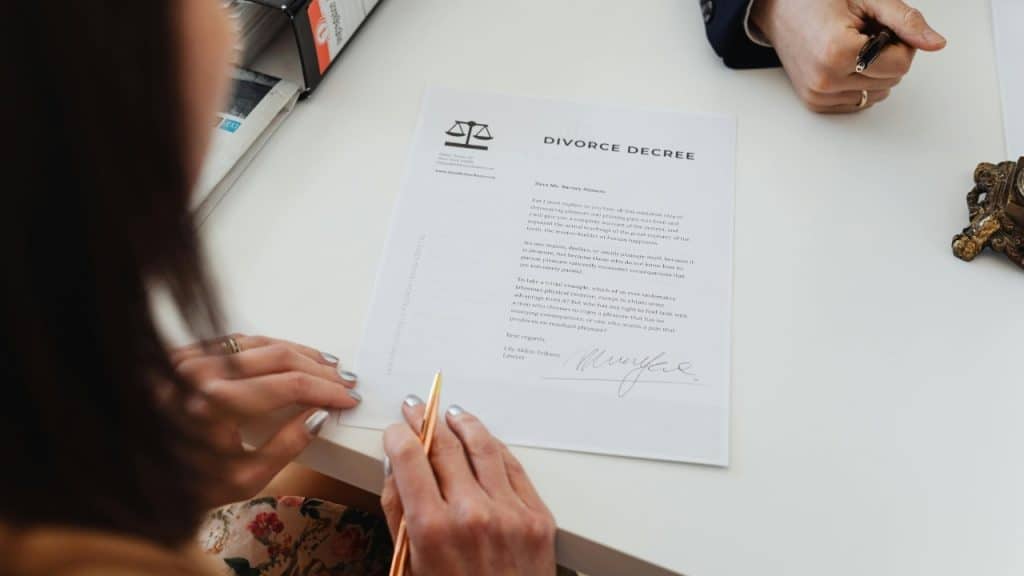
This one surfaces quietly. Did we actually exhaust our options? Did we have the hard conversations? Did we fight for the marriage with the same energy we used to defend our pride? A number of divorced women admit they left believing relief would follow immediately. Instead, reflection arrived.
Realizing He Was Not the Villain

Time softens the narrative. The man who once felt suffocating looks different years later. Not perfect. Not evil either. Some women admit that the story they told themselves was simpler than reality. He was flawed. So was she. Regret often begins when blame stops feeling satisfying.








Ask Me Anything