
Midlife often reshapes emotional needs in ways that feel subtle on the surface but profound underneath. Women tend to grow more reflective about what fulfills them, what drains them, and whether their relationship supports the person they are becoming. The complexity of this stage makes many needs difficult to articulate, especially if past conversations haven’t gone well or didn’t feel fully understood. Instead of voicing discomfort directly, many women keep quiet to avoid conflict or emotional disappointment. These unspoken needs often reveal themselves indirectly through behavior, tone, or shifting expectations. Understanding these hidden truths can help partners reconnect with clarity instead of confusion.
She Needs Emotional Depth More Than Reassurance

Midlife brings a desire for conversations that go beyond daily logistics or predictable exchanges. She often wants emotional presence, not just responses that sound supportive. Depth makes her feel connected; surface talk makes her feel alone. This need grows stronger with age because emotional fulfillment becomes more important than routine comfort. Even if she doesn’t say it, she notices when discussions lack sincerity or curiosity. Her silence about this need doesn’t mean it’s insignificant, it means she doubts its importance will be understood.
She No Longer Accepts Being Emotionally “Second” to Stress

Earlier in life, she may have tolerated being pushed aside during stressful periods. Midlife shifts that tolerance. She wants to feel like a priority even when life is difficult, not only when things are calm. Being consistently overlooked leaves her feeling unimportant, even if the intention was never to make her feel that way. She rarely verbalizes this because she doesn’t want to seem demanding. Still, the emotional gap becomes noticeable to her long before it appears obvious to her partner.
She Craves Validation for Effort, Not Just Outcomes

Many midlife women feel unseen in the day-to-day effort they put into relationships, family, and household stability. The work they do behind the scenes often goes unacknowledged, even when appreciated. She wants recognition not for perfection, but for commitment. Validation reminds her that her presence still matters. Without it, she begins to view her role as expected rather than valued. She rarely asks for this affirmation directly, but its absence affects how emotionally connected she feels.
She Wants a Partner Who Notices Shifts Before She Explains Them

During midlife, emotional needs become more internal and less obvious. She appreciates when her partner picks up on subtle cues, changes in tone, energy, or routine. Having to explain everything makes her feel more like a manager than a partner. She doesn’t expect mind-reading, only attentiveness. When even small emotional changes go unnoticed, she interprets it as a sign of fading interest. She rarely voices this expectation because she doesn’t want to seem unreasonable.
She Needs Space Without Feeling Guilty for Taking It

Midlife often sparks personal reinvention, new hobbies, new goals, or a desire for quiet moments. She wants room to explore these parts of herself without feeling like she’s abandoning her relationship. Space strengthens her identity; guilt weakens her desire to grow. When partners interpret space as distance, she stops asking for it. She keeps the need private to avoid conflict, even though honoring it would deepen the relationship, not threaten it.
She Wants Emotional Consistency, Not Occasional Intensity

Grand gestures matter far less at midlife than steady, reliable emotional presence. She values small but consistent acts that show engagement over sudden waves of attention. Inconsistency creates emotional uncertainty, especially when life feels more complex. She doesn’t say this directly because it sounds critical, but she feels the difference deeply. Consistency reassures her in ways dramatic moments never could. This quiet longing becomes one of her most significant, unspoken needs.
She Needs to Feel Desired Beyond Physical Attraction

Desire evolves with age, becoming more emotional than purely physical. She wants to feel chosen for who she is now, not just who she used to be. Emotional desire reassures her that she’s still cherished, not merely familiar. If she senses a decline in attentiveness, she interprets it as a shift in how she’s valued. She doesn’t say it aloud because she fears sounding insecure, even though the desire for emotional attraction is natural.
She Wants to Feel Heard Without Being “Solved”

At midlife, women often want conversations that allow them to unpack their feelings without being told how to fix them. Solutions can feel dismissive, even when offered with good intentions. She wants empathy first, logic second. Being heard makes her feel supported; being redirected makes her feel misunderstood. She keeps this preference private because she doesn’t want to criticize how her partner communicates. Yet this subtle need deeply affects her emotional closeness.
She Needs Shared Responsibility, Not Silent Endurance

As responsibilities increase, aging parents, demanding careers, adult children, she wants a partner who actively participates, not one who assumes she’s managing fine. Silent endurance leads to resentment because it feels like her load goes unseen. She won’t always admit the burden, fearing it makes her appear overwhelmed. But she notices when help is automatic versus when it must be requested. True partnership becomes increasingly important as life becomes more demanding.
She Wants to Feel Appreciated in Ways That Match Her Love Language

Midlife clarifies what kind of appreciation actually resonates. If words matter more to her than tasks, no amount of chores feels emotionally satisfying. If quality time matters most, gifts feel empty. She rarely communicates this shift directly, assuming her partner already knows. But unaligned expressions of love create emotional distance, even when both people are trying. Understanding her updated emotional language becomes essential.
She Needs Renewal, Not Just Stability
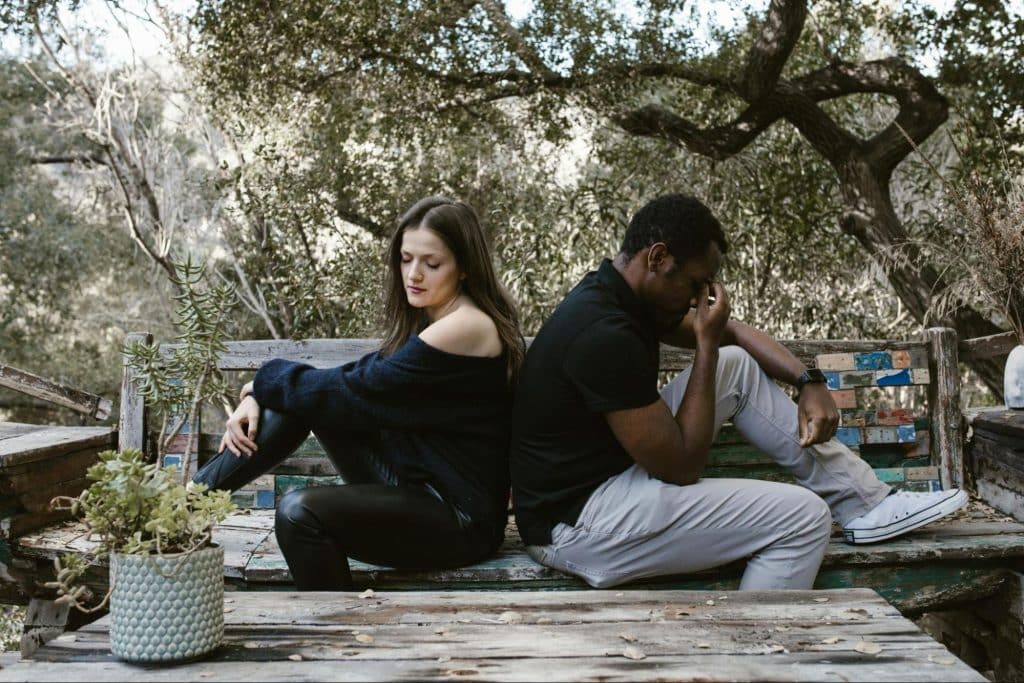
Stability is comforting, but midlife often triggers a desire for renewal, fresh experiences, growth, or deeper intimacy. Predictability becomes both a comfort and a cage. She doesn’t want a new life; she wants new energy within the life she already has. Saying this aloud feels risky, as if it implies dissatisfaction. But the truth is simple: she needs evolution, not just maintenance.
She Wants Emotional Transparency, Even When It’s Uncomfortable

She values honesty more in midlife than earlier years because clarity brings emotional safety. Hidden frustration, avoidance, or silence makes her feel excluded from her partner’s inner world. She wants openness that builds connection rather than tension. She doesn’t always ask for it because she knows vulnerability can be difficult. Yet without transparency, she feels distant even in calm periods.
She Values Reciprocity More Than Ever

Unequal effort becomes increasingly noticeable with age. She wants a relationship where emotional labor, communication, and nurturing flow both ways. If she feels like the only one checking in, supporting, or initiating connection, her emotional investment decreases. She often keeps this disappointment to herself to avoid conflict. But reciprocity is crucial to feeling valued, not used.
She Wants Presence, Not Proximity

Being in the same room doesn’t equate to emotional closeness. She cherishes moments where her partner is genuinely engaged, listening, noticing, responding. Physical proximity without emotional presence feels lonelier than being alone. She typically doesn’t express this need because it sounds abstract, yet she feels the difference immediately. Presence signals love in a way that routine never can.
She Needs Her Partner to Evolve With Her, Not Around Her

Midlife changes can be substantial, perspectives shift, priorities adjust, and emotional landscapes expand. She wants her partner to grow alongside her rather than staying emotionally static. When one person evolves and the other doesn’t, the gap widens silently. She won’t always articulate this fear of emotional mismatch. But she deeply values a relationship that adapts to who both partners are becoming.
She Wants Reassurance That Love Is Still a Choice, Not a Habit

Long-term relationships can drift into routine without anyone noticing. She wants to feel that affection, loyalty, and attention are still actively chosen. Habit without intention makes her feel like part of the scenery, not part of a partnership. She rarely voices this, assuming it will be dismissed as insecurity. Yet reassurance makes her feel grounded and cherished.
She Needs to Feel Emotionally Safe Expressing Her Discomfort

Midlife heightens awareness of unspoken dissatisfaction. She wants to address issues without fear of conflict, dismissal, or emotional shutdown. If the relationship feels unsafe for honest dialogue, she retreats into silence. She doesn’t mention this need because doing so requires vulnerability she may not feel supported enough to show. Emotional safety becomes one of the most defining elements of midlife connection.
Conclusion

Midlife doesn’t diminish emotional needs; it clarifies and amplifies them. Women at this stage often desire deeper connection, steadier presence, and more intentional partnership. These needs remain unspoken not because they’re insignificant, but because expressing them requires trust, timing, and emotional safety. Recognizing the signals early prevents quiet distance from becoming a lasting disconnection. When partners understand the emotional landscape of midlife, they create relationships that deepen instead of fade.








Ask Me Anything