
Turning 50 changes the way a man experiences his relationship, not because his wife has changed drastically, but because he has. Years of responsibility, survival mode, and emotional endurance add perspective that wasn’t present in his earlier decades. What once felt normal or unimportant suddenly carries emotional weight. Small behaviors from his wife start revealing deeper truths, about connection, distance, gratitude, or emotional safety. At 50, time feels more valuable, patience feels shorter, and emotional needs feel sharper. These quiet shifts make ordinary moments hit differently. This introduction sets the stage for how familiar behaviors take on new meaning in the second half of life.
When She Reminds Him of Something He Forgot

In his 30s, reminders felt harmless; in his 50s, they sometimes sting. Forgetfulness now feels tied to aging, and even gentle corrections can trigger self-reflection. He becomes more aware of his limitations, and her reminders highlight the passage of time. It’s not criticism, it’s the weight of recognizing that he isn’t as sharp as he once was. This small behavior hits differently when he’s carrying decades of responsibility. Her reminders reveal more than a missed task; they reveal a stage of life he’s adjusting to. He feels gratitude and sensitivity at the same time.
When She Expresses Worry About His Health
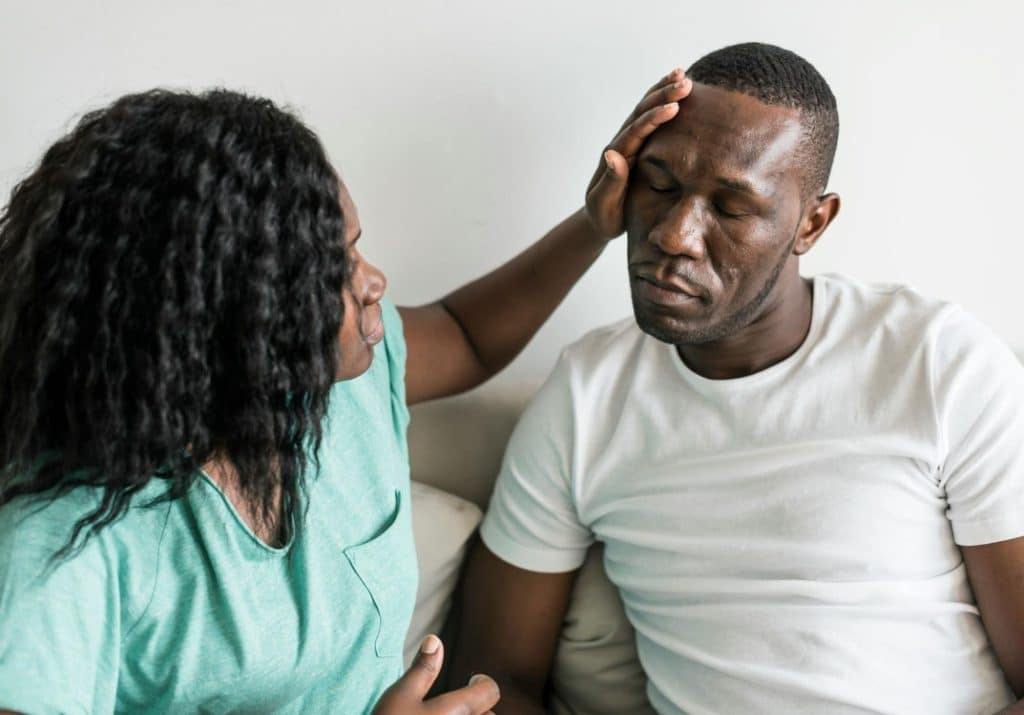
Her concern once felt unnecessary, but now it feels real, urgent, and emotional. He hears her worry through the lens of mortality, something he rarely thought about before. Her questions about checkups, diet, or fatigue remind him that health is no longer guaranteed. He recognizes her fear beneath the surface, and it hits him harder than he admits. It’s love, but also a reminder that the years are moving. Her concern carries weight now, not annoyance.
When She Gets Quiet Instead of Confrontational

Years ago, silence meant peace or temporary irritation; at 50, silence feels like emotional distance. He senses nuances he missed when he was younger. Her quietness now signals deeper feelings, disappointment, fatigue, or withdrawal. He realizes how precious emotional presence is and fears losing it. Her silence hits differently because emotional closeness matters more now. He wants connection, not avoidance.
When She Chooses Rest Over Discussion

He once saw this as normal, but now it signals how tired both of them are from years of responsibilities. He realizes that emotional conversations require energy neither of them always has. Her choice to rest instead of talk shows him how much both have carried. It’s not rejection; it’s exhaustion. This awareness makes her fatigue hit differently, he feels protective rather than frustrated. He notices her humanity more clearly.
When She Stops Initiating Small Affection

In his younger years, he assumed affection would always come naturally. At 50, the absence of small touches feels meaningful. He questions whether life’s stress, routine, or emotional distance created the gap. Her lack of initiation now feels like a signal rather than coincidence. It reveals how easily partners drift without realizing it. This shift hits differently because he values intimacy more deeply now.
When She Talks More About the Future Than the Present

Future-focused conversations now hold emotional weight. He hears her hopes and plans through the lens of limited time rather than endless possibility. What she wants for retirement, family, or lifestyle makes him reassess his priorities. Her forward-thinking no longer feels vague, it feels urgent. He realizes the years ahead matter more than the years behind. Her vision hits differently because he now understands what’s truly at stake.
When She Points Out Patterns Instead of Single Moments

She no longer reacts to individual issues; she names habits. At 50, he knows habits shape emotional connection more than arguments. When she brings up patterns, it signals long-term feelings, not impulsive reactions. This hits harder because he understands consistency matters. Her feedback feels more like a roadmap than a critique. He listens more closely because he recognizes the wisdom behind her words.
When She Shows Disappointment Instead of Anger

Anger used to be easier to brush off. Disappointment, however, lands differently with age. It reflects emotional investment rather than irritation. At 50, he wants to be a source of safety and pride, not letdowns. Her disappointment makes him reflect on how actions shape trust. This small behavior carries heavy emotional meaning because he sees hurt, not hostility.
When She Tries to Protect Her Peace Instead of Winning Arguments

He notices her shift from confrontation to preservation. This is not indifference, its emotional maturity shaped by years of conflict, compromise, and lessons. At 50, he understands the value of peace in ways he didn’t at 30. Her avoidance of drama feels like wisdom now, not dismissal. It changes how he sees conflict entirely. He appreciates her emotional restraint more deeply.
When She Expresses Gratitude for Small Things

Her thank-youes feel richer now than in earlier decades. He knows how rare appreciation becomes in long partnerships. At 50, gratitude hits differently because life feels more fragile and responsibilities heavier. Her acknowledgment feels like connection, not routine politeness. These moments remind him of the quiet love that still exists. Her gratitude touches him more deeply than it once did.
When She Withdraws During Stress Instead of Reaching Out

He interprets this differently at 50, not as rejection, but as emotional burnout. He understands that both partners have limited emotional fuel. Her retreat reveals her need for internal grounding, not distance from him. He sees her stress with more empathy and less defensiveness. This shift matters because he now values emotional clarity over reaction. Her withdrawal hits differently because he reads it with compassion.
When She Handles Problems Without Asking for Help

In earlier years, he might have felt unneeded or bypassed. At 50, he understands how much competence she has developed. Yet the independence still hits him emotionally, it makes him wonder if she expects support or assumes she must carry everything alone. He realizes how many burdens she has shouldered silently. Her self-sufficiency feels admirable and concerning at the same time. It prompts him to show up more intentionally.
When She Asks Him to Be Present Instead of Productive

Productivity defined much of his earlier life. At 50, her request for presence feels profound. It shows him that emotional availability matters more than achievement. She wants connection, not efficiency. This hits him differently because he’s finally slowing down enough to see the value in simple moments. Her request reveals a deeper emotional need.
When She Brings Up Old Wounds Instead of New Complaints

He once saw this as holding grudges; now he recognizes it as unhealed emotional pain resurfacing. At 50, he realizes unresolved issues don’t disappear, they rest. Her reflection on the past signals wounds that were never addressed or validated. It hits him differently because he now understands emotional patterns rather than isolated events. Her vulnerability needs acknowledgment, not defensiveness.
When She Values Emotional Safety More Than Excitement

Younger relationships chase thrills; mature relationships chase stability. When she prioritizes emotional safety, it reflects her need for peace in the second half of life. He now sees how valuable stability is. Her desire for predictability feels grounding, not limiting. This shift hits differently because he understands how precious peace becomes with age. Her emotional needs feel clearer and more valid.
When She Becomes Protective of Her Time and Energy

At 50, both partners recognize time as their most finite resource. When she guards her energy, it’s not withdrawal, it’s wisdom. He sees this differently now, recognizing how much she has poured into the family, the marriage, and the household over decades. Her boundaries no longer feel cold; they feel earned. This behavior makes him reassess his own energy management. Her self-preservation teaches him about balance.
When She Expresses Fears About Aging Together

Her comments about aging used to seem light-hearted or hypothetical. Now they feel deeply real. He hears her fear of losing vitality, connection, or partnership. He understands her vulnerability in a new way, it hits him as both love and truth. Aging becomes a shared emotional landscape rather than an individual concern. Her worries feel like invitations for deeper closeness.
When She Says She Misses How They Used to Be

This statement hits differently at 50 because he knows he can’t rewind time. It’s not a criticism, it’s grief for the versions of themselves that life responsibilities buried. He understands that her longing reflects love, not dissatisfaction. Her nostalgia becomes his own. It prompts him to reflect, reconnect, and rebuild the emotional ease they once had. Her words carry weight because they reveal how much she still values the relationship.
When She Talks About Wanting Peace for the Rest of Her Life

This desire is not about escaping him; it’s about protecting herself. At 50, he understands this in a way he couldn’t when he was younger. Peace becomes the ultimate goal, not ambition, not excitement, not achievement. Her longing for peace reflects both exhaustion and hope. It hits him differently because he now shares the same desire. Her words reveal how love must evolve to survive the second half of life.
Conclusion – Age Doesn’t Change Your Wife; It Changes What You Hear

These behaviors aren’t new, what’s new is the man experiencing them. Turning 50 brings clarity, emotional sensitivity, and a deeper understanding of what connection truly requires. Ordinary moments take on emotional meaning because time feels more precious, and love feels more fragile. Recognizing this shift allows husbands to respond with empathy rather than defensiveness. Understanding these behaviors isn’t about blame, it’s about connection. When men see the deeper meaning behind normal moments, they strengthen the bond that carries them through the years ahead.








Ask Me Anything