
You don’t wake up one morning hating your marriage. It happens in smaller moments. A comment that lingers. A pattern that never changes. A conversation you’re too tired to have again.
Resentment rarely announces itself. It builds quietly, especially in men who pride themselves on handling things. But what feels like “just stress” is often something more specific. And if you can name the pattern, you can at least understand what’s really eating at you.
Silent Treatment Instead of Real Conversations

Nothing feels more isolating than living with someone who won’t actually talk. When disagreements get met with shutdowns, cold shoulders, or weeks of emotional distance, it doesn’t create peace. It creates tension you carry alone. Over time, you stop trying because every attempt feels like walking into a wall.
Keeping Score Like It’s a Competition

When every argument includes a history lesson, the marriage starts to feel like a courtroom. Who did more. Who sacrificed more. Who messed up last year. Scorekeeping turns partnership into accounting, and eventually you stop feeling like teammates. You feel like opponents waiting for the next audit.
Unequal Load That Never Gets Acknowledged

There’s a specific kind of resentment that comes from feeling like the weight never shifts. Work pressure, financial stress, decisions, planning. If your effort is expected but rarely recognized, it doesn’t just exhaust you. It slowly convinces you that what you carry doesn’t matter.
Constant Criticism Disguised as “Standards”

Feedback is fine. Everyone needs it. But when nothing you do seems quite right, the message lands differently. You start second guessing small things. You brace for correction. Eventually you either withdraw or stop caring. Neither is good.
Feeling Unappreciated No Matter What You Do

A man can handle long hours and tough seasons if he feels seen. What he struggles with is invisibility. When effort gets treated as the bare minimum, something shifts inside. It stops feeling like contribution and starts feeling like obligation.
The Relationship Is Always Last on the List

Careers get attention. Kids get attention. Friends, hobbies, screens, errands. When the marriage consistently comes last, it doesn’t explode. It fades. And that quiet fading can sting more than conflict because it feels like you’re no longer chosen.
Boundaries That Don’t Get Respected

Privacy matters. So does autonomy. When your time, family relationships, or decisions are constantly questioned or overridden, it feels less like partnership and more like management. That tension doesn’t show up in public. It shows up later as irritation over small things.
Jealousy That Turns Into Control

A little insecurity is human. But when suspicion becomes a habit, trust erodes fast. Being accused, monitored, or subtly isolated from people you care about doesn’t make you feel loved. It makes you feel trapped. And resentment grows in tight spaces.
Betrayal That Never Fully Healed

Infidelity is obvious. But financial secrecy, emotional closeness with someone else, or repeated dishonesty can leave the same scar. Even if you stayed, even if you said you forgave, unhealed betrayal has a way of resurfacing in quiet, bitter ways.
Passive-Aggressive Jabs That Replace Directness

Sarcasm. Eye rolls. Comments that sound like jokes but aren’t. Over time, these small digs communicate something deeper. You don’t feel respected. And because it’s never direct, you can’t fully address it without being told you’re too sensitive.
Affection Used as Leverage

When physical closeness becomes transactional, it changes the atmosphere of the entire relationship. Intimacy should feel mutual, not strategic. If connection gets withheld to prove a point or win an argument, it leaves a mark that doesn’t disappear quickly.
Public Disrespect

Few things cut deeper than being mocked or criticized in front of others. It doesn’t have to be cruel. Even subtle undermining can chip away at pride. Respect is a quiet currency in marriage. Once it’s damaged publicly, it’s hard to restore privately.
Self-Care That Feels One-Sided
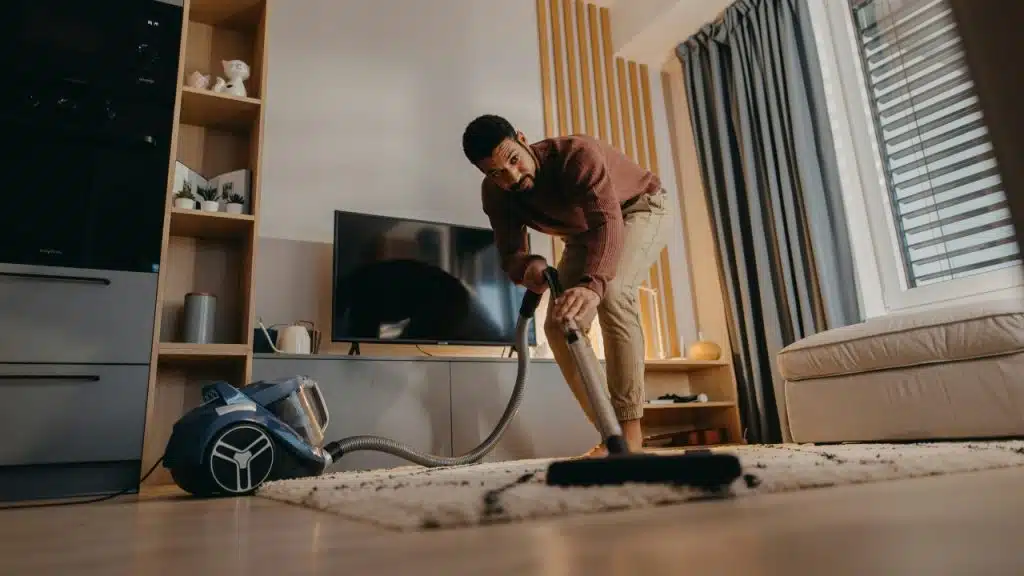
Resentment can sometimes look like anger but feel more like envy. If one person always seems to have time to relax while the other never does, that imbalance breeds irritation. Not because rest is wrong. Because fairness matters.
Smothering That Feels Like Surveillance

There’s a difference between closeness and constant checking. When independence gets treated like disloyalty, space disappears. And without space, desire and respect both shrink. Nobody thrives under emotional surveillance.
Living Separate Lives Under One Roof

Sometimes the fights stop. And that feels like relief. But so do the conversations, the laughter, the curiosity. You go to bed at different times. You stop sharing inner thoughts. On the surface it looks calm. Underneath, it feels empty.
Resentment isn’t always about one big failure. It’s usually about repeated small patterns that never get corrected. Naming them doesn’t solve everything. But it does stop you from pretending nothing’s wrong.








Ask Me Anything