At some point in your thirties or forties, you probably noticed something shift. Fewer friends are rushing into marriage. More are quietly divorced. Some have just stopped dating altogether. It’s not dramatic. It’s subtle. But it’s happening.
Data shows that a large share of single adults aren’t even looking for a relationship. Nearly half say they have more important priorities. Almost as many simply enjoy being single. That alone changes the tone of the conversation.
This isn’t about blaming men or women. It’s about understanding why a growing number of adults are stepping back from love. Some are tired. Some are cautious. Some are perfectly content. The reasons aren’t romantic. They’re practical. Let’s get into them.
Fear of Divorce Isn’t Abstract Anymore
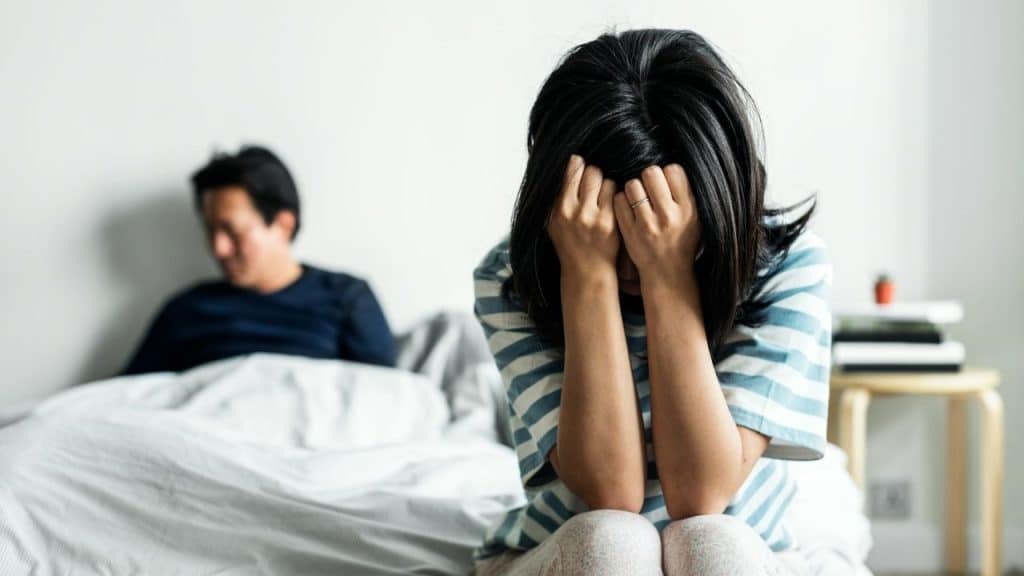
For many men in their 35–55 range, divorce isn’t theoretical. They’ve seen it up close. Some lived through their parents’ split. Others have their own story.
Divorce rates among older generations climbed sharply, and that left a mark. Marriage stopped looking permanent and started looking risky. When commitment feels like signing a long-term contract with unclear terms, hesitation makes sense. It’s not that men don’t believe in love. It’s that they’ve seen what happens when it collapses.
Career Comes First
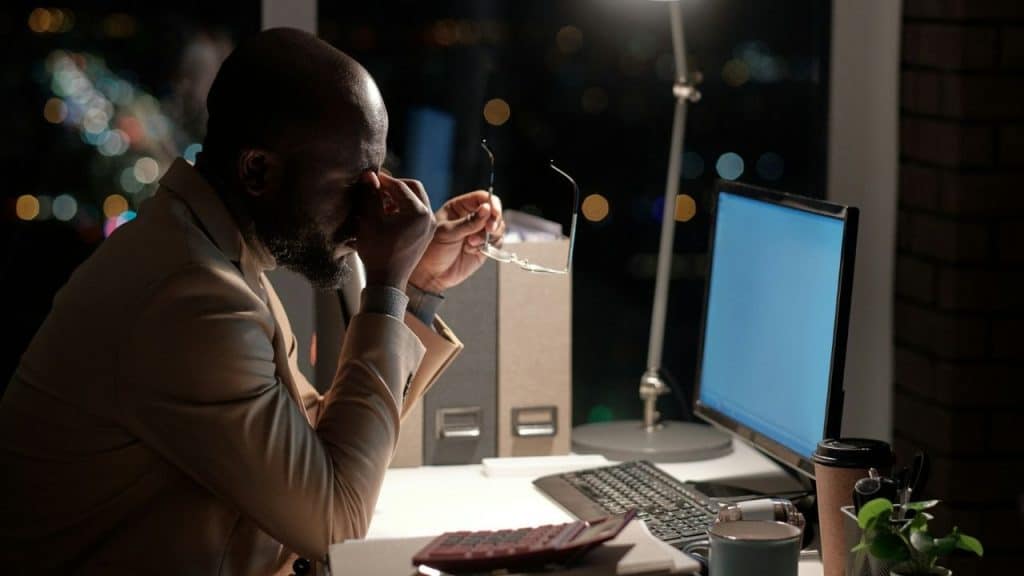
A lot of men in this age group built their identity around work. Business, promotions, financial stability — those aren’t side goals. They’re central.
Research shows that nearly half of single adults say they have more important priorities than dating. For younger non-daters under 50, that number jumps even higher. Work is often at the top of that list. When your calendar is packed and your energy is limited, dating can feel like a distraction instead of an upgrade.
Financial Pressure Changes the Equation
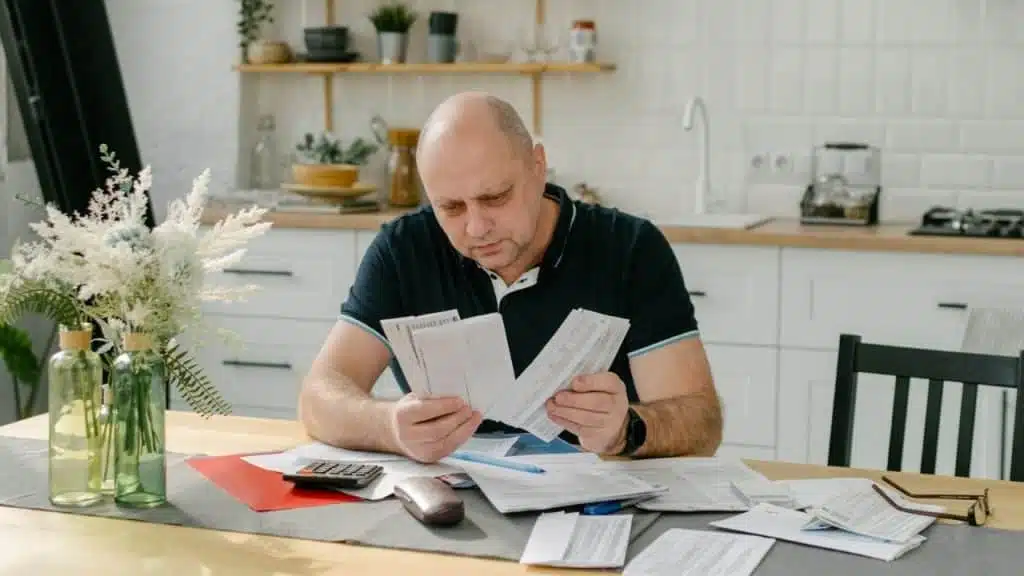
Inflation, housing costs, and general economic instability aren’t background noise. They shape life decisions.
Marriage used to feel like a step toward stability. Now, for many, it feels like something you do after you’re stable. Some men delay relationships because they don’t feel financially ready. Others have already experienced the financial strain of divorce and aren’t eager to repeat it. Money doesn’t buy love, but it definitely affects how safe it feels to pursue it.
Dating Apps Wore People Out
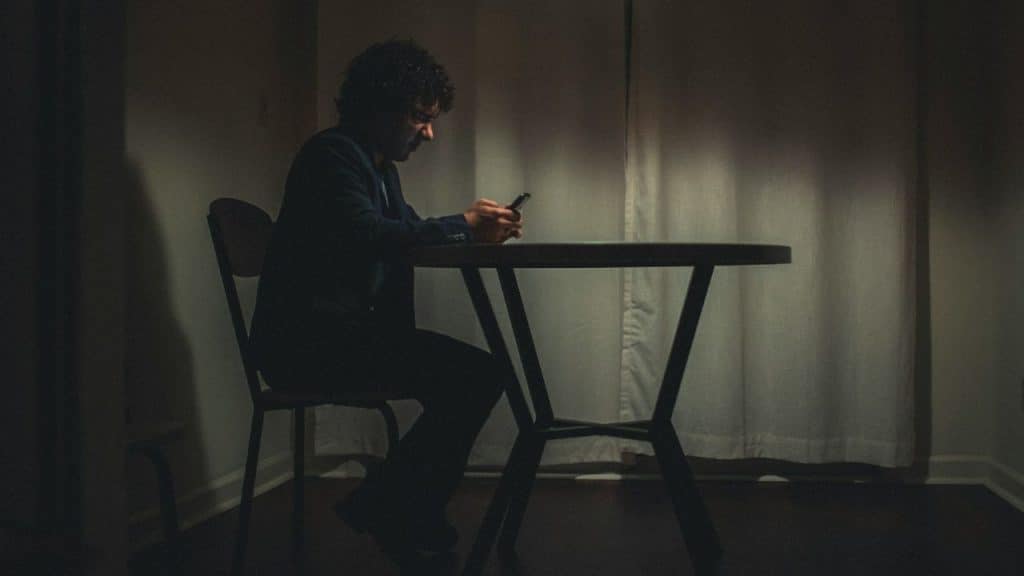
Online dating promised efficiency. Instead, many men describe it as exhausting. Endless swiping, ghosting, and surface-level conversations make the process feel transactional. Some men say they stopped because it felt like a performance. Others simply got tired of investing time with little return. When connection feels like a job interview on repeat, opting out starts to look reasonable.
Expectations Are Higher Than Ever
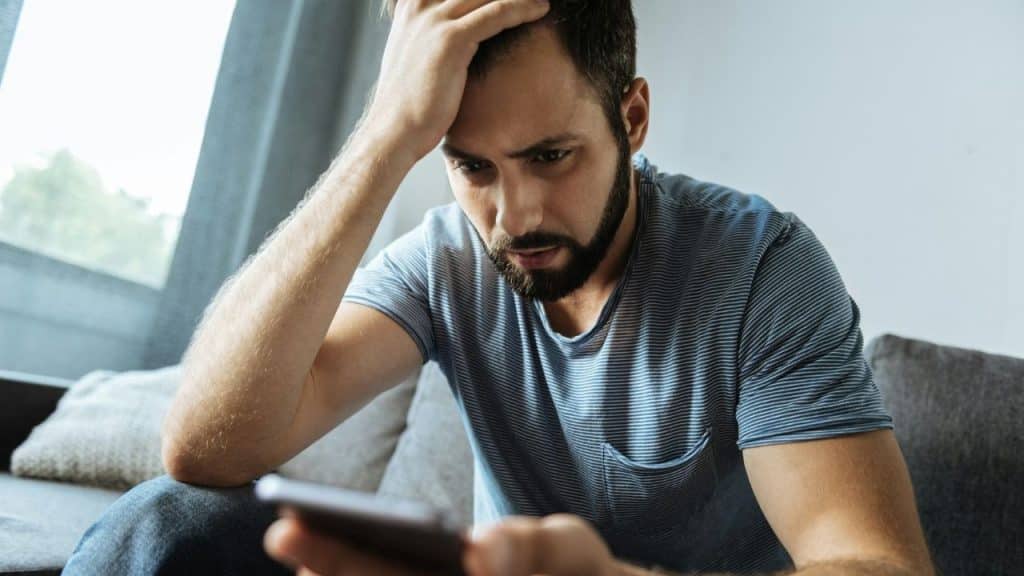
Modern dating doesn’t just ask for chemistry. It asks for emotional intelligence, financial stability, fitness, ambition, and social awareness — all at once.
That’s not necessarily unfair. But it does raise the bar. Social media amplifies this by constantly displaying ideal lifestyles and polished relationships. For some men, the gap between who they are and who they think they need to be feels too wide. Instead of competing, they step back.
A Lot of People Actually Like Being Single

This one surprises people. It shouldn’t. Studies show that around 44 percent of non-daters say they simply enjoy being single. That’s not bitterness. It’s preference.
Freedom matters. Autonomy matters. Being able to structure your life without compromise has real appeal. For men who spent years adjusting to partners or family needs, solitude can feel peaceful.
Confidence Is Lower Than It Looks
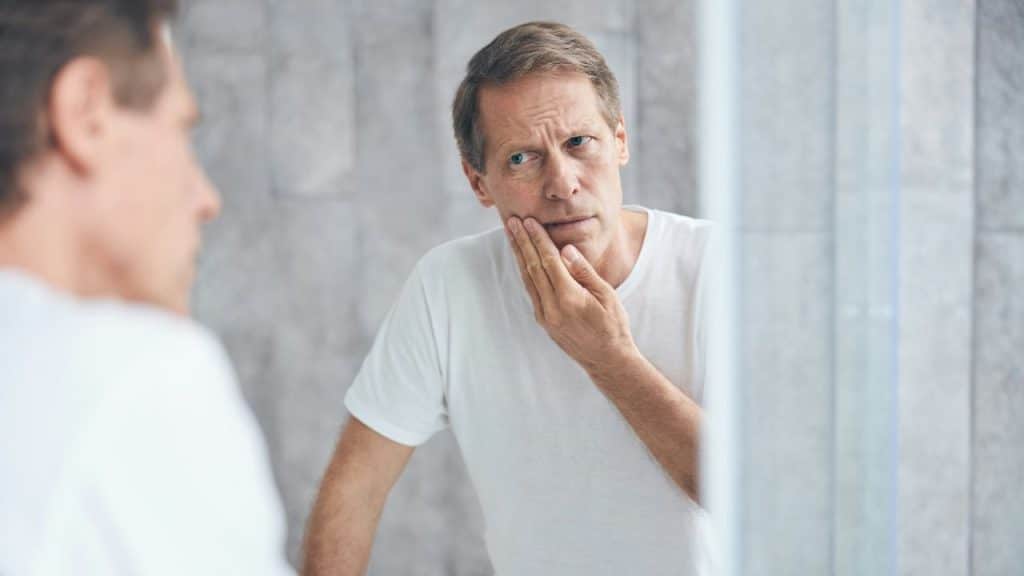
Not every man avoiding dating is doing it out of strength. Some are doing it out of doubt. Research shows men are more likely than women to say they feel no one would be interested in them. That insecurity doesn’t always show outwardly.
Instead of risking rejection, some men choose certainty. Staying single feels safer than feeling unwanted.
Past Relationships Leave Scars

Breakups in your twenties sting. Divorce in your forties hits differently. By midlife, many men carry emotional baggage. Betrayal, custody battles, financial strain, or simply burnout from trying to make something work. Starting over requires vulnerability. Not everyone has the appetite for that again.
Mental Health Isn’t Always Stable
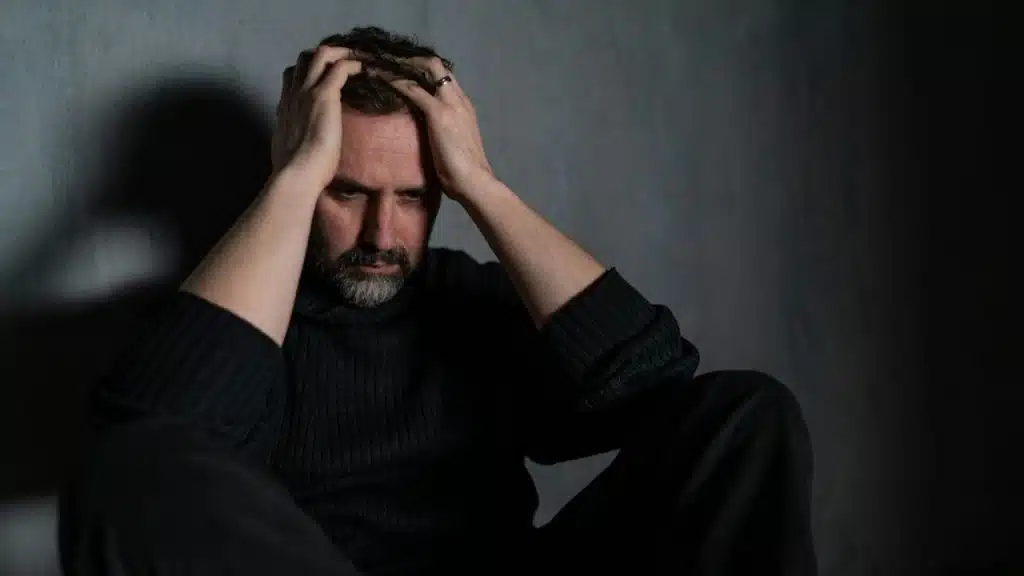
Burnout, anxiety, and depression are common in high-performing adults. They don’t always announce themselves loudly. Dating requires energy. So does maintaining a relationship. When someone is already stretched thin mentally, romance falls lower on the priority list. Sometimes opting out isn’t about love. It’s about survival mode.
Busy Isn’t Just an Excuse

About 20 percent of non-daters say they’re simply too busy. That might sound like a cliché. It’s not always one.
Between work, family obligations, fitness routines, and social commitments, time disappears fast. Relationships demand consistent effort. If someone feels they can’t show up properly, staying single can feel more honest than half-committing.
Casual Connections Feel Easier

Some men aren’t opting out of intimacy. They’re opting out of structure. Casual dating or short-term arrangements offer companionship without long-term negotiation. For men who fear legal or financial entanglement, that balance feels safer. It’s not always ideal. But it’s simple.
Emotional Skills Are Still Catching Up

Research shows men are less likely to seek emotional support from friends or professionals. Many lean heavily on partners for that role.
When women increasingly resist carrying that emotional load, tension builds. Some women are opting out of dating because they don’t want to act as therapists. That shift forces men to adapt. Not all have yet.
Women’s Independence Changed the Market

More women are financially independent and selective about partners. In recent data, only 38 percent of single women reported being on the dating market, compared with 61 percent of single men.
That imbalance affects dynamics. Men face more competition. Standards are clearer and often higher. The old assumption that partnership is necessary for security no longer holds.
Values Matter More Now
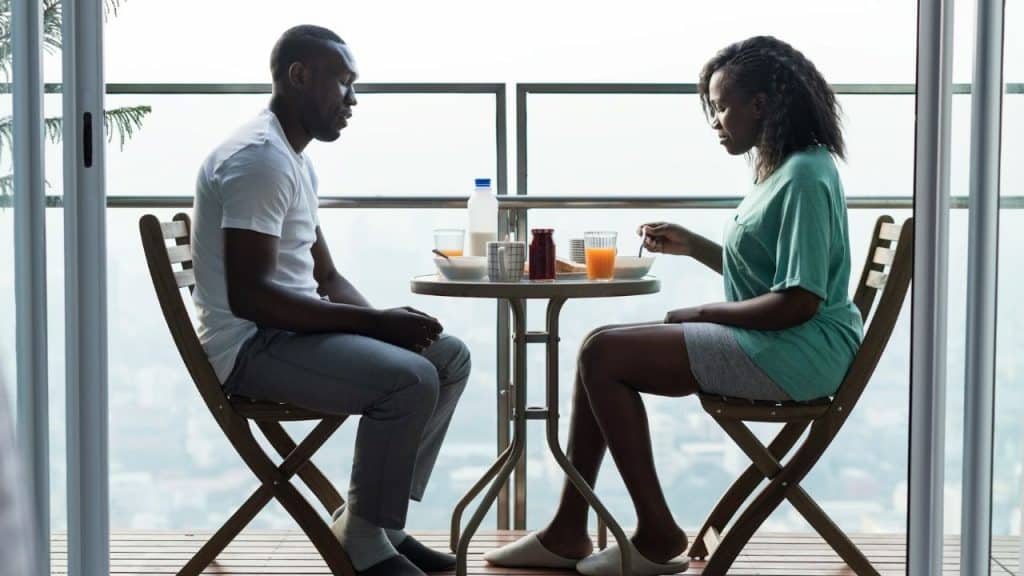
Political and cultural differences now influence dating more openly. Many people say they wouldn’t date someone with opposing core values.
For men who feel out of sync with the cultural direction around them, dating can feel complicated before it even starts. Alignment matters. And misalignment ends things quickly.
Marriage Isn’t the Default Goal
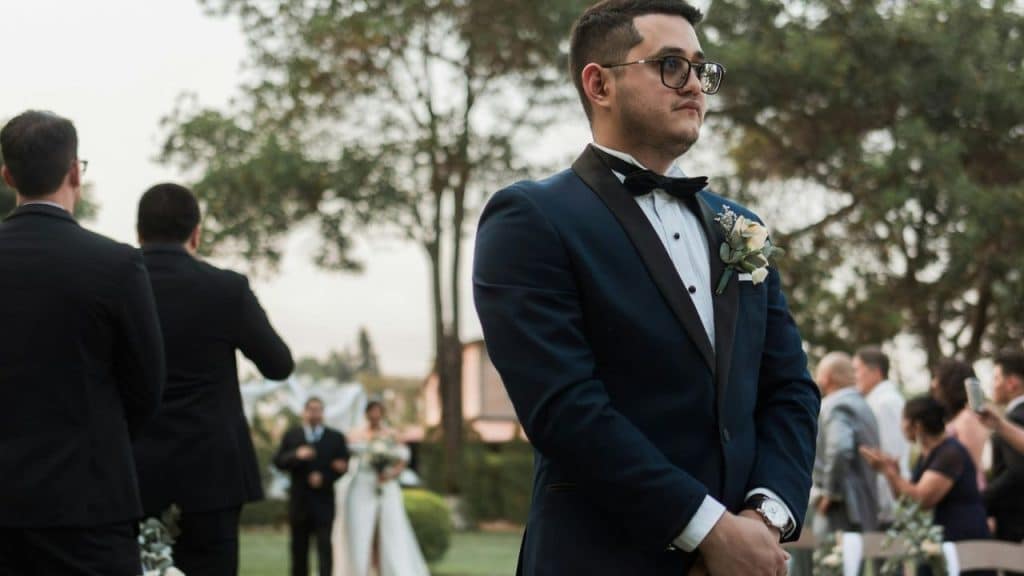
For decades, marriage was presented as the natural endpoint. That narrative is fading. Many adults now see partnership as optional rather than mandatory. If a relationship doesn’t clearly improve life, it’s easier to decline it. That mindset removes urgency.
Age Creates Its Own Hesitation
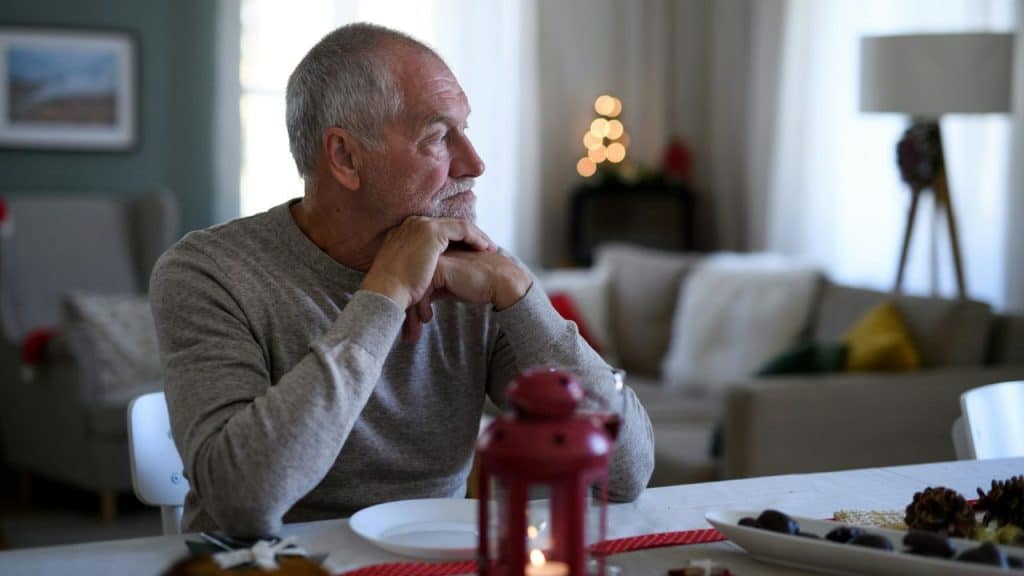
Some men in their forties and fifties feel too old to start fresh. Data shows that 17 percent of non-daters cite feeling too old as a major reason. Reentering the dating world after years away can feel awkward. Technology changed. Norms changed. Instead of navigating that learning curve, some opt out.
Organic Social Spaces Are Fewer
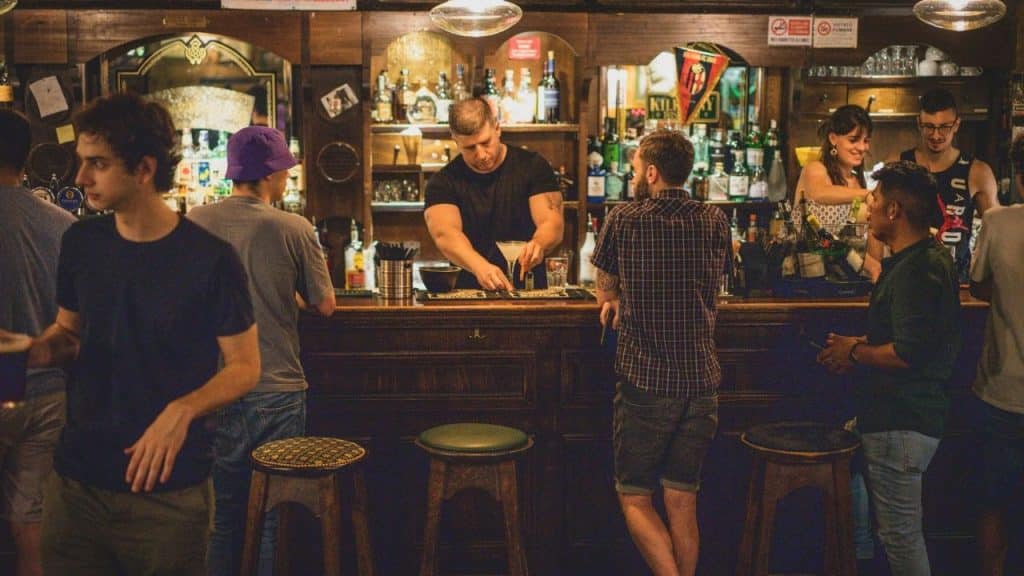
People don’t meet the way they used to. Work is remote. Social clubs are less common. Approaching strangers feels socially risky. Without natural venues to connect, dating becomes more deliberate and effortful. For men who dislike forced environments, that barrier matters.
Fear of Disrupting Stability

After years of building a stable routine, introducing someone new can feel disruptive. A new relationship affects schedules, finances, living arrangements, and even friendships. Stability has value. Some men protect it carefully.
Not Everyone Is Lonely
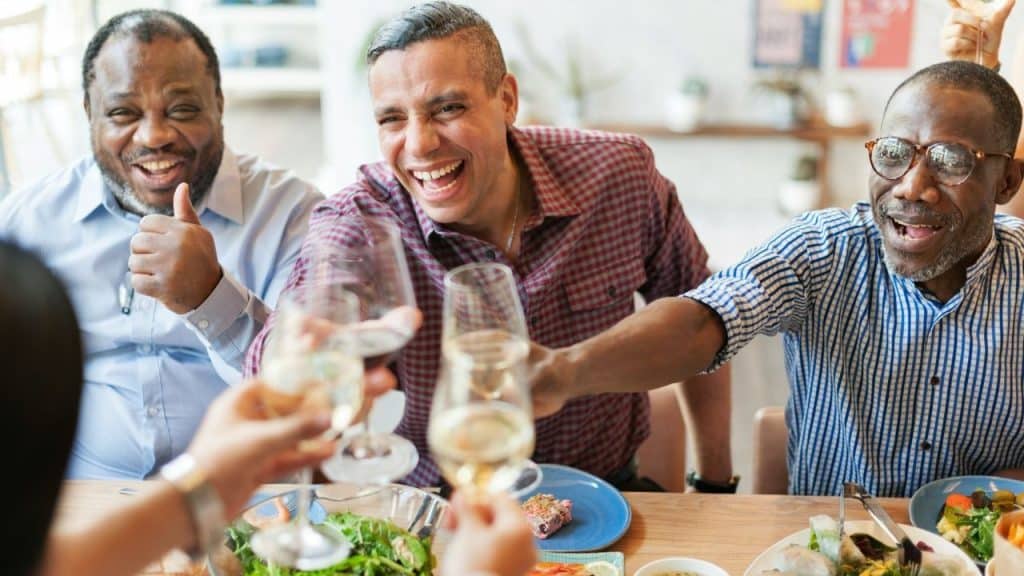
Here’s the uncomfortable part: being single doesn’t automatically mean being unhappy. Many men have strong friendships, hobbies, careers, and family connections. Loneliness isn’t universal. For some, love is welcome but not necessary. That’s a major cultural shift.








Ask Me Anything